Category: Anime Movies

  • Anime Movies for Beginners: Where to Start Your Viewing Journey

    Anime Movies for Beginners: Where to Start Your Viewing Journey

    If you’re new to anime, it can be a little overwhelming. The world of anime is vast, with many genres and styles. But don’t worry! In this guide, we’ll show you some of the best anime movies for beginners. These movies will help you understand what anime is all about. You’ll also discover what makes anime unique and why it’s so loved by millions around the world.

    What Is Anime?

    Before we dive into the best anime movies for beginners, let’s understand what anime is. Anime is a style of animation that comes from Japan. It can be hand-drawn or created using computer-generated images. Anime covers many genres, from action to romance and fantasy. The unique art style and engaging stories make anime different from Western cartoons. Now that you know what anime is, let’s talk about where to start your journey.

    Innovative Music Production Tools

    MoosicLab empowers musicians with cutting-edge tools for composing and producing music, while wolfwinner Homepage provides an exciting platform for online gaming enthusiasts. Discover creativity and entertainment in one seamless experience.

    Why Watch Anime Movies for Beginners?

    Watching anime movies for beginners is a great way to get introduced to the world of anime. These movies often have simple plots that are easy to follow. They also offer beautiful animation and emotional storytelling that will hook you. Anime movies are not just for kids; many are made for adults too. So, if you’re curious about anime but don’t know where to start, these movies are perfect for you.
    Anime Movies for Beginners: Where to Start Your Viewing Journey
    Anime Movies for Beginners: Where to Start Your Viewing Journey

    Exploring Innovation with MoosicLab

    MoosicLab supports creative innovation in music and technology, blending sound with smart design. For entertainment beyond the studio, explore this popular aus online casino.

    Top Anime Movies for Beginners

    1. Spirited Away

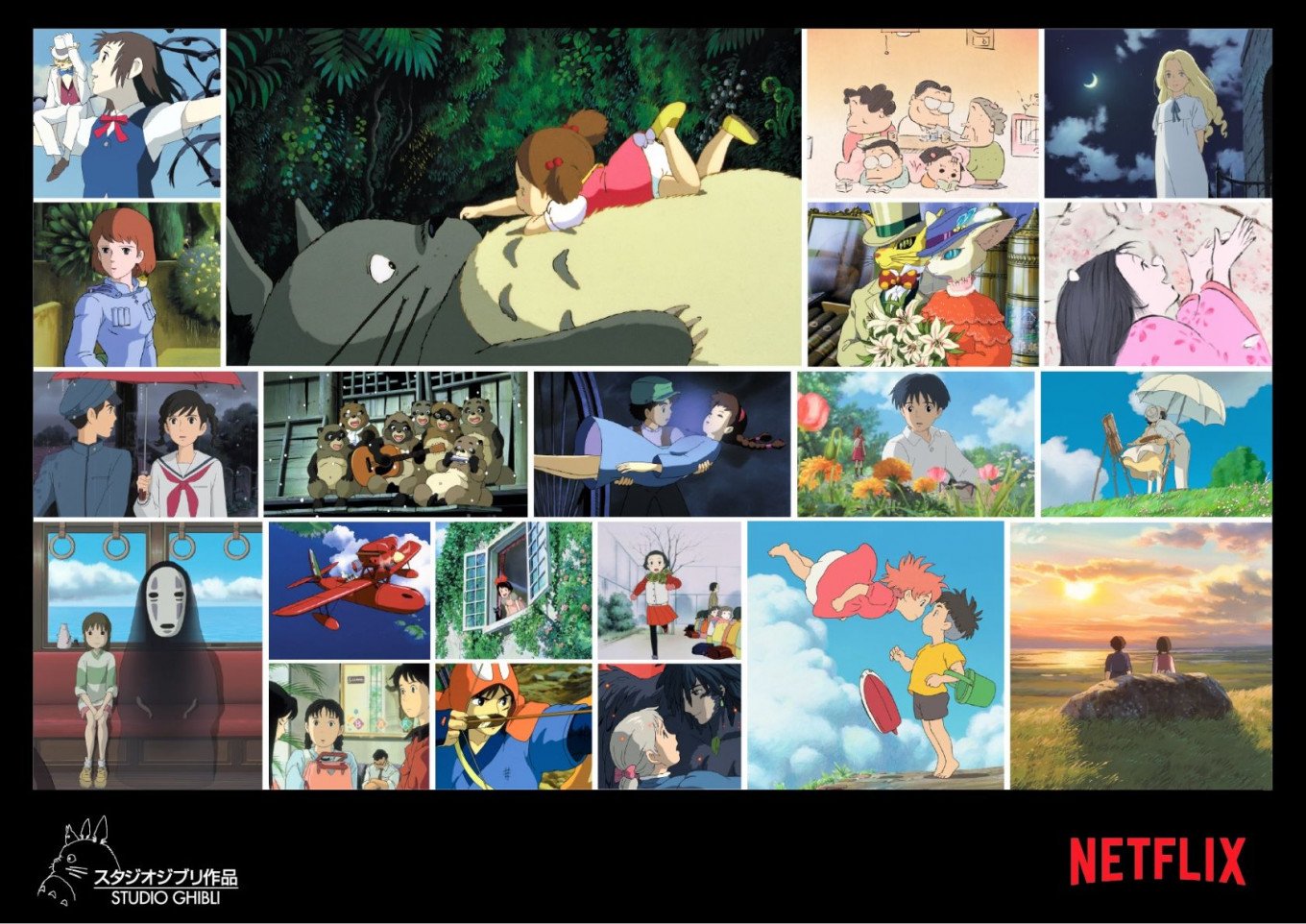
    One of the best anime movies for beginners is Spirited Away. This movie, directed by Hayao Miyazaki, is a masterpiece. It tells the story of a young girl named Chihiro who gets trapped in a mysterious world. As she searches for a way to escape, she meets many strange and wonderful characters. Spirited Away is a beautiful movie with a great story and fantastic animation. It’s perfect for anyone new to anime.

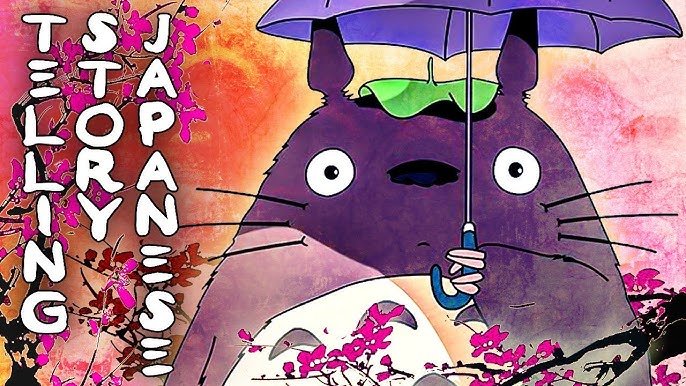
    2. My Neighbor Totoro

    Another great movie for beginners is My Neighbor Totoro. This movie is light-hearted and full of charm. It follows two sisters who move to the countryside and meet a magical creature called Totoro. The movie is fun and heartwarming, making it a perfect choice for new anime fans. If you enjoy stories about family and nature, you’ll love this movie.

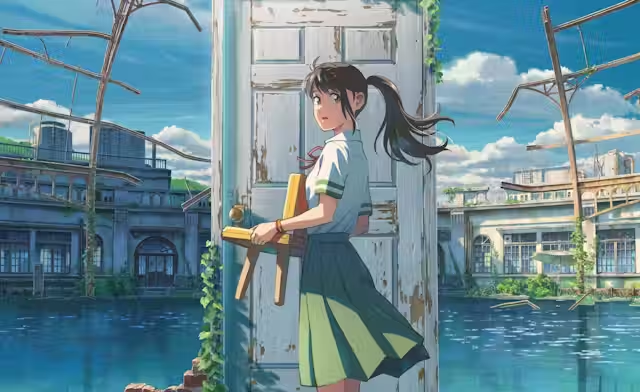
    3. Your Name

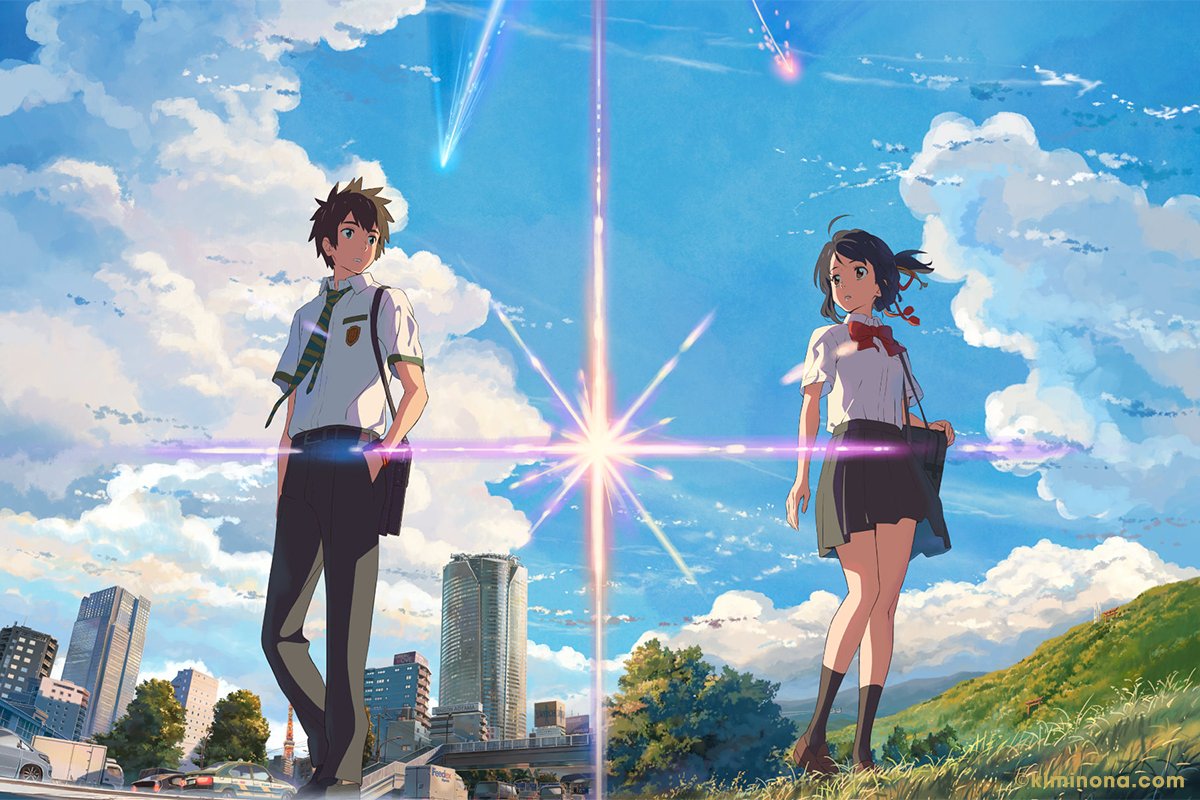
    Your Name is a romantic fantasy movie that has captured the hearts of many. The film follows two teenagers who mysteriously switch bodies. They begin to communicate and help each other, even though they have never met. The movie is visually stunning and has a very engaging story. Your Name is a great introduction to modern anime and is one of the most popular anime films in recent years.

    4. The Lion King (Japanese Version)

    Many anime movies for beginners are inspired by Western films. The Lion King has a Japanese version, and it offers a different perspective on the classic story. The animation style is unique, and the soundtrack is emotional. This movie is perfect for those who are familiar with the original but want to experience it in a new way.

    5. Ponyo

    Ponyo is another film by Hayao Miyazaki, and it’s perfect for beginners. The movie tells the story of a little fish who transforms into a human girl. It’s a magical adventure filled with beautiful underwater scenes and imaginative characters. Ponyo is a fun, family-friendly film that will make you fall in love with anime.

    6. A Silent Voice

    If you’re looking for an anime movie with a more serious tone, A Silent Voice is a great choice. The story follows a young boy who tries to make amends for bullying a deaf girl in his class. The movie is emotional and explores themes of redemption, friendship, and mental health. It’s a great film for those who want to experience the emotional depth that anime can offer.

    How to Enjoy Anime Movies for Beginners

    To enjoy anime movies for beginners, you don’t need to know everything about anime. Just relax and let the story unfold. Watch the films in the original Japanese language with subtitles. This way, you get the true feeling of the movie. As you watch more anime, you’ll start to understand the culture and style better. The more you watch, the more you’ll appreciate the details.

    Where to Watch Anime Movies

    You can watch anime movies for beginners on various streaming platforms. Some of the most popular ones are Netflix, Crunchyroll, and Funimation. These platforms offer a wide range of anime movies, including classics and new releases. If you’re looking for convenience, these services provide high-quality streams with subtitles in your language.

    Tip: After enjoying some anime movies, you might want to unwind with a little fun. You can even try out a real money casino to relax and test your luck. It’s always good to have a mix of entertainment!

    Music Production and Gaming

    Moosic Lab offers tutorials and insights for music production enthusiasts. While exploring creative music tips, you can also enjoy online entertainment at jackpotjill Homepage. Combining music learning with digital fun enhances your experience. Create and play at the same time.

    Music Production & Collaboration

    Aspiring musicians can create and share tracks, while Jackpotjill VIP Casino offers another fun digital experience for downtime.

    Conclusion

    Starting your anime journey can be fun and exciting. The key is to begin with anime movies for beginners that have engaging stories and easy-to-follow plots. Movies like Spirited Away, My Neighbor Totoro, and Your Name are perfect for newcomers. They offer a great introduction to anime and will make you want to watch more. So, grab some popcorn and enjoy your anime adventure!
  • The Impact of Japanese Anime Films on Animation Worldwide

    The Impact of Japanese Anime Films on Animation Worldwide

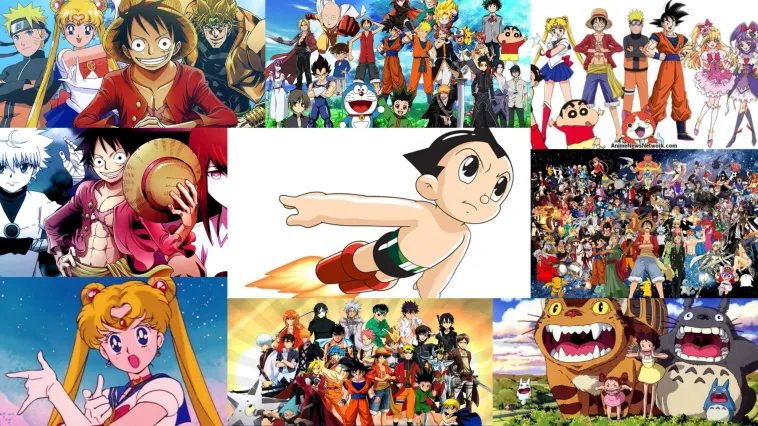
    Japanese anime films have left a profound mark on the global animation industry, influencing storytelling techniques, visual styles, and thematic content. Their unique approach to animation and narrative has inspired countless creators and reshaped the way animation is perceived and produced worldwide. This article explores the impact of Japanese anime films on animation globally, highlighting their contributions to the industry and their influence on international animation.

    Innovative Storytelling Techniques

    Japanese anime films are renowned for their innovative storytelling techniques, which often push the boundaries of traditional narrative structures. Films like Akira and Spirited Away explore complex themes and present intricate plots that challenge conventional storytelling norms. These films often blend multiple genres and narrative styles, creating rich and multifaceted stories. Their success has inspired animators and filmmakers around the world to experiment with new storytelling approaches, incorporating elements of fantasy, science fiction, and psychological drama into their own work.

    Distinct Visual Styles

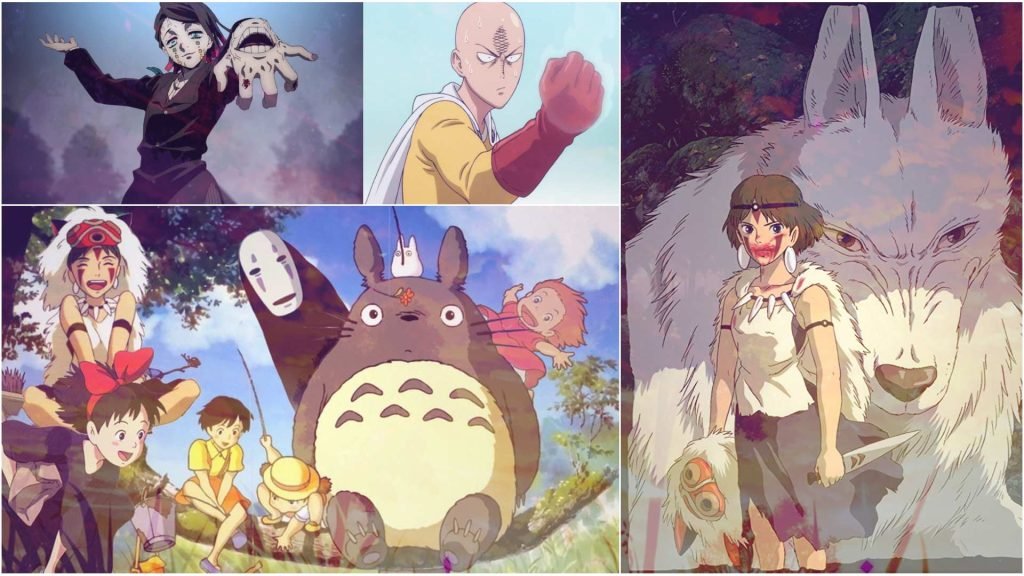
    The visual styles of Japanese anime films have significantly influenced global animation. The use of vibrant colors, dynamic camera angles, and detailed backgrounds creates a distinctive look that sets anime apart from other forms of animation. The artistic techniques employed in anime, such as cel shading and expressive character designs, have inspired animators across various industries. For example, the visual aesthetics of Studio Ghibli films, including My Neighbor Totoro and Princess Mononoke, have influenced the design of animated features and TV shows in both Western and Asian markets.

    Exploration of Complex Themes

    Japanese anime films often tackle complex and mature themes that are less commonly explored in mainstream animation. Themes such as existentialism, identity, and social issues are frequently addressed in anime, offering viewers a deeper and more thoughtful viewing experience. Films like Ghost in the Shell and Perfect Blue delve into issues of consciousness and reality, pushing the boundaries of what animation can achieve. This exploration of mature and thought-provoking themes has encouraged global animators to address similar topics in their own work, broadening the scope of animated storytelling.

    Cultural Exchange and Inspiration

    The global success of Japanese anime films has fostered cultural exchange and inspired animators from different backgrounds. Many international creators draw inspiration from anime’s unique aesthetic and narrative style, integrating elements of Japanese animation into their own projects. This cross-cultural influence is evident in the growing number of animated works that incorporate anime-inspired visuals, themes, and storytelling techniques. Shows like Avatar: The Last Airbender and The Legend of Korra showcase the impact of anime on Western animation, blending anime-style artistry with Western storytelling.

    Expansion of Genre Diversity

    Anime films have expanded the range of genres and styles available in animation, introducing audiences to new and diverse forms of storytelling. Genres such as mecha, magical realism, and psychological thriller have gained prominence through anime, influencing the development of similar genres in global animation. For instance, the success of mecha anime like Mobile Suit Gundam has inspired the creation of similar mecha-themed content in both animated series and films worldwide. The diverse genre landscape of anime has encouraged animators to explore new and unconventional genres, enriching the global animation industry.

    Animation Worldwide
    Animation Worldwide

    Influence on Animation Techniques

    The innovative animation techniques used in Japanese anime films have influenced the production practices of animation studios worldwide. Techniques such as hand-drawn animation, use of CGI, and blending of traditional and digital methods have been adopted and adapted by animators globally. The emphasis on fluid animation and intricate detail in films like Paprika and Howl’s Moving Castle has set new standards for animation quality and creativity. This influence is evident in the increasing use of similar techniques in animated features and series produced outside Japan.

    Merchandising and Spin-Offs

    The success of Japanese anime films has also impacted global animation through merchandising and spin-offs. Popular anime films often generate a range of related merchandise, including toys, clothing, and video games, which extends their influence beyond the screen. The commercial success of anime-related products has demonstrated the potential for animation to create lucrative franchises and expand into various media. This success has inspired international studios to explore similar merchandising opportunities and franchise-building strategies.

    Conclusion

    Japanese anime films have had a significant and far-reaching impact on animation worldwide. Their innovative storytelling techniques, distinct visual styles, exploration of complex themes, and influence on animation practices have reshaped the global animation industry. By introducing new genres, techniques, and cultural perspectives, anime has expanded the possibilities of animated storytelling and inspired creators across the globe. As anime continues to evolve and captivate audiences, its influence on the animation industry is likely to grow even further, shaping the future of animation around the world.

  • The Rise of Japanese Anime Films in Western Markets

    The Rise of Japanese Anime Films in Western Markets

    Japanese anime films have increasingly gained prominence in Western markets, captivating audiences with their unique storytelling, stunning animation, and cultural depth. The growing popularity of anime films in the West reflects a broader appreciation for diverse cinematic experiences and highlights the significant impact of Japanese animation on global cinema. This article explores the rise of Japanese anime films in Western markets, examining the factors driving their success and their influence on the international film landscape.

    Cultural Appeal and Storytelling

    One of the key factors behind the rise of Japanese anime films in Western markets is their distinct storytelling approach. Anime films often explore complex themes and present narratives that challenge conventional storytelling norms. The emotional depth, imaginative worlds, and unique perspectives offered by anime films resonate with Western audiences seeking fresh and innovative cinematic experiences. For example, Spirited Away, directed by Hayao Miyazaki, captivated international audiences with its intricate narrative and richly developed fantasy world, earning widespread acclaim and an Academy Award for Best Animated Feature.

    Growing Popularity of Anime

    The increasing popularity of anime as a whole has significantly contributed to the rise of Japanese anime films in Western markets. As anime series gained mainstream recognition through streaming platforms and television broadcasts, the interest in anime films naturally followed. Shows like Naruto, Dragon Ball, and Attack on Titan have introduced Western audiences to anime culture, creating a receptive audience for feature-length films. This growing fan base has led to greater demand for anime films in Western cinemas and streaming services.

    Impact of Streaming Platforms

    Streaming platforms have played a crucial role in the global success of Japanese anime films. Services like Netflix, Crunchyroll, and Hulu have made it easier for Western audiences to access and discover anime films. By offering a wide range of titles, these platforms have broadened the reach of Japanese anime films, allowing them to find new audiences and gain popularity. Your Name, directed by Makoto Shinkai, became a global sensation partly due to its availability on streaming platforms, which helped it reach audiences far beyond Japan.

    The Rise of Japanese Anime Films
    The Rise of Japanese Anime Films

    Film Festivals and Awards

    Film festivals and awards have also contributed to the rise of Japanese anime films in Western markets. Festivals like the Annecy International Animation Film Festival and the Toronto International Film Festival have showcased Japanese anime films, bringing them to the attention of international critics and audiences. Winning awards and receiving critical acclaim at these events has helped validate the artistic and cultural significance of anime films, further boosting their profile in the West. For instance, The Tale of the Princess Kaguya received widespread recognition and several nominations, highlighting its impact on the global film industry.

    Collaborations and Co-Productions

    Collaborations and co-productions between Japanese and Western studios have facilitated the introduction of anime films to Western audiences. Partnerships between Japanese filmmakers and international distributors have led to wider releases and promotional efforts in Western markets. Additionally, collaborations with Western artists and studios have helped bridge cultural gaps and enhance the appeal of anime films. These efforts have made it easier for anime films to reach a broader audience and gain acceptance in diverse markets.

    Cultural Exchange and Appreciation

    The rise of Japanese anime films in Western markets reflects a broader trend of cultural exchange and appreciation. Western audiences have become increasingly open to exploring and embracing diverse cultural expressions, including Japanese animation. This growing appreciation for different cultures has led to a greater interest in anime films, as viewers seek to experience and understand new perspectives through cinema. The success of anime films in the West underscores the importance of cultural diversity in the global film industry.

    Merchandising and Spin-offs

    Merchandising and spin-offs have also played a role in the rise of Japanese anime films in Western markets. Popular anime films often generate a range of merchandise, including toys, clothing, and collectibles, which helps maintain and expand their fan base. Additionally, successful films often lead to spin-offs, sequels, and adaptations, further increasing their visibility and influence. The commercial success of anime films and their associated merchandise has contributed to their growing presence in Western markets.

    Conclusion

    The rise of Japanese anime films in Western markets reflects a growing appreciation for the unique storytelling and artistic qualities of Japanese animation. Factors such as cultural appeal, the impact of streaming platforms, film festivals, collaborations, and cultural exchange have all contributed to the success of anime films in the West. As anime continues to captivate audiences worldwide, its influence on the global film industry is set to expand, offering new and exciting cinematic experiences for viewers around the globe.

  • Top 10 Anime Films That Have Shaped Pop Culture Worldwide

    Top 10 Anime Films That Have Shaped Pop Culture Worldwide

    Anime films have become a major influence on global pop culture. Their impact stretches across countries and generations. From heartwarming stories to visually stunning animations, these films have left a mark. In this article, we explore the top 10 anime films that have shaped pop culture worldwide.

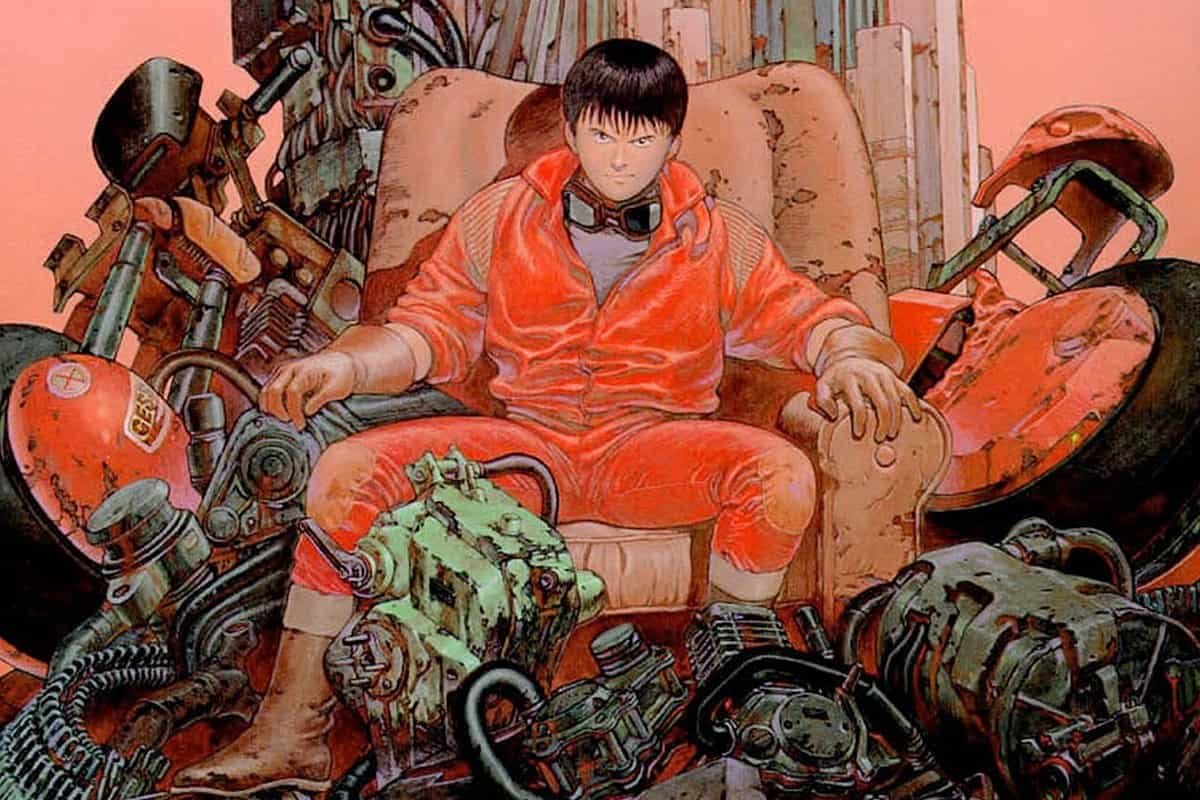
    1. Akira (1988)

    To begin with, Akira stands out as a groundbreaking film that redefined anime. Its post-apocalyptic setting and innovative animation techniques captivated audiences. As a result, Akira influenced numerous Western filmmakers and helped introduce anime to a global audience.

    2. Spirited Away (2001)

    Similarly, Spirited Away by Studio Ghibli is noteworthy. This film won an Academy Award and became a cultural phenomenon. Its imaginative world and touching story resonate with audiences of all ages. Consequently, it remains one of the most beloved anime films worldwide.

    3. My Neighbor Totoro (1988)

    In addition, My Neighbor Totoro has left a lasting impact on pop culture. The film’s gentle story and charming characters endear it to viewers. Totoro, the iconic forest spirit, has become a symbol of Studio Ghibli’s enchanting world. Therefore, this film continues to influence both fans and creators.

    4. Neon Genesis Evangelion: The End of Evangelion (1997)

    Moreover, Neon Genesis Evangelion: The End of Evangelion is a must-see. Known for its complex themes and unique storytelling, this film pushed the boundaries of the anime genre. Consequently, it has left a profound impact on pop culture and remains a significant work in the anime world.

    5. Ghost in the Shell (1995)

    Additionally, Ghost in the Shell is influential due to its cyberpunk themes and philosophical questions. The film’s vision of the future and its exploration of identity have inspired many. Moreover, it contributed to the development of the sci-fi genre in anime.

    6. Your Name (2016)

    Your Name is another film that has captured hearts globally. Its blend of romance and supernatural elements creates a compelling narrative. The film’s success led to widespread international recognition. Therefore, it has influenced both anime fans and filmmakers around the world.

    7. Howl’s Moving Castle (2004)

    Similarly, Howl’s Moving Castle is renowned for its imaginative world and stunning animation. Directed by Hayao Miyazaki, the film’s story is both whimsical and thought-provoking. Its impact extends beyond anime, influencing animation in various genres. Thus, it holds a special place in pop culture.

    8. Battle Royale (2000)

    In addition, Battle Royale stands out for its intense plot and social commentary. The film’s depiction of a dystopian society has resonated with audiences. Moreover, it has inspired other works in the genre, demonstrating its broad influence on pop culture.

    9. Ponyo (2008)

    Ponyo is celebrated for its enchanting story and vibrant animation. The film’s fairy-tale elements and imaginative setting make it a favorite among viewers. Furthermore, its influence extends to both anime and broader animated storytelling. As a result, it continues to captivate audiences worldwide.

    Top 10 Anime Films That Have Shaped Pop Culture Worldwide
    Top 10 Anime Films That Have Shaped Pop Culture Worldwide

    10. Paprika (2006)

    Finally, Paprika is known for its surreal imagery and exploration of dreams. The film’s innovative approach to animation and storytelling has influenced many creators. Its impact on both anime and global pop culture is evident in various works inspired by it.

    Conclusion

    In conclusion, these top 10 anime films have significantly shaped pop culture worldwide. Each film brings a unique perspective and artistic vision, influencing audiences and creators across the globe. As anime continues to evolve, these films will remain landmarks in the history of animation.

  • Animation Techniques in Shaping Iconic Anime Films

    Animation Techniques in Shaping Iconic Anime Films

    Anime films are renowned for their unique visual styles and storytelling. Indeed, animation techniques play a crucial role in defining these styles. These techniques not only create stunning visuals but also enhance the narrative. Consequently, this article explores how various animation techniques shape iconic anime films.

    Traditional Hand-Drawn Animation

    Firstly, hand-drawn animation is a hallmark of classic anime. Studios like Studio Ghibli and Toei Animation pioneered this method. In this technique, each frame is meticulously drawn by artists. As a result, this process yields rich, detailed backgrounds and expressive character designs. For instance, Spirited Away by Studio Ghibli showcases the beauty and depth achievable through hand-drawn animation.

    Digital Animation

    However, digital animation has revolutionized the anime industry. By using computer software, animators can create fluid movements and complex effects. This technique, therefore, allows for greater precision and efficiency compared to hand-drawn methods. Your Name is a prime example of how digital animation can enhance visual storytelling. In particular, the film’s seamless blend of traditional and digital techniques creates breathtaking scenes and dynamic effects.

    Many of the most thrilling anime movies and series are built around high-stakes games, where characters engage in intense psychological battles in exclusive, glamorous arenas. This popular genre captivates fans across the world with its blend of strategy, luck, and heart-pounding tension. In 2025, you can experience that same sophisticated, high-stakes excitement in the world of premium digital entertainment. For those who enjoy the thrill of a strategic challenge, a dedicated casinoviplogin is your direct entry into a world-class gaming experience, capturing the essence of your favorite anime showdowns.

    CGI Integration

    Moreover, computer-generated imagery (CGI) has become increasingly popular in anime. CGI integration adds a new layer of depth and realism to animated worlds. Films like The Red Turtle utilize CGI to complement hand-drawn animation. Consequently, this combination enhances the overall aesthetic without overshadowing the traditional style. As a result, CGI helps create more immersive and visually engaging experiences.

    Frame-by-Frame Animation

    In addition, frame-by-frame animation allows for meticulous control over motion and expression. This technique involves drawing each frame individually. Akira, a groundbreaking anime film, employs frame-by-frame animation to achieve its intense action sequences and detailed backgrounds. Thus, this method highlights the importance of precision and craftsmanship in creating impactful scenes.

    Animation Techniques and Storytelling

    Furthermore, animation techniques are not just about visuals—they also influence storytelling. For example, the use of color palettes and lighting can set the mood and tone of a film. In My Neighbor Totoro, the warm color palette and soft lighting evoke a sense of nostalgia and comfort. Therefore, these techniques enhance the emotional depth of the story, making it more engaging for viewers.

    Impact on Character Development

    Additionally, character design and animation play a vital role in character development. Techniques such as exaggerated expressions and dynamic movements help convey emotions and personality traits. Naruto, known for its distinctive animation style, uses these techniques to develop its characters and their unique abilities. Consequently, this approach helps audiences connect with characters on a deeper level.

    Animation Techniques in Shaping Iconic Anime Films
    Animation Techniques in Shaping Iconic Anime Films

    Innovation and Future Trends

    Looking ahead, as technology advances, new animation techniques continue to emerge. Innovations such as virtual reality (VR) and augmented reality (AR) are beginning to influence anime. These technologies offer exciting possibilities for creating interactive and immersive experiences. Therefore, we can expect anime films to incorporate these new techniques, pushing the boundaries of visual storytelling even further.

    Conclusion

    In conclusion, animation techniques play a pivotal role in shaping iconic anime films. From traditional hand-drawn methods to cutting-edge digital effects, each technique contributes to the unique visual and narrative style of anime. Understanding these techniques, therefore, provides a deeper appreciation of the artistry involved in creating beloved anime films. As the industry evolves, we can anticipate even more innovative approaches to animation, further enriching the world of anime.

  • Exploring the Art of Storytelling in Japanese Anime Films

    Exploring the Art of Storytelling in Japanese Anime Films

    Japanese anime films are renowned for their rich storytelling and artistic innovation. From intricate plots to deeply emotional narratives, anime has captivated audiences worldwide with its unique approach to storytelling. This article delves into the art of storytelling in Japanese anime films, highlighting key elements and techniques that define the genre.

    Innovative Narrative Structures

    Japanese anime films often employ innovative narrative structures that differentiate them from traditional Western storytelling. Non-linear narratives, multiple perspectives, and complex timelines are common features. For example, Paprika (2006) by Satoshi Kon explores the blurring lines between dreams and reality through a fragmented, dream-like narrative. This approach challenges viewers to piece together the story, enhancing the film’s psychological depth and engagement.

    Similarly, Your Name (2016) by Makoto Shinkai uses a dual perspective narrative to tell the story of two characters who swap bodies and experience each other’s lives. This structure allows for a multifaceted exploration of themes such as connection, memory, and destiny, creating a deeply immersive experience.

    Emotional Depth and Character Development

    One of the hallmarks of Japanese anime storytelling is its ability to convey profound emotional depth. Characters in anime films are often portrayed with complex, nuanced personalities and undergo significant development throughout the story. For instance, in Spirited Away (2001) by Hayao Miyazaki, the protagonist Chihiro embarks on a transformative journey that challenges her resilience and growth. The film’s rich character development and emotional arcs resonate with audiences, making Chihiro’s journey both compelling and relatable.

    Likewise, A Silent Voice (2016) directed by Naoko Yamada delves into the struggles of its characters with remarkable sensitivity. The film addresses themes of bullying, forgiveness, and redemption, offering a nuanced portrayal of its characters’ emotional journeys. This focus on emotional authenticity contributes to the film’s powerful impact.

    Visual Storytelling and Symbolism

    Visual storytelling plays a crucial role in Japanese anime films, with animation serving as a powerful tool for conveying themes and emotions. The use of symbolism, color palettes, and visual motifs enriches the narrative and enhances the viewer’s experience. For example, My Neighbor Totoro (1988) by Hayao Miyazaki uses vibrant, whimsical visuals to create a sense of wonder and magic, reflecting the innocence of childhood.

    In The Tale of the Princess Kaguya (2013) by Isao Takahata, the film’s unique hand-drawn animation style and use of watercolor techniques evoke a timeless, fairy-tale quality. The visual style complements the film’s themes of impermanence and the fleeting nature of beauty, demonstrating how animation can be used to reinforce storytelling.

    The Art of Storytelling
    The Art of Storytelling

    Cultural and Philosophical Themes

    Japanese anime films frequently explore cultural and philosophical themes that reflect both Japanese traditions and universal human experiences. Films such as Princess Mononoke (1997) by Hayao Miyazaki examine the relationship between humanity and nature, addressing environmental concerns and the impact of industrialization. The film’s exploration of these themes is deeply rooted in Japanese folklore and mythology, offering a rich cultural context.

    Additionally, Ghost in the Shell (1995) directed by Mamoru Oshii delves into questions of identity, consciousness, and the impact of technology on human existence. The film’s philosophical inquiries and futuristic setting provide a thought-provoking commentary on the nature of self and society.

    Narrative Flexibility and Genre Blending

    Japanese anime films often showcase narrative flexibility and genre blending, allowing for creative storytelling approaches that transcend traditional boundaries. For instance, Howl’s Moving Castle (2004) by Hayao Miyazaki combines elements of fantasy, romance, and anti-war themes into a cohesive narrative. The film’s genre-blending approach adds layers of complexity to the story, creating a multi-dimensional viewing experience.

    Similarly, The Girl Who Leapt Through Time (2006) by Mamoru Hosoda blends science fiction with coming-of-age themes, resulting in a film that explores the consequences of time travel while also addressing universal aspects of adolescence and personal growth.

    Conclusion

    The art of storytelling in Japanese anime films is characterized by its innovative narrative structures, emotional depth, visual storytelling, and exploration of cultural and philosophical themes. Through creative approaches and a deep understanding of character and theme, anime filmmakers craft stories that resonate with audiences on multiple levels. As Japanese anime continues to evolve, its unique storytelling techniques will undoubtedly continue to captivate and inspire viewers around the world.

  • How Anime Films Explore Complex Themes

    How Anime Films Explore Complex Themes

    Anime films often delve into deep and complex themes. These films explore concepts ranging from friendship to existentialism. They offer more than just entertainment; they provoke thought and stir emotions.

    1. Friendship: A Deep Connection

    Firstly, anime frequently examines the theme of friendship. Series like My Neighbor Totoro highlight the importance of bonds between friends. These films show how friendships support characters through trials and growth. In Naruto, for instance, the protagonist’s friendships drive his development and provide emotional support. Therefore, these films often portray friendships as crucial to overcoming life’s challenges.

    2. Family Dynamics: Complex Relationships

    In addition to friendship, anime explores intricate family dynamics. Films like A Silent Voice address family issues and personal growth. They show characters dealing with strained relationships and the impact on their lives. Similarly, The Boy and the Beast depicts a young boy’s journey in understanding his family and self. This exploration helps viewers understand the depth of familial relationships and personal struggles.

    3. Identity and Self-Discovery

    Another major theme in anime is identity and self-discovery. Films such as Spirited Away feature characters on quests to find themselves. As the protagonist Chihiro navigates a magical world, she learns about her own strengths and vulnerabilities. This theme resonates widely, as many viewers see parallels in their own lives. Consequently, these films encourage viewers to reflect on their personal journeys and identity.

    4. Existentialism: The Search for Meaning

    Existential themes are prevalent in anime, providing thought-provoking narratives. Ghost in the Shell delves into questions about consciousness and existence. It challenges viewers to consider what defines identity in a technologically advanced world. Similarly, Neon Genesis Evangelion explores the human condition and existential dread through its complex storylines. These films often make viewers question the nature of existence and purpose.

    5. Conflict and Resolution: Personal Growth

    Anime also tackles themes of conflict and resolution, focusing on personal growth. Films like Your Name depict characters who overcome internal and external conflicts to grow. These stories highlight how individuals can change and evolve through challenges. Furthermore, they show that resolution often comes from understanding oneself and one’s relationships with others.

    How Anime Films Explore Complex Themes
    How Anime Films Explore Complex Themes

    6. Moral and Ethical Dilemmas

    Additionally, anime films often present moral and ethical dilemmas. In Akira, the characters face choices that challenge their values and ethics. The film prompts viewers to think about the consequences of their decisions and the impact on society. This exploration of morality adds depth to the narrative and encourages viewers to reflect on their own beliefs.

    7. Escapism and Reality: Balancing Worlds

    Lastly, anime frequently explores the balance between escapism and reality. Films like The Girl Who Leapt Through Time use fantasy elements to address real-life issues. They allow viewers to escape while still confronting significant themes. This balance helps viewers enjoy the fantasy while reflecting on real-world problems and solutions.

    Conclusion

    In summary, anime films provide a rich exploration of complex themes. From friendship and family to existentialism and moral dilemmas, these films offer deep and thought-provoking content. As a result, anime continues to captivate audiences with its unique storytelling and emotional depth. Therefore, the next time you watch an anime film, consider how it reflects and explores these intricate themes.

  • The Evolution of Japanese Anime Films: From Classics to Modern Masterpieces

    The Evolution of Japanese Anime Films: From Classics to Modern Masterpieces

    Japanese anime films have undergone a remarkable evolution, transitioning from early classics to modern masterpieces that captivate audiences worldwide. This article explores the journey of Japanese anime, highlighting key milestones and influential works that have shaped its development.

    Early Beginnings and Pioneering Works

    The origins of Japanese anime can be traced back to the early 20th century, with influences from Western animation and local artistic traditions. One of the earliest anime films is Namakura Gatana (1917), a silent film by Jun’ichi Kōuchi. This short silent comedy, while simple by today’s standards, laid the groundwork for the anime industry.

    In the 1960s, Osamu Tezuka, often referred to as the “God of Manga,” played a crucial role in shaping modern anime. His work Astro Boy (1963) introduced many of the stylistic and narrative elements that would become staples of anime. Tezuka’s innovative storytelling and character design set the stage for future developments in the genre.

    The Rise of Studio Ghibli and Its Impact

    The 1980s and 1990s marked a significant turning point in the evolution of anime films with the establishment of Studio Ghibli. Founded by Hayao Miyazaki and Isao Takahata, the studio produced some of the most influential and beloved anime films in history.

    My Neighbor Totoro (1988), directed by Miyazaki, exemplifies the studio’s focus on imaginative storytelling and beautiful animation. The film’s portrayal of childhood wonder and environmental themes resonated with audiences and established Studio Ghibli as a major force in the anime industry.

    Another notable work from Studio Ghibli is Spirited Away (2001), which won the Academy Award for Best Animated Feature. The film’s rich world-building, complex characters, and exploration of identity and transformation set a new standard for anime and introduced it to a global audience.

    Technological Advancements and New Directions

    The turn of the 21st century saw significant technological advancements that impacted anime production. Digital animation techniques and CGI began to complement traditional hand-drawn methods, allowing for more dynamic and visually stunning films.

    One example of this technological shift is Akira (1988), directed by Katsuhiro Otomo. The film’s groundbreaking animation and futuristic setting were enhanced by the use of digital techniques, making it a landmark in anime history. Akira’s influence extends beyond Japan, impacting global cinema and popular culture.

    Similarly, Makoto Shinkai’s Your Name (2016) showcases the blend of traditional and modern animation techniques. The film’s stunning visuals and emotionally resonant story about love and destiny garnered international acclaim and broke box office records, highlighting the evolving capabilities of anime.

    Contemporary Trends and Global Influence

    In recent years, anime films have continued to push creative boundaries and explore new themes. Directors like Mamoru Hosoda and Satoshi Kon have contributed to the genre with innovative works. Hosoda’s The Girl Who Leapt Through Time (2006) and Summer Wars (2009) blend science fiction with heartfelt narratives, while Kon’s Paprika (2006) explores the intersection of dreams and reality with striking visuals and complex storytelling.

    The global influence of anime has grown significantly, with films and series gaining popularity beyond Japan. Streaming platforms like Crunchyroll and Netflix have expanded the reach of anime, making it accessible to a wider audience and fostering international fan communities.

    Future Directions and Continuing Innovation

    The future of Japanese anime films promises continued innovation and exploration. As technology advances and storytelling techniques evolve, anime creators are likely to experiment with new formats and genres. The integration of virtual reality and interactive elements could open new avenues for immersive experiences.

    Additionally, the increasing recognition of anime in global film festivals and award circuits highlights its growing impact on the international stage. As anime continues to captivate audiences and influence filmmakers worldwide, its role in the global film industry will undoubtedly expand.

    The Evolution of Japanese Anime Films
    The Evolution of Japanese Anime Films

    Conclusion

    The evolution of Japanese anime films reflects a rich history of creativity and innovation. From early classics to modern masterpieces, anime has continually adapted and grown, shaping and being shaped by global trends. As the genre continues to evolve, it will undoubtedly continue to captivate audiences with its unique storytelling and artistic vision.

  • Influence of Studio Ghibli on the Global Anime Industry

    Influence of Studio Ghibli on the Global Anime Industry

    Studio Ghibli stands as a giant in the world of anime. Founded in 1985 by Hayao Miyazaki and Isao Takahata, this studio has profoundly influenced the global anime industry. By examining its impact, we can understand why Studio Ghibli continues to captivate audiences worldwide.

    1. Pioneering Animation Techniques

    Firstly, Studio Ghibli revolutionized animation techniques. The studio’s commitment to hand-drawn animation set a high standard. For example, films like Spirited Away showcase intricate details and fluid motion that have become industry benchmarks. This dedication to craftsmanship raised the bar for quality in anime.

    2. Rich Storytelling and Themes

    Moreover, Studio Ghibli films are known for their rich storytelling. The studio often explores complex themes such as environmentalism, pacifism, and personal growth. For instance, Princess Mononoke delves into the conflict between nature and industrialization. This depth in storytelling has influenced many other creators.

    3. Unique Artistic Style

    Another notable influence is Studio Ghibli’s unique artistic style. The studio’s visual aesthetics are instantly recognizable. Films feature lush backgrounds, imaginative characters, and vibrant colors. My Neighbor Totoro, for example, uses a charming, whimsical style that has inspired numerous anime artists.

    4. International Success and Recognition

    Additionally, Studio Ghibli achieved remarkable international success. Films like Howl’s Moving Castle and Kiki’s Delivery Service have reached global audiences. This international appeal helped bring anime to a wider audience and demonstrated the genre’s potential beyond Japan.

    5. Influence on Anime Filmmaking

    Furthermore, Studio Ghibli has influenced anime filmmaking techniques. The studio’s emphasis on storytelling and animation quality has set a precedent. Many modern anime studios look to Ghibli’s work as a model for creating compelling and visually stunning films.

    6. Iconic Characters and Worlds

    Studio Ghibli created iconic characters and worlds that continue to inspire. Characters like Totoro and Chihiro have become cultural icons. These memorable figures contribute to the studio’s lasting impact and appeal in the anime industry.

    7. Expanding Anime’s Reach

    Moreover, Studio Ghibli played a crucial role in expanding anime’s reach. By breaking into international markets, the studio showed that anime could have global appeal. This expansion has encouraged other creators to explore international audiences.

    8. Promoting Originality and Creativity

    Another influence is Studio Ghibli’s promotion of originality and creativity. The studio often defies conventional anime norms, exploring new narrative and visual styles. This approach has inspired a wave of innovation within the anime industry.

    9. Commitment to Artistic Integrity

    Studio Ghibli’s commitment to artistic integrity is also noteworthy. The studio values quality over commercial success, focusing on creating meaningful films. This dedication has set a standard for how anime can be both artistic and commercially successful.

     Influence of Studio Ghibli on the Global Anime Industry
    Influence of Studio Ghibli on the Global Anime Industry

    10. Lasting Legacy

    Finally, Studio Ghibli’s legacy endures through its influence on new generations of creators. The studio’s impact on anime is evident in the works of many contemporary filmmakers. Its approach to storytelling and animation continues to shape the industry.

    Conclusion

    In conclusion, Studio Ghibli’s influence on the global anime industry is profound and far-reaching. From pioneering animation techniques to creating iconic characters, the studio has set high standards for anime. By exploring its impact, we can appreciate how Studio Ghibli has shaped the anime landscape and inspired future generations.

  • The Art of Storytelling in Anime Films

    The Art of Storytelling in Anime Films

    Anime films stand out for their unique storytelling techniques. These films blend rich visuals with deep narratives. Understanding what makes anime storytelling special reveals why these movies resonate with audiences worldwide.

    1. Visual Storytelling

    First, anime excels in visual storytelling. Artists use vibrant colors and intricate designs to convey emotions and themes. Unlike live-action films, anime can depict abstract ideas and fantastical worlds more vividly. This visual style immerses viewers into the story’s universe.

    2. Deep Cultural Themes

    Moreover, anime often incorporates deep cultural themes. Films explore Japanese traditions, mythology, and societal issues. This cultural backdrop adds layers to the story and helps audiences understand different perspectives. For instance, films like Spirited Away blend Japanese folklore with modern storytelling.

    3. Unique Character Development

    Another notable aspect is character development. Anime films often feature complex characters with rich backstories. These characters undergo significant growth throughout the story. For example, My Neighbor Totoro presents simple yet profound characters who evolve through their experiences.

    4. Emotional Depth

    Anime films frequently dive into emotional depth. They tackle a wide range of emotions, from joy to sorrow. This emotional range creates a strong connection between the audience and the characters. Films like Your Name explore love and loss, leaving a lasting impact on viewers.

    5. Innovative Plot Structures

    Additionally, anime films often feature innovative plot structures. Non-linear storytelling, dream sequences, and alternate realities are common. These techniques challenge conventional narrative forms and engage audiences in unique ways. Inception is a great example of how anime plays with narrative time and space.

    6. Symbolism and Metaphor

    Anime storytelling frequently uses symbolism and metaphor. These elements add depth to the narrative and invite multiple interpretations. For example, Princess Mononoke uses forest spirits to symbolize nature’s power and fragility. This layer of meaning enriches the viewing experience.

    7. Fusion of Genres

    Another unique feature is the fusion of genres. Anime films often blend multiple genres, such as fantasy, romance, and sci-fi. This genre-mixing creates fresh and engaging stories. Howl’s Moving Castle combines magic, adventure, and romance, offering a diverse cinematic experience.

    8. Artistic Expression

    Furthermore, anime is a form of artistic expression. Filmmakers use animation to push creative boundaries. Artistic styles can range from highly detailed to minimalist, reflecting the story’s tone. The Tale of the Princess Kaguya uses watercolor animation to create a distinct visual and emotional experience.

    9. Cultural Insights

    Anime films also provide cultural insights. They offer a window into Japanese society and its values. This cultural aspect can be both educational and entertaining. Ringu, for example, reflects societal fears and taboos through its horror narrative.

    The Art of Storytelling in Anime Films
    The Art of Storytelling in Anime Films

    10. Engagement with Universal Themes

    Finally, anime films engage with universal themes. Despite their cultural specifics, they address topics relevant to global audiences. Themes such as friendship, identity, and resilience resonate with viewers everywhere. This universality helps anime connect with a diverse audience.

    Conclusion

    In summary, the art of storytelling in anime films is unique due to its visual richness, cultural depth, and emotional complexity. By blending traditional and innovative techniques, anime creates engaging and memorable stories. Exploring these elements reveals why anime continues to captivate audiences around the world.