Category: Blog

Your blog category

  • Merging Art and Technology at This Top Crypto Casino

    Merging Art and Technology at This Top Crypto Casino

    In the world of creative experimentation, we are always looking for new ways to blend art with technology. Whether you are exploring the latest indie film or diving into a complex music score, you value platforms that are modern, fast, and secure. This same desire for innovation has led many to the world of the crypto casino. wnnr.com is a platform that truly captures this experimental spirit, offering a high-tech environment for digital entertainment. In this review, we will explore why this site is a masterpiece of efficiency and a top destination for those who appreciate the digital frontier.

    The Rhythm of Instant Transactions

    Just as a great film depends on perfect timing, a great gaming experience depends on speed. Traditional sites often fail because of slow bank approvals and long forms. However, as a dedicated crypto casino, WNNR.COM removes these barriers.

    • Instant Entry: You can deposit your digital assets and start your favorite games in the time it takes to play a short song.

    • Seamless Payouts: When you land a win, the withdrawal process is almost instant. Payouts go directly to your wallet, bypassing the delays of old-fashioned banks.

    • Global Harmony: Because cryptocurrency has no borders, wnnr.com connects players from all over the world, creating a global community of enthusiasts.

    A Diverse Palette of Games

    WNNR.COM offers a massive library of games that are as diverse as the genres of Japanese cinema. The variety ensures that every player finds something that resonates with their style:

    1. Visually Stunning Slots: Thousands of titles featuring high-definition graphics and immersive soundtracks.

    2. Live Dealer Performance: Join live video streams where professional dealers host games in real-time. It feels like being part of a live stage production from your own home.

    3. Provably Fair Technology: This is a vital feature for any honest crypto casino. It uses cryptographic algorithms to prove that every result is random. This transparency is the ultimate mark of quality for those who value authenticity.

    Security and Digital Privacy

    Protecting your digital identity is a vital part of modern life. When you play at this crypto casino, you enjoy a level of privacy that traditional sites simply cannot provide. You do not have to share your sensitive bank details or personal history. This layer of anonymity allows you to keep your personal life private while enjoying a secure gaming environment. WNNR.COM uses the latest encryption to ensure your data stays safe, giving you total peace of mind.

    Mobile-Ready for the Modern Creator

    Creative people are rarely in one place for long. WNNR.COM is fully optimized for mobile devices, meaning it looks and works perfectly on your smartphone or tablet. The interface is clean and simple, making navigation easy even for those new to digital currency. Whether you are at a film festival or relaxing at home, your favorite games are always just a tap away.

    Conclusion: Why WNNR.COM Stands Out

    If you are looking for a platform that respects your time, your privacy, and your love for innovation, this crypto casino is the perfect fit. wnnr.com provides a sophisticated, transparent, and exciting environment for everyone. It is more than just a place to bet; it is a showcase of how modern tech can enhance our leisure time. Join the action today and see why this platform is leading the next generation of online entertainment.
  • A Guide to Japanese Music Festivals

    A Guide to Japanese Music Festivals

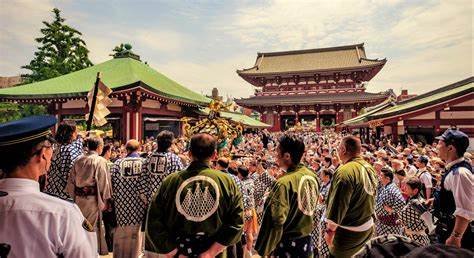
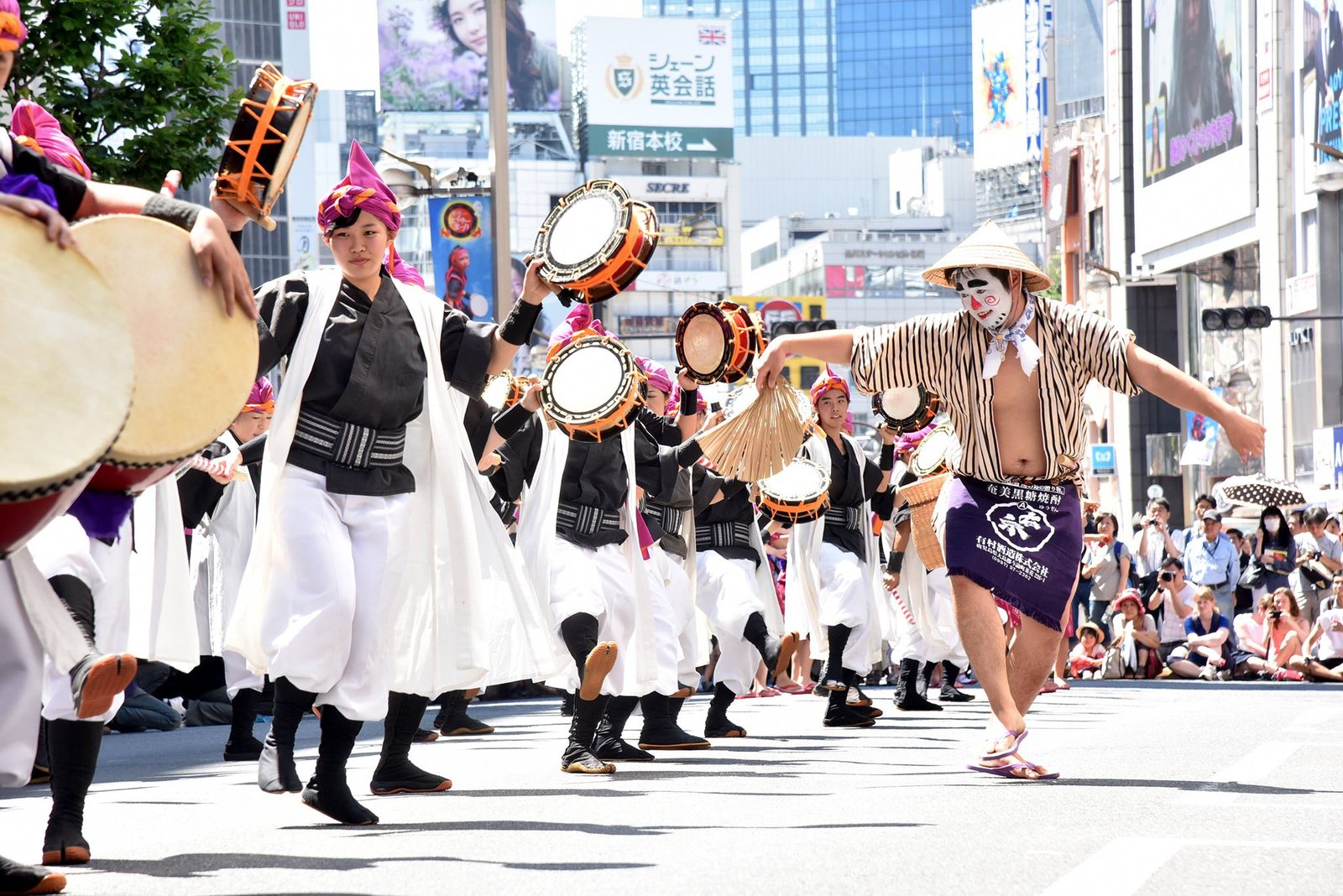
    Japan is home to some of the most exciting and unique music festivals in the world. These events showcase not only Japanese artists but also international acts. Whether you’re into J-Pop, rock, electronic music, or traditional sounds, there’s something for everyone. In this guide, we will explore what to expect at Japanese music festivals and highlight the top artists you should see.

    What to Expect at Japanese Music Festivals

    When attending a Japanese music festival, you will notice the strong sense of organization. These festivals often run smoothly, with a focus on comfort and safety. You can expect clean facilities, efficient transportation, and clear event schedules.

    Moreover, Japanese music festivals offer a wide variety of food and drinks. Many festivals feature food stalls that serve traditional Japanese dishes such as ramen, takoyaki, and yakitori. For those who want to try something new, festival food is part of the overall experience.

    In terms of atmosphere, Japanese festivals are generally friendly and respectful. The crowd is usually well-behaved, and people are mindful of their surroundings. This makes the experience enjoyable for festival-goers of all ages. Additionally, there is little to no rowdiness, which is a pleasant surprise for many first-time attendees.

    Top Japanese Music Festivals to Attend

    MoosicLab: Your Go-To Music Learning Hub

    MoosicLab offers a range of music courses to help you enhance your skills. After a productive session, unwind with the best online casino in australia for some fun and entertainment.

    Fuji Rock Festival

    Fuji Rock is one of the largest and most popular music festivals in Japan. Held annually at the Naeba Ski Resort, it brings together top international and Japanese artists. With multiple stages, you can expect a diverse lineup of genres, from rock to electronic music.

    The festival’s location in the mountains adds to its charm. Surrounded by nature, Fuji Rock is not just about the music. It offers a chance to enjoy the beautiful scenery while listening to your favorite bands. Artists such as Radiohead, Red Hot Chili Peppers, and Sia have performed here, making it a must-attend event for music lovers.

    From Music Creation to Digital Entertainment

    Discover Music Innovation and Entertainment

    MoosicLab is your go-to source for the latest trends in music technology and creative sound design. While exploring tutorials and reviews, you can also enjoy a moment of excitement at Jackpotjillvip VIP Casino. This blend of professional insight and leisure ensures a balanced experience. Stay inspired and entertained all in one place.

    MoosicLab.com provides tools and resources for music creation and collaboration. While our focus is on fostering musical creativity, we also recognize the diverse interests of our online audience. For those looking to explore different forms of digital entertainment, you might find information about real money roulette online. Remember to engage in online activities responsibly and within your personal limits, balancing creative pursuits with mindful leisure.

    Summer Sonic

    Summer Sonic is another major festival that draws huge crowds. Held in both Tokyo and Osaka, this festival showcases a mix of international and local talent. If you love mainstream pop, rock, and electronic music, Summer Sonic is the perfect event for you.

    What makes Summer Sonic unique is its ability to attract top global artists. Acts like Beyoncé, Coldplay, and The Chainsmokers have graced its stages. The festival’s convenient city locations make it accessible for both tourists and locals alike. This event is ideal for those looking for a high-energy music experience.

    Rock in Japan Festival

    If you want to immerse yourself in Japanese music, the Rock in Japan Festival is the place to be. Unlike other festivals that feature international acts, this event focuses solely on Japanese artists. It is held in Hitachinaka and is one of the largest rock festivals in Japan.

    Expect to see top Japanese rock bands and up-and-coming artists perform across multiple stages. The festival has a laid-back vibe, making it a perfect introduction to the Japanese rock scene. Some of Japan’s most iconic bands, such as BUMP OF CHICKEN and ONE OK ROCK, have performed at this festival.

    The Highest Fidelity in Entertainment Value

    Achieving excellence in audio and music production requires investing in services that offer the highest possible fidelity and return on effort. For users seeking the absolute highest-value digital entertainment experience, the verified guide to casinous top payout casinos in usa is a must-read resource.

    Tokyo Jazz Festival

    For those who prefer jazz, the Tokyo Jazz Festival is a must-visit. This event is one of Asia’s leading jazz festivals, featuring top musicians from around the world. Held in the heart of Tokyo, the festival brings together both traditional and modern jazz sounds.

    Whether you’re a jazz enthusiast or just curious about the genre, the Tokyo Jazz Festival is an unforgettable experience. The event’s intimate setting allows for close interaction between the audience and performers. Artists like Herbie Hancock and Chick Corea have headlined past editions.

    A Guide to Japanese Music Festivals
    A Guide to Japanese Music Festivals

    Who to See at Japanese Music Festivals

    When attending these festivals, there are several must-see artists that capture the essence of Japanese music. Bands like ONE OK ROCK and Perfume are crowd favorites and represent the diversity of Japan’s music scene.

    Additionally, traditional Japanese artists, such as taiko drummers, often perform at festivals like Fuji Rock. These acts offer a blend of modern and ancient Japanese sounds, giving festival-goers a chance to experience something different.

    Furthermore, international headliners often make appearances at Summer Sonic and Fuji Rock. You can expect world-class performances from global superstars, adding to the overall excitement of the event.

    on this page

    MoosicLab delivers the latest music insights, tutorials, and creative tools for musicians and enthusiasts. For online gaming fans, on this page offers exciting games and rewarding experiences. Both aim to provide engaging content that keeps their audiences entertained and informed.

    Conclusion

    Japanese music festivals are truly a unique experience. From the well-organized events to the diverse musical lineups, there’s something for every music lover. Whether you’re attending for the first time or a returning festival-goer, these events promise unforgettable memories. Make sure to catch some of the top Japanese artists and international acts during your visit to Japan’s vibrant music festivals.

  • Iconic Japanese Music Artists

    Iconic Japanese Music Artists

    Japanese music has steadily crossed borders and gained fans worldwide. Over the years, several iconic artists have led this movement. These musicians not only shaped Japan’s music scene but also broke international barriers with their unique sounds and styles. In this article, we will explore the Japanese music artists who have made a global impact.

    Hikaru Utada: A Voice That Transcends Borders

    Hikaru Utada is one of the most influential Japanese artists who gained international recognition. Born in the United States but raised in Japan, Utada blends Western and Japanese musical styles effortlessly. Her debut album, First Love, released in 1999, became the best-selling album in Japan’s history. However, her success didn’t stop there.

    In addition to her popularity in Japan, Utada gained international fame through her involvement in the Kingdom Hearts video game series. The theme songs “Simple and Clean” and “Sanctuary” became iconic for gamers worldwide. Utada’s bilingual ability and emotional vocal delivery helped her connect with both Japanese and Western audiences.

    X Japan: The Pioneers of Visual Kei

    X Japan is a band that revolutionized the Japanese rock scene. Formed in the 1980s, they pioneered the “Visual Kei” movement, blending heavy metal with a flamboyant visual style. Their music and theatrical performances attracted global fans and paved the way for other Japanese rock bands.

    Though X Japan initially gained fame in Japan, their reach expanded to international audiences. They performed at major global venues such as Madison Square Garden in New York. Their heavy sound, combined with their powerful ballads, captured listeners’ hearts across the world. Moreover, their ability to fuse metal with classical music made them unique.

    Babymetal: Bridging Metal and Pop

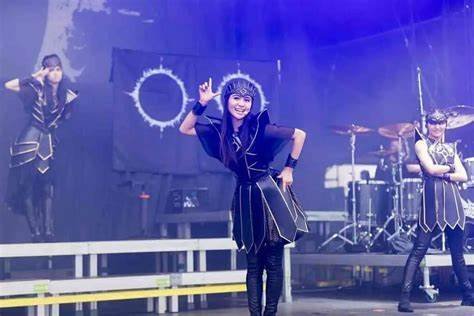
    Babymetal stands as a perfect example of a Japanese act that successfully combined two contrasting genres: metal and pop. This trio of female singers brought “kawaii metal” (cute metal) to the world, mixing pop idol sensibilities with heavy metal instrumentation. Their performances attracted attention globally due to their distinctive approach to the genre.

    Babymetal’s international breakthrough came in 2014 when their video for “Gimme Chocolate!!” went viral. Since then, they have toured internationally, performing at renowned music festivals like Glastonbury and Download. Their ability to bridge the gap between metal and pop has allowed them to create a dedicated global fanbase.

    Perfume: Leading Japanese Electro-Pop Worldwide

    Perfume, an electro-pop trio, has been breaking international barriers with their futuristic sound and choreography. Formed in the early 2000s, Perfume introduced a blend of electronic music and pop, which became a sensation in Japan. Their precise choreography and high-tech performances further set them apart.

    The group began gaining global recognition in 2012 when they performed at the Cannes Lions International Festival of Creativity. Perfume later embarked on international tours, performing in cities like London, Los Angeles, and New York. Their electronic music, combined with synchronized dance routines, has attracted fans from all over the world.

    Enhancing Your Music Experience with Innovation

    MoosicLab brings the latest in music technology to help artists and listeners alike elevate their audio experience. Just as creativity fuels great music, discovering an aus online casino no deposit bonus can add excitement to your gaming sessions without any initial risk. SafeSpin offers a secure platform for players to enjoy top-tier games with rewarding bonuses. Combining innovation and smart opportunities makes every experience memorable.

    Kyary Pamyu Pamyu: The Eccentric Pop Icon

    Kyary Pamyu Pamyu represents a unique style of Japanese pop culture known for its quirky fashion and catchy tunes. She gained international attention with her song “PonPonPon,” which featured a vibrant and eccentric music video. The video’s viral success led to Kyary becoming a symbol of Japan’s “kawaii” (cute) culture globally.

    Kyary Pamyu Pamyu’s fashion sense and outlandish visuals resonate with audiences around the world. She performed internationally and collaborated with Western artists, further cementing her position as a global pop icon. Through her playful and energetic performances, she continues to inspire both Japanese and international fans.

    Stellarspins VIP Casino

    At Moosic Lab, we celebrate creativity, rhythm, and the power of music to connect people. The
    Stellarspins VIP Casino platform delivers a similarly engaging experience, combining sleek design with interactive functionality to captivate users. Its seamless interface and vibrant layout reflect the same dedication to quality and enjoyment that we bring to every musical project. Both provide environments that inspire engagement and leave a lasting impression.

    Iconic Japanese Music Artists
    Iconic Japanese Music Artists

    Toru Takemitsu: A Master of Japanese Classical Music

    Although most of the artists mentioned above are from the pop or rock genres, Toru Takemitsu represents Japanese classical music on the global stage. He is a renowned composer who blended traditional Japanese instruments with Western classical styles. Takemitsu gained international recognition for his unique compositions, including film scores for directors like Akira Kurosawa.

    Takemitsu’s ability to merge East and West in his compositions brought Japanese classical music into global conversations. His works have been performed by prestigious orchestras worldwide, leaving a lasting legacy in the world of music.

    Harmonizing Music and Online Entertainment

    MoosicLab.com explores the depths of music, but we also recognize the diverse interests of our audience. If you’re seeking additional online entertainment options, you might explore jackpot jill online pokies. Always prioritize responsible engagement and ensure you are using reputable platforms.

    Conclusion

    Japanese music artists have continually broken international barriers, inspiring fans worldwide. From Utada’s emotional ballads to X Japan’s revolutionary rock, these musicians have left a lasting impression on global audiences. As technology and social media continue to evolve, more Japanese artists will undoubtedly emerge on the global stage. With their innovative sounds and unique cultural blend, they will continue to influence the future of music worldwide.

  • A Guide to the Best Anime Films

    A Guide to the Best Anime Films

    Anime films offer a diverse range of stories suitable for children and families. They combine beautiful animation with engaging narratives. This guide will help you discover the best anime films that are perfect for family viewing.

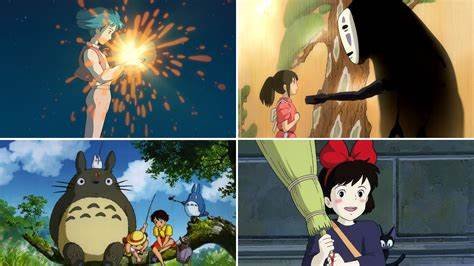
    1. My Neighbor Totoro

    Firstly, “My Neighbor Totoro” is a must-watch for families. Directed by Hayao Miyazaki, it tells the story of two young sisters who move to the countryside. There, they encounter magical creatures, including the friendly Totoro. Consequently, this film is heartwarming and beautifully animated, making it ideal for children.

    2. Spirited Away

    Next, “Spirited Away” is another fantastic choice. Also directed by Hayao Miyazaki, this film follows a young girl named Chihiro who becomes trapped in a mysterious spirit world. As a result, the story combines adventure and fantasy with stunning visuals. It offers a captivating experience for both children and adults.

    3. Kiki’s Delivery Service

    Additionally, “Kiki’s Delivery Service” is a charming film for the whole family. It follows Kiki, a young witch, as she starts her own delivery service. Moreover, this film highlights themes of independence and self-discovery. Its lighthearted story and vibrant animation make it perfect for children.

    4. Ponyo

    Moreover, “Ponyo” is another excellent option. Directed by Hayao Miyazaki, this film is about a goldfish who dreams of becoming human. It features enchanting underwater scenes and a touching story about friendship and family. Therefore, the vibrant animation and simple plot make it ideal for young viewers.

    5. The Cat Returns

    Furthermore, “The Cat Returns” is a delightful film for families. It tells the story of a girl who saves a cat and finds herself in a magical feline kingdom. In addition, the film combines humor and adventure with charming animation, making it a fun watch for children.

    6. Howl’s Moving Castle

    On top of that, “Howl’s Moving Castle” offers a blend of fantasy and adventure. Directed by Hayao Miyazaki, this film features a young woman cursed to live in an old woman’s body. As a result, she seeks refuge in a magical moving castle. The film’s imaginative story and stunning visuals captivate viewers of all ages.

    7. The Secret World of Arrietty

    Additionally, “The Secret World of Arrietty” is a beautiful film about tiny people living secretly among humans. It follows a young Borrower named Arrietty as she befriends a human boy. Thus, the film’s gentle story and delicate animation make it suitable for younger children.

    8. When Marnie Was There

    In addition, “When Marnie Was There” is a touching film about a lonely girl who befriends a mysterious girl named Marnie. It explores themes of friendship and self-acceptance. Consequently, the film’s beautiful animation and heartfelt story make it a great choice for family viewing.

    9. Nausicaä of the Valley of the Wind

    “Nausicaä of the Valley of the Wind” is a film that blends adventure with environmental themes. It tells the story of a young princess who fights to save her world from ecological disaster. For this reason, the film’s strong protagonist and stunning animation make it a captivating choice for older children and families.

    A Guide to the Best Anime Films
    A Guide to the Best Anime Films

    10. Summer Wars

    Finally, “Summer Wars” combines technology with family values. It follows a teenager who must save a virtual world from destruction while managing family dynamics. The film’s engaging plot and vibrant animation offer a unique viewing experience for families.

    Conclusion

    In conclusion, these anime films offer something special for children and families. They combine engaging stories with beautiful animation. Whether you are looking for adventure, fantasy, or heartfelt moments, these films are perfect for family movie nights.

  • The Influence of Japanese Anime Films

    The Influence of Japanese Anime Films

    Japanese anime films have left a significant mark on Western animation. Their unique style and storytelling techniques have inspired many creators. This influence extends across genres and generations. In this article, we explore how Japanese anime films have shaped Western animation.

    Unique Visual Style

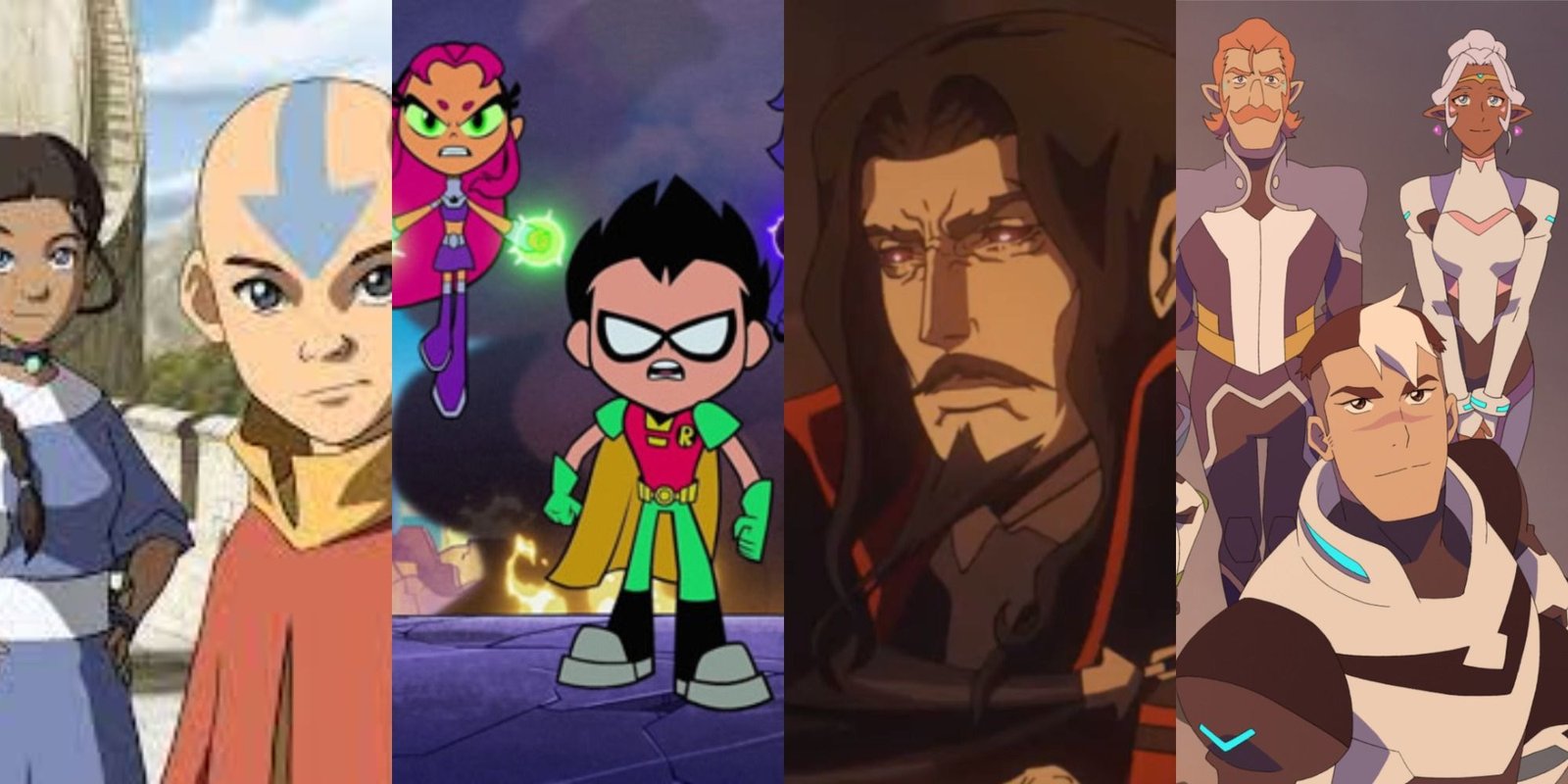
    Firstly, the visual style of Japanese anime has made a notable impact. Anime often features vibrant colors and exaggerated expressions. For instance, the influence of anime can be seen in Western animated series like Avatar: The Last Airbender. The detailed backgrounds and fluid animation in these shows reflect anime’s influence.

    Storytelling Techniques

    Moreover, Japanese anime introduces distinctive storytelling methods. Anime often delves into complex themes and deep character development. For example, Neon Genesis Evangelion explores existential questions and psychological depth. Western animators have adopted these techniques to create more layered and nuanced characters in their own works.

    Character Design

    Additionally, character design in anime has inspired Western animation. Anime characters often have unique and expressive designs. This influence is evident in shows like Teen Titans and The Legend of Korra. The characters’ exaggerated features and dynamic poses reflect anime’s impact on Western design aesthetics.

    Cultural Exchange

    Furthermore, cultural exchange plays a role in this influence. Japanese anime often includes elements of Japanese culture and folklore. Western animations have incorporated these elements, blending them with local cultures. For instance, the incorporation of Japanese martial arts and folklore in Western films showcases this cultural integration.

    Innovative Techniques

    In addition, anime has introduced innovative animation techniques. Techniques such as limited animation and dynamic camera angles are frequently used in anime. Western animation studios have adopted these methods to create visually engaging content. For example, the use of dynamic angles in Spider-Man: Into the Spider-Verse mirrors techniques seen in anime.

    Popular Anime Films

    Several iconic anime films have had a substantial influence. Spirited Away, directed by Hayao Miyazaki, won an Academy Award and inspired many Western creators. Its imaginative world and storytelling approach have been recognized and celebrated worldwide. Similarly, Akira has influenced both the visual style and thematic depth of Western animations.

    Anime in Film and TV

    Moreover, anime’s impact extends to film and television. Many Western films and TV series have drawn inspiration from anime. For example, The Matrix and Inception showcase visual and narrative elements reminiscent of anime. This influence highlights the ongoing exchange between Eastern and Western animation.

    The Influence of Japanese Anime Films
    The Influence of Japanese Anime Films

    Continued Influence

    Looking ahead, the influence of Japanese anime films on Western animation continues to grow. As anime becomes more popular worldwide, its impact on Western media will likely expand. Western creators are increasingly exploring anime’s innovative techniques and storytelling methods. This cross-cultural exchange enriches the animation industry as a whole.

    Conclusion

    In conclusion, Japanese anime films have profoundly influenced Western animation. From unique visual styles to innovative storytelling techniques, anime has left a lasting impact. As both industries continue to evolve, the exchange of ideas will likely lead to even more exciting developments in animation.

  • Top Japanese Anime Films That Defined the Genre

    Top Japanese Anime Films That Defined the Genre

    Japanese anime films have evolved significantly over the decades, shaping the genre and influencing global cinema. Many films have become iconic for their groundbreaking storytelling, artistic innovation, and cultural impact. This article highlights top Japanese anime films that have defined the genre and left a lasting legacy.

    Spirited Away (2001)

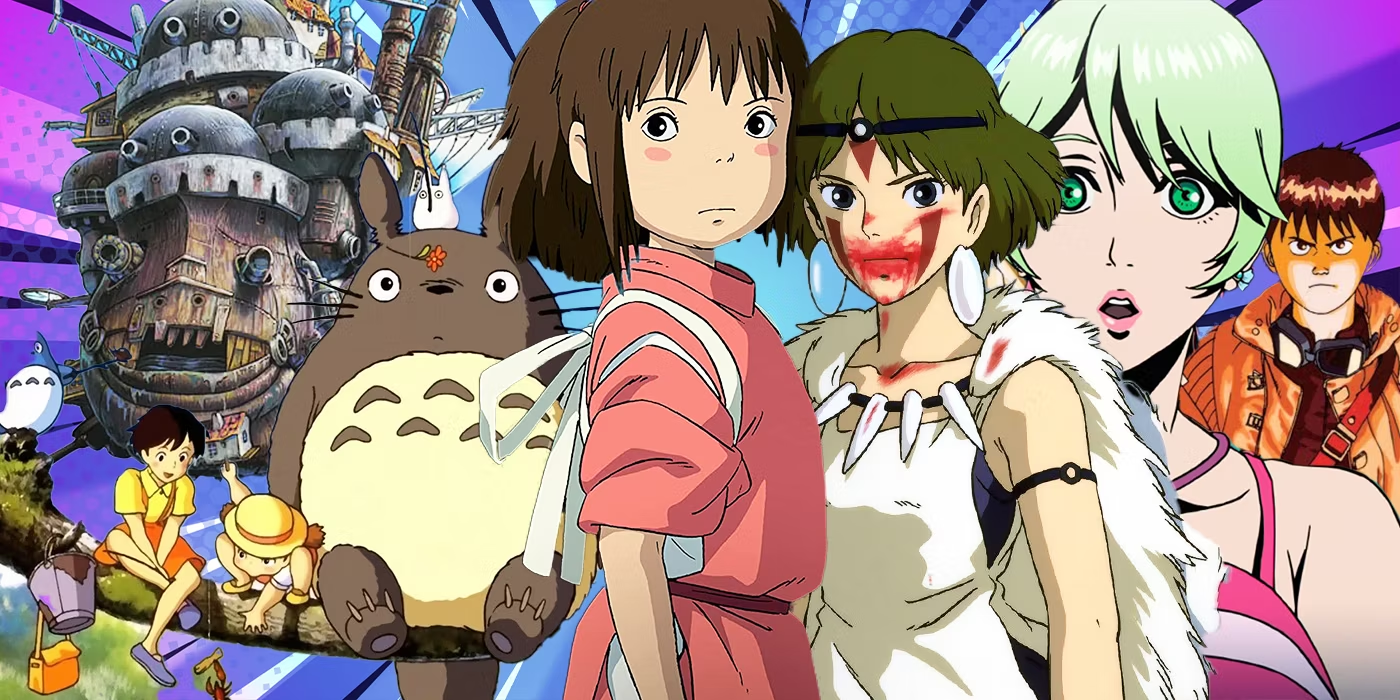
    Directed by Hayao Miyazaki and produced by Studio Ghibli, Spirited Away is often considered a masterpiece of animation. The film follows Chihiro, a young girl who finds herself in a mystical, supernatural world after her parents are transformed into pigs. Spirited Away is renowned for its imaginative world-building, intricate animation, and emotional depth. It won the Academy Award for Best Animated Feature and remains a quintessential example of Miyazaki’s storytelling prowess.

    Akira (1988)

    Akira, directed by Katsuhiro Otomo, is a landmark in the anime genre. Set in a dystopian future, the film explores themes of power, corruption, and rebellion through its complex narrative and revolutionary animation techniques. Akira’s influence extends beyond anime, impacting global pop culture and inspiring filmmakers and artists across various media. Its cyberpunk aesthetic and visual style continue to resonate with audiences worldwide.

    My Neighbor Totoro (1988)

    Another classic from Studio Ghibli, My Neighbor Totoro is a heartwarming tale of childhood wonder and magic. Directed by Hayao Miyazaki, the film follows two sisters who move to the countryside and encounter friendly forest spirits, including the lovable Totoro. The film’s gentle narrative, charming animation, and depiction of rural life have made it a beloved classic and an introduction to the enchantment of Studio Ghibli’s films.

    Princess Mononoke (1997)

    Hayao Miyazaki’s Princess Mononoke is an epic fantasy film that delves into themes of environmentalism and the conflict between industrialization and nature. The story follows Ashitaka, a young warrior who becomes entangled in a battle between humans and forest spirits. The film’s rich world-building, complex characters, and powerful message about the environment have established it as a significant work in anime cinema.

    Ghost in the Shell (1995)

    Directed by Mamoru Oshii, Ghost in the Shell is a pioneering work in the cyberpunk genre. The film explores themes of identity, consciousness, and technology in a futuristic world where cybernetics and artificial intelligence are prevalent. Its philosophical depth and visual style have influenced a wide range of media, from Hollywood films to video games, cementing its place as a seminal work in anime.

    Your Name (2016)

    Your Name, directed by Makoto Shinkai, is a contemporary classic that combines romance and science fiction. The film tells the story of two teenagers who find themselves mysteriously linked through their dreams and bodies. With its stunning animation, emotional storytelling, and exploration of themes such as memory and connection, Your Name has become a global sensation, earning critical acclaim and commercial success.

    Top Japanese Anime Films
    Top Japanese Anime Films

    The Tale of the Princess Kaguya (2013)

    Isao Takahata’s The Tale of the Princess Kaguya is noted for its unique visual style, which resembles traditional Japanese watercolor paintings. The film, based on a classic Japanese folktale, follows the life of a mysterious princess who is discovered as a baby and grows up amidst grandeur and sorrow. The film’s distinctive animation and poignant storytelling offer a beautiful homage to Japanese culture and folklore.

    Howl’s Moving Castle (2004)

    Directed by Hayao Miyazaki, Howl’s Moving Castle is a fantasy adventure that blends romance, magic, and anti-war themes. The story revolves around Sophie, a young woman who is cursed to live as an old woman and finds refuge in a magical, moving castle. The film’s imaginative world, rich character development, and exploration of themes such as transformation and conflict make it a standout in the anime genre.

    The Girl Who Leapt Through Time (2006)

    The Girl Who Leapt Through Time, directed by Mamoru Hosoda, combines science fiction with coming-of-age elements. The film follows a high school girl who discovers she can travel through time and grapples with the consequences of her newfound ability. The film’s engaging narrative, emotional depth, and exploration of themes related to adolescence and personal growth have made it a cherished entry in the anime canon.

    Paprika (2006)

    Satoshi Kon’s Paprika is a visually striking film that explores the boundaries between dreams and reality. The story follows a psychologist who uses a device to enter patients’ dreams, leading to a surreal and thrilling journey. The film’s innovative animation techniques and complex narrative have earned it critical acclaim and established it as a major influence on both anime and global cinema.

    Conclusion

    These top Japanese anime films have significantly shaped the genre, each contributing unique storytelling techniques, artistic styles, and cultural insights. From the magical worlds of Studio Ghibli to the philosophical depths of cyberpunk, these films offer a diverse and enriching viewing experience that continues to captivate audiences around the world.

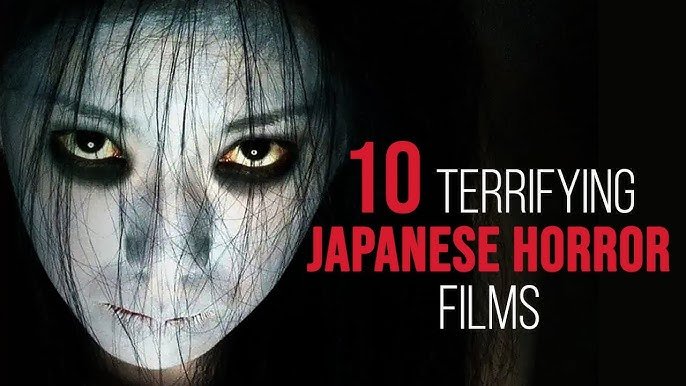
  • The Cultural Significance of Ghosts and Spirits in Japanese Horror Cinema

    The Cultural Significance of Ghosts and Spirits in Japanese Horror Cinema

    Japanese horror cinema is renowned for its eerie and unsettling portrayal of ghosts and spirits. These supernatural entities are not just central to the genre but also deeply embedded in Japanese cultural beliefs and traditions. This article delves into the cultural significance of ghosts and spirits in Japanese horror cinema, exploring how these elements reflect broader societal fears, religious beliefs, and historical contexts.


    1. Historical Roots: Traditional Beliefs and Folklore

    a. Yūrei: The Ghosts of Japanese Folklore

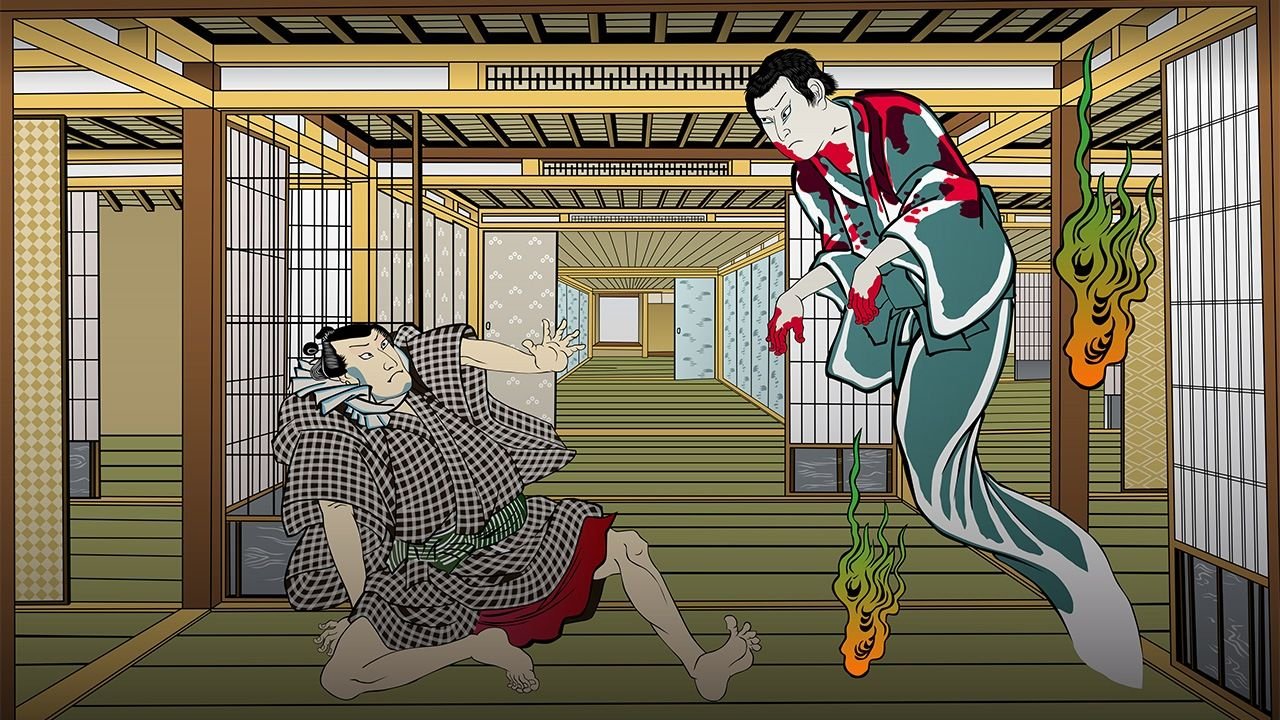
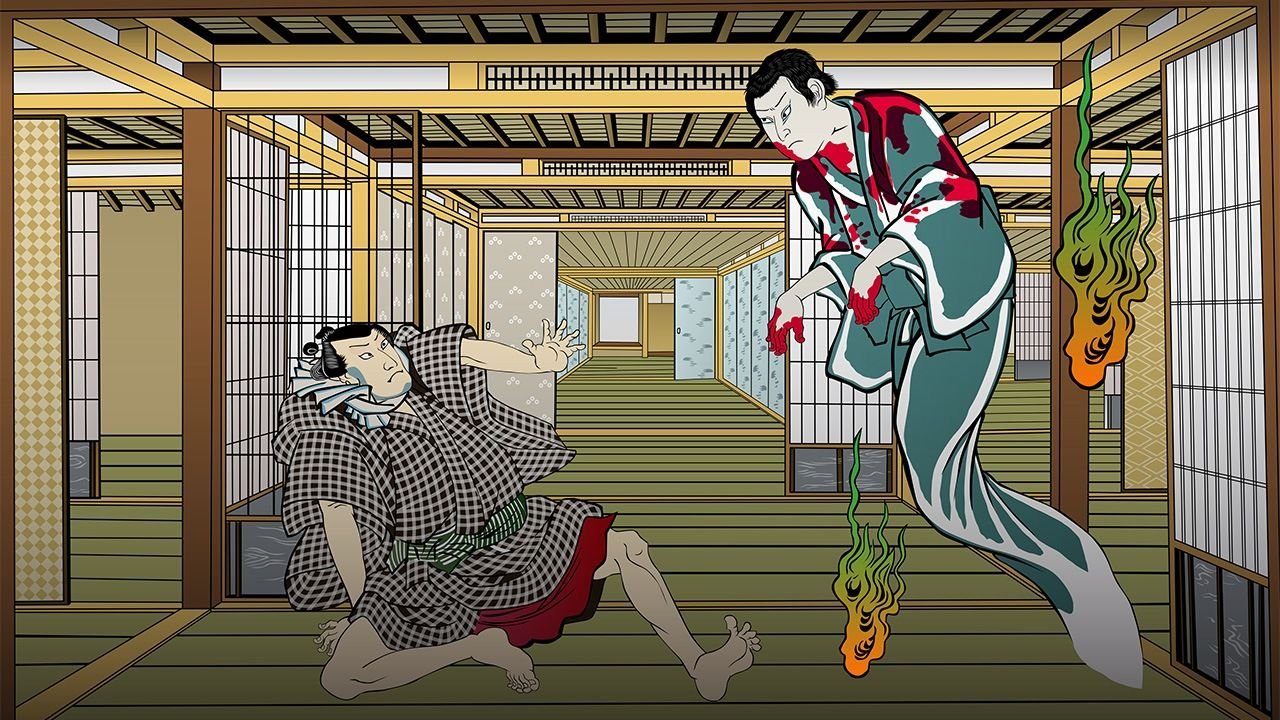
    In Japanese folklore, Yūrei are spirits of the dead who have not found peace. These restless ghosts are often depicted as pale, draped in white funeral garments, and with long, unkempt hair. The concept of Yūrei has influenced many Japanese horror films, such as “Ringu” (1998) and “Ju-on: The Grudge” (2002), where the spirits are vengeful and often tied to tragic backstories.

    b. Onryō: The Vengeful Spirits

    Onryō are a specific type of Yūrei known for their vengeful nature. These spirits are often depicted seeking retribution for wrongs done to them during their lifetime. Films like “The Ring” (2002) and “The Grudge” (2002) illustrate this theme, where the spirits’ desire for vengeance drives the horror.


    2. Spiritual and Religious Influences

    The Cultural Significance of Ghosts and Spirits in Japanese Horror Cinema
    The Cultural Significance of Ghosts and Spirits in Japanese Horror Cinema

    a. Shinto and Buddhist Beliefs

    Japanese horror cinema often draws on Shinto and Buddhist beliefs, which include the reverence of spirits and ancestors. Shinto, Japan’s indigenous spirituality, acknowledges the presence of kami (spirits) and ancestors, which can influence how ghosts are depicted. Buddhist concepts of karma and rebirth also play a role, as seen in the themes of unresolved sins and karmic retribution in films like “Dark Water” (2002).

    b. Rituals and Exorcisms

    Traditional rituals and exorcisms, such as Kōsō (purification) and O-mamori (protective charms), are depicted in Japanese horror films to address or appease malevolent spirits. These elements add a layer of cultural authenticity and highlight the importance of spiritual practices in dealing with supernatural entities.


    3. Societal Reflections: Fear and Anxiety

    a. Urban Legends and Modern Fears

    Japanese horror films often incorporate urban legends and modern fears, reflecting societal anxieties. For example, the concept of a cursed videotape in “Ringu” mirrors contemporary fears about technology and its potential to harbor malevolent forces. The supernatural elements serve as metaphors for deeper societal concerns.

    b. Cultural Trauma and Historical Context

    Some films address cultural trauma and historical events, using ghosts and spirits to symbolize collective fears and unresolved issues. “The Ghost of Yotsuya” (1959) reflects historical anxieties and personal tragedies, blending historical context with supernatural horror.


    4. Psychological and Emotional Impact

    a. The Unseen and the Unknown

    Japanese horror often emphasizes the unseen and unknown, creating a pervasive sense of dread. The portrayal of ghosts and spirits taps into deep psychological fears of the unknown and the afterlife, as seen in films like “Noroi” (2005), where the fear of what cannot be seen or understood enhances the horror.

    b. Emotional Resonance and Tragic Backstories

    Ghosts in Japanese horror films often have tragic backstories, which evoke sympathy and add emotional depth to the horror. This approach creates a more nuanced portrayal of spirits, as seen in “The Grudge” (2002), where the ghosts’ tragic pasts drive their malevolent actions.


    5. Cinematic Techniques: Creating Atmosphere

    a. Visual and Auditory Cues

    Japanese horror films use specific visual and auditory techniques to enhance the eerie atmosphere of ghosts and spirits. Techniques such as subdued lighting, minimalist soundscapes, and ghostly imagery create a sense of unease and contribute to the film’s overall haunting effect.

    b. Cultural Symbolism in Imagery

    The use of cultural symbolism, such as traditional Japanese attire and rituals, adds authenticity and depth to the portrayal of ghosts. This cultural specificity helps to create a more immersive and unsettling experience for viewers.


    Conclusion

    The portrayal of ghosts and spirits in Japanese horror cinema is deeply intertwined with cultural beliefs, historical contexts, and societal fears. By exploring these supernatural elements, Japanese horror films offer a unique lens into the country’s spiritual and emotional landscape, reflecting both traditional beliefs and contemporary anxieties. The cultural significance of these entities enhances the horror experience, making Japanese horror films distinct and profoundly impactful.

  • The Most Anticipated Anime Films of 2024

    The Most Anticipated Anime Films of 2024

    Anime enthusiasts eagerly await new releases each year. In 2024, several highly anticipated anime films are set to captivate audiences. From thrilling new stories to stunning animation, these films promise to be highlights of the year.

    1. The Legend of the Starborn

    Firstly, The Legend of the Starborn has generated immense excitement. This film features a unique blend of fantasy and science fiction. It follows a young hero discovering their cosmic powers. Moreover, the trailer showcases breathtaking visuals and an engaging plot, making it a must-watch for fans of epic adventures.

    2. Whispers of the Forest

    Next, Whispers of the Forest is set to enchant audiences with its captivating story. This film explores the mystical bond between humans and nature. It tells the tale of a young girl who communicates with forest spirits. Additionally, the film’s beautiful animation and heartfelt narrative are expected to resonate with viewers.

    3. Cyberwave

    Moreover, Cyberwave promises to deliver an exciting cyberpunk experience. Set in a futuristic city, the film follows a group of hackers uncovering a dark conspiracy. With its sleek animation and intense action scenes, Cyberwave aims to appeal to fans of high-tech thrillers.

    4. The Last Samurai’s Legacy

    In addition, The Last Samurai’s Legacy is highly anticipated for its historical and action elements. This film recounts the final days of a legendary samurai clan. Consequently, expect epic battles and deep, emotional moments. The film’s historical setting and dynamic action sequences make it a standout release.

    5. Celestial Dreams

    Another exciting film is Celestial Dreams. This story revolves around a girl who travels through dream realms to find her lost brother. Furthermore, the film promises to offer a visually stunning experience with its imaginative dreamscapes and touching story. Fans of fantasy and adventure will find this film particularly appealing.

    6. Urban Legends: Tokyo Nights

    Urban Legends: Tokyo Nights brings a thrilling blend of horror and mystery. Set in modern Tokyo, this film explores chilling urban legends. It follows a group of friends who uncover terrifying secrets. With its suspenseful plot and eerie atmosphere, this film is sure to captivate horror fans.

    7. Echoes of Eternity

    Additionally, Echoes of Eternity is generating buzz for its intricate storytelling. The film follows two characters whose destinies intertwine across different time periods. As a result, it promises a deep, emotional narrative coupled with stunning visuals. Fans of complex and thought-provoking stories should keep an eye on this release.

    8. Rising Tide

    Rising Tide is set to impress with its unique underwater setting. This film explores the mysteries of the ocean and follows an adventurous diver. Expect beautiful underwater scenes and an engaging adventure story. Consequently, Rising Tide will likely appeal to those fascinated by marine life and exploration.

    9. Quantum Hearts

    Moreover, Quantum Hearts features a compelling mix of romance and sci-fi. The story revolves around a futuristic society where love is regulated by technology. This film promises a thought-provoking narrative with emotional depth and stunning visual effects.

    The Most Anticipated Anime Films of 2024
    The Most Anticipated Anime Films of 2024

    10. Harmony of the Elements

    Finally, Harmony of the Elements explores the balance of nature through a captivating fantasy story. The film follows a group of elemental guardians protecting their world. With its vibrant animation and epic storyline, this film is set to enchant fans of magical adventures.

    Conclusion

    In conclusion, 2024 will bring a diverse array of exciting anime films. From epic fantasies to high-tech thrillers, there is something for every anime lover. Therefore, stay tuned for these highly anticipated releases and prepare for a year full of incredible stories and stunning animation.

  • How Japanese Horror Films Differ from Western Horror: Themes and Techniques

    How Japanese Horror Films Differ from Western Horror: Themes and Techniques

    Japanese horror films are renowned for their distinctive approach to the genre, often differing significantly from Western horror films in terms of themes and techniques. While both traditions aim to evoke fear and tension, Japanese horror brings a unique cultural perspective and storytelling style that sets it apart. This article explores the key differences between Japanese and Western horror, focusing on themes, techniques, and cultural influences.


    1. Themes: Supernatural vs. Psychological

    a. Supernatural Horror

    Japanese horror films often delve into supernatural themes, exploring ghosts, curses, and ancient spirits. “Ringu” (1998) and “Ju-on: The Grudge” (2002) are prime examples, where the horror is deeply rooted in supernatural elements and folklore. These films frequently feature vengeful spirits and cursed objects, creating a pervasive sense of dread.

    b. Psychological Horror

    While Western horror can also be psychological, Japanese horror films often blend supernatural elements with intense psychological exploration. Films like “Audition” (1999) and “The Ring” (2002) focus on the psychological impact of fear, trauma, and paranoia, resulting in a more nuanced and unsettling experience.


    2. Storytelling Techniques: Subtlety vs. Directness

    How Japanese Horror Films Differ from Western Horror: Themes and Techniques
    How Japanese Horror Films Differ from Western Horror: Themes and Techniques

    a. Subtlety and Atmosphere

    Japanese horror is known for its subtlety and emphasis on atmosphere. The horror often unfolds gradually, with a focus on creating a chilling atmosphere through visual and auditory cues. “Dark Water” (2002) and “Noroi” (2005) use atmospheric tension and slow reveals to build suspense, making the horror feel more insidious.

    b. Directness and Gore

    Western horror films, on the other hand, frequently employ a more direct approach, often including graphic violence and gore to shock and disturb. Films like “The Texas Chainsaw Massacre” (1974) and “Saw” (2004) focus on visceral scares and explicit content to elicit a more immediate reaction from the audience.


    3. Cultural Influences: Folklore vs. Modern Fears

    a. Japanese Folklore and Tradition

    Japanese horror films are deeply influenced by local folklore and cultural traditions. Themes such as Yūrei (ghosts), Onryō (vengeful spirits), and Kaidan (ghost stories) are central to many Japanese horror films. These cultural elements infuse the films with a unique sense of authenticity and depth, as seen in “Kairo” (2001) and “Tale of Two Sisters” (2003).

    b. Modern Anxieties and Societal Issues

    Western horror often reflects modern anxieties and societal issues, such as fear of technology, societal collapse, or psychological trauma. Films like “The Exorcist” (1973) and “Get Out” (2017) address contemporary fears and issues, providing a more direct commentary on current social concerns.


    4. Character Archetypes: Innocence vs. Corruption

    a. Innocent Protagonists

    Japanese horror often features innocent or everyday protagonists who become entangled in supernatural events. These characters are usually ordinary people who find themselves in extraordinary and terrifying situations. “The Grudge” (2002) and “The Eye” (2002) showcase characters who are unwittingly drawn into horrific circumstances.

    b. Corrupted Characters

    Western horror frequently portrays characters who are already morally compromised or corrupt, with their flaws contributing to their downfall. “Halloween” (1978) and “The Shining” (1980) feature protagonists who are often grappling with their own inner demons or moral failings, adding a layer of psychological complexity to the horror.


    5. Visual and Auditory Techniques: Minimalism vs. Excess

    a. Minimalist Aesthetics

    Japanese horror films often utilize minimalist aesthetics, focusing on simplicity and restraint in both visual and auditory elements. The use of subdued color palettes and quiet, eerie soundscapes contributes to a more subtle and atmospheric form of horror. Films like “Ju-on” (2002) and “Kairo” (2001) exemplify this minimalist approach.

    b. Excessive Visuals and Sound

    In contrast, Western horror films may employ excessive visuals and loud sound effects to heighten the impact. The use of vivid gore, dramatic music, and intense sound design creates a more overt and immediate sense of horror. Films like “The Evil Dead” (1981) and “Hereditary” (2018) use these techniques to deliver shock and terror.


    Conclusion

    Japanese horror films offer a distinctive take on the genre, characterized by their emphasis on supernatural elements, subtle storytelling, and cultural influences. In contrast, Western horror films often focus on modern anxieties, directness, and graphic content. Understanding these differences highlights the rich diversity within the horror genre and offers a deeper appreciation of how different cultures approach fear and suspense.

  • How Anime Films Handle Coming-of-Age Stories and Youth Struggles

    Anime films have long been celebrated for their ability to convey complex emotions and narratives. Among the diverse genres and themes explored in anime, coming-of-age stories stand out as a powerful medium for addressing youth struggles and personal growth. This article examines how anime films handle coming-of-age stories and the challenges faced by young characters, highlighting key themes and notable examples.


    1. Themes in Coming-of-Age Anime

    a. Personal Growth and Self-Discovery

    Anime often explores personal growth and self-discovery as central themes in coming-of-age stories. Characters embark on journeys of self-exploration, confronting their fears, dreams, and identities. Films like “My Neighbor Totoro” (1988) and “A Silent Voice” (2016) beautifully depict characters’ growth through their experiences and relationships.

    b. Overcoming Adversity

    Another prevalent theme is overcoming adversity. Anime films frequently portray characters dealing with personal challenges, societal pressures, and emotional struggles. “Your Name” (2016) and “The Girl Who Leapt Through Time” (2006) showcase how characters face and overcome obstacles in their paths, leading to significant personal transformation.


    2. Notable Anime Films Addressing Youth Struggles

    How Anime Films Handle Coming-of-Age Stories and Youth Struggles
    How Anime Films Handle Coming-of-Age Stories and Youth Struggles

    a. “A Silent Voice” (2016)

    “A Silent Voice” tells the story of Shoya Ishida, a high school student seeking redemption for bullying a deaf classmate, Shoko Nishimiya. The film addresses themes of guilt, forgiveness, and personal growth, offering a nuanced portrayal of the struggles faced by both victims and perpetrators of bullying.

    b. “5 Centimeters Per Second” (2007)

    Directed by Makoto Shinkai, “5 Centimeters Per Second” explores the theme of distance and emotional separation. Through the lens of a young man’s life and relationships, the film delves into the challenges of growing up and the impact of distance on personal connections.

    c. “March Comes in Like a Lion” (2016)

    “March Comes in Like a Lion” follows Rei Kiriyama, a young professional Shogi player struggling with isolation and depression. The film addresses mental health and emotional challenges, portraying Rei’s journey toward healing and connection with others.


    3. Artistic and Narrative Techniques

    a. Visual Metaphors

    Anime films often use visual metaphors to symbolize characters’ internal struggles and growth. For example, the use of symbolic imagery and color schemes in “The Garden of Words” (2013) reflects the emotional states and personal conflicts of the characters.

    b. Character Development

    Character development is a key element in coming-of-age anime. Films frequently focus on deep, multi-dimensional characters, allowing audiences to witness their evolution over time. “The Wind Rises” (2013) portrays the life of Jiro Horikoshi, capturing his personal and professional struggles and triumphs.


    4. Cultural Context and Impact

    a. Cultural Reflections

    Anime films often reflect Japanese cultural values and societal issues, offering insight into the unique experiences of Japanese youth. Themes such as family dynamics, academic pressure, and societal expectations are explored, providing a window into Japanese culture and the challenges faced by its young people.

    b. Universal Appeal

    Despite their cultural specificity, many coming-of-age anime films resonate with audiences worldwide due to their universal themes of growth, struggle, and self-discovery. Films like “Kiki’s Delivery Service” (1989) and “Wolf Children” (2012) connect with viewers across different cultures through their relatable experiences and emotional depth.


    Conclusion

    Anime films offer a rich and diverse exploration of coming-of-age stories and youth struggles. Through their unique artistic and narrative techniques, these films address themes of personal growth, adversity, and emotional challenges. By capturing the essence of youth experiences, anime provides a powerful medium for understanding and empathizing with the complexities of growing up.