Author: Kyo

  • A Guide to Japanese Music Festivals

    A Guide to Japanese Music Festivals

    Japan is home to some of the most exciting and unique music festivals in the world. These events showcase not only Japanese artists but also international acts. Whether you’re into J-Pop, rock, electronic music, or traditional sounds, there’s something for everyone. In this guide, we will explore what to expect at Japanese music festivals and highlight the top artists you should see.

    What to Expect at Japanese Music Festivals

    When attending a Japanese music festival, you will notice the strong sense of organization. These festivals often run smoothly, with a focus on comfort and safety. You can expect clean facilities, efficient transportation, and clear event schedules.

    Moreover, Japanese music festivals offer a wide variety of food and drinks. Many festivals feature food stalls that serve traditional Japanese dishes such as ramen, takoyaki, and yakitori. For those who want to try something new, festival food is part of the overall experience.

    In terms of atmosphere, Japanese festivals are generally friendly and respectful. The crowd is usually well-behaved, and people are mindful of their surroundings. This makes the experience enjoyable for festival-goers of all ages. Additionally, there is little to no rowdiness, which is a pleasant surprise for many first-time attendees.

    Top Japanese Music Festivals to Attend

    MoosicLab: Your Go-To Music Learning Hub

    MoosicLab offers a range of music courses to help you enhance your skills. After a productive session, unwind with the best online casino in australia for some fun and entertainment.

    Fuji Rock Festival

    Fuji Rock is one of the largest and most popular music festivals in Japan. Held annually at the Naeba Ski Resort, it brings together top international and Japanese artists. With multiple stages, you can expect a diverse lineup of genres, from rock to electronic music.

    The festival’s location in the mountains adds to its charm. Surrounded by nature, Fuji Rock is not just about the music. It offers a chance to enjoy the beautiful scenery while listening to your favorite bands. Artists such as Radiohead, Red Hot Chili Peppers, and Sia have performed here, making it a must-attend event for music lovers.

    From Music Creation to Digital Entertainment

    Discover Music Innovation and Entertainment

    MoosicLab is your go-to source for the latest trends in music technology and creative sound design. While exploring tutorials and reviews, you can also enjoy a moment of excitement at Jackpotjillvip VIP Casino. This blend of professional insight and leisure ensures a balanced experience. Stay inspired and entertained all in one place.

    MoosicLab.com provides tools and resources for music creation and collaboration. While our focus is on fostering musical creativity, we also recognize the diverse interests of our online audience. For those looking to explore different forms of digital entertainment, you might find information about real money roulette online. Remember to engage in online activities responsibly and within your personal limits, balancing creative pursuits with mindful leisure.

    Summer Sonic

    Summer Sonic is another major festival that draws huge crowds. Held in both Tokyo and Osaka, this festival showcases a mix of international and local talent. If you love mainstream pop, rock, and electronic music, Summer Sonic is the perfect event for you.

    What makes Summer Sonic unique is its ability to attract top global artists. Acts like Beyoncé, Coldplay, and The Chainsmokers have graced its stages. The festival’s convenient city locations make it accessible for both tourists and locals alike. This event is ideal for those looking for a high-energy music experience.

    Rock in Japan Festival

    If you want to immerse yourself in Japanese music, the Rock in Japan Festival is the place to be. Unlike other festivals that feature international acts, this event focuses solely on Japanese artists. It is held in Hitachinaka and is one of the largest rock festivals in Japan.

    Expect to see top Japanese rock bands and up-and-coming artists perform across multiple stages. The festival has a laid-back vibe, making it a perfect introduction to the Japanese rock scene. Some of Japan’s most iconic bands, such as BUMP OF CHICKEN and ONE OK ROCK, have performed at this festival.

    The Highest Fidelity in Entertainment Value

    Achieving excellence in audio and music production requires investing in services that offer the highest possible fidelity and return on effort. For users seeking the absolute highest-value digital entertainment experience, the verified guide to casinous top payout casinos in usa is a must-read resource.

    Tokyo Jazz Festival

    For those who prefer jazz, the Tokyo Jazz Festival is a must-visit. This event is one of Asia’s leading jazz festivals, featuring top musicians from around the world. Held in the heart of Tokyo, the festival brings together both traditional and modern jazz sounds.

    Whether you’re a jazz enthusiast or just curious about the genre, the Tokyo Jazz Festival is an unforgettable experience. The event’s intimate setting allows for close interaction between the audience and performers. Artists like Herbie Hancock and Chick Corea have headlined past editions.
    A Guide to Japanese Music Festivals
    A Guide to Japanese Music Festivals

    Who to See at Japanese Music Festivals

    When attending these festivals, there are several must-see artists that capture the essence of Japanese music. Bands like ONE OK ROCK and Perfume are crowd favorites and represent the diversity of Japan’s music scene.

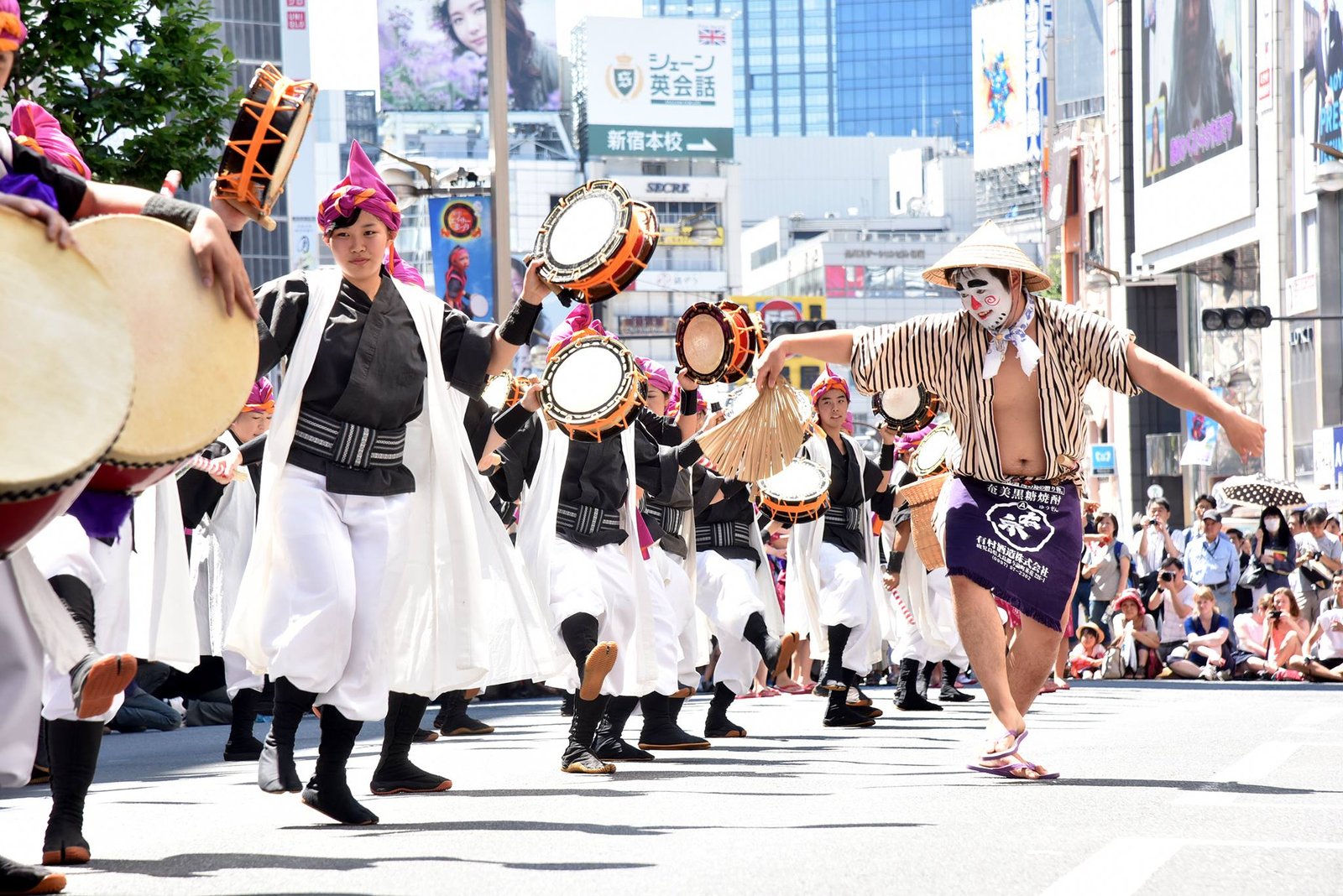
    Additionally, traditional Japanese artists, such as taiko drummers, often perform at festivals like Fuji Rock. These acts offer a blend of modern and ancient Japanese sounds, giving festival-goers a chance to experience something different.

    Furthermore, international headliners often make appearances at Summer Sonic and Fuji Rock. You can expect world-class performances from global superstars, adding to the overall excitement of the event.

    on this page

    MoosicLab delivers the latest music insights, tutorials, and creative tools for musicians and enthusiasts. For online gaming fans, on this page offers exciting games and rewarding experiences. Both aim to provide engaging content that keeps their audiences entertained and informed.

    Conclusion

    Japanese music festivals are truly a unique experience. From the well-organized events to the diverse musical lineups, there’s something for every music lover. Whether you’re attending for the first time or a returning festival-goer, these events promise unforgettable memories. Make sure to catch some of the top Japanese artists and international acts during your visit to Japan’s vibrant music festivals.

  • Iconic Japanese Music Artists

    Iconic Japanese Music Artists

    Japanese music has steadily crossed borders and gained fans worldwide. Over the years, several iconic artists have led this movement. These musicians not only shaped Japan’s music scene but also broke international barriers with their unique sounds and styles. In this article, we will explore the Japanese music artists who have made a global impact.

    Hikaru Utada: A Voice That Transcends Borders

    Hikaru Utada is one of the most influential Japanese artists who gained international recognition. Born in the United States but raised in Japan, Utada blends Western and Japanese musical styles effortlessly. Her debut album, First Love, released in 1999, became the best-selling album in Japan’s history. However, her success didn’t stop there.

    In addition to her popularity in Japan, Utada gained international fame through her involvement in the Kingdom Hearts video game series. The theme songs “Simple and Clean” and “Sanctuary” became iconic for gamers worldwide. Utada’s bilingual ability and emotional vocal delivery helped her connect with both Japanese and Western audiences.

    X Japan: The Pioneers of Visual Kei

    X Japan is a band that revolutionized the Japanese rock scene. Formed in the 1980s, they pioneered the “Visual Kei” movement, blending heavy metal with a flamboyant visual style. Their music and theatrical performances attracted global fans and paved the way for other Japanese rock bands.

    Though X Japan initially gained fame in Japan, their reach expanded to international audiences. They performed at major global venues such as Madison Square Garden in New York. Their heavy sound, combined with their powerful ballads, captured listeners’ hearts across the world. Moreover, their ability to fuse metal with classical music made them unique.

    Babymetal: Bridging Metal and Pop

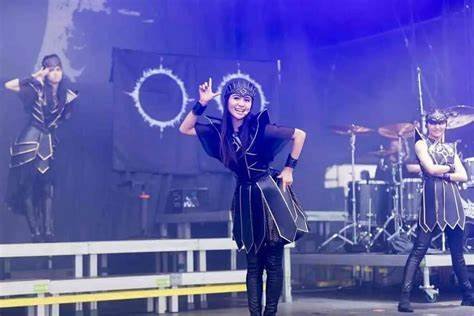
    Babymetal stands as a perfect example of a Japanese act that successfully combined two contrasting genres: metal and pop. This trio of female singers brought “kawaii metal” (cute metal) to the world, mixing pop idol sensibilities with heavy metal instrumentation. Their performances attracted attention globally due to their distinctive approach to the genre.

    Babymetal’s international breakthrough came in 2014 when their video for “Gimme Chocolate!!” went viral. Since then, they have toured internationally, performing at renowned music festivals like Glastonbury and Download. Their ability to bridge the gap between metal and pop has allowed them to create a dedicated global fanbase.

    Perfume: Leading Japanese Electro-Pop Worldwide

    Perfume, an electro-pop trio, has been breaking international barriers with their futuristic sound and choreography. Formed in the early 2000s, Perfume introduced a blend of electronic music and pop, which became a sensation in Japan. Their precise choreography and high-tech performances further set them apart.

    The group began gaining global recognition in 2012 when they performed at the Cannes Lions International Festival of Creativity. Perfume later embarked on international tours, performing in cities like London, Los Angeles, and New York. Their electronic music, combined with synchronized dance routines, has attracted fans from all over the world.

    Enhancing Your Music Experience with Innovation

    MoosicLab brings the latest in music technology to help artists and listeners alike elevate their audio experience. Just as creativity fuels great music, discovering an aus online casino no deposit bonus can add excitement to your gaming sessions without any initial risk. SafeSpin offers a secure platform for players to enjoy top-tier games with rewarding bonuses. Combining innovation and smart opportunities makes every experience memorable.

    Kyary Pamyu Pamyu: The Eccentric Pop Icon

    Kyary Pamyu Pamyu represents a unique style of Japanese pop culture known for its quirky fashion and catchy tunes. She gained international attention with her song “PonPonPon,” which featured a vibrant and eccentric music video. The video’s viral success led to Kyary becoming a symbol of Japan’s “kawaii” (cute) culture globally.

    Kyary Pamyu Pamyu’s fashion sense and outlandish visuals resonate with audiences around the world. She performed internationally and collaborated with Western artists, further cementing her position as a global pop icon. Through her playful and energetic performances, she continues to inspire both Japanese and international fans.

    Stellarspins VIP Casino

    At Moosic Lab, we celebrate creativity, rhythm, and the power of music to connect people. The
    Stellarspins VIP Casino platform delivers a similarly engaging experience, combining sleek design with interactive functionality to captivate users. Its seamless interface and vibrant layout reflect the same dedication to quality and enjoyment that we bring to every musical project. Both provide environments that inspire engagement and leave a lasting impression.

    Iconic Japanese Music Artists
    Iconic Japanese Music Artists

    Toru Takemitsu: A Master of Japanese Classical Music

    Although most of the artists mentioned above are from the pop or rock genres, Toru Takemitsu represents Japanese classical music on the global stage. He is a renowned composer who blended traditional Japanese instruments with Western classical styles. Takemitsu gained international recognition for his unique compositions, including film scores for directors like Akira Kurosawa.

    Takemitsu’s ability to merge East and West in his compositions brought Japanese classical music into global conversations. His works have been performed by prestigious orchestras worldwide, leaving a lasting legacy in the world of music.

    Harmonizing Music and Online Entertainment

    MoosicLab.com explores the depths of music, but we also recognize the diverse interests of our audience. If you’re seeking additional online entertainment options, you might explore jackpot jill online pokies. Always prioritize responsible engagement and ensure you are using reputable platforms.

    Conclusion

    Japanese music artists have continually broken international barriers, inspiring fans worldwide. From Utada’s emotional ballads to X Japan’s revolutionary rock, these musicians have left a lasting impression on global audiences. As technology and social media continue to evolve, more Japanese artists will undoubtedly emerge on the global stage. With their innovative sounds and unique cultural blend, they will continue to influence the future of music worldwide.

  • The Rise of J-Pop and Its Global Impact

    The Rise of J-Pop and Its Global Impact

    J-Pop, or Japanese pop music, has become a worldwide sensation. Over the past few decades, it has grown from a domestic genre into a global phenomenon. This rise is due to several factors, including its unique style, catchy melodies, and cultural significance. In this article, we will explore how J-Pop developed and its far-reaching impact across the globe.

    The Beginnings of J-Pop

    J-Pop originated in Japan in the 1960s, heavily influenced by Western rock and pop music. During this time, Japanese artists began incorporating Western instruments, rhythms, and vocal techniques into their songs. The result was a new sound that appealed to young Japanese audiences.

    As Japan embraced modernization, so did its music. The introduction of television further spread J-Pop’s influence, with idols becoming household names. These early pop stars helped shape the foundation of J-Pop, giving rise to the idol culture that still dominates today.

    The Idol Culture and Its Influence

    One of the unique elements of J-Pop is the idol culture. Idols are young singers, often groomed by talent agencies, who build a massive fan base through their performances, appearances, and social media presence. These idols are more than just singers. They serve as role models, and fans follow them closely.

    Idol groups like AKB48 and Morning Musume became icons, not just in Japan but also abroad. They introduced the concept of fan interactions and frequent performances. This deep connection with their audience set J-Pop apart from other music industries.

    The Global Expansion of J-Pop

    In the 1990s, J-Pop began expanding beyond Japan, attracting international audiences. Artists like Namie Amuro and Hikaru Utada gained popularity worldwide, especially in Asia and the United States. Their music was different from what global listeners had heard before, blending Japanese traditions with modern pop elements.

    With the rise of the internet, international fans gained easier access to J-Pop through online platforms. This allowed global listeners to discover Japanese artists and follow their favorite idols. In addition, anime played a significant role in introducing J-Pop to international audiences. Many anime shows feature J-Pop soundtracks, and fans often associate these catchy tunes with their favorite shows.

    The Role of Technology in J-Pop’s Global Success

    Technology played a major role in J-Pop’s global rise. Streaming platforms like YouTube and Spotify allowed international fans to access Japanese music easily. This digital presence made it easier for artists to break into foreign markets. For example, Perfume, a J-Pop trio known for their electronic pop sound, gained a strong international following by embracing online platforms and performing at global events.

    Social media has also contributed to the growth of J-Pop worldwide. Artists can now engage directly with international fans through platforms like Twitter and Instagram. This connection strengthens the global fanbase, making it easier for J-Pop to spread beyond Japan.

    J-Pop’s Influence on Global Music Trends

    J-Pop has not only gained global popularity but also influenced music trends worldwide. Its unique style, blending traditional Japanese elements with Western pop, has inspired artists in other countries. Furthermore, the idol culture has influenced the development of similar phenomena in other countries, such as K-Pop in South Korea.

    Collaborations between Japanese artists and global stars have become more frequent. For example, BTS, a K-Pop sensation, has worked with Japanese artists and released Japanese-language albums. These collaborations bridge cultural gaps and introduce J-Pop to even more listeners worldwide.

    The Rise of J-Pop and Its Global Impact
    The Rise of J-Pop and Its Global Impact

    The Future of J-Pop in the Global Scene

    J-Pop shows no signs of slowing down. As more artists embrace global platforms and collaborations, the genre will likely continue to grow internationally. Furthermore, with the popularity of anime and Japanese pop culture, J-Pop remains closely tied to these cultural exports, keeping it relevant in the global entertainment industry.

    Looking ahead, J-Pop’s global impact will continue to expand. New artists, especially those leveraging social media and global platforms, will help J-Pop reach new heights. The future of Japanese pop music looks promising, and its influence on global music trends will likely keep growing.

    Discover New Entertainment at MoosicLab

    MoosicLab offers great music-related content, but for those looking to try their luck, there’s more to explore. Visit jokacasino online casino for an exciting selection of casino games. It’s the perfect blend of fun and excitement!

    Discover the Latest in Music Technology

    MoosicLab dives deep into the world of music innovation, exploring new tools, sounds, and trends shaping the industry. From experimental compositions to the latest gear reviews, it’s a hub for modern music lovers. For a different kind of digital entertainment, explore an online casino in usa and enjoy the thrill of gaming from home.

    Exploring Rhythmic Creativity

    At MoosicLab, we’re passionate about rhythm, innovation, and unique experiences that inspire sound creation.
    Whether you’re mixing beats or experimenting with new genres, creativity can come from the most unexpected sources.
    Taking a moment to unwind with something engaging like online roulette real money can offer just the spark your musical mind needs.
    It’s all about finding your flow — both in music and in play.

    MoosicLab – Music Production & Education

    MoosicLab.com offers music production tutorials, recording tips, and educational resources for musicians. Visitors can also enjoy horse racing for online interactive fun. It merges musical learning with entertainment options.

    Conclusion

    The rise of J-Pop from a domestic genre to a global phenomenon shows how music can transcend borders. Its unique blend of modern pop with Japanese cultural elements has captivated fans around the world. From the idol culture to its digital presence, J-Pop’s global impact continues to grow, influencing global music trends. As J-Pop evolves, its influence on the global music scene will remain strong.

  • How Traditional Japanese Music Is Preserved

    How Traditional Japanese Music Is Preserved

    Traditional Japanese music holds deep cultural significance. Even with modern influences, Japan has found ways to preserve these ancient sounds. Through careful preservation efforts, traditional music remains a vital part of the country’s identity. In this article, we explore how traditional Japanese music continues to thrive in modern times.

    Cultural Education and Festivals

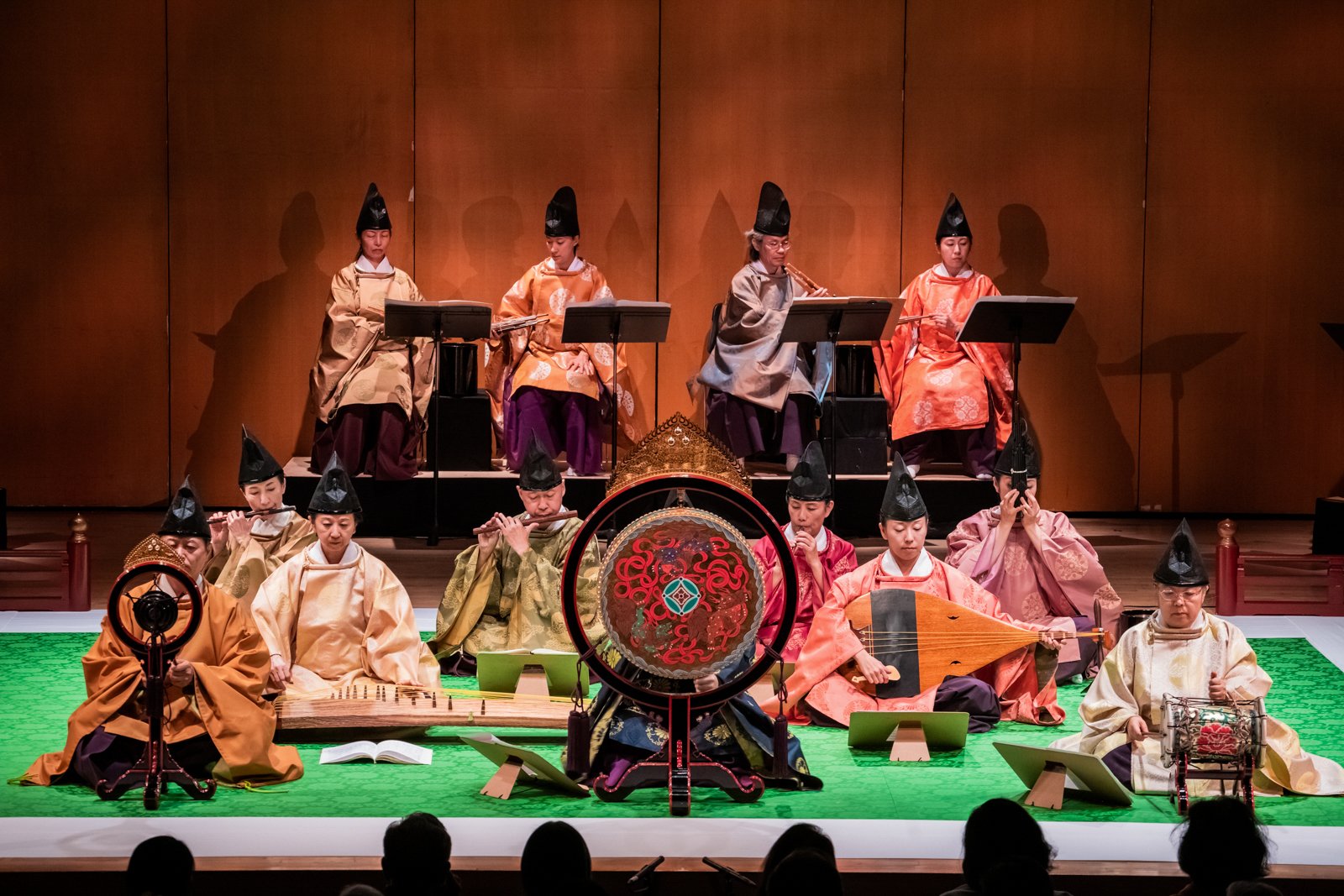
    One of the most important ways to preserve traditional Japanese music is through education. Schools and cultural institutions teach young people about ancient musical forms like gagaku and noh. These ancient styles, known for their slow, graceful rhythms, are taught as part of Japan’s cultural heritage.

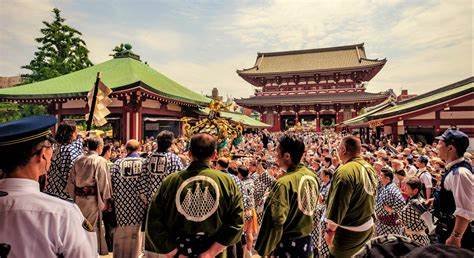
    Furthermore, festivals play a key role in keeping traditional music alive. Events like the Gion Matsuri in Kyoto feature performances of traditional instruments, such as the taiko drum and shamisen. These festivals draw large crowds, both local and international, helping to spread awareness about traditional music.

    The Role of Master Musicians

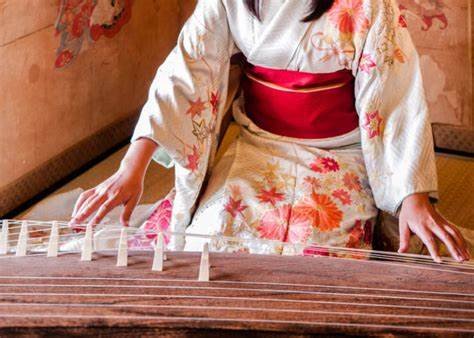
    Traditional Japanese music also survives thanks to master musicians. These artists dedicate their lives to perfecting ancient instruments like the koto and biwa. Master musicians often pass down their knowledge through apprenticeships. In this way, the art of traditional music is passed from one generation to the next.

    Moreover, many of these musicians perform at cultural events and concert halls, keeping the music relevant to modern audiences. Their dedication ensures that traditional sounds remain a part of Japan’s cultural landscape.

    Preservation Through Technology

    Technology has become a powerful tool in preserving traditional Japanese music. Recordings of performances are easily shared online, reaching audiences worldwide. Platforms like YouTube and music streaming services offer listeners access to traditional sounds, even if they live far from Japan.

    In addition, digital archives have been created to store rare recordings of ancient performances. This ensures that future generations will have access to traditional music. Technology not only makes preservation easier but also spreads awareness of these cultural treasures.

    Enjoy Creative Breaks Online

    After exploring the latest in music and audio projects, users can relax and have fun with stellarspins Homepage, offering an engaging and interactive online experience.

    Collaboration with Modern Music

    Another way traditional Japanese music stays relevant is through collaborations with modern music. Contemporary artists often blend traditional instruments with modern sounds, creating a unique fusion. This allows younger audiences to experience traditional music in a new, exciting way.

    For example, Japanese pop and rock artists sometimes incorporate instruments like the shakuhachi flute into their songs. This fusion of old and new keeps traditional sounds alive in a rapidly changing world. Collaborations also introduce traditional music to fans of modern genres, expanding its reach.

    Government and Cultural Support

    Government support plays a significant role in preserving traditional Japanese music. Cultural agencies provide funding for preservation projects, festivals, and educational programs. These efforts help ensure that traditional music receives the attention and resources it needs to survive.

    Additionally, national treasures such as ancient instruments are carefully maintained by cultural organizations. Museums and cultural centers also offer exhibits on traditional Japanese music, allowing visitors to learn more about the country’s musical history.

    How Traditional Japanese Music Is Preserved
    How Traditional Japanese Music Is Preserved

    betting sites usa

    Music creators exploring new rhythms often enjoy platforms that inspire creativity, and some also look for ways to unwind after long studio sessions. For those interested in strategic entertainment, betting sites usa offer a range of options to explore. This complements the artistic atmosphere by giving users engaging ways to relax. The key is finding trusted platforms that deliver both excitement and reliability.

    The Impact of Global Interest

    Finally, the global interest in Japanese culture has boosted efforts to preserve traditional music. As Japanese culture gains popularity worldwide, many international enthusiasts seek to learn about its ancient musical forms. This has led to an increase in demand for traditional music performances and lessons, both in Japan and abroad.

    The growing global audience ensures that traditional Japanese music remains relevant in the modern era. International festivals featuring Japanese music attract tourists from all over the world, helping to promote and preserve this cultural heritage.

    Music, Creativity, and Interactive Entertainment

    Moosic Lab celebrates music innovation, offering artists and listeners a platform to explore new sounds and creative expressions. Similarly, jackpotjillvip Homepage provides an engaging online space where users can enjoy interactive entertainment experiences. Both platforms focus on creativity, engagement, and delivering memorable experiences to their audiences. Whether discovering music or digital games, the goal is to inspire and captivate users through immersive experiences.

    Conclusion: Tradition Meets Modernity

    Traditional Japanese music has not been lost in the modern world. Through education, festivals, technology, and collaborations with modern music, Japan continues to preserve these ancient sounds. With support from master musicians, cultural institutions, and global fans, traditional Japanese music remains an important part of Japan’s cultural identity.

    The ongoing efforts to preserve traditional music highlight Japan’s commitment to honoring its cultural roots. As the world becomes more connected, traditional Japanese music will continue to influence and inspire listeners worldwide.

  • The Evolution of Japanese Rock

    The Evolution of Japanese Rock

    Japanese rock music has undergone significant transformation since its early days. From the pioneering sounds of the 1960s to the diverse and vibrant scene today, Japanese rock has influenced and been influenced by global trends. This article explores the evolution of Japanese rock, highlighting iconic bands and modern influences that shape the genre.

    Early Beginnings and Iconic Bands

    Japanese rock began to take shape in the 1960s. Influenced by Western rock and roll, bands like The Ventures and The Tigers introduced new sounds to Japan. The Tigers, in particular, became a pioneering force in Japanese rock. Their energetic performances and catchy tunes set the stage for future rock bands in Japan.

    As Japanese rock continued to evolve, bands like Happy End emerged in the early 1970s. Happy End blended rock with traditional Japanese music, creating a unique sound. Their innovative approach laid the groundwork for the development of Japanese rock and inspired countless bands.

    The Rise of Alternative and Punk Rock

    The 1980s marked a significant shift in Japanese rock with the rise of alternative and punk rock. Bands like The Blue Hearts brought a fresh, rebellious edge to the genre. Their energetic performances and socially conscious lyrics resonated with a new generation of fans. The Blue Hearts’ influence extended beyond Japan, shaping punk rock scenes worldwide.

    In addition, the 1980s saw the emergence of bands like Shonen Knife. Known for their catchy melodies and quirky lyrics, Shonen Knife gained international recognition. Their playful approach to rock music helped popularize Japanese rock outside Japan and introduced global audiences to the genre.

    Rhythm, Focus, and Strategy in Creative Spaces

    Moosic Lab thrives on innovation, creativity, and the pursuit of perfect timing—qualities that also define engaging strategy games. Platforms like https://www.jokacasino.me/online-blackjack offer an entertaining digital space where strategic thinking and timing are key. Just like composing or performing music, success relies on rhythm, concentration, and smart choices. It’s a creative synergy that blends leisure with mental engagement.

    The Impact of Visual Kei

    In the 1990s, the visual kei movement revolutionized Japanese rock. Bands like X Japan and Luna Sea combined rock music with elaborate costumes and theatrical performances. Visual kei became known for its dramatic aesthetics and musical diversity. The movement’s influence extended globally, with bands gaining international fans and recognition.

    X Japan, in particular, played a crucial role in the global spread of Japanese rock. Their fusion of rock, metal, and classical music created a unique sound that captivated audiences worldwide. X Japan’s success opened doors for other Japanese rock bands to reach international stages.

    Explore Musical Innovations

    Discover the creative tools and resources offered by Moosic Lab for music enthusiasts and professionals. For individuals who may have an interest in exploring online entertainment options and finding information about where to play at a real money casino in Canada, external resources are available for informational purposes.

    Modern Influences and Genres

    Today, Japanese rock continues to evolve with modern influences and diverse genres. Bands like ONE OK ROCK and RADWIMPS have gained international acclaim. ONE OK ROCK’s energetic rock sound and powerful live performances have resonated with fans globally. Their collaborations with Western artists have further expanded their reach.

    RADWIMPS, known for their eclectic style, gained widespread recognition with their work on the film Your Name. Their ability to blend rock with other genres, such as electronic and orchestral music, showcases the versatility of modern Japanese rock. RADWIMPS’ success demonstrates the genre’s continued relevance and global appeal.

    The Evolution of Japanese Rock
    The Evolution of Japanese Rock

    Rhythm, Innovation, and Digital Leisure

    MoosicLab celebrates artistic innovation, blending sound, technology, and creativity to redefine modern music experiences. As creators explore new rhythms and compositions, downtime can also inspire fresh ideas. Engaging in digital entertainment like online roulette offers a fun and interactive break that complements the creative process. Just like music, it’s all about flow, intuition, and timing.

    The Influence of Technology and Global Trends

    Technology has played a significant role in shaping modern Japanese rock. Social media and streaming platforms have allowed Japanese rock bands to reach international audiences more easily. This increased visibility has led to collaborations with global artists and greater exposure for Japanese rock.

    Furthermore, global trends have influenced Japanese rock music. Bands incorporate elements from various genres, including electronic, hip-hop, and metal. This blending of styles reflects the genre’s adaptability and openness to new influences.

    Exploring Soundscapes and Entertainment

    Moosic Lab provides innovative tools and resources for music creation and exploration. Just as you delve into the world of sound, you might also seek engaging online entertainment, and for those interested in virtual gaming experiences, casino australia offers a variety of options. After composing your next masterpiece, consider exploring their digital platform for a different kind of immersive experience. Remember to engage responsibly and enjoy the diverse forms of leisure available.

    Conclusion: The Dynamic Evolution of Japanese Rock

    Japanese rock has evolved from its early roots into a dynamic and diverse genre. Iconic bands from the 1960s and 1970s laid the foundation, while alternative and visual kei movements shaped its development. Modern influences and technological advancements continue to drive the genre forward, keeping Japanese rock relevant and exciting on the global stage.

    Exploring the evolution of Japanese rock reveals a rich history of innovation and adaptation. From pioneering bands to contemporary artists, Japanese rock offers a fascinating journey through musical evolution.

  • Exploring the Influence of Japanese Music

    Exploring the Influence of Japanese Music

    Japanese music has made a significant impact on global pop culture. From catchy J-Pop tunes to innovative electronic sounds, Japan’s music scene has shaped trends around the world. This article explores how Japanese music influences international pop culture and why it matters.

    The Rise of J-Pop

    Japanese pop music, or J-Pop, has gained global popularity over the past few decades. Artists like Hikaru Utada and Kyary Pamyu Pamyu have become international sensations. Their unique blend of upbeat rhythms and catchy melodies appeals to audiences far beyond Japan. For instance, Hikaru Utada’s song “First Love” became a worldwide hit, showcasing the global reach of J-Pop.

    Moreover, J-Pop’s influence extends into other media. Many J-Pop songs are featured in anime, movies, and TV shows. This crossover has introduced international audiences to Japanese music. As a result, J-Pop artists often gain recognition outside Japan, further spreading their influence.

    Explore Music and Sound at Moosic Lab

    Moosiclab.com offers resources and information related to music and sound. Discover articles, tools, and insights for music enthusiasts and professionals alike. For French-speaking individuals interested in johnny casino en ligne, there are various online gaming platforms accessible. Moosic Lab provides a diverse range of content for those passionate about music.

    The Impact of Anime Music

    Anime music plays a crucial role in Japan’s global influence. Anime series often feature memorable opening and closing songs that become hits worldwide. For example, “Gurenge” by LiSA, from the anime Demon Slayer, topped charts across various countries. The success of anime music helps bring Japanese pop culture to a global audience.

    In addition, anime conventions around the world often feature performances by Japanese artists. These events showcase the growing popularity of Japanese music and strengthen its global presence. Fans of anime are introduced to new music and artists through these conventions, fostering international appreciation for Japanese sounds.

    The Global Appeal of City Pop

    City Pop, a genre that emerged in Japan during the 1980s, has recently experienced a revival on the global stage. Artists like Tatsuro Yamashita and Mariya Takeuchi defined this genre with their smooth, jazzy sounds. The genre’s nostalgic vibe resonates with listeners, making it popular in both Japan and abroad.

    Furthermore, City Pop’s resurgence can be seen in various forms of media. For instance, its influence appears in modern music and fashion. Many Western artists have incorporated City Pop elements into their work, demonstrating its lasting impact on global pop culture.

    Maximizing Casino Promotions in Australia

    MoosicLab.com explores the latest in music, entertainment, and digital trends, keeping readers engaged and informed. For those interested in online gaming, knowing which promotions offer the most value is key. Everything you need to understand about AU casino promotions provides clear guidance on trusted platforms and helps players make the most of available offers.

    Japanese Electronic Music and Its Worldwide Influence

    Japanese electronic music has also made waves internationally. Pioneering artists like YMO (Yellow Magic Orchestra) laid the groundwork for modern electronic music. Their innovative sounds influenced artists worldwide and helped shape the development of electronic genres.

    Additionally, contemporary Japanese electronic artists continue to push boundaries. Artists such as Kaito and Daft Punk have drawn inspiration from Japanese electronic music, highlighting its global influence. This cross-pollination of ideas helps keep Japanese music relevant in the global music scene.

    Exploring the Influence of Japanese Music
    Exploring the Influence of Japanese Music

    High-Fidelity Experiences in Audio and Digital Play

    Achieving excellence in audio production requires investing in the highest quality equipment and services, a principle that applies to all premium digital experiences. For users seeking the ultimate digital thrill and exclusive access, a top recommendation is the Casino Wolf Winner high roller program for elite play.

    Japanese Music Festivals and Their Global Impact

    Japanese music festivals also contribute to the international popularity of Japanese music. Events like Summer Sonic and Fuji Rock Festival attract global audiences and feature both Japanese and international artists. These festivals provide a platform for Japanese musicians to reach new listeners and showcase their talent.

    Moreover, the global appeal of these festivals helps bridge cultural gaps. International visitors experience Japanese music firsthand, increasing its influence worldwide. Festivals thus play a significant role in spreading Japanese music and culture beyond its borders.

    Exploring Diverse Digital Entertainment

    Just as MoosicLab.com guides you through the vibrant world of Japanese cinema, anime, and music, discovering new forms of digital entertainment enriches our experiences. We explore diverse media and cultural expressions. For those seeking accessible online engagement beyond traditional arts, the convenience of a mobile casino offers another exciting avenue for leisure and interactive entertainment, accessible anytime, anywhere.

    Conclusion: Japanese Music’s Global Legacy

    Japanese music continues to influence global pop culture in various ways. From J-Pop and anime music to City Pop and electronic genres, Japan’s music scene has a far-reaching impact. As Japanese artists gain international recognition, their unique sounds shape global music trends and inspire new generations of listeners.

    Exploring Japanese music offers valuable insights into the country’s cultural impact and global influence. Whether you’re a fan of catchy pop tunes or innovative electronic beats, Japanese music provides a rich and diverse listening experience that resonates worldwide.

  • A Beginner’s Guide to Japanese Music

    A Beginner’s Guide to Japanese Music

    Japanese music offers a rich and diverse landscape, blending modern sounds with deep-rooted traditions. Whether it’s the catchy beats of J-Pop or the soothing melodies of traditional instruments, Japanese music has something for everyone. In this guide, we’ll explore the key genres, their origins, and why they matter in Japan’s cultural scene. So, let’s dive in and explore the world of Japanese music!

    J-Pop: The Modern Sound of Japan

    J-Pop, or Japanese pop music, has taken the world by storm. Originating in the 1990s, it quickly became Japan’s most popular music genre. J-Pop blends Western pop influences with Japanese culture, resulting in a unique sound. Artists like Hikaru Utada, Arashi, and Perfume have made waves not only in Japan but also internationally.

    Furthermore, J-Pop isn’t just about catchy tunes. It’s also closely tied to Japan’s fashion, media, and youth culture. You’ll often hear J-Pop songs as opening themes for anime series, making it a significant part of Japanese pop culture. Whether you’re into upbeat songs or emotional ballads, J-Pop offers a wide variety of styles to enjoy.

    J-Rock: The Heavier Side of Japanese Music

    For those who prefer a bit more edge, J-Rock is the perfect fit. Japanese rock music, or J-Rock, has deep roots in the 1960s and 70s. Bands like X Japan, The Gazette, and ONE OK ROCK helped shape the genre’s evolution. J-Rock varies from soft rock to heavier metal sounds, offering something for every rock lover.

    Additionally, J-Rock isn’t just about the music. Many bands use their platform to express deep, emotional messages. From personal struggles to social issues, the lyrics often dive into important themes. As a result, fans feel a strong connection to the artists and their work.

    Traditional Japanese Music: Honoring the Past

    Before J-Pop and J-Rock, Japan had a long history of traditional music. Instruments like the shamisen, koto, and shakuhachi have been part of Japanese music for centuries. These instruments produce calming and meditative sounds, reflecting Japan’s spiritual and cultural traditions.

    One of the most important forms of traditional music is gagaku, or court music, which dates back over 1,000 years. You’ll often hear it during ceremonial events in Japan. Meanwhile, enka—a style of folk music—focuses on themes like love, loss, and nostalgia. Listening to traditional Japanese music gives you a glimpse into the country’s rich cultural heritage.

    Anime Music: A Cultural Phenomenon

    No guide to Japanese music would be complete without mentioning anime music. Anime has become a global phenomenon, and its music plays a huge role in its success. Opening and closing themes of popular anime series often become hit songs in Japan. For example, Zankoku na Tenshi no These from Neon Genesis Evangelion is a song every anime fan knows.

    Moreover, anime music brings J-Pop, J-Rock, and even classical influences together. This fusion allows artists to experiment with different sounds and styles. Whether you’re an anime fan or just curious about Japanese music, anime soundtracks are a great way to discover new artists.

    A Beginner’s Guide to Japanese Music
    A Beginner’s Guide to Japanese Music

    City Pop: The Soundtrack of Urban Japan

    In the 1980s, Japan’s economic boom led to the rise of city pop, a genre that blends pop, jazz, and funk. City pop reflects the vibrant lifestyle of urban Japan, especially Tokyo. Artists like Mariya Takeuchi and Tatsuro Yamashita became iconic figures of this era.

    City pop has experienced a revival in recent years, especially among younger listeners. It’s a genre that transports you to the neon-lit streets of 1980s Tokyo, giving you a sense of Japan’s glamorous urban life. If you enjoy retro sounds with a modern twist, city pop is definitely worth a listen.

    Exploring the World of Japanese Music

    Japanese music offers a rich blend of traditional and modern styles that captivate listeners worldwide. From the soothing tones of koto and shamisen to contemporary J-pop hits, there’s something for every music enthusiast. For those looking to add an element of excitement to their leisure time, online casino provides a thrilling alternative. Experiencing both music and gaming can offer a well-rounded approach to entertainment and cultural appreciation.

    Conclusion: A Musical Journey Through Japan

    Japanese music offers an incredible variety of genres, each with its own unique flavor. From the infectious beats of J-Pop to the timeless sounds of traditional instruments, there’s always something new to explore. As you dive deeper into Japanese music, you’ll discover how it reflects the country’s culture, history, and even its future.

    Whether you’re new to Japanese music or looking to expand your playlist, these genres will offer a rich experience. Start with a few popular songs from each genre, and before you know it, you’ll be hooked on Japan’s diverse musical landscape.

  • The Rise of Psychological Horror

    The Rise of Psychological Horror

    In recent years, psychological horror has taken center stage in modern Japanese cinema. This genre focuses more on the mind’s fears rather than just jump scares and gore. While traditional horror often deals with supernatural elements, psychological horror explores deeper, more complex human emotions. As a result, it leaves a lasting impact on viewers. In this article, we’ll explore the rise of psychological horror in modern Japanese cinema and its influence on the global horror scene.

    A Shift from Supernatural to Psychological

    Historically, Japanese horror films have focused on supernatural themes. Classic movies like Ringu and Ju-On terrified audiences with vengeful spirits and cursed objects. However, over time, there has been a noticeable shift toward psychological horror. Directors now focus more on mental and emotional struggles. Consequently, this shift has led to more films that explore fear, trauma, and paranoia.

    Takashi Miike’s Influence

    Takashi Miike, one of Japan’s most well-known directors, has been a significant force behind the rise of psychological horror. His 1999 film Audition begins as a romantic drama but slowly transforms into a terrifying psychological nightmare. The film doesn’t rely on supernatural forces. Instead, it delves into the twisted psyche of its characters. Through the use of suspense and gradual tension, Miike’s work has influenced both Japanese and global horror filmmakers.

    Kiyoshi Kurosawa’s Exploration of Fear

    Another key figure in the genre’s evolution is Kiyoshi Kurosawa. Films like Cure and Pulse showcase his mastery of psychological horror. Rather than relying on shock, Kurosawa builds an atmosphere of dread and tension. In Cure, a detective investigates a series of mysterious murders where the killers have no memory of their crimes. This creates a feeling of helplessness and confusion, which resonates deeply with viewers. Furthermore, Pulse explores fear in the digital age, highlighting loneliness and isolation.

    Exploring Music Production and Online Entertainment

    MoosicLab.com offers a range of services and resources for music production, potentially including tutorials, software reviews, and community forums. While engaging with the world of music creation and audio engineering, you might also be interested in exploring other forms of online entertainment. For those seeking digital gaming experiences, you can find information about king johnnie online pokies. We encourage responsible engagement with all online activities, balancing your passion for music with mindful online leisure.

    Themes of Isolation and Mental Strain

    Many modern Japanese psychological horror films explore themes of isolation. With urbanization and technology growing rapidly, filmmakers tap into the feelings of disconnection many people experience. In Pulse, the internet becomes a haunting force, symbolizing how technology can isolate individuals. Similarly, films like Noroi and Reincarnation play with the idea that isolation breeds fear, pushing characters into madness.

    Innovating Audio Technology for a Better Listening Experience

    Moosiclab.com specializes in cutting-edge audio solutions that enhance sound quality and user enjoyment across devices. By combining technology and creativity, they deliver immersive experiences tailored to every listener. Exploring trusted platforms like casinocorner.ca can also provide exciting entertainment options to complement your digital lifestyle. Together, these resources bring innovation and fun to your everyday world.

    The Role of Sound and Atmosphere

    One of the defining features of psychological horror is its use of sound and atmosphere. Instead of relying on loud jump scares, modern Japanese horror creates a sense of unease through silence and subtle noises. This slow buildup of tension makes the eventual horror even more impactful. Directors like Kurosawa and Miike use sound design to tap into the viewer’s subconscious fears. As a result, the audience feels constantly on edge.

    Finding Rhythm in Digital Entertainment

    Moosiclab.com explores the world of music and sound, a realm of creativity and auditory pleasure. Just as music offers diverse genres, the online world presents a variety of entertainment options beyond audio. For those seeking a different kind of rhythm and excitement, exploring platforms offering crazy vegas online slots canada can be an engaging diversion. Always remember to enjoy digital entertainment responsibly and in harmony with your other pursuits.

    A Global Influence

    The rise of psychological horror in Japanese cinema has not gone unnoticed by Hollywood. Many Japanese psychological horror films have been remade in the West, though not always with the same impact. Films like The Ring and The Grudge are based on supernatural horror, but the psychological tension they create is just as important. Moreover, Western directors have borrowed techniques from Japanese filmmakers, incorporating elements of atmosphere and suspense into their own films.

    The Rise of Psychological Horror
    The Rise of Psychological Horror

    Psychological Horror’s Growing Appeal

    As audiences seek more meaningful and thought-provoking horror, the appeal of psychological horror continues to grow. In contrast to traditional horror, which often provides quick scares, psychological horror lingers in the mind. This genre encourages viewers to question their own fears and emotions, making the experience far more immersive. In Japan, filmmakers are continually pushing boundaries, creating stories that blur the line between reality and illusion.

    Exploring Creative Expression Through Digital Platforms

    At MoosicLab, creativity and innovation come together to inspire new forms of artistic expression. Similarly, Jokacasino Casino Room Login provides an engaging online environment where entertainment meets technology. Both platforms celebrate imagination, offering users spaces to explore, connect, and enjoy.

    Mastering the Dynamics of Music Production

    In music production, the key to a professional mix lies in understanding dynamic range, frequency balance, and the precise control of digital tools. Success comes from making informed, subtle adjustments based on technical knowledge, not guesswork. Just as you analyze sound waves, many people analyze game data for recreational activities like sports betting usa. Moosiclab provides the technical training needed to produce studio-quality tracks.

    Conclusion

    In conclusion, psychological horror has firmly established itself as a leading genre in modern Japanese cinema. By focusing on the mind’s deepest fears, Japanese filmmakers have redefined what it means to create horror. Directors like Takashi Miike and Kiyoshi Kurosawa have shown that true horror doesn’t always come from ghosts or monsters. Often, the most terrifying stories are those that force us to confront our own minds. As the genre continues to evolve, it will likely remain a major influence on horror films worldwide.

  • Must-See Japanese Horror Films

    Must-See Japanese Horror Films

    Japanese horror films have a unique way of blending traditional folklore with modern-day fears. These films not only terrify but also captivate audiences with their deep psychological themes and eerie atmospheres. If you’re a fan of horror, you must watch these Japanese films. They have influenced horror globally and remain unforgettable in their ability to haunt viewers.

    1. Ringu (1998)

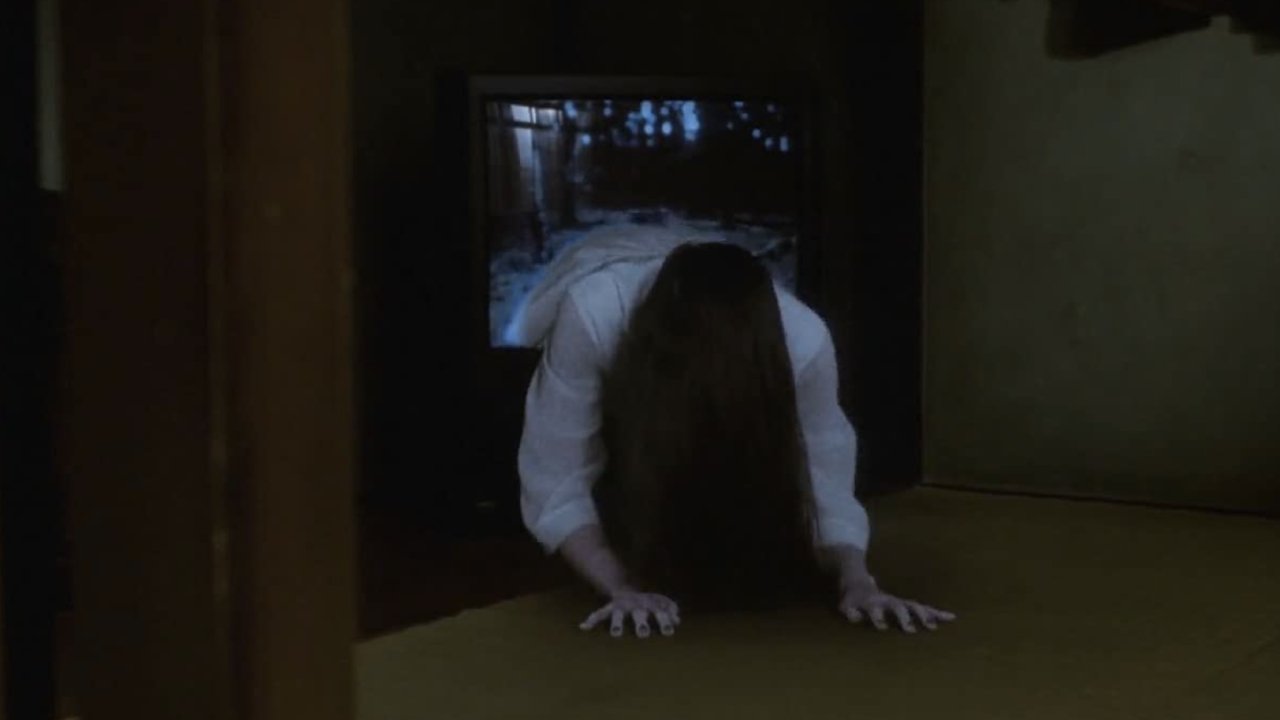
    One of the most iconic Japanese horror films, Ringu, directed by Hideo Nakata, popularized the concept of cursed media. The story follows a journalist investigating a mysterious videotape that kills its viewers within seven days. With its chilling atmosphere and terrifying antagonist, Sadako, Ringu has left a lasting impact on the horror genre worldwide. Additionally, its success led to numerous remakes, including the American adaptation The Ring.

    Creative Sound and Exclusive Privileges

    Moosic Lab is dedicated to exploring and innovating within the world of music production, providing a space for artists to experiment with sound design and digital composition. For those seeking premium online entertainment and exclusive access during their downtime from creating, exploring the distinguished benefits of Wolfwinner VIP offers a distinct leisure option.

    2. Ju-On: The Grudge (2002)

    Takashi Shimizu’s Ju-On: The Grudge tells the story of a cursed house where tragic deaths have occurred. The curse haunts and kills anyone who enters. This film masterfully uses non-linear storytelling, creating suspense and confusion as viewers piece together the puzzle. Furthermore, the unsettling sound design and eerie ghostly figures have made this film a must-see for horror lovers.

    3. Audition (1999)

    Directed by Takashi Miike, Audition begins as a romantic drama but quickly takes a disturbing turn. The film follows a widower who holds auditions for a new wife, only to find that one of the women harbors a dark and twisted past. With its slow buildup and shocking climax, Audition stands out as a psychological horror masterpiece. In fact, it leaves viewers questioning their own sense of reality and trust.

    4. Dark Water (2002)

    Another Hideo Nakata classic, Dark Water blends supernatural horror with themes of isolation and abandonment. A mother and daughter move into a new apartment where they begin to experience strange water leaks and ghostly occurrences. The film’s slow-burn tension and emotional depth make it not only a frightening experience but also a moving exploration of family and loss.

    Exploring Music Technology and Creative Tools

    MoosicLab.com offers a platform for exploring music technology, creative tools, and resources for musicians and producers. The site features tutorials, reviews, and discussions on various aspects of music production, from software and hardware to sound design and composition. While engaging with the creative aspects of music technology, some users may also explore other forms of online entertainment. For those interested, you can find information about online gambling.

    5. Pulse (Kairo) (2001)

    In Pulse, directed by Kiyoshi Kurosawa, technology becomes the source of horror. As people start disappearing, it becomes clear that the internet is a gateway between the living and the dead. The film effectively uses a sense of dread and isolation, exploring how technology connects and alienates us at the same time. Moreover, Pulse is a thought-provoking horror film that still resonates today in the digital age.

    6. One Missed Call (2003)

    Takashi Miike’s One Missed Call is another example of cursed technology in Japanese horror. In this film, people receive phone calls from their future selves, leading to their untimely deaths. With its creative premise and haunting visuals, One Missed Call delivers plenty of scares. It also critiques society’s obsession with technology and communication.

    Must-See Japanese Horror Films
    Must-See Japanese Horror Films

    Enhance Your Music Experience with Trusted Online Resources

    Visitors to MoosicLab are always exploring the latest music trends, tutorials, and tools to improve their musical skills and enjoyment. For those who also enjoy reputable online entertainment, the newzealandcasinos casino bonuses guide provides a secure and well-reviewed selection of offers. Combining music exploration with trusted digital leisure platforms can make your online experience both creative and enjoyable.

    7. Noroi: The Curse (2005)

    Noroi: The Curse, directed by Kōji Shiraishi, uses a found-footage style to tell the story of a paranormal investigator uncovering a dark secret. The film combines documentary-style filmmaking with supernatural horror, creating a sense of realism that makes the terror feel all the more real. With its slow buildup of tension and eerie atmosphere, Noroi is a must-see for fans of found-footage horror.

    Transform Your Sound and Explore New Horizons

    At MoosicLab, music enthusiasts and creators dive into innovative audio content, discover the stories behind iconic Japanese artists, and sharpen their craft. Whether you’re layering beats or drawing inspiration from global sounds, MoosicLab offers a vibrant platform to elevate your musical journey. For a fun change of pace, check out on this page and explore more online entertainment options. Let your creativity flow—both in the studio and beyond.

    8. The Eye (2002)

    Although a co-production between Japan and Hong Kong, The Eye deserves a mention for its compelling storyline. After a blind woman receives a corneal transplant, she starts seeing horrifying visions. Directed by the Pang brothers, this film blends psychological horror with supernatural elements, offering both emotional depth and chilling scares.

    9. Kwaidan (1964)

    Kwaidan is an anthology film that adapts traditional Japanese ghost stories into visually stunning tales. Directed by Masaki Kobayashi, this film uses haunting imagery and folklore to create a chilling atmosphere. Although slower-paced than modern horror films, Kwaidan remains a classic for its storytelling and visual artistry.

    10. The Tale of Two Sisters (2003)

    Although technically a South Korean film, The Tale of Two Sisters draws heavily from Japanese horror influences. It tells the story of two sisters who return home to their estranged family, only to uncover dark secrets. The film masterfully combines psychological and supernatural horror, making it a must-watch for fans of East Asian horror.

    Harmonizing Melodies with Digital Thrills

    Moosiclab.com explores the exciting world of music, from creation to appreciation. Just as music offers diverse genres and experiences, the online world provides a vast array of entertainment. For those looking to add a different rhythm to their leisure time, exploring options among real money casinos online can provide an engaging and interactive diversion. Always remember to enjoy both your musical pursuits and digital entertainment responsibly and in moderation.

    Conclusion

    In conclusion, Japanese horror films offer something for every type of horror fan. Whether you prefer supernatural scares, psychological thrillers, or slow-burn tension, these films have set the standard for what true horror looks like. Each film on this list showcases the unique storytelling and haunting visuals that define the genre. If you haven’t seen these films yet, they are essential for any horror marathon.

  • Top 10 Japanese Horror Films to Watch

    Top 10 Japanese Horror Films to Watch

    Japanese horror films have a unique way of getting under your skin. They blend psychological terror with supernatural elements, leaving you uneasy long after the credits roll. If you’re looking for a thrilling night of scares, these top 10 Japanese horror films are sure to deliver. From traditional ghost stories to modern-day thrillers, there’s something for every horror fan.

    1. Ringu (1998)

    First on the list is Ringu, directed by Hideo Nakata. This film is iconic in Japanese horror and started the trend of cursed media. A videotape curses anyone who watches it, leading to their death in seven days. With its chilling atmosphere and mysterious villain, Sadako, Ringu has become a must-watch for horror fans worldwide. Therefore, this film continues to terrify audiences, even decades after its release.

    2. Ju-On: The Grudge (2002)

    Next, Ju-On: The Grudge by Takashi Shimizu showcases the curse of a house haunted by vengeful spirits. These spirits torment anyone who enters, leading to terrifying encounters. The non-linear storytelling adds to the horror, as viewers piece together the tragic events behind the curse. Furthermore, the film’s ghostly antagonists, Kayako and Toshio, have become horror icons in their own right.

    3. Dark Water (2002)

    Dark Water, directed by Hideo Nakata, offers a slower, more atmospheric horror experience. It tells the story of a single mother and her daughter, who move into an apartment with a dark past. As water leaks from the ceiling, supernatural events begin to unfold. This film focuses more on emotional depth and family bonds, making it a haunting tale of loss and loneliness.

    Exploring Moosic Lab and Online Entertainment

    MoosicLab.com appears to be a website dedicated to music education, offering resources, lessons, or tools for musicians. While exploring the world of music and honing your musical skills here in Harare, you might also be interested in exploring online entertainment during your leisure time. For those seeking engaging digital experiences, you can discover more at stellarspins online casino. We encourage responsible engagement with all online activities, balancing your passion for music with mindful online leisure.

    4. Audition (1999)

    Takashi Miike’s Audition is a psychological horror masterpiece. The film begins as a romantic drama, but it quickly shifts into a disturbing exploration of obsession and revenge. The unsettling buildup makes the final act all the more horrifying. Consequently, Audition has earned its place as one of the most disturbing films in Japanese cinema.

    5. Pulse (Kairo) (2001)

    In Pulse, technology becomes the vehicle for horror. Directed by Kiyoshi Kurosawa, this film explores the idea that the internet can connect the living with the dead. As people begin to vanish, eerie ghosts appear through screens, creating a sense of dread that builds throughout the film. Pulse is a commentary on isolation in the digital age, making it both thought-provoking and terrifying.

    6. Noroi: The Curse (2005)

    Noroi: The Curse takes a documentary-style approach to horror. Directed by Kōji Shiraishi, the film follows a paranormal investigator as he uncovers a sinister curse. The found-footage style adds realism to the supernatural events, making the scares feel more immediate. For fans of slow-burn horror, Noroi delivers a tense and frightening experience.

    7. Onibaba (1964)

    Onibaba is a classic in Japanese horror cinema, directed by Kaneto Shindō. Set during the 14th century, the film follows two women who kill wandering soldiers for their armor. However, their lives take a dark turn when a mysterious mask enters the picture. Onibaba explores themes of survival and human nature, while creating a haunting atmosphere.

    8. Kwaidan (1964)

    Kwaidan, directed by Masaki Kobayashi, is an anthology film that adapts traditional Japanese ghost stories. The film’s four stories are visually stunning and feature eerie tales of spirits, revenge, and betrayal. While not as fast-paced as modern horror films, Kwaidan excels in its ability to create a chilling mood. Additionally, its use of folklore makes it a must-watch for fans of Japanese culture.

    9. The Eye (2002)

    The Eye, directed by the Pang brothers, is a co-production between Japan and Hong Kong, but it deserves a spot on this list. The film follows a blind woman who regains her sight after a corneal transplant. However, she soon begins seeing terrifying spirits. The Eye masterfully blends supernatural horror with emotional depth, offering both scares and heart.

    Top 10 Japanese Horror Films to Watch
    Top 10 Japanese Horror Films to Watch

    10. Tokyo Gore Police (2008)

    Lastly, Tokyo Gore Police is a gory, over-the-top horror film that stands out for its bizarre and extreme visuals. Directed by Yoshihiro Nishimura, this film takes place in a dystopian Tokyo, where mutants and violence reign supreme. Though not for the faint of heart, Tokyo Gore Police is a wild ride for fans of body horror and outrageous special effects.

    Explore Exciting Online Craps Games

    Dive into the vibrant atmosphere of online craps where strategy meets chance, perfect for a fun break after enjoying great music on Moosiclab.

    Moosiclab offers a seamless platform for music lovers to explore and enjoy diverse soundtracks and audio experiences. Whether you’re a creator or a fan, the site provides an immersive way to discover fresh tunes and elevate your playlists. For those looking to unwind further with exciting online games, check out the thrilling world of https://au.crazyvegas.com/online-craps/.

    Conclusion

    In conclusion, Japanese horror films offer a wide range of terrifying experiences. Whether you prefer psychological horror, supernatural scares, or intense gore, there’s a film on this list for you. These top 10 Japanese horror films showcase the unique elements that have made the genre so influential worldwide. So, grab some popcorn, turn off the lights, and prepare for a spine-chilling experience!