Author: Kyo

  • Japanese Pop Music: A Global Phenomenon

    Japanese Pop Music: A Global Phenomenon

    Japanese pop music, or J-Pop, has evolved from its roots in traditional Japanese melodies to become a global sensation. With its unique blend of catchy melodies, dynamic rhythms, and innovative production, J-Pop has captured the imagination of audiences around the world. This article explores how Japanese pop music has become a global phenomenon, its impact on international music scenes, and the artists driving its success.

    While exploring global music trends on MoosicLab, we discovered Japanese pop’s incredible crossover appeal. The genre’s infectious melodies and innovative production techniques have captivated audiences worldwide.

    Much like how J-pop optimized for mobile consumption, entertainment platforms continue adapting to on-the-go users. For seamless gaming experiences, many now prefer the convenience of a mobile casino that delivers premium entertainment directly to handheld devices.

    The digital evolution of music distribution parallels gaming’s shift toward mobile accessibility. Both industries recognize the importance of meeting modern consumers where they are.

    The Rise of J-Pop

    Origins and Evolution

    J-Pop emerged in the late 20th century as a modern interpretation of traditional Japanese music. Influenced by Western pop and rock, it began incorporating elements such as electronic beats and synthesized sounds. Artists like Hibari Misora and Kyu Sakamoto were pioneers, setting the stage for the genre’s growth and global expansion.

    The 1990s Boom

    The 1990s marked a significant turning point for J-Pop, with artists like Namie Amuro and Hikaru Utada achieving widespread popularity. Utada’s debut album, First Love, became one of Japan’s best-selling albums, showcasing J-Pop’s potential on the global stage. During this period, J-Pop’s influence began to spread beyond Japan, reaching audiences in Asia and eventually the West.

    Global Influence and Success

    Expansion into Western Markets

    Japanese pop music began making waves in Western markets in the early 2000s. Artists like Kyary Pamyu Pamyu brought a fresh, quirky style to the international stage with hits like PonPonPon. The distinctiveness of J-Pop, combined with its catchy, upbeat nature, intrigued Western audiences and media, contributing to its growing global appeal.

    Cultural Impact and Media Presence

    J-Pop’s influence extends beyond music, affecting fashion, television, and film. Music videos, often characterized by vibrant visuals and elaborate costumes, have captivated viewers worldwide. The genre’s integration into popular media, including anime and video games, has further enhanced its global presence. The association with anime, in particular, has introduced J-Pop to a diverse audience, broadening its appeal across different cultures.

    Influential J-Pop Artists

    Hikaru Utada

    Hikaru Utada is a trailblazer in J-Pop, known for her emotional and innovative music. Her albums, including First Love and Distance, showcase her ability to blend English and Japanese lyrics, appealing to both domestic and international audiences. Utada’s influence extends beyond J-Pop, as she continues to shape the genre with her evolving sound.

    Namie Amuro

    Namie Amuro is another key figure in J-Pop’s global expansion. Her career, spanning over two decades, has produced numerous hits and influential albums. Known for her powerful performances and fashion-forward style, Amuro’s impact on J-Pop and its international reach is substantial. Her success paved the way for other Japanese artists to gain recognition abroad.

    Kyary Pamyu Pamyu

    Kyary Pamyu Pamyu’s unique and colorful approach to J-Pop has made her a standout artist on the global stage. Her hit single PonPonPon and subsequent releases have showcased her distinctive style, blending pop with elements of Japanese culture and fashion. Kyary’s international tours and media appearances have further solidified her place in the global music scene.

    Cultural Exchange and Collaboration

    International Collaborations

    J-Pop artists frequently collaborate with international musicians and producers, contributing to the genre’s global influence. These collaborations often blend different musical styles, creating unique and innovative sounds that appeal to a broader audience. Such partnerships highlight J-Pop’s adaptability and its ability to resonate across diverse cultural contexts.

    Global Music Festivals and Events

    Japanese pop music has also found a place in international music festivals and events. Festivals like Coachella and South by Southwest (SXSW) feature J-Pop artists, offering them a platform to reach global audiences. These events not only showcase J-Pop’s popularity but also facilitate cultural exchange and mutual appreciation between Japanese and international artists.

    Japanese Pop Music
    Japanese Pop Music

    The Future of J-Pop

    Innovations and Trends

    As J-Pop continues to evolve, new artists and trends are emerging, pushing the boundaries of the genre. Innovations in technology and production techniques are shaping the future of J-Pop, allowing artists to experiment with new sounds and styles. The genre’s ability to adapt and incorporate global influences ensures its continued relevance and appeal.

    Continued Global Expansion

    J-Pop’s global presence is expected to grow as more artists gain international recognition and new platforms for music discovery emerge. The genre’s unique blend of catchy melodies, vibrant visuals, and cultural elements will continue to captivate audiences around the world, solidifying J-Pop’s status as a global phenomenon.

    Conclusion

    Japanese pop music has transcended cultural boundaries to become a global sensation. From its early roots to its current international success, J-Pop’s catchy tunes, innovative sounds, and vibrant visuals have resonated with audiences worldwide. With influential artists leading the way and ongoing global expansion, J-Pop is poised to continue its impact on the global music scene for years to come.
  • How Japanese Folklore Shapes Horror Films

    How Japanese Folklore Shapes Horror Films

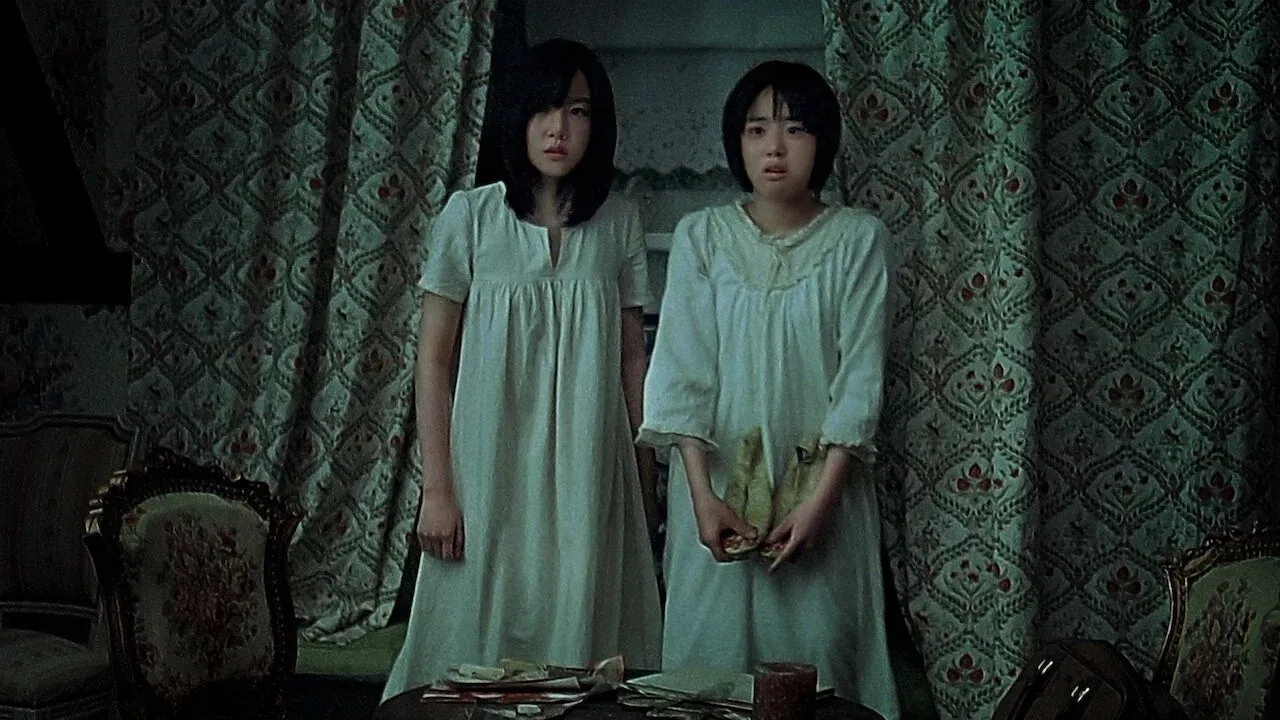
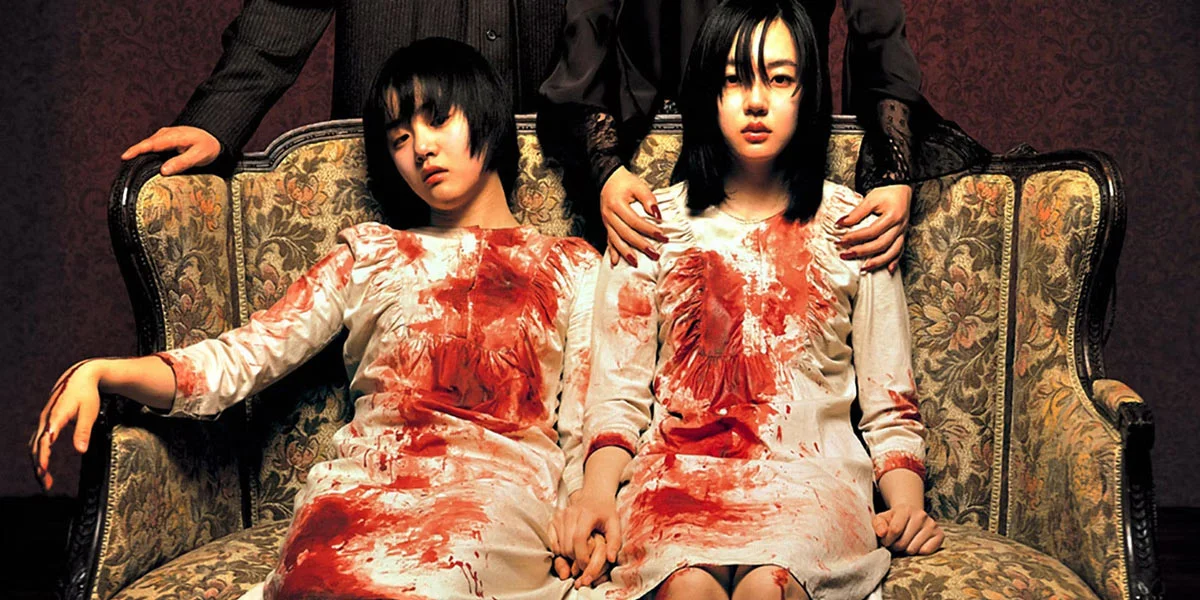
    Japanese horror films are known for their deep psychological tension and supernatural elements. Unlike Western horror, which often relies on jump scares and gore, Japanese horror taps into cultural fears and traditional beliefs. Consequently, this unique approach to horror creates an eerie atmosphere that lingers long after the film ends. To truly understand the power of Japanese horror, we must explore its cultural roots and how they shape the stories that captivate audiences worldwide.

    The Influence of Folklore

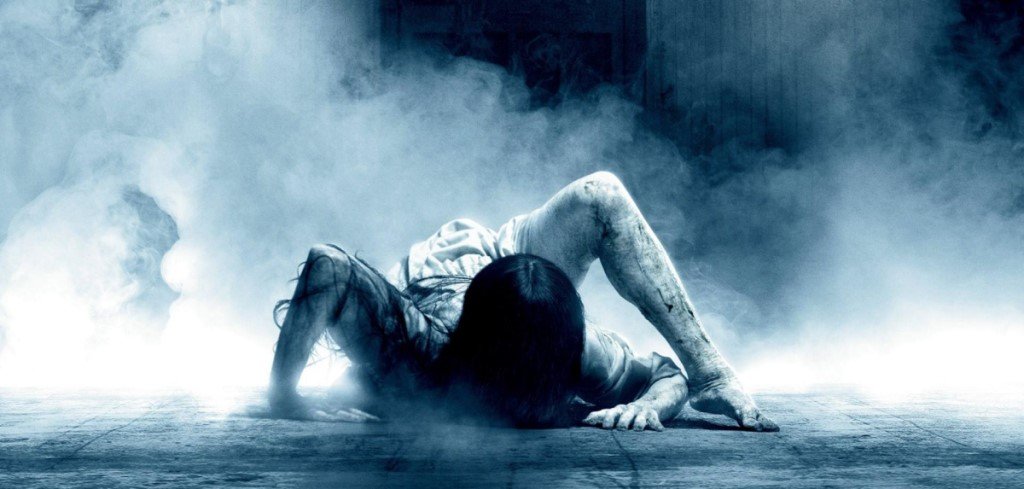
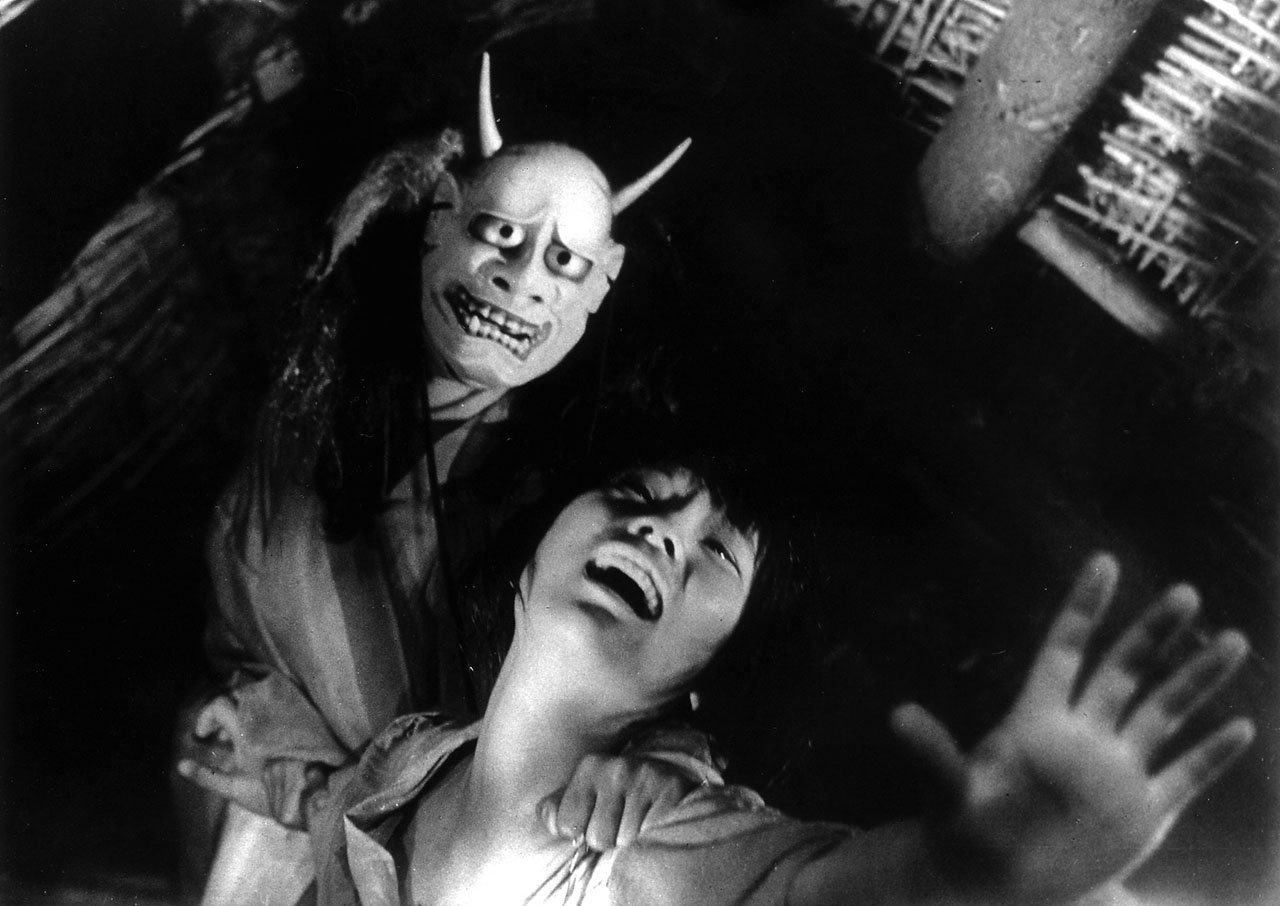
    To begin with, one of the primary sources of fear in Japanese horror films comes from folklore. For centuries, Japan has had a rich tradition of ghost stories, known as “kaidan.” These stories typically feature spirits or “yūrei” who are stuck between the worlds of the living and the dead. The most famous yūrei are female, often depicted with long black hair, pale skin, and wearing white funeral garments. Characters like Sadako from Ringu and Kayako from Ju-On are modern representations of these traditional spirits.

    Moreover, these folklore-based horror films connect with the audience on a deeper level because they draw from familiar cultural stories. As a result, they play on the fear of encountering something that cannot be easily explained or controlled. Furthermore, the spirits in these stories often seek revenge for wrongs committed against them, adding an emotional layer to the horror.

    Family and Social Expectations

    In addition, Japanese society places a high value on family, honor, and social roles. In many horror films, the breakdown of these expectations becomes a source of fear. For example, in Ju-On, the curse that spreads from a house represents the destruction of family bonds. Similarly, in Dark Water, a single mother struggles with isolation and guilt, leading to supernatural consequences.

    Therefore, these films show how deeply ingrained cultural values, like the importance of family, can become twisted into sources of fear. The fear isn’t just about the supernatural but also about the consequences of failing societal expectations. Thus, this connection between horror and social values makes the films more relatable to Japanese audiences, while still captivating viewers around the world.

    Enhance Your Creative Journey with Kingjohnnie VIP Casino

    At Moosic Lab, we delve into the rich tapestry of Japanese music, exploring its genres, artists, and cultural impact. As you immerse yourself in the world of sound and rhythm, consider exploring the Kingjohnnie VIP Casino for an engaging online entertainment experience. Whether you’re seeking relaxation after a musical exploration or looking for new forms of digital engagement, Kingjohnnie VIP Casino offers a user-friendly platform with a variety of options to suit your preferences. Discover how it can complement your creative journey with Moosic Lab.

    Fear of the Unknown

    Another key element in Japanese horror films is the fear of the unknown. This is often portrayed through ambiguous endings and unexplained supernatural events. Unlike Western horror, where the threat is usually defeated or explained by the film’s end, Japanese horror often leaves questions unanswered. This taps into a cultural belief that not everything in life can be understood or controlled.

    For instance, in Ringu, even after the curse is seemingly lifted, the true nature of the curse remains mysterious. This unresolved fear leaves the audience with lingering dread, as they are forced to confront the idea that the horror might continue. Ultimately, this fear of the unknown is deeply tied to Shinto and Buddhist beliefs, which suggest that spirits exist all around us, often hidden from plain sight.

    The Power of Silence and Subtlety

    In contrast to the loud, fast-paced scares of Western horror, Japanese horror films use silence and subtlety to build tension. Long, quiet scenes where nothing seems to happen can be just as terrifying as moments of supernatural activity. As a result, the fear comes from anticipation, as viewers wait for something to occur, often in vain.

    This technique reflects a broader cultural appreciation for minimalism and restraint in Japanese art and storytelling. Horror films like Kairo (also known as Pulse) and Noroi: The Curse use this approach to create an atmosphere of unease. Consequently, the lack of clear explanations or flashy effects allows the audience’s imagination to fill in the blanks, making the fear more personal and, therefore, more intense.

     Cultural Roots of Fear in Japanese Horror Films
    Cultural Roots of Fear in Japanese Horror Films

    The Role of Technology and Modern Life

    In recent decades, Japanese horror has also explored the tension between modern technology and traditional beliefs. Films like Ringu and Pulse focus on the dangers of technology, showing how it can bring about supernatural terror. This reflects the growing concern in Japanese society about how modern advancements might disrupt traditional ways of life.


    Conclusion: A Unique Blend of Cultural Fears

    In conclusion, Japanese horror films stand out for their ability to weave cultural beliefs and societal anxieties into terrifying stories. Whether through folklore, family dynamics, or the fear of the unknown, these films tap into deep-rooted fears that resonate with audiences worldwide.

  • The Best Japanese Music Artists You Should Know

    The Best Japanese Music Artists You Should Know

    Japanese music is a rich and diverse landscape, spanning traditional genres to contemporary hits. From groundbreaking pop stars to influential rock bands and innovative electronic musicians, Japan has produced an array of talented artists who have left a significant mark on the global music scene. This article highlights some of the best Japanese music artists you should know, offering a glimpse into their unique contributions and enduring influence.

    Pioneers of J-Pop

    Hikaru Utada

    Hikaru Utada is a major force in J-Pop, known for her powerful vocals and innovative sound. Her debut album, First Love, remains one of the best-selling albums in Japanese music history. Utada’s ability to blend English and Japanese lyrics, coupled with her genre-defying style, has earned her international acclaim. Hits like Automatic and Flavor of Life showcase her influence and versatility.

    Namie Amuro

    Often referred to as the “Queen of J-Pop,” Namie Amuro has had a profound impact on Japanese music. With a career spanning over two decades, her influential albums and hits such as Can You Celebrate? and Body Feels Exit have shaped the J-Pop landscape. Her dynamic performances and fashion sense have also cemented her status as a cultural icon.

    Rock and Alternative Legends

    X Japan

    X Japan is a seminal rock band that has significantly influenced the Japanese rock and metal scenes. Known for their dramatic style and emotional performances, their albums like Art of Life and Jealousy have garnered critical acclaim. X Japan’s blend of rock, metal, and classical elements has made them a legendary group both in Japan and internationally.

    Dir En Grey

    Dir En Grey is a pioneering band in the Japanese rock scene, known for their intense and genre-blending sound. With albums like Kisou and Uroboros, the band explores themes of darkness and emotion through their music. Their global tours and collaborations with international artists have solidified their reputation as a significant force in rock music.

    Innovative Electronic and Experimental Artists

    Ryuichi Sakamoto

    Ryuichi Sakamoto is a celebrated composer and electronic musician whose work spans several decades. Known for his contributions to electronic, ambient, and film music, Sakamoto’s compositions like Merry Christmas, Mr. Lawrence and BTTB showcase his innovative approach. His influence extends beyond Japan, impacting global music and film scores.

    Cornelius

    Cornelius, the stage name of Keigo Oyamada, is renowned for his experimental and genre-blending music. His albums, such as Fantasma and Sensuous, are celebrated for their intricate production and eclectic style. Cornelius’s work in electronic and indie music has garnered him international recognition and admiration.

    Rising Stars and Contemporary Icons

    Kyary Pamyu Pamyu

    Kyary Pamyu Pamyu is a unique and colorful figure in J-Pop, known for her eccentric style and catchy songs. Her hit single PonPonPon and subsequent albums have earned her a dedicated following both in Japan and abroad. Kyary’s vibrant music videos and performances highlight her distinctive persona and influence in modern pop culture.

    King & Prince

    King & Prince is a contemporary boy band that has quickly risen to prominence in Japan’s music scene. Their energetic performances and catchy pop tunes, like Cinderella Girl, have made them a favorite among fans. The group’s success reflects the ongoing evolution of J-Pop and its appeal to younger audiences.

    The Best Japanese Music Artists
    The Best Japanese Music Artists

    Influential Anime Music Composers

    Joe Hisaishi

    Joe Hisaishi is a renowned composer known for his work on Studio Ghibli films. His scores for movies like My Neighbor Totoro and Spirited Away have become iconic, blending orchestral and traditional Japanese elements. Hisaishi’s compositions are celebrated for their emotional depth and cinematic quality, making him a significant figure in both Japanese and global music.

    Yoko Kanno

    Yoko Kanno is an influential composer and musician known for her work on anime soundtracks, including Cowboy Bebop and Ghost in the Shell. Her ability to blend various musical styles, from jazz to orchestral, has earned her acclaim in the anime and music worlds. Kanno’s innovative approach continues to shape the soundtracks of contemporary anime.

    Blending Music Innovation with Online Fun

    MoosicLab explores new horizons in music creation, production, and technology, inspiring musicians and enthusiasts alike. For a different kind of interactive experience, the jokacasino Homepage offers engaging online games that provide fun and entertainment. Combining creative musical exploration with dynamic digital gaming keeps audiences engaged and inspired.

    Conclusion

    Japanese music offers a diverse array of artists who have made significant contributions to various genres, from J-Pop and rock to electronic and anime music. The influential figures highlighted here represent the breadth and depth of Japan’s musical landscape, showcasing the country’s ability to innovate while honoring its cultural roots. Whether through traditional sounds or contemporary hits, these artists continue to impact the global music scene and inspire audiences around the world.

  • How Japanese Music Festivals Promote Cultural Exchange

    How Japanese Music Festivals Promote Cultural Exchange

    Japanese music festivals play a pivotal role in fostering cultural exchange, offering a vibrant platform for international artists and audiences to engage with Japan’s rich musical heritage. By blending traditional and contemporary music, these festivals create opportunities for cross-cultural dialogue and mutual appreciation. This article explores how Japanese music festivals promote cultural exchange and contribute to global understanding.

    Showcasing Diverse Musical Traditions

    Celebrating Traditional Japanese Music

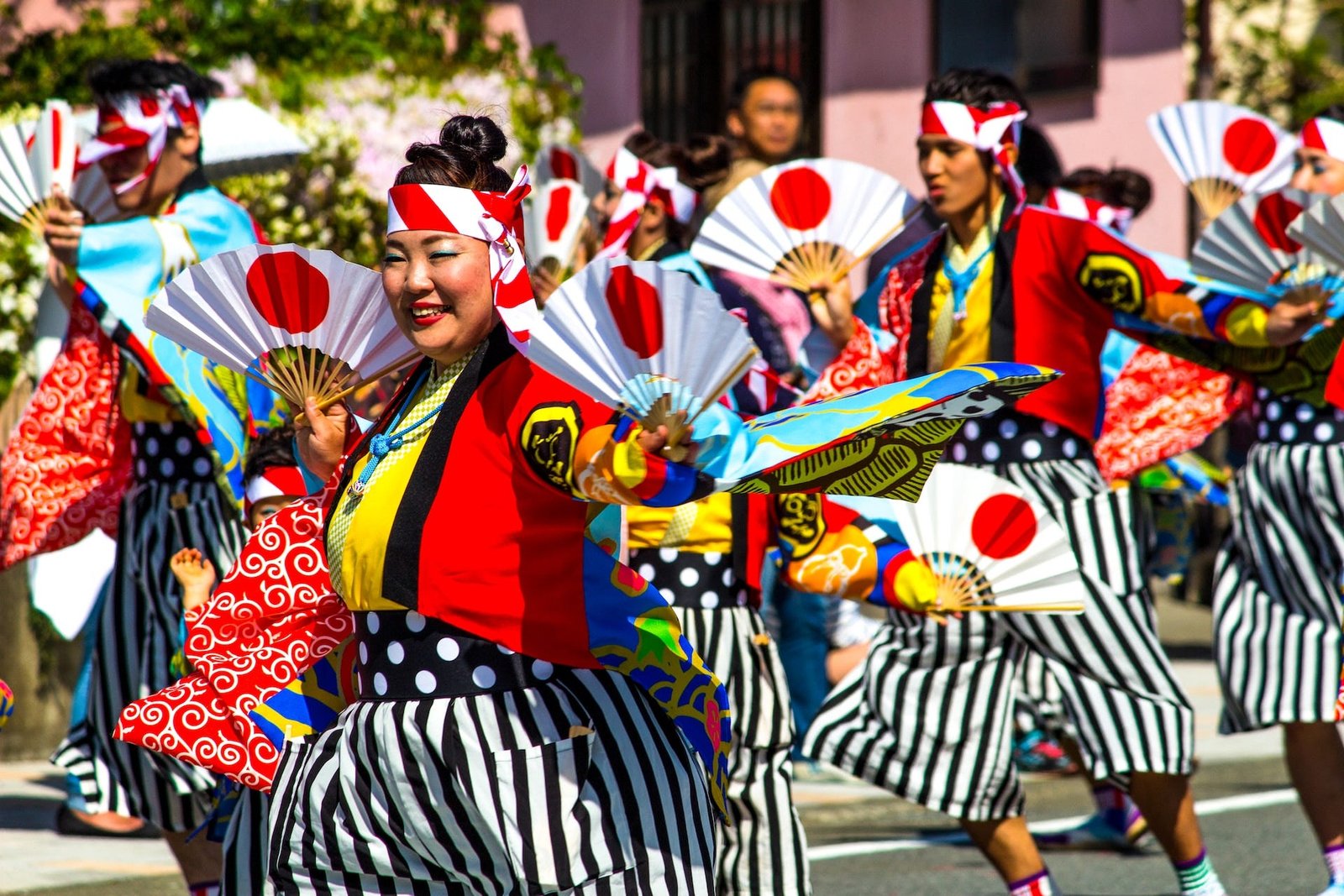
    Japanese music festivals often highlight traditional genres such as Gagaku, Noh, and Taiko drumming. These festivals provide a stage for traditional performances, allowing international audiences to experience Japan’s historical and cultural music forms. Events like the Gagaku Festival and Taiko Festival offer insight into Japan’s musical heritage, promoting cultural appreciation and understanding among attendees.

    Blending Traditional and Modern Sounds

    Many festivals blend traditional Japanese music with contemporary genres, creating a dynamic and diverse musical experience. For instance, the Fuji Rock Festival and Summer Sonic feature a mix of Japanese and international artists across various genres, from rock and electronic to folk and hip-hop. This fusion of old and new encourages cultural exchange by showcasing Japan’s musical evolution and its interactions with global trends.

    Promoting International Collaboration

    Global Artist Participation

    Japanese music festivals frequently invite international artists, fostering collaboration and cross-cultural exchange. By including musicians from different countries, these festivals create a global dialogue through music. For example, the Fuji Rock Festival attracts artists from around the world, providing a platform for diverse musical styles and cultural expressions to interact and influence one another.

    Cultural Exchange Programs

    Some festivals organize cultural exchange programs that include workshops, discussions, and collaborative performances. These programs enable international artists and Japanese musicians to share their techniques, styles, and cultural backgrounds. Such interactions facilitate a deeper understanding of different musical traditions and promote mutual respect among participants.

    Creating a Global Audience

    Attracting International Visitors

    Japanese music festivals draw significant international attendance, contributing to global cultural exchange. Festivals like Summer Sonic and Rock in Japan Festival attract music enthusiasts from around the world, providing them with a unique opportunity to experience Japan’s music scene. The influx of international visitors helps to broaden the festival’s cultural impact and foster a global appreciation for Japanese music.

    Streaming and Media Coverage

    With the advent of digital media, Japanese music festivals now reach global audiences through live streams and media coverage. Online platforms allow people from different countries to watch performances, access festival content, and engage with Japan’s music scene from afar. This virtual presence helps to extend the festivals’ cultural influence and engage a wider audience in cross-cultural dialogue.

    Discover the Best Online Casinos for Gaming Enthusiasts

    If you enjoy the immersive experience of music and entertainment on MoosicLab, why not take your excitement further with the best online casinos Combining thrilling gameplay and vibrant visuals, these casinos offer a perfect complement to the high-quality soundtracks featured on MoosicLab. Dive into a world where great music meets top-notch gaming for an unforgettable leisure experience.

    Encouraging Cultural Understanding

    Educational Initiatives

    Many Japanese music festivals incorporate educational initiatives that promote cultural understanding. Workshops, lectures, and demonstrations provide attendees with insights into Japanese musical traditions and contemporary practices. These educational elements foster a deeper appreciation of Japan’s cultural heritage and encourage attendees to explore and engage with different aspects of Japanese music.

    Cultural Diplomacy

    Japanese music festivals often serve as a form of cultural diplomacy, strengthening international relations through music. By inviting artists from various countries and showcasing diverse musical styles, these festivals create opportunities for cultural exchange and dialogue. This diplomatic approach helps to build bridges between Japan and the global community, fostering positive relationships and mutual understanding.

    Japanese Music Festivals
    Japanese Music Festivals

    Supporting Emerging Artists

    Platform for New Talent

    Japanese music festivals provide a platform for emerging artists to showcase their talent to a global audience. Festivals like SXSW Japan and Tokyo Jazz Festival highlight up-and-coming Japanese musicians and offer them exposure on an international stage. This support for new talent not only enriches Japan’s music scene but also contributes to the global musical landscape.

    Cross-Cultural Mentorship

    Festivals often facilitate mentorship opportunities between established international artists and emerging Japanese musicians. These collaborations provide valuable learning experiences and professional growth for young artists, fostering cross-cultural exchange and enhancing their skills. Such mentorship programs help to nurture talent and promote cultural understanding through artistic collaboration.

    Conclusion

    Japanese music festivals play a crucial role in promoting cultural exchange by showcasing diverse musical traditions, facilitating international collaboration, and attracting a global audience. Through their blend of traditional and contemporary music, educational initiatives, and support for emerging artists, these festivals contribute to a deeper appreciation of Japan’s cultural heritage and foster meaningful connections between Japan and the international community. By embracing the global nature of music, Japanese music festivals continue to enrich the world’s cultural landscape.

  • Exploring the Global Influence of Japanese Music

    Exploring the Global Influence of Japanese Music

    Japanese music, with its rich history and diverse genres, has made a significant impact on the global music scene. From traditional sounds to contemporary hits, Japan’s musical contributions resonate worldwide, influencing various aspects of global music and culture. This article explores the ways in which Japanese music has shaped and enriched the international music landscape.

    Traditional Japanese Music’s Global Appeal

    The Allure of Gagaku and Noh

    Traditional Japanese music, such as Gagaku and Noh, has intrigued global audiences with its unique sounds and historical significance. Gagaku, the ancient court music of Japan, offers a meditative and ethereal quality that has been appreciated in international classical and world music circles. Its use of traditional instruments, like the sho (a mouth organ) and the hichiriki (a double-reed flute), creates a distinctive sound that has captivated listeners and performers outside Japan.

    Noh music, integral to Noh theater, also draws international interest. Its blend of chanting and instrumental music provides a glimpse into Japan’s cultural heritage, attracting scholars and enthusiasts who appreciate its subtle, yet profound, aesthetic.

    The Rise of J-Pop and Its International Impact

    J-Pop’s Global Popularity

    The rise of J-Pop (Japanese pop music) in the late 20th century marked a significant moment in Japan’s global musical influence. Artists like Kyōko Koizumi and Kyu Sakamoto introduced Japanese pop music to international audiences. Kyu Sakamoto’s Sukiyaki became a worldwide hit, demonstrating the potential for Japanese pop to cross cultural boundaries.

    In the 1990s and 2000s, artists such as Hikaru Utada and Namie Amuro further popularized J-Pop on the global stage. Their music, blending traditional Japanese sounds with contemporary styles, reached audiences beyond Japan, contributing to the genre’s international recognition.

    Anime Music’s Global Reach

    Anime music (anisong) has become a prominent part of global pop culture, with themes from Japanese anime series and films gaining widespread popularity. Composers like Yoko Kanno and Joe Hisaishi have created iconic soundtracks that resonate with fans around the world. Their music, often characterized by its emotional depth and diverse arrangements, has found a dedicated international audience.

    The Influence of Japanese Rock and Metal

    Japanese Rock Bands Making Waves

    Japanese rock and metal bands have also left their mark on the global music scene. Bands like X Japan and Dir En Grey have garnered international acclaim for their powerful performances and innovative sound. X Japan, known for their dramatic and theatrical style, has influenced many Western rock and metal musicians, while Dir En Grey’s genre-blending approach has earned them a significant global following.

    The Phenomenon of Babymetal

    Babymetal represents a unique fusion of J-Pop and heavy metal, combining catchy pop melodies with intense metal instrumentation. Their distinct sound and energetic performances have captured the attention of fans worldwide, showcasing Japan’s ability to innovate within and blend different musical genres. Babymetal’s international success highlights Japan’s growing influence in the global metal scene.

    Explore Unique Rewards in Online Gaming

    As MoosicLab continues to push boundaries in sound innovation and creative expression, it’s inspiring to see parallel innovations in other entertainment spaces. One standout example is the variety of promotions available to players in the online casino world. For those interested in exciting bonuses, the crazyevagas casino bonus offers a compelling experience packed with value and entertainment. Whether you’re composing tracks or exploring games, creativity knows no bounds.

    Electronic and Experimental Music Innovations

    Pushing Boundaries with Electronic Music

    Japanese electronic and experimental music artists have made significant contributions to the global music landscape. Ryuichi Sakamoto, known for his work in electronic and ambient music, has influenced international artists with his innovative use of technology and sound. His collaborations with global musicians and his role in shaping electronic music highlight Japan’s impact on this genre.

    The Global Reach of Cornelius

    Cornelius, a leading figure in Japanese electronic music, has gained international recognition for his eclectic and experimental approach. His work, characterized by intricate production and genre-blending, has resonated with global audiences and has contributed to Japan’s reputation as a hub for cutting-edge music.

    Global Influence of Japanese Music
    Global Influence of Japanese Music

    Cross-Cultural Collaborations and Global Influence

    Collaborations with International Artists

    Japanese musicians frequently collaborate with international artists, further expanding their global influence. These collaborations blend different musical styles and traditions, creating unique and innovative sounds. Such cross-cultural exchanges foster a dynamic musical environment and highlight Japan’s role in the global music industry.

    Japan’s Music Festivals and Global Impact

    Japan’s music festivals, such as Summer Sonic and Fuji Rock Festival, attract international artists and audiences. These events showcase a diverse range of music, from traditional Japanese performances to contemporary global acts. The presence of international artists and the participation of global audiences demonstrate Japan’s significant role in the global music scene.

    Conclusion

    Japanese music has had a profound and lasting impact on the global music landscape. From traditional sounds like Gagaku and Noh to modern genres such as J-Pop and electronic music, Japan’s musical contributions continue to influence and inspire. Through international collaborations and innovative genres, Japanese music enriches the global cultural fabric and highlights the country’s creative and artistic prowess.

  • Japanese Horror Films on Hollywood Remakes

    Japanese Horror Films on Hollywood Remakes

    Japanese horror films have had a significant influence on Hollywood. Their unique blend of supernatural elements, psychological tension, and cultural fears made them a hit. In the early 2000s, Hollywood took notice of this success. Since then, several Japanese horror classics have been remade, often becoming blockbusters. This article will explore the ways in which Japanese horror films influenced Hollywood remakes, focusing on themes, visual style, and storytelling techniques.

    Psychological Horror Over Gore

    One of the key differences between traditional Hollywood horror and Japanese horror is the focus on psychological fear. Japanese horror films like Ringu (1998) and Ju-On: The Grudge (2002) rely heavily on atmosphere and suggestion. Instead of relying on gore and violence, they create a slow-building sense of dread.

    Hollywood remakes of these films, such as The Ring (2002) and The Grudge (2004), maintained this emphasis on psychological horror. This shift in focus was a breath of fresh air for Western audiences. In contrast to the slasher films dominating Hollywood at the time, these remakes offered a new, chilling experience. The gradual build-up of tension keeps viewers on edge without relying on excessive bloodshed.

    Cultural Themes Translated for Western Audiences

    Japanese horror often draws from traditional folklore and ghost stories. These cultural elements give the films a unique depth. For example, in Ringu, the cursed videotape is tied to the spirit of a vengeful ghost, a common theme in Japanese folklore. Hollywood remakes had to adapt these cultural references to suit Western audiences. They often kept the core elements of the story but changed details to make them more accessible.

    In The Ring, for instance, the story remains about a cursed videotape, but some aspects were Westernized. The setting, character motivations, and background lore were adjusted to resonate with American viewers. However, the influence of Japanese folklore remains clear in the structure and themes of the film.

    Visual Aesthetics: Subtle but Terrifying

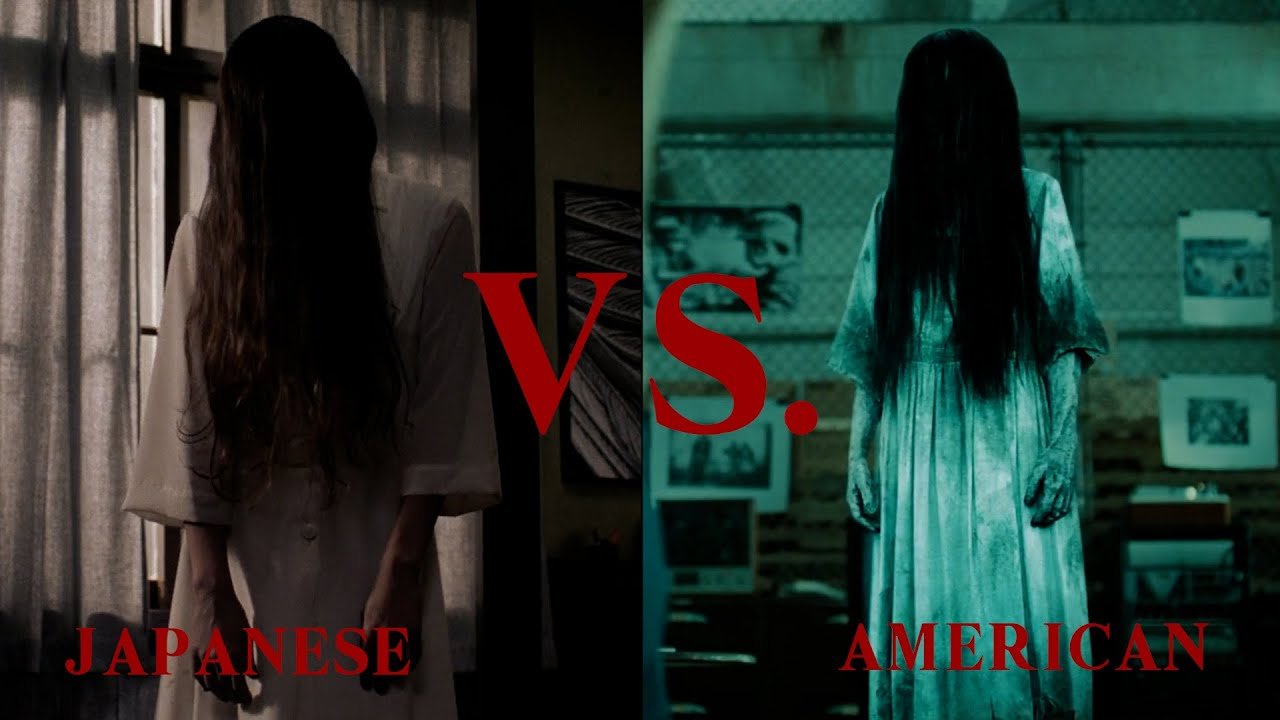
    Japanese horror films are known for their haunting visual style. Filmmakers use dark, shadowy settings and minimalist special effects to evoke fear. Characters like Sadako from Ringu and Kayako from Ju-On are iconic because of their subtle yet terrifying appearances. Long, dark hair, pale skin, and unnatural movements became trademarks of Japanese horror.

    When Hollywood remade these films, they retained much of this visual aesthetic. The Ring and The Grudge both featured similar ghostly figures, with their eerie, slow movements adding to the tension. The impact of these visuals made the films memorable for Western audiences and helped introduce Japanese horror’s distinct style to a global stage.

    Influence on Modern Hollywood Horror

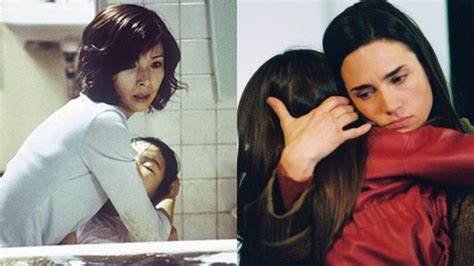
    The success of films like The Ring and The Grudge opened the door for more Japanese horror remakes. Films such as Dark Water (2005), based on Hideo Nakata’s Honogurai Mizu no Soko kara (2002), followed suit. Hollywood’s adaptation of these films showcased how Japanese horror could be a source of inspiration for new stories.

    More recently, the influence of Japanese horror can still be seen in Hollywood. Many modern horror films draw inspiration from the slow-burn tension and supernatural elements that characterize Japanese horror. Even when not directly remaking a Japanese film, directors have borrowed visual and thematic elements to create a similar atmosphere.

    Japanese Horror Films on Hollywood Remakes
    Japanese Horror Films on Hollywood Remakes

    What Hollywood Can Learn from Japanese Horror

    Although many successful remakes have been made, some argue that Hollywood has yet to fully understand the core of Japanese horror. At its heart, Japanese horror reflects deep cultural fears, often tied to concepts of family, loss, and tradition. These themes resonate deeply in Japan but don’t always translate seamlessly to Western audiences.

    Nevertheless, Japanese horror films continue to inspire filmmakers around the world. Their ability to tell a story through atmosphere and suggestion rather than gore remains a valuable lesson for Hollywood. As horror continues to evolve, the influence of Japanese films will likely remain strong.

    Conclusion: A Lasting Impact

    In conclusion, Japanese horror films have left a lasting mark on Hollywood. Their emphasis on psychological terror, use of cultural themes, and distinctive visual style have shaped modern horror cinema. Although Hollywood remakes have made changes to suit Western audiences, the core elements of Japanese horror remain intact. As the genre evolves, the influence of these films will continue to shape the future of horror.

  • The Evolution of Japanese Music: From Traditional to Modern

    The Evolution of Japanese Music: From Traditional to Modern

    Japanese music boasts a rich and diverse history, evolving from ancient traditions to contemporary genres. This journey through time showcases how Japanese music has transformed while maintaining its unique cultural essence. Here, we explore the evolution of Japanese music from its traditional roots to its modern-day forms.

    Traditional Japanese Music

    Ancient Roots and Early Influences

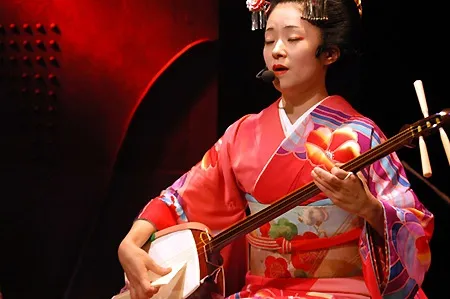
    Japanese music’s origins trace back to ancient times, influenced by various cultural exchanges with China and Korea. Early Japanese music included the use of traditional instruments such as the koto (a zither-like instrument), shamisen (a three-stringed instrument), and biwa (a lute). These instruments were integral to religious and court ceremonies, setting the foundation for Japanese musical traditions.

    Explore Innovative Audio Solutions at MoosicLab

    MoosicLab.com offers advanced audio tools and solutions for musicians, producers, and sound enthusiasts looking to enhance their projects. Their platform combines cutting-edge technology with user-friendly interfaces to deliver professional-quality results. For a mix of entertainment and relaxation alongside your audio explorations, visit the kingjohnnie Homepage to enjoy engaging online experiences. Experience creativity and fun in one seamless digital journey.

    Gagaku and Noh Music

    Gagaku, the classical court music of Japan, dates back over a millennium. This genre features a mix of instrumental and vocal performances, often accompanied by intricate dances. Gagaku has maintained its significance in ceremonial and religious contexts, preserving traditional Japanese musical aesthetics.

    Noh music, associated with Noh theater, is another cornerstone of traditional Japanese music. It combines singing, chanting, and instrumental music to accompany dramatic performances. Noh music emphasizes slow rhythms and subtle tones, reflecting the philosophical and spiritual themes of the plays.

    Medieval and Early Modern Periods

    Kabuki Music

    During the Edo period (1603-1868), Kabuki theater emerged as a popular entertainment form. Kabuki music incorporates lively and dramatic elements, enhancing the theatrical performances with dynamic rhythms and vocal styles. The music of Kabuki includes both traditional instruments and innovative compositions, contributing to its distinctive sound.

    Popular Music and Folk Traditions

    The early modern period saw the rise of popular and folk music genres. Enka, a genre that combines elements of traditional Japanese music with Western influences, became popular in the early 20th century. Enka music often features sentimental lyrics and melodramatic melodies, resonating with audiences through its emotional depth.

    Folk music, or min’yō, also gained prominence during this period. Min’yō encompasses regional styles and songs, reflecting the diverse cultural landscapes of Japan. This genre includes both upbeat and melancholic tunes, often performed at festivals and community events.

    Post-War Transformation

    J-Pop and Western Influences

    The post-war era marked a significant shift in Japanese music, with the rise of J-Pop (Japanese pop music). Influenced by Western rock and pop, J-Pop emerged as a vibrant and eclectic genre. Artists like Kyōko Koizumi and Kyu Sakamoto helped popularize J-Pop, blending traditional Japanese elements with contemporary sounds.

    The 1980s and 1990s saw the emergence of influential J-Pop artists such as Hikaru Utada and Namie Amuro, who introduced innovative styles and international appeal. Their music embraced various genres, from dance-pop to R&B, showcasing Japan’s adaptability to global trends.

    The Rise of Anime Music

    Anime music, or anisong, became a prominent genre in the late 20th century. Themes from anime series and films gained popularity, with artists like Yoko Kanno and Joe Hisaishi contributing memorable soundtracks. Anime music often blends orchestral arrangements with pop and rock influences, creating a unique and immersive auditory experience.

    The Evolution of Japanese Music
    The Evolution of Japanese Music

    Contemporary Trends and Innovations

    Modern Pop and Rock

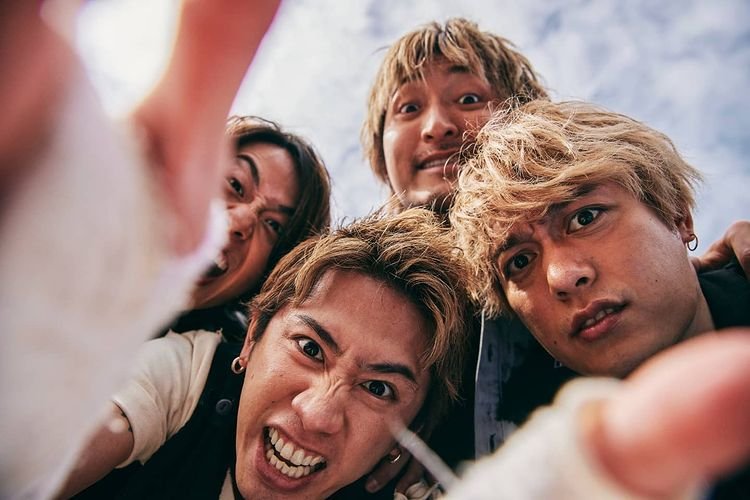
    In recent years, Japanese music has continued to evolve with the emergence of modern pop and rock bands. Artists like Perfume and Arashi represent contemporary J-Pop, incorporating electronic and experimental elements into their music. Similarly, bands like ONE OK ROCK and Babymetal blend rock and metal with traditional Japanese influences, appealing to global audiences.

    Expanding Creative Possibilities

    At MoosicLab, experimentation and artistic exploration drive every project, inspiring creators to blend sound, visuals, and storytelling in bold new ways.
    As digital media continues to diversify, some audiences look for interactive elements that complement their creative journeys, including platforms that offer  more bets.
    Integrating such links within multimedia spaces can highlight how culture and digital engagement often intersect.
    This seamless mix reflects MoosicLab’s commitment to innovative experiences across all forms of expression.

    Electronic and Experimental Music

    The rise of electronic and experimental music in Japan reflects the country’s ongoing innovation in the music industry. Artists like Cornelius and Ryuichi Sakamoto have pushed the boundaries of sound, exploring new textures and technologies. Their work exemplifies Japan’s commitment to blending traditional elements with cutting-edge techniques.

    Globalization and Cross-Cultural Collaborations

    Globalization has further influenced Japanese music, leading to cross-cultural collaborations and international recognition. Japanese artists frequently collaborate with global musicians, expanding their reach and blending diverse musical traditions. This exchange fosters a dynamic and interconnected musical landscape, reflecting Japan’s role in the global music scene.

    Conclusion

    The evolution of Japanese music showcases a rich tapestry of cultural influences and artistic innovation. From traditional court and folk music to modern pop and experimental genres, Japanese music reflects the nation’s ability to honor its heritage while embracing contemporary trends. As Japan continues to push musical boundaries, its diverse and evolving soundscape remains a testament to its vibrant cultural history.

  • How Japanese Horror Films Reflect Social Anxiety

    How Japanese Horror Films Reflect Social Anxiety

    Japanese horror films are more than just chilling stories; they often serve as a reflection of societal fears and anxieties. By delving into supernatural elements and psychological terror, these films provide a unique lens through which to examine the underlying social issues of their time. This article explores how Japanese horror films reflect social anxiety and offer insight into cultural concerns.

    Economic Uncertainty and Isolation

    Japanese horror films frequently address themes of economic instability and social isolation, reflecting broader societal anxieties. For instance, films like Kairo (Pulse) and Tokyo Gore Police explore the impact of economic downturns and social fragmentation on individuals. In Kairo, the pervasive sense of isolation is depicted through the haunting presence of ghosts that emerge from digital technology. This portrayal underscores fears related to the growing disconnect between individuals in a rapidly changing, economically uncertain world.

    Technological Intrusion and Alienation

    The fear of technology’s impact on personal lives is a recurring theme in Japanese horror. Kairo (Pulse) and Ringu delve into the anxieties surrounding digital and media technologies. In Kairo, the intrusion of ghosts through the internet represents fears about technology eroding human connections and amplifying feelings of alienation. Similarly, Ringu explores the disturbing idea of a cursed videotape spreading fear and death, highlighting concerns about technology’s influence and the loss of control over personal lives.

    Post-War Trauma and Historical Memory

    Japanese horror films also reflect the trauma of historical events, particularly post-war anxieties and societal changes. Films like The Grudge and Audition deal with themes of unresolved trauma and the haunting presence of past sins. The Grudge, for example, portrays a curse rooted in a violent and tragic history, symbolizing the lingering impact of past conflicts and societal violence. This reflection of historical memory highlights how personal and collective traumas shape cultural fears.

    Urbanization and the Erosion of Traditional Values

    The rapid urbanization of Japan has led to a perceived erosion of traditional values and communal bonds. Japanese horror films often explore this transition, depicting how modernity disrupts traditional norms and creates new sources of anxiety. In films such as Dark Water, the supernatural elements are intertwined with modern urban settings, illustrating fears related to the loss of connection with the past and the unsettling consequences of living in a densely populated, impersonal city.

    Family Dynamics and Domestic Fear

    Family dynamics and domestic life are central themes in Japanese horror, often reflecting societal anxieties about family structures and relationships. Ju-on: The Grudge and The Ring address fears related to family and domestic spaces, with curses and supernatural events intruding into the home. These films explore themes of betrayal, familial conflict, and the breakdown of traditional family roles, revealing deeper anxieties about the stability and safety of the domestic sphere.

    Mental Health and Psychological Distress

    Japanese horror films frequently delve into psychological horror, portraying mental health issues and personal distress. Audition and Noroi explore the psychological impact of trauma and the unsettling effects of unresolved emotional turmoil. In Audition, the protagonist’s psychological unraveling and the shocking revelation of the antagonist’s past highlight deep-seated fears and mental disturbances. This focus on psychological depth reflects broader societal concerns about mental health and personal vulnerability.

    How Japanese Horror Films Reflect Social Anxiety
    How Japanese Horror Films Reflect Social Anxiety

    Social Conformity and Rebellion

    The tension between social conformity and individual rebellion is another theme reflected in Japanese horror films. Many films depict characters who struggle against societal expectations and norms, leading to horrifying consequences. The Ring Virus and The Strange Saga of the Haunted School explore how societal pressures and the struggle for conformity can lead to extreme and supernatural outcomes. This tension reveals anxieties about societal expectations and the consequences of deviating from established norms.

    Conclusion

    Japanese horror films offer more than just scares; they serve as a mirror to societal anxieties and cultural concerns. Through their exploration of economic uncertainty, technological intrusion, historical trauma, urbanization, family dynamics, mental health, and social conformity, these films provide a nuanced reflection of the fears and challenges faced by Japanese society. By delving into these themes, Japanese horror films offer both a chilling and insightful perspective on the complex landscape of social anxiety.

  • Top Japanese Horror Films for Thrill Seekers

    Top Japanese Horror Films for Thrill Seekers

    Japanese horror films are renowned for their ability to deliver spine-chilling thrills and psychological terror. With a rich tradition of supernatural stories and unique cinematic techniques, these films offer a distinctive experience for thrill seekers. Here are some of the top Japanese horror films that are sure to keep you on the edge of your seat.

    Ringu (1998)

    Directed by Hideo Nakata, Ringu is a seminal work in Japanese horror. The film introduces a cursed videotape that causes anyone who watches it to die within seven days. The chilling atmosphere and creeping dread make Ringu a must-watch for horror enthusiasts. Its innovative plot and unsettling imagery have had a profound impact on the genre, leading to an American remake and several sequels.

    Ju-on: The Grudge (2002)

    Ju-on: The Grudge, directed by Takashi Shimizu, is a landmark film in the J-Horror genre. The story revolves around a curse that spreads from one victim to another, creating a web of horror that seems impossible to escape. Known for its non-linear narrative and eerie atmosphere, Ju-on has become a classic, inspiring remakes and adaptations worldwide.

    Audition (1999)

    Takashi Miike’s Audition is a unique entry into the horror genre, blending psychological horror with shocking twists. The film follows a widower who holds a fake audition to find a new wife, only to discover that one of the candidates harbors a dark and disturbing past. The gradual build-up of tension and the shocking climax make Audition an unforgettable experience.

    Dark Water (2002)

    Dark Water, directed by Hideo Nakata, tells the story of a mother and daughter who move into an apartment with a sinister water stain. The film expertly combines atmospheric tension with a haunting story, using the motif of water to symbolize the supernatural. Dark Water is celebrated for its emotional depth and eerie ambiance, making it a standout in Japanese horror.

    Kairo (Pulse) (2001)

    Kairo, directed by Kiyoshi Kurosawa, explores the unsettling impact of technology on human connection. The film presents a world where ghosts invade through the internet, creating an atmosphere of isolation and existential dread. Kairo is known for its innovative approach to horror and its thought-provoking commentary on modern society.

    While Japanese horror films masterfully build tension through psychological dread, some thrill-seekers prefer the instant adrenaline of high-stakes games. For those moments when you need a different kind of rush, the excitement at Gold Coast casino delivers that electrifying experience.

    From the eerie atmospheres of “Ring” to the relentless terror of “Ju-on,” these films prove that true fear requires masterful pacing and unforgettable imagery. Much like these cinematic classics, the best entertainment knows how to keep you on the edge of your seat. Whether you’re exploring supernatural tales or seeking your next adventure, both worlds offer unforgettable moments for true enthusiasts.

    Top Japanese Horror Films
    Top Japanese Horror Films

    The Ring Virus (1999)

    The Ring Virus is a South Korean adaptation of the Japanese film Ringu. While it follows a similar plot, it introduces unique cultural elements and a different perspective on the cursed videotape narrative. Directed by Kim Dong-bin, this film offers a fresh take on the original story while maintaining the eerie tension that made Ringu famous.

    Noroi (2005)

    Noroi, directed by Kōji Shiraishi, is a found footage-style horror film that delves into a disturbing tale of ancient curses and supernatural events. The film’s use of a mockumentary format enhances its realism and creates a deeply unsettling atmosphere. Noroi is praised for its intricate plot and effective use of found footage techniques.

    The Strange Saga of the Haunted School (1997)

    Also known as Haunted School, this film, directed by Hirohisa Sasaki, explores the terrifying experiences of students at a haunted school. Combining elements of supernatural horror with school-based drama, the film creates a chilling and suspenseful atmosphere that will captivate horror fans.

    Shutter (2004)

    Shutter, directed by Banjong Pisanthanakun and Parkpoom Wongpoom, is a Thai-Japanese horror film that follows a photographer who begins seeing ghostly apparitions in his photos. The film’s clever use of photography as a medium for horror and its unsettling scares make it a memorable entry in the genre.

    One Missed Call (2003)

    Directed by Takashi Miike, One Missed Call centers around a series of mysterious phone calls that predict the deaths of the callers. The film’s innovative concept and disturbing visuals create a suspenseful and frightening experience. One Missed Call has also been adapted into American and Korean versions, showcasing its global appeal.

    Conclusion

    These top Japanese horror films offer a diverse range of scares, from supernatural curses to psychological terror. Their unique storytelling techniques, atmospheric tension, and cultural elements make them essential viewing for any thrill seeker. Whether you’re a longtime fan of the genre or new to Japanese horror, these films promise a gripping and unforgettable experience.

  • Exploring the Cinematic Techniques of Japanese Horror Films

    Exploring the Cinematic Techniques of Japanese Horror Films

    Japanese horror films are renowned for their ability to create profound fear and unease, and their cinematic techniques play a significant role in achieving this. These techniques range from innovative use of sound and visual elements to unique narrative structures. This article explores the key cinematic techniques that define Japanese horror films and contribute to their eerie effectiveness.

    Atmospheric Lighting and Composition

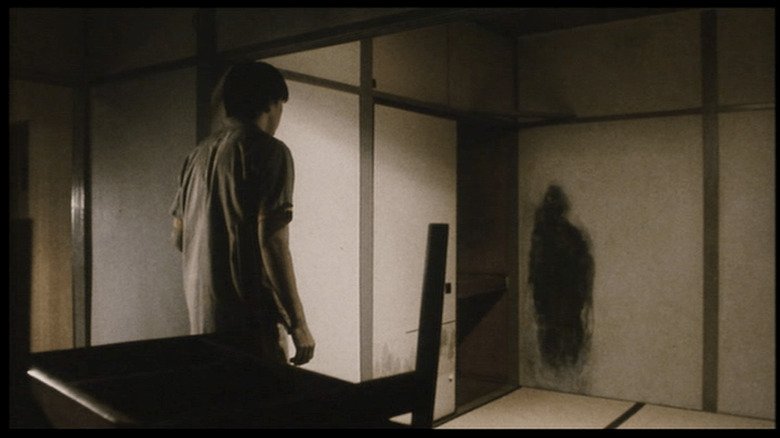
    Japanese horror films often utilize atmospheric lighting and composition to enhance their unsettling atmosphere. Dim lighting, shadowy environments, and muted color palettes create a sense of foreboding and mystery. This use of lighting is crucial in establishing the film’s tone and making ordinary settings appear menacing.

    In films like Ringu and Ju-on: The Grudge, the careful use of shadows and low light intensifies the sense of dread. By obscuring details and focusing on dark, claustrophobic spaces, these films create an environment where the unknown is more frightening than what is explicitly shown.

    Innovative Sound Design

    Sound design is another critical element in Japanese horror cinema. These films often use minimalistic and unsettling soundscapes to build tension and enhance the horror experience. Subtle background noises, eerie sound effects, and sudden, jarring sounds contribute to a pervasive sense of unease.

    For instance, in Kairo (Pulse), the use of ambient sounds and digital noises creates an eerie atmosphere that reflects the film’s themes of isolation and technology. The strategic use of sound heightens emotional impact and keeps viewers on edge, making the horror feel more immediate and real.

    Slow-Burn Tension

    Japanese horror films are known for their slow-burn approach to tension. Unlike films that rely on immediate shocks or gore, Japanese horror often builds suspense gradually. This technique involves creating a sense of growing dread over time, allowing the horror to seep into the narrative and the viewer’s psyche.

    Films like Dark Water use this slow-burn approach to create an escalating sense of dread. By focusing on the gradual unraveling of the story and the slow reveal of supernatural elements, these films immerse viewers in a sustained atmosphere of fear.

    Psychological Depth and Character Focus

    Many Japanese horror films delve deeply into psychological horror, focusing on characters’ emotional and mental states rather than just supernatural elements. This approach involves exploring themes such as trauma, guilt, and psychological distress.

    Audition is a prime example, where the psychological horror unfolds through the protagonist’s experiences and relationships. By emphasizing character development and emotional depth, Japanese horror films create a more intimate and disturbing experience for viewers.

    Non-Linear Narratives

    Japanese horror films frequently employ non-linear storytelling techniques to enhance their eerie effects. This narrative structure involves presenting events out of chronological order, creating a disorienting and unsettling experience for the audience.

    Ju-on: The Grudge uses a non-linear narrative to piece together the curse’s history and its impact on different characters. This fragmented storytelling approach heightens the sense of confusion and fear, making the horror feel more chaotic and unpredictable.

    Use of Traditional Folklore and Symbolism

    Incorporating elements of traditional Japanese folklore and symbolism adds a unique cultural dimension to horror films. These films often feature supernatural beings and concepts rooted in Japanese mythology, such as yūrei (ghosts) and onryō (vengeful spirits).

    For example, Ringu and The Ring Virus draw on traditional ghost stories and curses, integrating them into modern settings. The use of folklore and symbolism adds layers of meaning and cultural context, enriching the horror experience.

    Cinematic Techniques of Japanese Horror Films
    Cinematic Techniques of Japanese Horror Films

    Effective Use of Silence and Absence

    Silence and the absence of sound are powerful tools in Japanese horror films. By strategically using silence, these films create moments of intense anticipation and unease. The sudden introduction of sound after a period of silence can be particularly jarring and effective.

    The Ring series utilizes silence to build tension and create an eerie atmosphere. The absence of sound in key scenes allows viewers to focus on subtle visual cues and amplifies the impact of sudden, disturbing noises.

    Subtle Supernatural Elements

    Japanese horror often employs subtle supernatural elements rather than overt, dramatic effects. This approach involves integrating supernatural occurrences into everyday life, making them feel more insidious and believable.

    In Kairo (Pulse), supernatural elements are presented in a subdued manner, reflecting the film’s themes of isolation and technological intrusion. This subtlety enhances the sense of dread and makes the supernatural feel like an inescapable part of reality.

    Conclusion

    The cinematic techniques used in Japanese horror films are integral to their ability to evoke fear and unease. From atmospheric lighting and innovative sound design to psychological depth and subtle supernatural elements, these techniques create a unique and compelling horror experience. By exploring these techniques, viewers can gain a deeper appreciation for the artistry and effectiveness of Japanese horror cinema.