Author: Kyo

  • The Unique Elements of Japanese Horror Films

    The Unique Elements of Japanese Horror Films

    Japanese horror films hold a special place in the global horror genre. They are unique in their storytelling, atmosphere, and themes. While many Western horror films focus on jump scares, Japanese horror takes a different approach. It blends supernatural elements with deep psychological thrills, making the audience feel a lingering sense of unease. In this article, we will explore what makes Japanese horror films stand out, from ghost stories to the psychological impact they leave behind.

    The Role of Ghosts in Japanese Horror

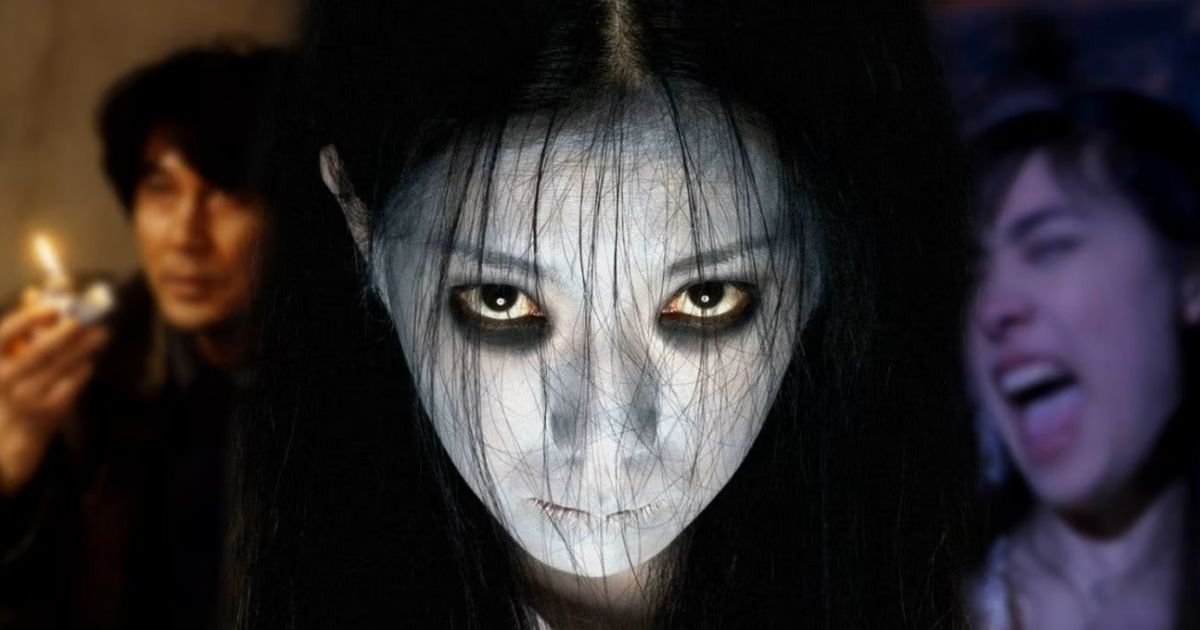
    First and foremost, Japanese horror often draws heavily from its rich folklore. Ghosts, or “yūrei,” play a central role in many films. These spirits are not just meant to scare; they often have tragic backstories. Unlike Western ghosts, yūrei are portrayed with long, dark hair and pale skin, which adds to their eerie presence. For instance, movies like The Ring and Ju-On: The Grudge feature vengeful spirits who haunt the living. The key difference here is the atmosphere. Instead of relying on loud scares, these films use slow-building tension, making the horror more psychological.

    Psychological Horror Over Jump Scares

    In addition to the supernatural, Japanese horror excels at psychological horror. The focus is not always on monsters or gore. Instead, filmmakers delve into the characters’ minds, exploring their fears and anxieties. This approach keeps viewers on edge long after the movie ends. One notable example is Audition by Takashi Miike. The film begins as a slow-paced drama but gradually transforms into a psychological nightmare. As a result, the tension builds subtly, leaving viewers with a lasting sense of dread.

    Minimalism in Japanese Horror Films

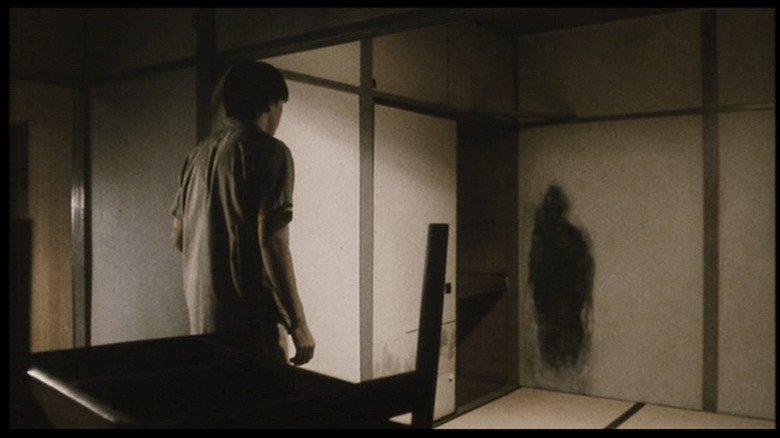
    Another unique element in Japanese horror is minimalism. The settings are often simple, but this simplicity amplifies the unease. For example, many scenes take place in ordinary homes, schools, or small towns. This contrast between normal settings and terrifying events makes the horror more relatable. Viewers feel as though the supernatural could easily invade their own lives. Consequently, films like Dark Water and Cure use minimal settings to heighten suspense, making every shadow and silence feel menacing.

    The Importance of Atmosphere

    Next, atmosphere plays a significant role in Japanese horror. Directors focus on creating an unsettling mood rather than shocking the audience with sudden scares. Music and sound design are often sparse, leaving viewers in eerie silence. For example, Onibaba and Kuroneko are older films that masterfully use silence and tension to create a haunting atmosphere. The lack of noise forces the viewer to pay attention to every small detail, building a slow but intense fear.

    Cultural Themes and Folklore

    Japanese horror also frequently incorporates themes from the country’s history and folklore. Stories of revenge, family curses, and ancestral spirits are common. Moreover, these films explore deeper cultural issues, such as guilt, shame, and social isolation. This connection to cultural themes adds depth to the horror, making it resonate more with audiences. A great example is Kwaidan, which is a collection of ghost stories based on traditional Japanese folklore. The film’s blend of folklore and eerie visuals creates an unforgettable experience.
    The Unique Elements of Japanese Horror Films
    The Unique Elements of Japanese Horror Films

    Influence on Western Horror

    Furthermore, Japanese horror has had a significant influence on Western cinema. Many iconic Japanese films have been remade for Western audiences, including The Ring and The Grudge. These adaptations helped introduce Western viewers to the slow-burn style of Japanese horror. While the remakes gained popularity, they often missed the subtle tension and atmosphere that made the originals so powerful. This difference highlights the unique storytelling elements that make Japanese horror films stand out globally.

    Conclusion

    In conclusion, Japanese horror films are unique because they blend supernatural elements with psychological depth. From ghost stories rooted in folklore to minimalist settings and eerie atmospheres, these films leave a lasting impact on their viewers. Unlike many Western horror films, which rely on jump scares, Japanese horror builds tension slowly and explores the darker sides of human nature. As a result, these films continue to captivate and terrify audiences worldwide.
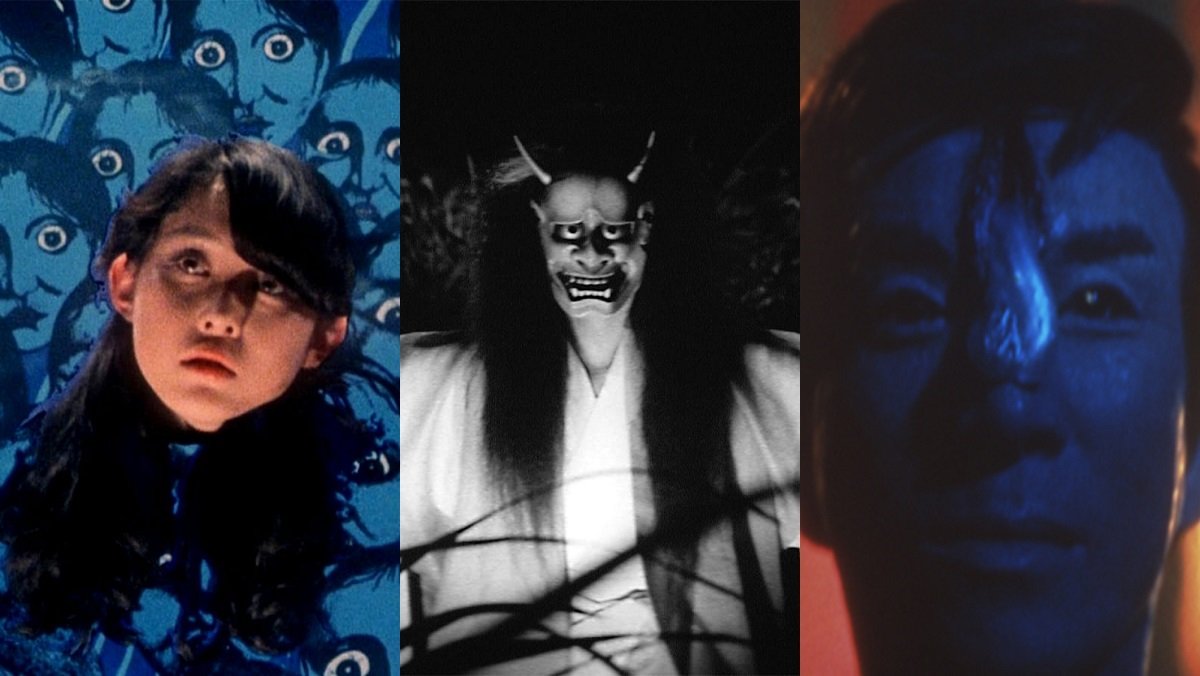
  • The Most Terrifying Japanese Horror Films to Watch

    The Most Terrifying Japanese Horror Films to Watch

    Japanese horror films are renowned for their chilling atmosphere, unsettling narratives, and unique approach to the genre. Drawing on a rich tradition of supernatural folklore and psychological terror, these films have left an indelible mark on global horror cinema. This article highlights some of the most terrifying Japanese horror films that have captivated and terrified audiences, showcasing the diverse and innovative ways in which Japanese filmmakers explore fear.

    Ringu (1998)

    Ringu, directed by Hideo Nakata, is a seminal film in the Japanese horror genre and is widely credited with popularizing the J-horror movement. The film revolves around a cursed videotape that causes anyone who watches it to die seven days later. With its eerie atmosphere, haunting visuals, and chilling premise, Ringu has become a classic in horror cinema. Its influence extends beyond Japan, inspiring numerous remakes, including the American version, The Ring.

    Ju-on: The Grudge (2002)

    Ju-on: The Grudge, directed by Takashi Shimizu, is another cornerstone of Japanese horror. The film tells the story of a vengeful spirit that haunts a house, causing horrific events to unfold for anyone who enters. Its non-linear narrative and disturbing imagery create a relentless sense of dread. Ju-on has been praised for its effective use of supernatural elements and has also been adapted into an American franchise, known as The Grudge.

    The Ring Two (1999)

    The sequel to Ringu, The Ring Two, continues the terrifying story of the cursed videotape. Directed by Hideo Nakata, this film deepens the lore of the original while introducing new elements of horror. It explores the consequences of the curse and the desperate attempts to break it. Although not as groundbreaking as its predecessor, The Ring Two is still a compelling continuation of the eerie tale.

    Audition (1999)

    Directed by Takashi Miike, Audition is a disturbing psychological horror film that starts as a slow-burning drama before erupting into shocking violence. The film follows a widower who holds auditions to find a new wife, only to discover that one of the candidates harbors dark and twisted secrets. Audition is renowned for its unsettling atmosphere and the intense climax that has left audiences both horrified and mesmerized.

    Noroi (2005)

    Noroi, directed by Kōji Shiraishi, is a found footage horror film that delves into Japanese folklore and supernatural occurrences. The film presents itself as a documentary about a series of mysterious deaths and events connected to an ancient curse. Its use of found footage techniques and unsettling atmosphere creates a sense of realism that enhances the horror experience. Noroi has gained a cult following for its original approach and effective scares.

    Japanese Horror Films
    Japanese Horror Films

    Dark Water (2002)

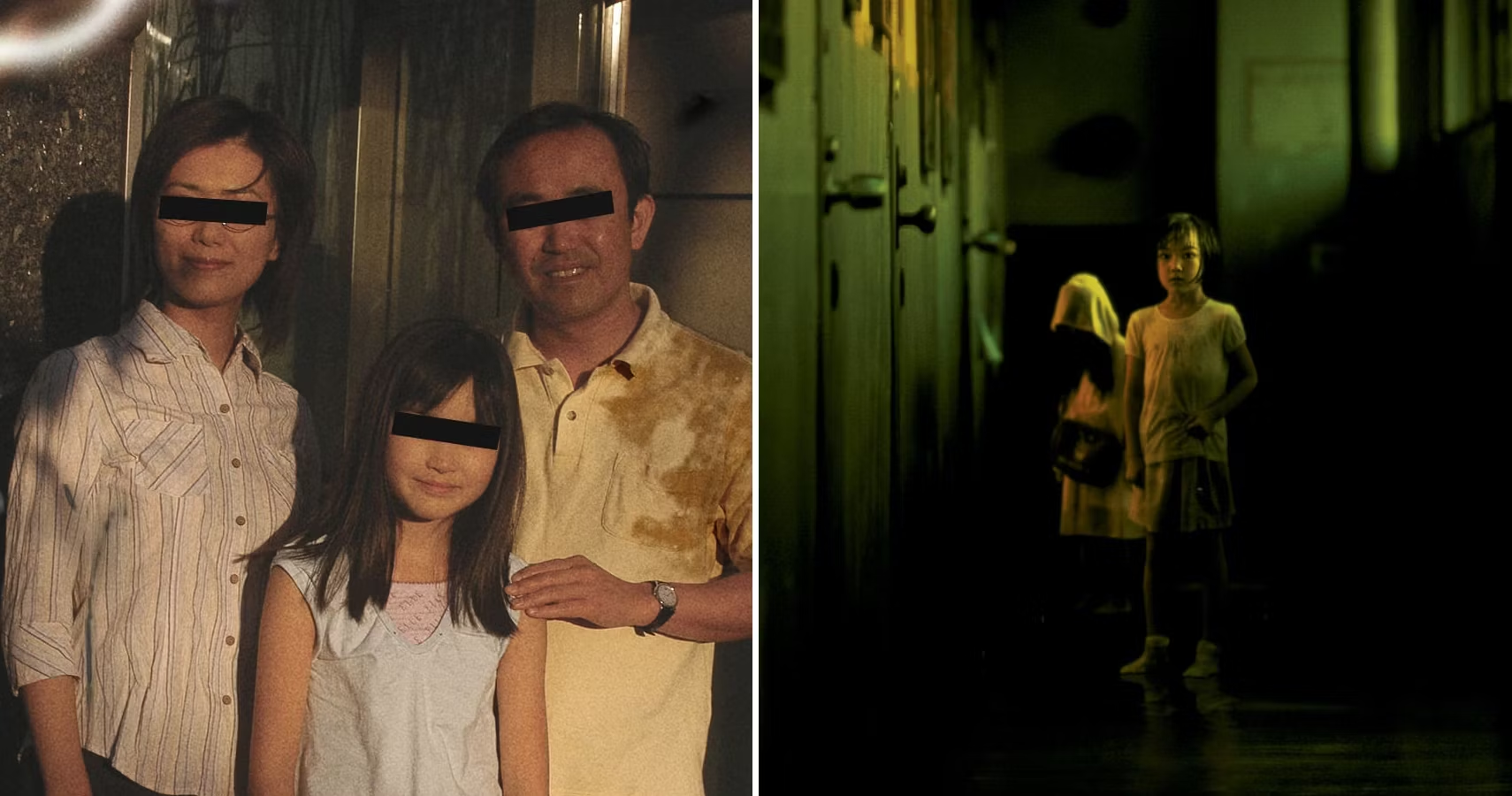
    Dark Water, directed by Hideo Nakata, is a supernatural horror film that combines elements of psychological and ghostly terror. The story revolves around a mother and daughter who move into a dilapidated apartment building, only to be haunted by a vengeful spirit. The film is notable for its atmospheric tension, emotional depth, and disturbing imagery. It was adapted into an American film of the same name, further demonstrating its impact on the horror genre.

    The Grudge 2 (2006)

    Following the success of Ju-on: The Grudge, The Grudge 2, directed by Takashi Shimizu, continues the story of the malevolent spirit that haunts and destroys lives. The film expands on the mythology of the curse, introducing new characters and scenarios. While it may not have the same fresh impact as the original, The Grudge 2 offers more of the unsettling atmosphere and supernatural horror that fans of the genre have come to expect.

    Kairo (2001)

    Kairo (also known as Pulse), directed by Kiyoshi Kurosawa, is a haunting exploration of isolation and technology. The film tells the story of a mysterious online presence that leads to a series of strange and deadly occurrences. Its slow-burn approach and chilling depiction of a technologically driven apocalypse create a sense of pervasive dread. Kairo is acclaimed for its innovative use of horror themes and unsettling atmosphere.

    One Missed Call (2003)

    Directed by Takashi Miike, One Missed Call is a supernatural horror film that follows a series of murders linked to missed phone calls from the victims’ own future deaths. The film effectively combines elements of technological fear with traditional ghost stories. Its suspenseful plot and creepy imagery have made it a standout in Japanese horror cinema. Like other films in the genre, One Missed Call has been adapted into an American version, further extending its influence.

    Conclusion

    Japanese horror films offer a unique and unsettling approach to the genre, characterized by their chilling atmospheres, inventive storytelling, and deep connections to cultural fears and folklore. From the groundbreaking Ringu to the disturbing Audition and the atmospheric Dark Water, these films showcase the diverse and impactful ways in which Japanese filmmakers explore terror. For fans of horror, these films provide a fascinating and terrifying glimpse into the creative and unsettling world of Japanese cinema.

  • The Impact of Japanese Anime Films on Animation Worldwide

    The Impact of Japanese Anime Films on Animation Worldwide

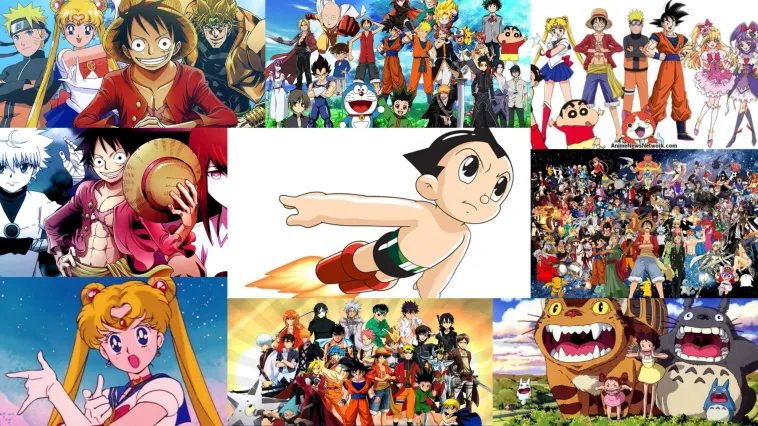
    Japanese anime films have left a profound mark on the global animation industry, influencing storytelling techniques, visual styles, and thematic content. Their unique approach to animation and narrative has inspired countless creators and reshaped the way animation is perceived and produced worldwide. This article explores the impact of Japanese anime films on animation globally, highlighting their contributions to the industry and their influence on international animation.

    Innovative Storytelling Techniques

    Japanese anime films are renowned for their innovative storytelling techniques, which often push the boundaries of traditional narrative structures. Films like Akira and Spirited Away explore complex themes and present intricate plots that challenge conventional storytelling norms. These films often blend multiple genres and narrative styles, creating rich and multifaceted stories. Their success has inspired animators and filmmakers around the world to experiment with new storytelling approaches, incorporating elements of fantasy, science fiction, and psychological drama into their own work.

    Distinct Visual Styles

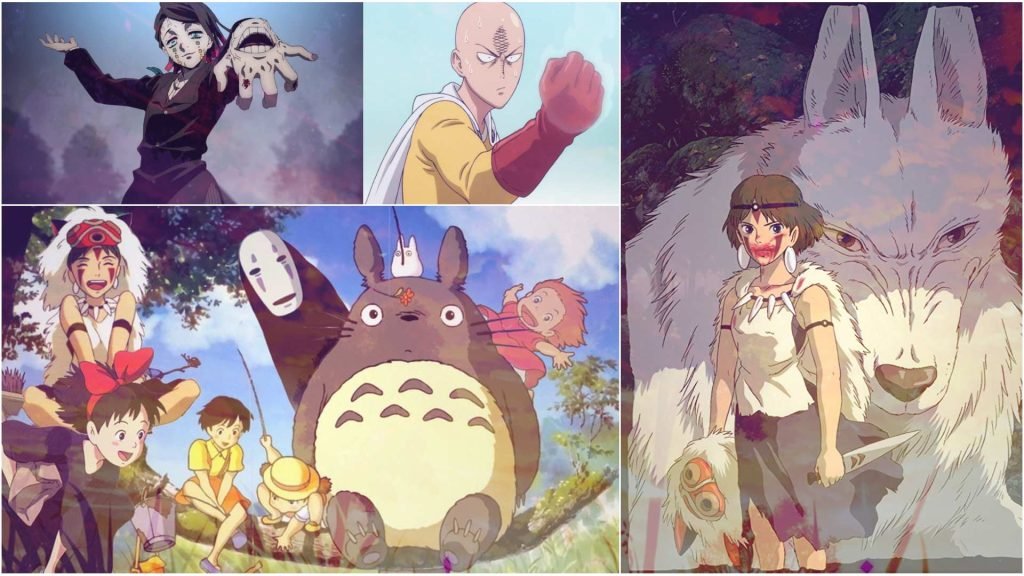
    The visual styles of Japanese anime films have significantly influenced global animation. The use of vibrant colors, dynamic camera angles, and detailed backgrounds creates a distinctive look that sets anime apart from other forms of animation. The artistic techniques employed in anime, such as cel shading and expressive character designs, have inspired animators across various industries. For example, the visual aesthetics of Studio Ghibli films, including My Neighbor Totoro and Princess Mononoke, have influenced the design of animated features and TV shows in both Western and Asian markets.

    Exploration of Complex Themes

    Japanese anime films often tackle complex and mature themes that are less commonly explored in mainstream animation. Themes such as existentialism, identity, and social issues are frequently addressed in anime, offering viewers a deeper and more thoughtful viewing experience. Films like Ghost in the Shell and Perfect Blue delve into issues of consciousness and reality, pushing the boundaries of what animation can achieve. This exploration of mature and thought-provoking themes has encouraged global animators to address similar topics in their own work, broadening the scope of animated storytelling.

    Cultural Exchange and Inspiration

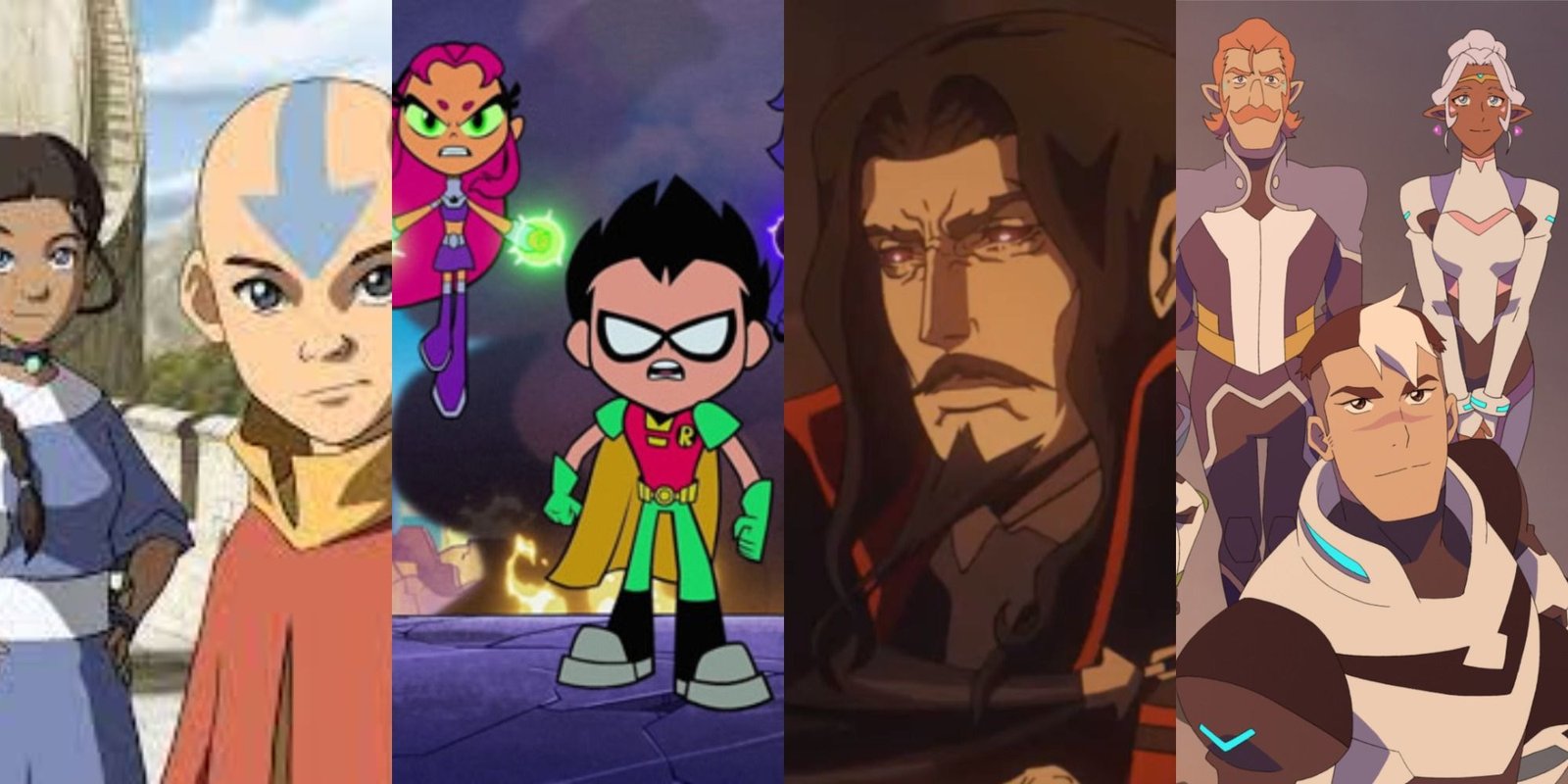
    The global success of Japanese anime films has fostered cultural exchange and inspired animators from different backgrounds. Many international creators draw inspiration from anime’s unique aesthetic and narrative style, integrating elements of Japanese animation into their own projects. This cross-cultural influence is evident in the growing number of animated works that incorporate anime-inspired visuals, themes, and storytelling techniques. Shows like Avatar: The Last Airbender and The Legend of Korra showcase the impact of anime on Western animation, blending anime-style artistry with Western storytelling.

    Expansion of Genre Diversity

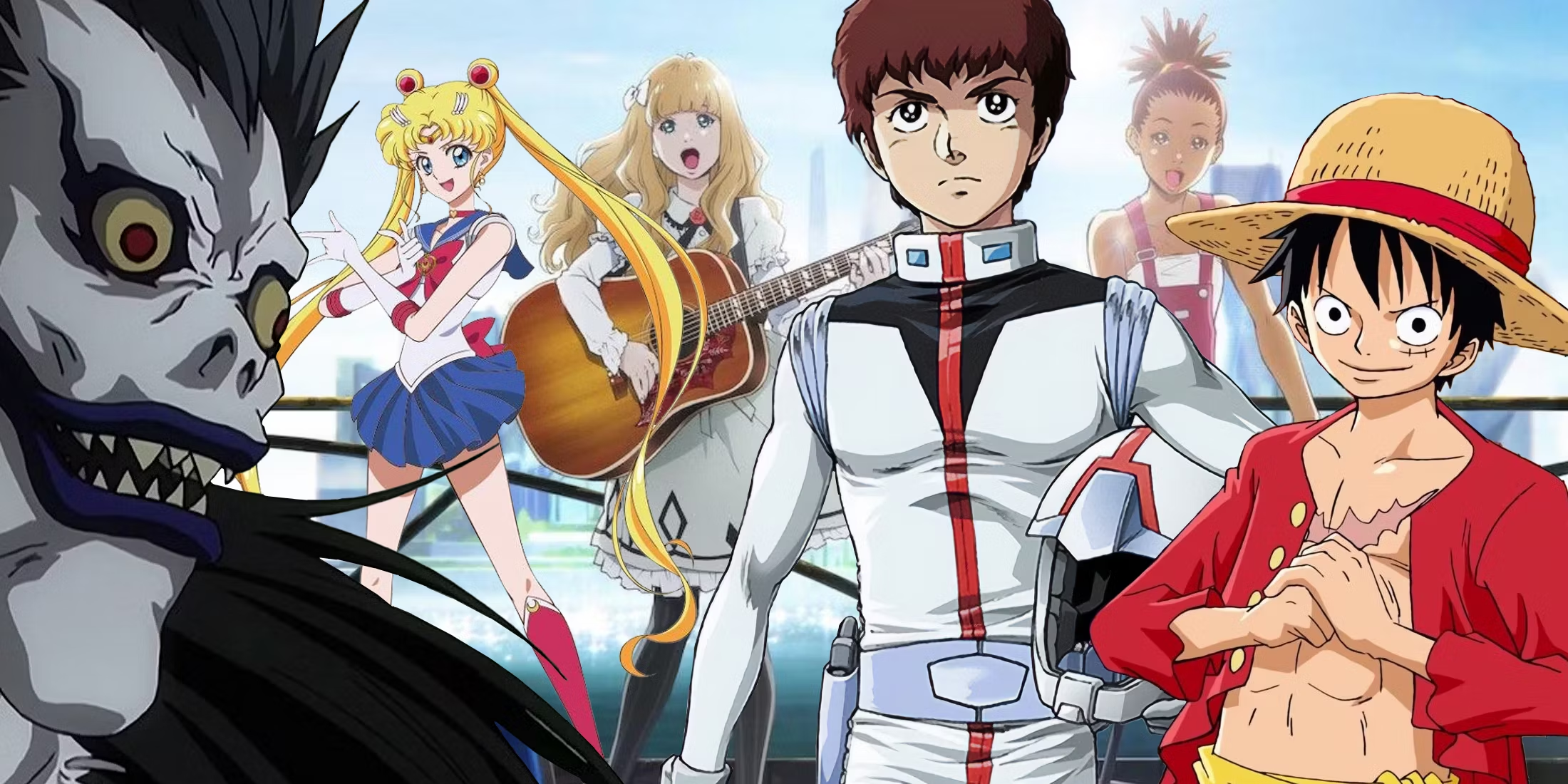
    Anime films have expanded the range of genres and styles available in animation, introducing audiences to new and diverse forms of storytelling. Genres such as mecha, magical realism, and psychological thriller have gained prominence through anime, influencing the development of similar genres in global animation. For instance, the success of mecha anime like Mobile Suit Gundam has inspired the creation of similar mecha-themed content in both animated series and films worldwide. The diverse genre landscape of anime has encouraged animators to explore new and unconventional genres, enriching the global animation industry.

    Animation Worldwide
    Animation Worldwide

    Influence on Animation Techniques

    The innovative animation techniques used in Japanese anime films have influenced the production practices of animation studios worldwide. Techniques such as hand-drawn animation, use of CGI, and blending of traditional and digital methods have been adopted and adapted by animators globally. The emphasis on fluid animation and intricate detail in films like Paprika and Howl’s Moving Castle has set new standards for animation quality and creativity. This influence is evident in the increasing use of similar techniques in animated features and series produced outside Japan.

    Merchandising and Spin-Offs

    The success of Japanese anime films has also impacted global animation through merchandising and spin-offs. Popular anime films often generate a range of related merchandise, including toys, clothing, and video games, which extends their influence beyond the screen. The commercial success of anime-related products has demonstrated the potential for animation to create lucrative franchises and expand into various media. This success has inspired international studios to explore similar merchandising opportunities and franchise-building strategies.

    Conclusion

    Japanese anime films have had a significant and far-reaching impact on animation worldwide. Their innovative storytelling techniques, distinct visual styles, exploration of complex themes, and influence on animation practices have reshaped the global animation industry. By introducing new genres, techniques, and cultural perspectives, anime has expanded the possibilities of animated storytelling and inspired creators across the globe. As anime continues to evolve and captivate audiences, its influence on the animation industry is likely to grow even further, shaping the future of animation around the world.

  • A Guide to the Best Anime Films

    A Guide to the Best Anime Films

    Anime films offer a diverse range of stories suitable for children and families. They combine beautiful animation with engaging narratives. This guide will help you discover the best anime films that are perfect for family viewing.

    1. My Neighbor Totoro

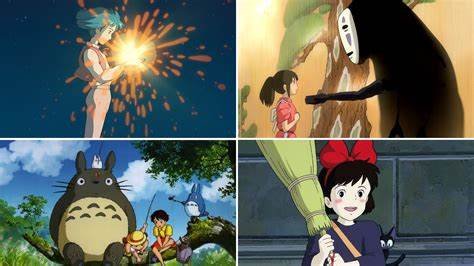
    Firstly, “My Neighbor Totoro” is a must-watch for families. Directed by Hayao Miyazaki, it tells the story of two young sisters who move to the countryside. There, they encounter magical creatures, including the friendly Totoro. Consequently, this film is heartwarming and beautifully animated, making it ideal for children.

    2. Spirited Away

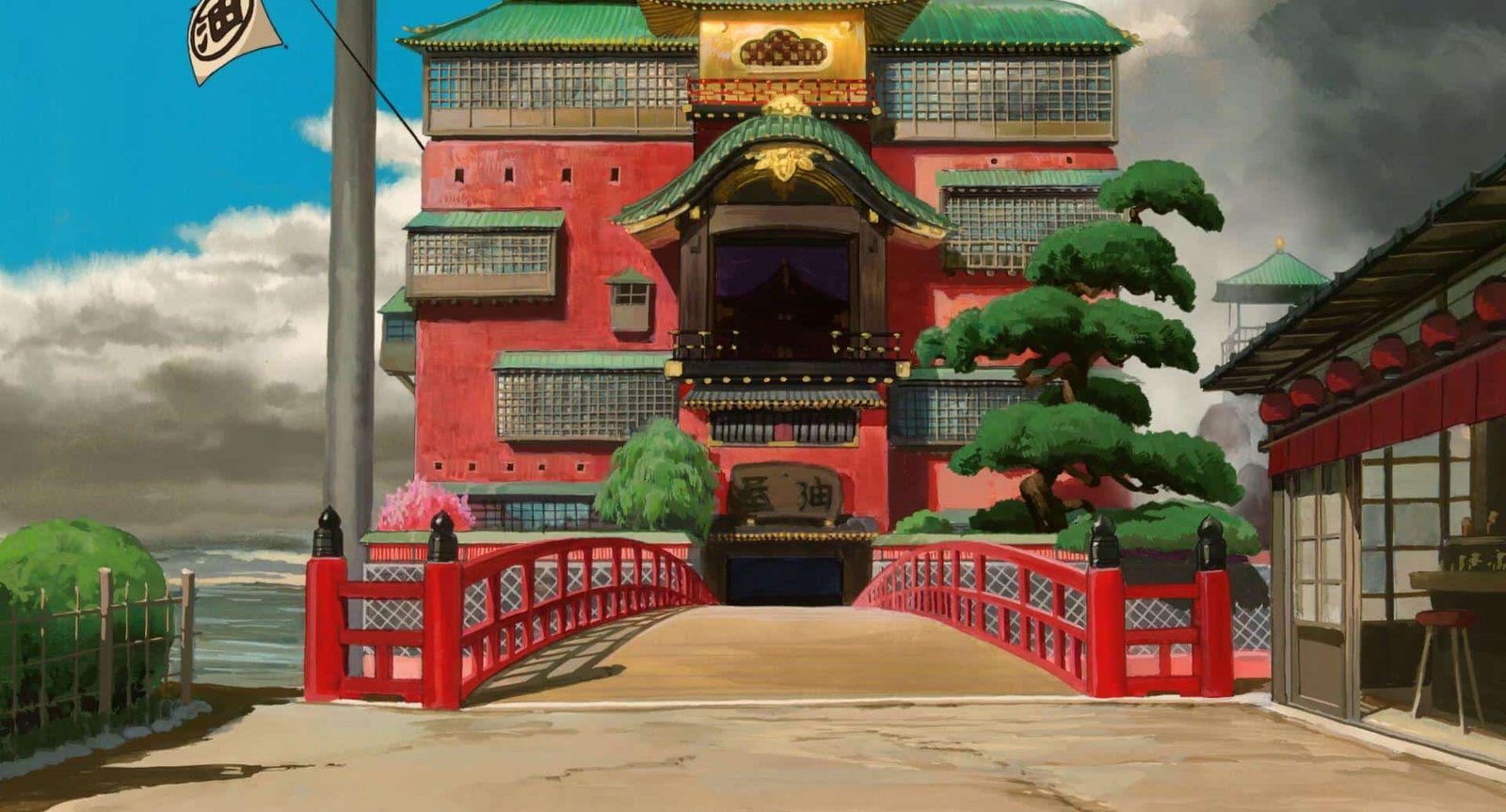
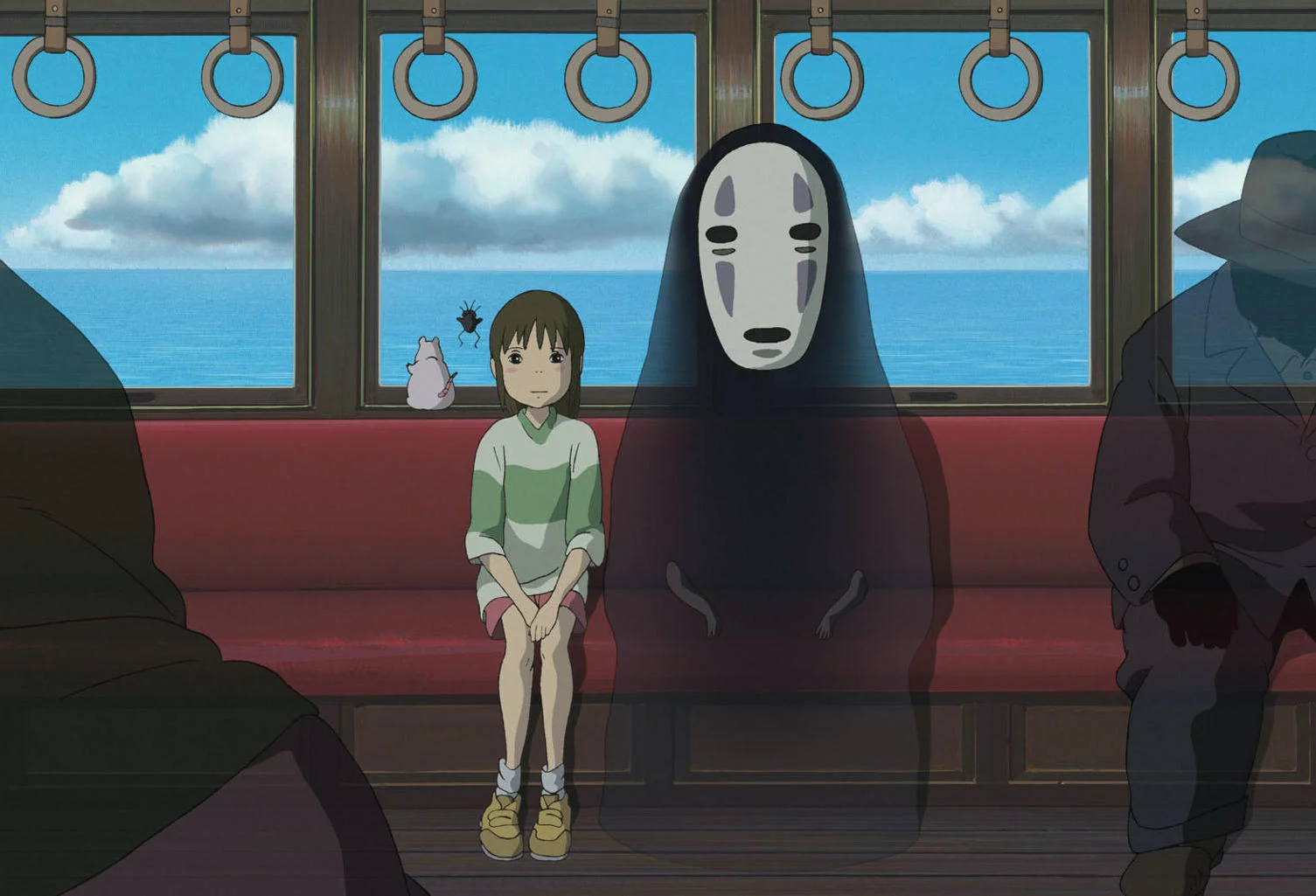
    Next, “Spirited Away” is another fantastic choice. Also directed by Hayao Miyazaki, this film follows a young girl named Chihiro who becomes trapped in a mysterious spirit world. As a result, the story combines adventure and fantasy with stunning visuals. It offers a captivating experience for both children and adults.

    3. Kiki’s Delivery Service

    Additionally, “Kiki’s Delivery Service” is a charming film for the whole family. It follows Kiki, a young witch, as she starts her own delivery service. Moreover, this film highlights themes of independence and self-discovery. Its lighthearted story and vibrant animation make it perfect for children.

    4. Ponyo

    Moreover, “Ponyo” is another excellent option. Directed by Hayao Miyazaki, this film is about a goldfish who dreams of becoming human. It features enchanting underwater scenes and a touching story about friendship and family. Therefore, the vibrant animation and simple plot make it ideal for young viewers.

    5. The Cat Returns

    Furthermore, “The Cat Returns” is a delightful film for families. It tells the story of a girl who saves a cat and finds herself in a magical feline kingdom. In addition, the film combines humor and adventure with charming animation, making it a fun watch for children.

    6. Howl’s Moving Castle

    On top of that, “Howl’s Moving Castle” offers a blend of fantasy and adventure. Directed by Hayao Miyazaki, this film features a young woman cursed to live in an old woman’s body. As a result, she seeks refuge in a magical moving castle. The film’s imaginative story and stunning visuals captivate viewers of all ages.

    7. The Secret World of Arrietty

    Additionally, “The Secret World of Arrietty” is a beautiful film about tiny people living secretly among humans. It follows a young Borrower named Arrietty as she befriends a human boy. Thus, the film’s gentle story and delicate animation make it suitable for younger children.

    8. When Marnie Was There

    In addition, “When Marnie Was There” is a touching film about a lonely girl who befriends a mysterious girl named Marnie. It explores themes of friendship and self-acceptance. Consequently, the film’s beautiful animation and heartfelt story make it a great choice for family viewing.

    9. Nausicaä of the Valley of the Wind

    “Nausicaä of the Valley of the Wind” is a film that blends adventure with environmental themes. It tells the story of a young princess who fights to save her world from ecological disaster. For this reason, the film’s strong protagonist and stunning animation make it a captivating choice for older children and families.

    A Guide to the Best Anime Films
    A Guide to the Best Anime Films

    10. Summer Wars

    Finally, “Summer Wars” combines technology with family values. It follows a teenager who must save a virtual world from destruction while managing family dynamics. The film’s engaging plot and vibrant animation offer a unique viewing experience for families.

    Conclusion

    In conclusion, these anime films offer something special for children and families. They combine engaging stories with beautiful animation. Whether you are looking for adventure, fantasy, or heartfelt moments, these films are perfect for family movie nights.

  • The Rise of Japanese Anime Films in Western Markets

    The Rise of Japanese Anime Films in Western Markets

    Japanese anime films have increasingly gained prominence in Western markets, captivating audiences with their unique storytelling, stunning animation, and cultural depth. The growing popularity of anime films in the West reflects a broader appreciation for diverse cinematic experiences and highlights the significant impact of Japanese animation on global cinema. This article explores the rise of Japanese anime films in Western markets, examining the factors driving their success and their influence on the international film landscape.

    Cultural Appeal and Storytelling

    One of the key factors behind the rise of Japanese anime films in Western markets is their distinct storytelling approach. Anime films often explore complex themes and present narratives that challenge conventional storytelling norms. The emotional depth, imaginative worlds, and unique perspectives offered by anime films resonate with Western audiences seeking fresh and innovative cinematic experiences. For example, Spirited Away, directed by Hayao Miyazaki, captivated international audiences with its intricate narrative and richly developed fantasy world, earning widespread acclaim and an Academy Award for Best Animated Feature.

    Growing Popularity of Anime

    The increasing popularity of anime as a whole has significantly contributed to the rise of Japanese anime films in Western markets. As anime series gained mainstream recognition through streaming platforms and television broadcasts, the interest in anime films naturally followed. Shows like Naruto, Dragon Ball, and Attack on Titan have introduced Western audiences to anime culture, creating a receptive audience for feature-length films. This growing fan base has led to greater demand for anime films in Western cinemas and streaming services.

    Impact of Streaming Platforms

    Streaming platforms have played a crucial role in the global success of Japanese anime films. Services like Netflix, Crunchyroll, and Hulu have made it easier for Western audiences to access and discover anime films. By offering a wide range of titles, these platforms have broadened the reach of Japanese anime films, allowing them to find new audiences and gain popularity. Your Name, directed by Makoto Shinkai, became a global sensation partly due to its availability on streaming platforms, which helped it reach audiences far beyond Japan.

    The Rise of Japanese Anime Films
    The Rise of Japanese Anime Films

    Film Festivals and Awards

    Film festivals and awards have also contributed to the rise of Japanese anime films in Western markets. Festivals like the Annecy International Animation Film Festival and the Toronto International Film Festival have showcased Japanese anime films, bringing them to the attention of international critics and audiences. Winning awards and receiving critical acclaim at these events has helped validate the artistic and cultural significance of anime films, further boosting their profile in the West. For instance, The Tale of the Princess Kaguya received widespread recognition and several nominations, highlighting its impact on the global film industry.

    Collaborations and Co-Productions

    Collaborations and co-productions between Japanese and Western studios have facilitated the introduction of anime films to Western audiences. Partnerships between Japanese filmmakers and international distributors have led to wider releases and promotional efforts in Western markets. Additionally, collaborations with Western artists and studios have helped bridge cultural gaps and enhance the appeal of anime films. These efforts have made it easier for anime films to reach a broader audience and gain acceptance in diverse markets.

    Cultural Exchange and Appreciation

    The rise of Japanese anime films in Western markets reflects a broader trend of cultural exchange and appreciation. Western audiences have become increasingly open to exploring and embracing diverse cultural expressions, including Japanese animation. This growing appreciation for different cultures has led to a greater interest in anime films, as viewers seek to experience and understand new perspectives through cinema. The success of anime films in the West underscores the importance of cultural diversity in the global film industry.

    Merchandising and Spin-offs

    Merchandising and spin-offs have also played a role in the rise of Japanese anime films in Western markets. Popular anime films often generate a range of merchandise, including toys, clothing, and collectibles, which helps maintain and expand their fan base. Additionally, successful films often lead to spin-offs, sequels, and adaptations, further increasing their visibility and influence. The commercial success of anime films and their associated merchandise has contributed to their growing presence in Western markets.

    Conclusion

    The rise of Japanese anime films in Western markets reflects a growing appreciation for the unique storytelling and artistic qualities of Japanese animation. Factors such as cultural appeal, the impact of streaming platforms, film festivals, collaborations, and cultural exchange have all contributed to the success of anime films in the West. As anime continues to captivate audiences worldwide, its influence on the global film industry is set to expand, offering new and exciting cinematic experiences for viewers around the globe.

  • How Streaming Services Are Transforming the Anime Film Industry

    How Streaming Services Are Transforming the Anime Film Industry

    Streaming services have dramatically changed the anime film industry. They offer unprecedented access and convenience for fans worldwide. This article explores how streaming platforms are reshaping anime, influencing its distribution, and impacting the industry.

    Increased Accessibility

    Firstly, streaming services have made anime more accessible. Platforms like Crunchyroll, Netflix, and Funimation provide instant access to a vast library of anime films. Fans can now watch their favorite shows anytime and anywhere. This convenience has broadened the audience for anime films and introduced them to new viewers.

    Global Reach

    Moreover, streaming services have expanded the global reach of anime. Previously, anime distribution was limited to certain regions. Now, anime films are available worldwide, thanks to platforms like Netflix and Amazon Prime Video. This global reach allows anime creators to connect with audiences across different cultures and regions.

    Diverse Content

    Additionally, streaming platforms offer a diverse range of anime content. Fans can choose from classic films, new releases, and exclusive series. For example, Netflix’s investment in anime has led to the production of original series and films. This diversity caters to various tastes and preferences, enriching the anime experience.

    Original Productions

    Furthermore, streaming services have begun producing their own anime content. This trend allows for more creative freedom and innovation. Platforms like Netflix and Hulu are now commissioning original anime projects. These productions often feature unique stories and styles, contributing to the growth of the anime industry.

    Improved Quality

    In addition, streaming services have improved the quality of anime films. With increased funding and resources, creators can produce higher-quality content. For instance, streaming platforms often provide better animation and sound design compared to traditional methods. This enhancement has elevated the overall standard of anime films.

    Fan Interaction

    Streaming services also facilitate greater fan interaction. Platforms often feature community forums, reviews, and social media integration. Fans can discuss their favorite shows, share opinions, and connect with others who have similar interests. This interaction fosters a vibrant anime community and strengthens the connection between fans and creators.

    Revenue Streams

    Moreover, streaming services have created new revenue streams for the anime industry. Subscription models, ad revenue, and exclusive content generate income for creators and distributors. This revenue helps fund the production of new anime films and series. As a result, streaming platforms play a crucial role in supporting the anime industry financially.

    How Streaming Services Are Transforming the Anime Film Industry
    How Streaming Services Are Transforming the Anime Film Industry

    Challenges and Opportunities

    Despite these benefits, streaming services also present challenges. The market is becoming saturated with platforms offering similar content. Additionally, licensing agreements and regional restrictions can complicate access for fans. However, these challenges also create opportunities for innovation and improvement within the industry.

    Future Trends

    Looking ahead, streaming services will likely continue to transform the anime film industry. Advances in technology and changes in viewer preferences will shape the future of anime distribution. Platforms will likely explore new formats and interactive experiences. This ongoing evolution will drive the growth and development of anime films.

    Conclusion

    In conclusion, streaming services have profoundly transformed the anime film industry. They have increased accessibility, expanded global reach, and introduced diverse content. While challenges exist, the benefits far outweigh them. Streaming platforms will continue to shape the future of anime, offering exciting opportunities for fans and creators alike.

  • How Japanese Anime Films Bridge Fantasy and Reality

    How Japanese Anime Films Bridge Fantasy and Reality

    Japanese anime films are renowned for their ability to seamlessly blend fantasy and reality, creating immersive and thought-provoking experiences. Through imaginative storytelling, stunning visuals, and emotional depth, these films explore complex themes and connect viewers to both fantastical worlds and real-life issues. This article examines how Japanese anime films bridge the gap between fantasy and reality, highlighting their unique approach to storytelling and emotional resonance.

    Creating Believable Worlds

    One of the key ways Japanese anime films bridge fantasy and reality is through the creation of believable, immersive worlds. Directors and animators use detailed backgrounds, consistent rules, and rich lore to make fantastical settings feel tangible. For example, in Spirited Away, Hayao Miyazaki crafts a magical world with its own rules and logic. The meticulous attention to detail helps viewers accept and engage with the fantastical elements, making the experience more immersive.

    Exploring Universal Themes

    Anime films often use fantasy settings to explore universal themes and human experiences. By placing characters in extraordinary circumstances, these films can address real-life issues such as love, loss, identity, and conflict. Your Name, directed by Makoto Shinkai, combines a body-swapping plot with themes of connection and longing. The fantastical premise enhances the emotional depth of the story, allowing audiences to relate to the characters’ experiences on a profound level.

    Blending Magic with Reality

    Many Japanese anime films incorporate elements of magic and the supernatural into everyday life, creating a unique blend of fantasy and reality. In My Neighbor Totoro, Hayao Miyazaki introduces magical creatures into the rural setting of Japan. While the film’s characters navigate ordinary life, the presence of magical beings adds a layer of enchantment and wonder. This blend of the mundane and the magical resonates with viewers, providing a sense of escapism while also grounding the story in relatable experiences.

    Reflecting Cultural Values

    Anime films often reflect and explore cultural values through their fantasy elements. For example, Princess Mononoke addresses environmental and societal conflicts through a fantasy narrative set in a mythical world. The film’s portrayal of the struggle between industrialization and nature parallels real-world environmental issues, using fantasy to comment on and critique societal values. This approach allows anime films to bridge fantasy and reality by offering insightful reflections on contemporary issues.

    Character Development Through Fantasy

    Fantasy settings in anime films often serve as a backdrop for character development, allowing characters to grow and evolve in ways that might not be possible in a purely realistic setting. In Howl’s Moving Castle, the protagonist Sophie undergoes significant personal growth as she navigates a magical world and interacts with fantastical characters. The fantasy elements facilitate Sophie’s transformation and self-discovery, demonstrating how fantasy can enhance and deepen character development.

    Fantasy and Reality
    Fantasy and Reality

    Using Visual Metaphors

    Japanese anime films frequently use visual metaphors to bridge the gap between fantasy and reality. The fantastical imagery often represents abstract concepts or emotional states, helping viewers understand complex ideas in a more tangible way. In Paprika, directed by Satoshi Kon, the dreamlike sequences symbolize the characters’ subconscious thoughts and desires. The blending of fantasy and reality through visual metaphors enriches the storytelling and adds layers of meaning to the narrative.

    Highlighting Emotional Truths

    Even when set in fantastical worlds, anime films often convey emotional truths that resonate with real-life experiences. The Tale of the Princess Kaguya, directed by Isao Takahata, uses a unique animation style and a fairy-tale narrative to explore themes of fleeting beauty and the search for fulfillment. The film’s emotional depth and its portrayal of universal feelings, such as the longing for connection and understanding, bridge the gap between fantasy and reality, making the story relatable and impactful.

    Encouraging Reflection on Reality

    By presenting fantastical scenarios and imaginative worlds, anime films often encourage viewers to reflect on their own lives and experiences. Nausicaä of the Valley of the Wind uses a post-apocalyptic setting to explore themes of environmental stewardship and humanity’s relationship with nature. The film’s fantastical elements serve as a lens through which viewers can examine and contemplate real-world issues, fostering a deeper understanding of both the story and their own reality.

    Conclusion

    Japanese anime films bridge the gap between fantasy and reality through their imaginative storytelling, detailed world-building, and exploration of universal themes. By combining fantastical elements with relatable experiences and emotional truths, these films offer a unique and enriching viewing experience. Their ability to seamlessly blend the magical with the mundane creates powerful narratives that resonate with audiences, highlighting the transformative power of anime as a medium.

  • The Influence of Japanese Anime Films

    The Influence of Japanese Anime Films

    Japanese anime films have left a significant mark on Western animation. Their unique style and storytelling techniques have inspired many creators. This influence extends across genres and generations. In this article, we explore how Japanese anime films have shaped Western animation.

    Unique Visual Style

    Firstly, the visual style of Japanese anime has made a notable impact. Anime often features vibrant colors and exaggerated expressions. For instance, the influence of anime can be seen in Western animated series like Avatar: The Last Airbender. The detailed backgrounds and fluid animation in these shows reflect anime’s influence.

    Storytelling Techniques

    Moreover, Japanese anime introduces distinctive storytelling methods. Anime often delves into complex themes and deep character development. For example, Neon Genesis Evangelion explores existential questions and psychological depth. Western animators have adopted these techniques to create more layered and nuanced characters in their own works.

    Character Design

    Additionally, character design in anime has inspired Western animation. Anime characters often have unique and expressive designs. This influence is evident in shows like Teen Titans and The Legend of Korra. The characters’ exaggerated features and dynamic poses reflect anime’s impact on Western design aesthetics.

    Cultural Exchange

    Furthermore, cultural exchange plays a role in this influence. Japanese anime often includes elements of Japanese culture and folklore. Western animations have incorporated these elements, blending them with local cultures. For instance, the incorporation of Japanese martial arts and folklore in Western films showcases this cultural integration.

    Innovative Techniques

    In addition, anime has introduced innovative animation techniques. Techniques such as limited animation and dynamic camera angles are frequently used in anime. Western animation studios have adopted these methods to create visually engaging content. For example, the use of dynamic angles in Spider-Man: Into the Spider-Verse mirrors techniques seen in anime.

    Popular Anime Films

    Several iconic anime films have had a substantial influence. Spirited Away, directed by Hayao Miyazaki, won an Academy Award and inspired many Western creators. Its imaginative world and storytelling approach have been recognized and celebrated worldwide. Similarly, Akira has influenced both the visual style and thematic depth of Western animations.

    Anime in Film and TV

    Moreover, anime’s impact extends to film and television. Many Western films and TV series have drawn inspiration from anime. For example, The Matrix and Inception showcase visual and narrative elements reminiscent of anime. This influence highlights the ongoing exchange between Eastern and Western animation.

    The Influence of Japanese Anime Films
    The Influence of Japanese Anime Films

    Continued Influence

    Looking ahead, the influence of Japanese anime films on Western animation continues to grow. As anime becomes more popular worldwide, its impact on Western media will likely expand. Western creators are increasingly exploring anime’s innovative techniques and storytelling methods. This cross-cultural exchange enriches the animation industry as a whole.

    Conclusion

    In conclusion, Japanese anime films have profoundly influenced Western animation. From unique visual styles to innovative storytelling techniques, anime has left a lasting impact. As both industries continue to evolve, the exchange of ideas will likely lead to even more exciting developments in animation.

  • Japanese Anime Films That Redefined the Industry

    Japanese Anime Films That Redefined the Industry

    Japanese anime films have had a profound impact on the global film industry, pushing boundaries and setting new standards in animation. From pioneering visual styles to innovative storytelling techniques, these films have reshaped how animation is perceived and enjoyed worldwide. This article explores Japanese anime films that have redefined the industry, highlighting their groundbreaking contributions.

    Akira (1988)

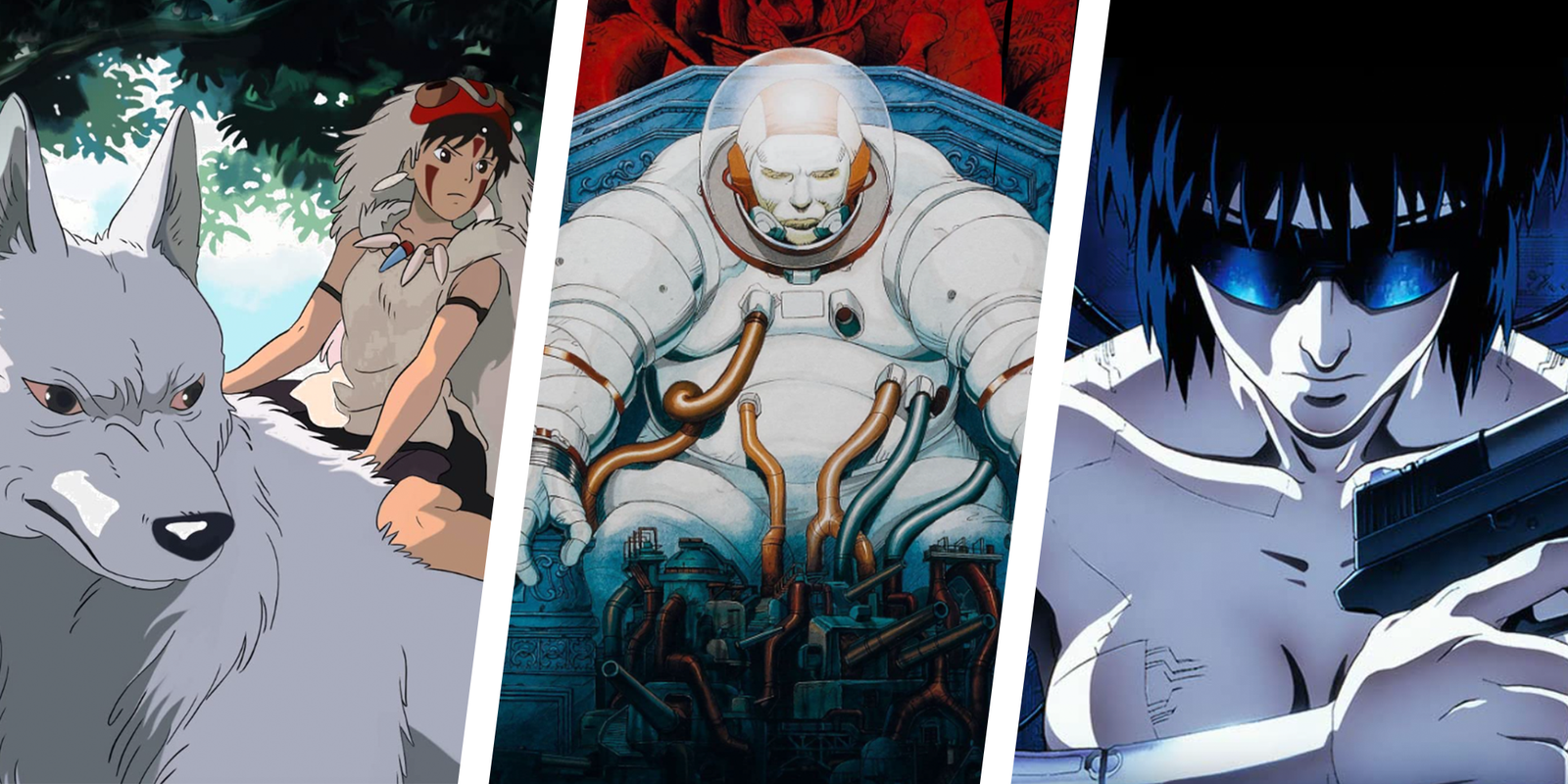
    Akira, directed by Katsuhiro Otomo, is a seminal work in anime history. Set in a dystopian future, the film explores themes of power, rebellion, and technology through its intense narrative and striking visual style. Akira‘s influence extends beyond anime, impacting global pop culture and inspiring numerous filmmakers and artists. Its complex animation techniques and cyberpunk aesthetic have become benchmarks for the genre.

    Spirited Away (2001)

    Hayao Miyazaki’s Spirited Away is widely regarded as one of the greatest animated films of all time. The film follows Chihiro, a young girl who enters a magical world to save her parents. Spirited Away won the Academy Award for Best Animated Feature and remains a touchstone in animation. Its intricate world-building, rich storytelling, and emotional depth have set new standards for the genre.

    Ghost in the Shell (1995)

    Directed by Mamoru Oshii, Ghost in the Shell explores themes of consciousness and technology in a futuristic setting. The film’s philosophical depth and pioneering use of computer-generated imagery have left a lasting impact on both anime and global cinema. Ghost in the Shell has influenced a range of media, including Hollywood films and video games, with its visionary approach to cyberpunk storytelling.

    My Neighbor Totoro (1988)

    My Neighbor Totoro, directed by Hayao Miyazaki, introduced audiences to the whimsical and heartwarming world of Studio Ghibli. The film’s portrayal of rural life and its gentle storytelling have made it a beloved classic. The character of Totoro has become an icon of Japanese animation, representing the magical and serene qualities that define many Studio Ghibli films.

    Princess Mononoke (1997)

    In Princess Mononoke, Hayao Miyazaki presents an epic tale of environmentalism and conflict between nature and industrialization. The film’s mature themes, complex characters, and stunning animation have established it as a groundbreaking work in anime. Princess Mononoke’s influence extends to environmental discourse and has set a precedent for incorporating serious themes into animated films.

    Your Name (2016)

    Directed by Makoto Shinkai, Your Name is a modern classic that combines romance and science fiction. The film follows two teenagers who mysteriously switch bodies and form a deep connection. With its breathtaking animation and emotionally resonant story, Your Name became a global phenomenon, showcasing the power of anime to captivate audiences worldwide and redefine expectations for contemporary animated films.

    Paprika (2006)

    Satoshi Kon’s Paprika is a visually striking film that delves into the nature of dreams and reality. The film’s innovative animation style and complex narrative have made it a major influence on both anime and international cinema. Paprika’s exploration of the subconscious and its impact on dreamlike storytelling have set new standards for creative and psychological depth in animation.

    The Tale of the Princess Kaguya (2013)

    Isao Takahata’s The Tale of the Princess Kaguya is notable for its unique animation style, which resembles traditional Japanese watercolor paintings. The film, based on a classic folktale, combines beautiful visuals with a poignant story about the fleeting nature of life. The Tale of the Princess Kaguya represents a significant departure from conventional animation techniques, offering a fresh perspective on visual storytelling.

    Japanese Anime Films
    Japanese Anime Films

    Nausicaä of the Valley of the Wind (1984)

    Although released before Studio Ghibli’s official founding, Nausicaä of the Valley of the Wind is a foundational film for the studio. Directed by Hayao Miyazaki, the film features a strong environmental message and an imaginative post-apocalyptic world. Its influence on Studio Ghibli’s subsequent works and its impact on the anime industry have cemented its place as a groundbreaking film.

    Howl’s Moving Castle (2004)

    In Howl’s Moving Castle, Hayao Miyazaki presents a fantastical adventure that blends magic, romance, and anti-war themes. The film’s creative use of animation and its exploration of personal transformation have set it apart as a significant work in the anime genre. Howl’s Moving Castle continues to inspire audiences with its imaginative world and compelling storytelling.

    Conclusion

    Japanese anime films have redefined the animation industry through their innovative storytelling, artistic techniques, and cultural impact. From the cyberpunk dystopia of Akira to the emotional depth of Spirited Away, these films have set new standards and influenced a wide range of media. Their contributions continue to shape the future of animation and captivate audiences around the world.

  • The Best Studio Ghibli Films to Watch Right Now

    The Best Studio Ghibli Films to Watch Right Now

    Studio Ghibli, renowned for its enchanting animation and captivating storytelling, has created some of the most beloved films in the animation genre. With a diverse range of themes and styles, Studio Ghibli’s films offer something for everyone. This article highlights some of the best Studio Ghibli films to watch right now, showcasing their unique charm and artistic brilliance.

    Spirited Away (2001)

    Spirited Away, directed by Hayao Miyazaki, is often hailed as the pinnacle of Studio Ghibli’s work. The film follows Chihiro, a young girl who becomes trapped in a mysterious, magical world after her parents are transformed into pigs. With its stunning animation, intricate world-building, and emotional depth, Spirited Away won the Academy Award for Best Animated Feature and remains a timeless classic.

    My Neighbor Totoro (1988)

    Directed by Hayao Miyazaki, My Neighbor Totoro is a heartwarming tale that captures the magic of childhood. The film follows two young sisters who move to the countryside and discover friendly forest spirits, including the lovable Totoro. The film’s gentle storytelling, charming characters, and beautiful depiction of rural life make it a favorite among both children and adults.

    Princess Mononoke (1997)

    Princess Mononoke, also directed by Hayao Miyazaki, is an epic fantasy that explores themes of environmentalism and the conflict between nature and industrialization. The story follows Ashitaka, a young warrior who becomes embroiled in a struggle between forest spirits and human settlers. The film’s rich animation, complex characters, and powerful message about nature make it a must-watch.

    Howl’s Moving Castle (2004)

    In Howl’s Moving Castle, Hayao Miyazaki presents a fantastical adventure featuring a young woman named Sophie who is cursed to live as an old woman. She finds refuge in a magical, moving castle owned by the enigmatic wizard Howl. The film’s imaginative world, compelling characters, and themes of transformation and conflict make it a captivating experience.

    Kiki’s Delivery Service (1989)

    Kiki’s Delivery Service, directed by Hayao Miyazaki, tells the story of a young witch named Kiki who starts a delivery service in a charming coastal town. The film’s uplifting narrative, charming setting, and themes of independence and self-discovery resonate with audiences of all ages. Kiki’s journey is both heartwarming and inspiring.

    The Tale of the Princess Kaguya (2013)

    Directed by Isao Takahata, The Tale of the Princess Kaguya is a visually stunning film that stands out for its unique animation style, which resembles traditional Japanese watercolor paintings. The film is based on a classic Japanese folktale and follows the life of a mysterious princess. Its beautiful art, poignant story, and cultural significance make it a must-see.

    Ponyo (2008)

    Ponyo, another film by Hayao Miyazaki, is a whimsical story about a fish-girl who transforms into a human and befriends a young boy named Sosuke. The film’s vibrant animation, charming characters, and themes of friendship and environmentalism make it an enchanting and joyful watch for all ages.

    The Wind Rises (2013)

    The Wind Rises, directed by Hayao Miyazaki, is a historical drama that tells the story of Jiro Horikoshi, the designer of Japan’s World War II fighter planes. The film explores themes of dreams, creativity, and the impact of war. Its detailed animation, emotional depth, and historical context offer a compelling and thought-provoking experience.

    Nausicaä of the Valley of the Wind (1984)

    Though released before the official founding of Studio Ghibli, Nausicaä of the Valley of the Wind is considered a foundational film for the studio. Directed by Hayao Miyazaki, the film follows Nausicaä, a young princess in a post-apocalyptic world who strives to restore harmony between humanity and nature. The film’s powerful environmental message and imaginative world-building are hallmarks of Miyazaki’s storytelling.

    The Best Studio Ghibli Films
    The Best Studio Ghibli Films

    Castle in the Sky (1986)

    Castle in the Sky, directed by Hayao Miyazaki, is an adventurous tale about a young girl with a mysterious crystal and a young boy who help her find a legendary floating island. The film’s thrilling adventure, imaginative settings, and themes of friendship and bravery make it an engaging and delightful watch.

    Conclusion

    Studio Ghibli’s films are celebrated for their creativity, emotional depth, and beautiful animation. From the whimsical charm of My Neighbor Totoro to the epic fantasy of Princess Mononoke, these films offer a range of experiences that captivate audiences of all ages. Whether you’re a longtime fan or new to Studio Ghibli’s work, these films are essential viewing and showcase the studio’s unparalleled storytelling and artistic excellence.