Author: Kyo

  • The Evolution of Japanese Anime Films: From Classics to Modern Masterpieces

    The Evolution of Japanese Anime Films: From Classics to Modern Masterpieces

    Japanese anime films have undergone a remarkable evolution, transitioning from early classics to modern masterpieces that captivate audiences worldwide. This article explores the journey of Japanese anime, highlighting key milestones and influential works that have shaped its development.

    Early Beginnings and Pioneering Works

    The origins of Japanese anime can be traced back to the early 20th century, with influences from Western animation and local artistic traditions. One of the earliest anime films is Namakura Gatana (1917), a silent film by Jun’ichi Kōuchi. This short silent comedy, while simple by today’s standards, laid the groundwork for the anime industry.

    In the 1960s, Osamu Tezuka, often referred to as the “God of Manga,” played a crucial role in shaping modern anime. His work Astro Boy (1963) introduced many of the stylistic and narrative elements that would become staples of anime. Tezuka’s innovative storytelling and character design set the stage for future developments in the genre.

    The Rise of Studio Ghibli and Its Impact

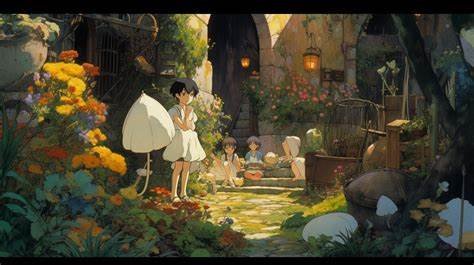
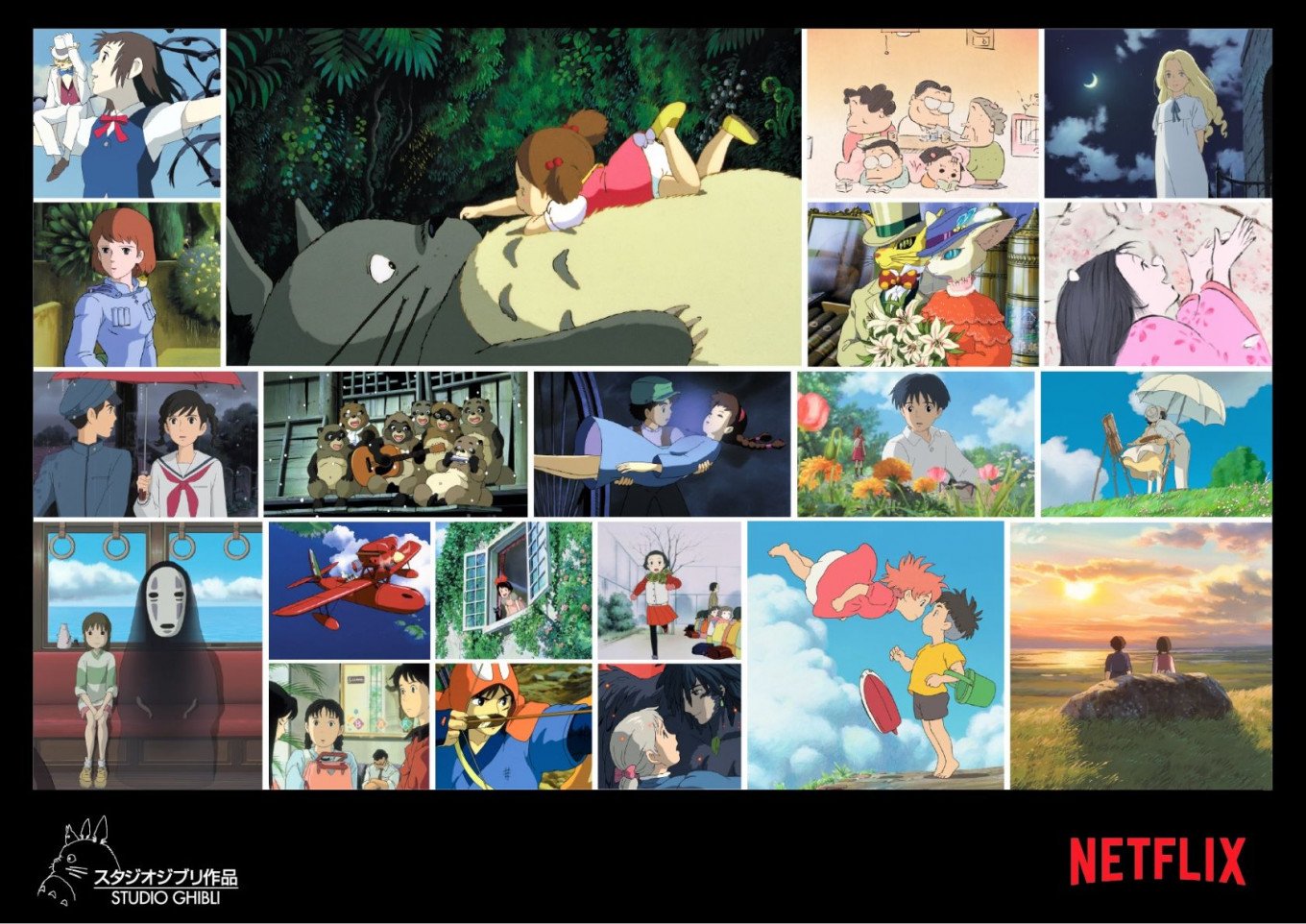
    The 1980s and 1990s marked a significant turning point in the evolution of anime films with the establishment of Studio Ghibli. Founded by Hayao Miyazaki and Isao Takahata, the studio produced some of the most influential and beloved anime films in history.

    My Neighbor Totoro (1988), directed by Miyazaki, exemplifies the studio’s focus on imaginative storytelling and beautiful animation. The film’s portrayal of childhood wonder and environmental themes resonated with audiences and established Studio Ghibli as a major force in the anime industry.

    Another notable work from Studio Ghibli is Spirited Away (2001), which won the Academy Award for Best Animated Feature. The film’s rich world-building, complex characters, and exploration of identity and transformation set a new standard for anime and introduced it to a global audience.

    Technological Advancements and New Directions

    The turn of the 21st century saw significant technological advancements that impacted anime production. Digital animation techniques and CGI began to complement traditional hand-drawn methods, allowing for more dynamic and visually stunning films.

    One example of this technological shift is Akira (1988), directed by Katsuhiro Otomo. The film’s groundbreaking animation and futuristic setting were enhanced by the use of digital techniques, making it a landmark in anime history. Akira’s influence extends beyond Japan, impacting global cinema and popular culture.

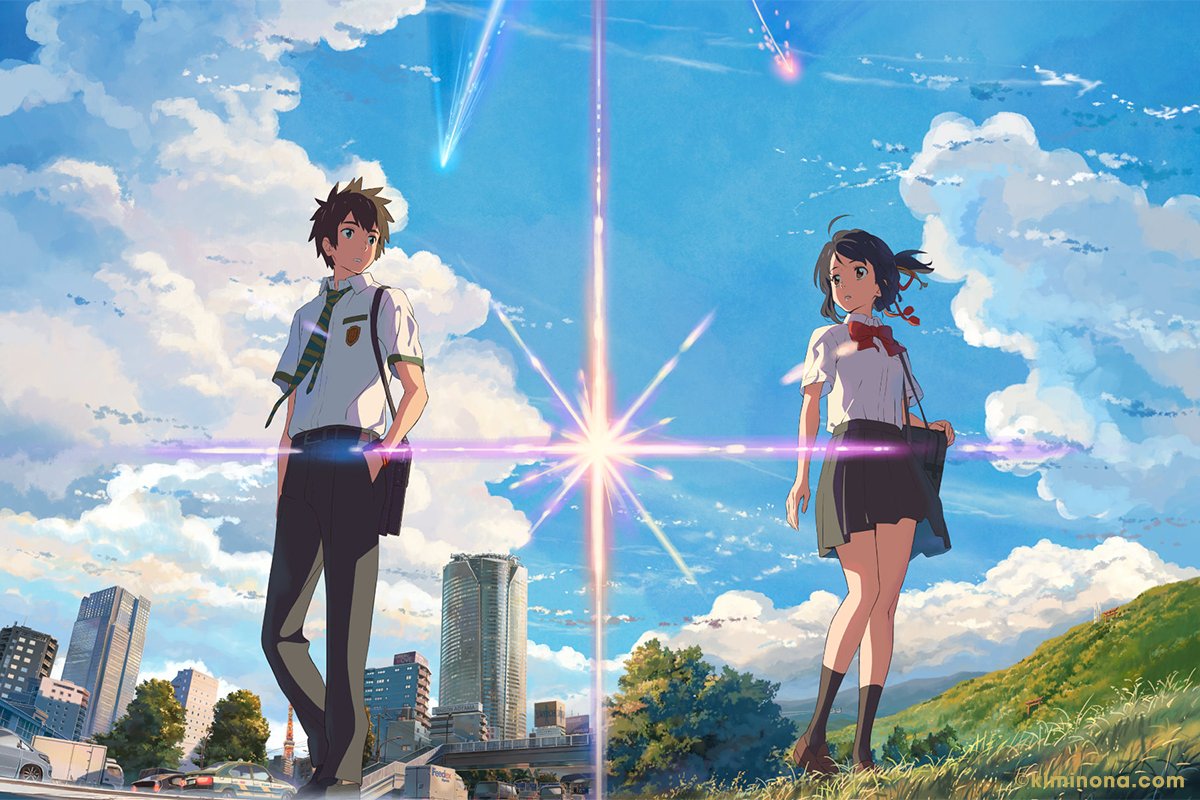
    Similarly, Makoto Shinkai’s Your Name (2016) showcases the blend of traditional and modern animation techniques. The film’s stunning visuals and emotionally resonant story about love and destiny garnered international acclaim and broke box office records, highlighting the evolving capabilities of anime.

    Contemporary Trends and Global Influence

    In recent years, anime films have continued to push creative boundaries and explore new themes. Directors like Mamoru Hosoda and Satoshi Kon have contributed to the genre with innovative works. Hosoda’s The Girl Who Leapt Through Time (2006) and Summer Wars (2009) blend science fiction with heartfelt narratives, while Kon’s Paprika (2006) explores the intersection of dreams and reality with striking visuals and complex storytelling.

    The global influence of anime has grown significantly, with films and series gaining popularity beyond Japan. Streaming platforms like Crunchyroll and Netflix have expanded the reach of anime, making it accessible to a wider audience and fostering international fan communities.

    Future Directions and Continuing Innovation

    The future of Japanese anime films promises continued innovation and exploration. As technology advances and storytelling techniques evolve, anime creators are likely to experiment with new formats and genres. The integration of virtual reality and interactive elements could open new avenues for immersive experiences.

    Additionally, the increasing recognition of anime in global film festivals and award circuits highlights its growing impact on the international stage. As anime continues to captivate audiences and influence filmmakers worldwide, its role in the global film industry will undoubtedly expand.
    The Evolution of Japanese Anime Films
    The Evolution of Japanese Anime Films

    Conclusion

    The evolution of Japanese anime films reflects a rich history of creativity and innovation. From early classics to modern masterpieces, anime has continually adapted and grown, shaping and being shaped by global trends. As the genre continues to evolve, it will undoubtedly continue to captivate audiences with its unique storytelling and artistic vision.
  • How Japanese Horror Films Differ from Western Horror: Themes and Techniques

    How Japanese Horror Films Differ from Western Horror: Themes and Techniques

    Japanese horror films are renowned for their distinctive approach to the genre, often differing significantly from Western horror films in terms of themes and techniques. While both traditions aim to evoke fear and tension, Japanese horror brings a unique cultural perspective and storytelling style that sets it apart. This article explores the key differences between Japanese and Western horror, focusing on themes, techniques, and cultural influences.


    1. Themes: Supernatural vs. Psychological

    a. Supernatural Horror

    Japanese horror films often delve into supernatural themes, exploring ghosts, curses, and ancient spirits. “Ringu” (1998) and “Ju-on: The Grudge” (2002) are prime examples, where the horror is deeply rooted in supernatural elements and folklore. These films frequently feature vengeful spirits and cursed objects, creating a pervasive sense of dread.

    b. Psychological Horror

    While Western horror can also be psychological, Japanese horror films often blend supernatural elements with intense psychological exploration. Films like “Audition” (1999) and “The Ring” (2002) focus on the psychological impact of fear, trauma, and paranoia, resulting in a more nuanced and unsettling experience.


    2. Storytelling Techniques: Subtlety vs. Directness

    How Japanese Horror Films Differ from Western Horror: Themes and Techniques
    How Japanese Horror Films Differ from Western Horror: Themes and Techniques

    a. Subtlety and Atmosphere

    Japanese horror is known for its subtlety and emphasis on atmosphere. The horror often unfolds gradually, with a focus on creating a chilling atmosphere through visual and auditory cues. “Dark Water” (2002) and “Noroi” (2005) use atmospheric tension and slow reveals to build suspense, making the horror feel more insidious.

    b. Directness and Gore

    Western horror films, on the other hand, frequently employ a more direct approach, often including graphic violence and gore to shock and disturb. Films like “The Texas Chainsaw Massacre” (1974) and “Saw” (2004) focus on visceral scares and explicit content to elicit a more immediate reaction from the audience.


    3. Cultural Influences: Folklore vs. Modern Fears

    a. Japanese Folklore and Tradition

    Japanese horror films are deeply influenced by local folklore and cultural traditions. Themes such as Yūrei (ghosts), Onryō (vengeful spirits), and Kaidan (ghost stories) are central to many Japanese horror films. These cultural elements infuse the films with a unique sense of authenticity and depth, as seen in “Kairo” (2001) and “Tale of Two Sisters” (2003).

    b. Modern Anxieties and Societal Issues

    Western horror often reflects modern anxieties and societal issues, such as fear of technology, societal collapse, or psychological trauma. Films like “The Exorcist” (1973) and “Get Out” (2017) address contemporary fears and issues, providing a more direct commentary on current social concerns.


    4. Character Archetypes: Innocence vs. Corruption

    a. Innocent Protagonists

    Japanese horror often features innocent or everyday protagonists who become entangled in supernatural events. These characters are usually ordinary people who find themselves in extraordinary and terrifying situations. “The Grudge” (2002) and “The Eye” (2002) showcase characters who are unwittingly drawn into horrific circumstances.

    b. Corrupted Characters

    Western horror frequently portrays characters who are already morally compromised or corrupt, with their flaws contributing to their downfall. “Halloween” (1978) and “The Shining” (1980) feature protagonists who are often grappling with their own inner demons or moral failings, adding a layer of psychological complexity to the horror.


    5. Visual and Auditory Techniques: Minimalism vs. Excess

    a. Minimalist Aesthetics

    Japanese horror films often utilize minimalist aesthetics, focusing on simplicity and restraint in both visual and auditory elements. The use of subdued color palettes and quiet, eerie soundscapes contributes to a more subtle and atmospheric form of horror. Films like “Ju-on” (2002) and “Kairo” (2001) exemplify this minimalist approach.

    b. Excessive Visuals and Sound

    In contrast, Western horror films may employ excessive visuals and loud sound effects to heighten the impact. The use of vivid gore, dramatic music, and intense sound design creates a more overt and immediate sense of horror. Films like “The Evil Dead” (1981) and “Hereditary” (2018) use these techniques to deliver shock and terror.


    Conclusion

    Japanese horror films offer a distinctive take on the genre, characterized by their emphasis on supernatural elements, subtle storytelling, and cultural influences. In contrast, Western horror films often focus on modern anxieties, directness, and graphic content. Understanding these differences highlights the rich diversity within the horror genre and offers a deeper appreciation of how different cultures approach fear and suspense.

  • Influence of Studio Ghibli on the Global Anime Industry

    Influence of Studio Ghibli on the Global Anime Industry

    Studio Ghibli stands as a giant in the world of anime. Founded in 1985 by Hayao Miyazaki and Isao Takahata, this studio has profoundly influenced the global anime industry. By examining its impact, we can understand why Studio Ghibli continues to captivate audiences worldwide.

    1. Pioneering Animation Techniques

    Firstly, Studio Ghibli revolutionized animation techniques. The studio’s commitment to hand-drawn animation set a high standard. For example, films like Spirited Away showcase intricate details and fluid motion that have become industry benchmarks. This dedication to craftsmanship raised the bar for quality in anime.

    2. Rich Storytelling and Themes

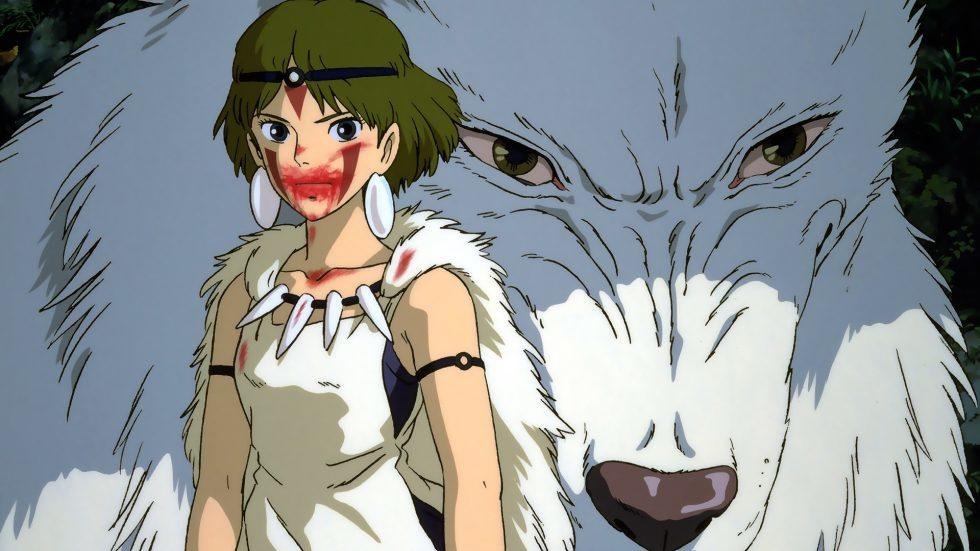
    Moreover, Studio Ghibli films are known for their rich storytelling. The studio often explores complex themes such as environmentalism, pacifism, and personal growth. For instance, Princess Mononoke delves into the conflict between nature and industrialization. This depth in storytelling has influenced many other creators.

    3. Unique Artistic Style

    Another notable influence is Studio Ghibli’s unique artistic style. The studio’s visual aesthetics are instantly recognizable. Films feature lush backgrounds, imaginative characters, and vibrant colors. My Neighbor Totoro, for example, uses a charming, whimsical style that has inspired numerous anime artists.

    4. International Success and Recognition

    Additionally, Studio Ghibli achieved remarkable international success. Films like Howl’s Moving Castle and Kiki’s Delivery Service have reached global audiences. This international appeal helped bring anime to a wider audience and demonstrated the genre’s potential beyond Japan.

    5. Influence on Anime Filmmaking

    Furthermore, Studio Ghibli has influenced anime filmmaking techniques. The studio’s emphasis on storytelling and animation quality has set a precedent. Many modern anime studios look to Ghibli’s work as a model for creating compelling and visually stunning films.

    6. Iconic Characters and Worlds

    Studio Ghibli created iconic characters and worlds that continue to inspire. Characters like Totoro and Chihiro have become cultural icons. These memorable figures contribute to the studio’s lasting impact and appeal in the anime industry.

    7. Expanding Anime’s Reach

    Moreover, Studio Ghibli played a crucial role in expanding anime’s reach. By breaking into international markets, the studio showed that anime could have global appeal. This expansion has encouraged other creators to explore international audiences.

    8. Promoting Originality and Creativity

    Another influence is Studio Ghibli’s promotion of originality and creativity. The studio often defies conventional anime norms, exploring new narrative and visual styles. This approach has inspired a wave of innovation within the anime industry.

    9. Commitment to Artistic Integrity

    Studio Ghibli’s commitment to artistic integrity is also noteworthy. The studio values quality over commercial success, focusing on creating meaningful films. This dedication has set a standard for how anime can be both artistic and commercially successful.

     Influence of Studio Ghibli on the Global Anime Industry
    Influence of Studio Ghibli on the Global Anime Industry

    10. Lasting Legacy

    Finally, Studio Ghibli’s legacy endures through its influence on new generations of creators. The studio’s impact on anime is evident in the works of many contemporary filmmakers. Its approach to storytelling and animation continues to shape the industry.

    Conclusion

    In conclusion, Studio Ghibli’s influence on the global anime industry is profound and far-reaching. From pioneering animation techniques to creating iconic characters, the studio has set high standards for anime. By exploring its impact, we can appreciate how Studio Ghibli has shaped the anime landscape and inspired future generations.

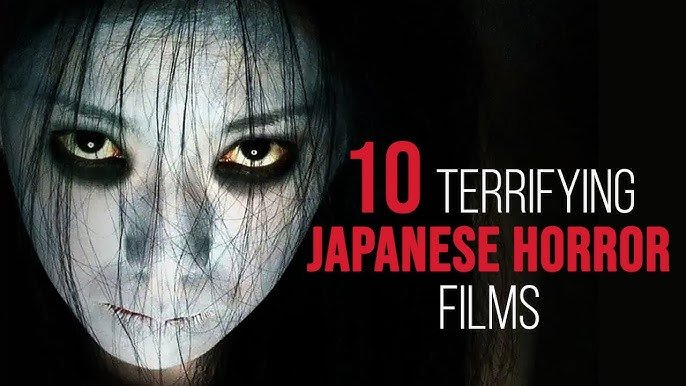
  • Top 10 Japanese Horror Films That Will Haunt You for Days

    Top 10 Japanese Horror Films That Will Haunt You for Days

    Japanese horror films are renowned for their ability to evoke fear and unsettle audiences with their unique approach to the genre. Combining supernatural elements with psychological depth, these films create an eerie and unforgettable experience. Here’s a list of the top 10 Japanese horror films that will haunt you for days, each offering its own brand of chilling terror.


    1. “Ringu” (1998)

    Synopsis:

    Directed by Hideo Nakata, “Ringu” tells the story of a cursed videotape that causes anyone who watches it to die within seven days. As journalist Reiko Asakawa investigates the mystery behind the tape, she uncovers a dark and chilling truth.

    Why It Haunts:

    The film’s unsettling atmosphere and haunting imagery, particularly the iconic ghostly figure of Sadako, create a lasting sense of dread. The concept of a curse transmitted through media feels disturbingly plausible, heightening the film’s impact.


    2. “Ju-on: The Grudge” (2002)

    Synopsis:

    Directed by Takashi Shimizu, “Ju-on: The Grudge” follows a series of interconnected stories revolving around a haunted house cursed by a vengeful spirit. The film’s nonlinear narrative and eerie supernatural occurrences build an oppressive atmosphere of terror.

    Why It Haunts:

    The film’s disturbing ghostly apparitions and the sense of inescapable dread contribute to a deeply unsettling experience. The curse’s ability to extend its reach beyond the haunted house heightens the sense of inevitability and fear.


    3. “The Ring” (2002)

    Top 10 Japanese Horror Films That Will Haunt You for Days
    Top 10 Japanese Horror Films That Will Haunt You for Days

    Synopsis:

    A remake of “Ringu”, “The Ring” (directed by Gore Verbinski) brings the terrifying story of the cursed videotape to a wider audience. The film maintains the chilling essence of the original while incorporating American sensibilities.

    Why It Haunts:

    The American adaptation successfully captures the eerie and disturbing elements of the original, including the iconic imagery of Sadako crawling out of the television. The pervasive sense of dread and the film’s chilling climax ensure it remains haunting.


    4. “Audition” (1999)

    Synopsis:

    Directed by Takashi Miike, “Audition” centers on a widower who holds a fake audition to find a new wife. However, he becomes entangled with a woman whose dark past leads to horrific consequences.

    Why It Haunts:

    The film’s disturbing shift from a seemingly romantic setup to intense psychological horror creates a profound impact. The slow build-up and shocking revelations culminate in a deeply unsettling experience.


    5. “Dark Water” (2002)

    Synopsis:

    Directed by Hideo Nakata, “Dark Water” follows a mother and daughter who move into an apartment with a mysterious and frightening past. As strange occurrences begin, they uncover a tragic and eerie story.

    Why It Haunts:

    The film’s haunting atmosphere, combined with the disturbing presence of the ghostly child and the pervasive theme of water as a symbol of emotional depth and tragedy, creates a deeply unsettling experience.


    6. “Noroi” (2005)

    Synopsis:

    Directed by Koji Shiraishi, “Noroi” is a found-footage horror film that follows a documentary filmmaker investigating a series of mysterious events connected to an ancient curse.

    Why It Haunts:

    The film’s found-footage format enhances its realism, making the supernatural elements feel more plausible and frightening. The slow build-up and increasingly disturbing discoveries create an atmosphere of intense dread.


    7. “The Eye” (2002)

    Synopsis:

    Directed by the Pang Brothers, “The Eye” tells the story of a blind woman who receives an eye transplant and begins to see terrifying visions of ghosts and spirits.

    Why It Haunts:

    The film effectively combines psychological horror with supernatural elements, exploring the fear of the unknown and the trauma associated with the eye transplant. The unsettling imagery and eerie atmosphere contribute to a lasting impact.


    8. “Kairo” (2001)

    Synopsis:

    Directed by Kiyoshi Kurosawa, “Kairo” (also known as “Pulse”) examines the phenomenon of ghosts invading the modern world through technology, leading to a sense of pervasive dread.

    Why It Haunts:

    The film’s exploration of technology as a conduit for supernatural forces creates a chilling reflection on modern life. The slow pacing and eerie atmosphere contribute to a sense of existential horror that lingers long after viewing.


    9. “Tale of Two Sisters” (2003)

    Synopsis:

    Directed by Kim Jee-woon, “Tale of Two Sisters” is a South Korean horror film that, while not Japanese, has been heavily influenced by Japanese horror aesthetics. It follows two sisters returning home from a mental institution and uncovering dark family secrets.

    Why It Haunts:

    The film’s intricate plot and atmospheric tension create a deeply unsettling experience. The blending of psychological horror with supernatural elements results in a film that is both emotionally and psychologically impactful.


    10. “House” (1977)

    Synopsis:

    Directed by Nobuhiko Obayashi, “House” (or “Hausu”) is a surreal and experimental horror film about a group of schoolgirls who visit a haunted house with bizarre and terrifying results.

    Why It Haunts:

    The film’s unique visual style, combining psychedelic imagery with traditional horror elements, creates a surreal and unsettling experience. The film’s creative approach to horror leaves a lasting impression through its imaginative and nightmarish sequences.


    Conclusion

    Japanese horror films have a distinctive ability to blend supernatural elements with psychological depth, creating experiences that are both eerie and thought-provoking. These top 10 films exemplify the genre’s capacity to haunt viewers long after the credits roll, leaving an indelible mark on those who dare to watch.

  • A Deep Dive into Japan’s Classic Romance Films

    A Deep Dive into Japan’s Classic Romance Films

    Japanese cinema has produced some of the most emotionally resonant and visually stunning romance films. From the golden age of Japanese film to contemporary classics, these films explore themes of love, heartbreak, and human connection. Here’s an in-depth look at some of Japan’s most cherished classic romance films.

    A Deep Dive into Japan’s Classic Romance Films

    Tokyo Story (1953)

    Director: Yasujiro Ozu

    Tokyo Story is often hailed as one of the greatest films ever made. It tells the story of an elderly couple who travel to Tokyo to visit their children. Their visit exposes the generational gap and the changing family dynamics in post-war Japan.

    The film’s exploration of familial love and the passage of time makes it a poignant meditation on human relationships. Ozu’s use of simple, yet profound storytelling and his innovative cinematic techniques have left a lasting impact on the genre.

    Ugetsu (1953)

    Ugetsu is a historical romance set in the Japanese civil wars of the 16th century. The film blends elements of romance and the supernatural, telling the story of a potter and his wife whose lives are transformed by ambition and otherworldly encounters.

    It highlights the tragic consequences of desire and the complexities of human emotion.

    The Ballad of Narayama (1958)

    Set in a remote mountain village, The Ballad of Narayama tells the story of a woman who must face the traditional practice of being left on the mountain to die once she reaches the age of 70. The film explores themes of love, sacrifice, and societal expectations.

    The film’s emotional depth and its reflection on the harsh realities of life and death offer a powerful narrative on the bonds of family and the impact of cultural practices on personal relationships.

    Hiroshima Mon Amour (1959)

    Although a French film, Hiroshima Mon Amour has significant Japanese connections through its depiction of the aftermath of the Hiroshima bombing. The film intertwines a love affair between a French actress and a Japanese man with reflections on memory and trauma.

    The film’s innovative narrative structure and exploration of memory and love provide a unique perspective on the impact of historical events on personal relationships.

    Summer Time Machine Blues (2005)

    Summer Time Machine Blues is a romantic comedy that follows a group of college friends who discover a time machine and use it to change their past. The film combines elements of romance, science fiction, and comedy, focusing on the impact of time travel on their relationships.

    Ringu (1998)

    Ringu is a horror film with strong romantic undercurrents. It follows a journalist who investigates a mysterious videotape that causes viewers to die seven days after watching it. The film’s exploration of the protagonist’s relationships adds depth to its chilling narrative.

    A Story of Floating Weeds (1934)

    A Story of Floating Weeds follows a traveling actor who reunites with his estranged family and lovers. The film explores themes of love, responsibility, and the consequences of past decisions.

    Ozu’s film is notable for its tender portrayal of romantic and familial relationships. It captures the emotional complexities of love and the effects of personal choices on those around us.

    Love Letter(1995)

    Love Letter tells the story of a woman who writes letters to her deceased fiancé and discovers unexpected connections with his past. The film explores themes of love, loss, and memory through a series of poignant and interconnected narratives.

    The Taste of Tea (2004)

    The Taste of Tea is a whimsical and heartfelt film about a family in rural Japan dealing with various life challenges, including romantic entanglements. The film’s gentle humor and warmth provide a unique perspective on love and family dynamics.

    The film’s blend of magical realism and romance offers a fresh and imaginative take on the genre, reflecting the complexities of relationships in a charming and engaging manner.

    Your Name (2016)

    Your Name is a contemporary anime film that explores the connection between two teenagers who mysteriously begin to switch bodies. As they uncover the truth behind their strange connection, they also navigate their own feelings and relationships.

    The film’s blend of romance, fantasy, and stunning animation has captivated audiences worldwide. Demonstrating how modern Japanese films continue to innovate within the genre.

    Conclusion

    Japanese classic romance films offer a rich tapestry of emotional and cultural insights, reflecting the diverse ways love and relationships are experienced and understood. From the post-war era to contemporary times, these films capture the essence of human connection and continue to resonate with audiences around the world. Through their unique storytelling and profound themes, Japanese romance films provide a window into the changing dynamics of love and relationships in Japanese society.

  • Exploring the Psychological Elements of Japanese Horror Films

    Exploring the Psychological Elements of Japanese Horror Films

    Japanese horror films are renowned for their unique approach to fear, often delving into the psychological rather than relying solely on supernatural elements. This psychological depth sets them apart from Western horror and creates a lasting impact on viewers. This article explores the psychological elements of Japanese horror films, examining how they evoke fear and anxiety through mental and emotional themes.


    1. The Concept of Psychological Horror

    a. Mind Over Matter

    Japanese horror frequently explores psychological horror, where the terror stems from the mind rather than physical threats. This form of horror delves into fear, anxiety, and disturbing psychological states, creating a more nuanced and unsettling experience. Films like “Ringu” (1998) and “The Ring” (2002) use psychological tension to build suspense and fear.

    b. The Unseen and the Unknown

    A key element in Japanese psychological horror is the use of the unseen and the unknown. By not fully revealing the source of terror, these films exploit the audience’s imagination and fears. “Ju-on: The Grudge” (2002) and “Noroi” (2005) create anxiety through ambiguous and often incomprehensible elements, playing on the viewer’s dread of what cannot be understood or seen.


    2. Themes of Isolation and Alienation

    Exploring the Psychological Elements of Japanese Horror Films
    Exploring the Psychological Elements of Japanese Horror Films

    a. Emotional Isolation

    Many Japanese horror films explore themes of emotional isolation and alienation. Characters often face their fears alone, heightening their psychological distress. “Pulse” (2001) portrays the loneliness and existential dread associated with modern technology, reflecting societal anxieties about isolation in the digital age.

    b. Social Alienation

    Social alienation is another recurring theme. Films like “Dark Water” (2002) address the alienation of individuals from their communities and the impact of unresolved trauma. This isolation contributes to the psychological horror by intensifying feelings of helplessness and fear.


    3. Trauma and Psychological Scarring

    a. Traumatic Experiences

    Japanese horror often incorporates trauma as a driving force behind the horror. Characters dealing with past trauma or unresolved psychological issues are central to many narratives. “Audition” (1999) explores themes of revenge and psychological manipulation rooted in past trauma, creating a disturbing and impactful experience.

    b. Psychological Scarring

    The concept of psychological scarring is also prevalent. Films like “The Eye” (2002) depict characters haunted by their past experiences and the psychological scars left behind, which manifest as supernatural horrors.


    4. Exploration of Mental Illness

    a. Mental Disturbance

    Japanese horror films frequently explore mental illness and disturbance, portraying characters whose psychological states contribute to the horror. “The Grudge” (2002) depicts characters suffering from mental and emotional turmoil, which amplifies the film’s sense of dread and fear.

    b. Unreliable Narrators

    The use of unreliable narrators is a common technique in Japanese horror. Films like “Infection” (2004) use unreliable perspectives to blur the lines between reality and delusion, creating a disorienting and unsettling viewing experience.


    5. Symbolism and Psychological Imagery

    a. Symbolic Imagery

    Japanese horror employs symbolic imagery to represent psychological states. For example, the use of mirrors and water in films like “Dark Water” (2002) serves as a metaphor for inner turmoil and emotional depths.

    b. Psychological Symbolism

    Psychological symbolism is often used to enhance the film’s impact. “The Ring” (1998) uses the video tape as a symbol of the characters’ psychological fears and their inescapable doom, blending supernatural and psychological horror.


    Conclusion

    Japanese horror films offer a unique exploration of psychological elements, delving into themes of fear, isolation, and mental disturbance. By focusing on the mind and emotional states rather than solely on supernatural threats, these films create a profound and unsettling experience. Understanding these psychological elements enhances the appreciation of Japanese horror and its impact on the genre.

  • The Art of Storytelling in Anime Films

    The Art of Storytelling in Anime Films

    Anime films stand out for their unique storytelling techniques. These films blend rich visuals with deep narratives. Understanding what makes anime storytelling special reveals why these movies resonate with audiences worldwide.

    1. Visual Storytelling

    First, anime excels in visual storytelling. Artists use vibrant colors and intricate designs to convey emotions and themes. Unlike live-action films, anime can depict abstract ideas and fantastical worlds more vividly. This visual style immerses viewers into the story’s universe.

    2. Deep Cultural Themes

    Moreover, anime often incorporates deep cultural themes. Films explore Japanese traditions, mythology, and societal issues. This cultural backdrop adds layers to the story and helps audiences understand different perspectives. For instance, films like Spirited Away blend Japanese folklore with modern storytelling.

    3. Unique Character Development

    Another notable aspect is character development. Anime films often feature complex characters with rich backstories. These characters undergo significant growth throughout the story. For example, My Neighbor Totoro presents simple yet profound characters who evolve through their experiences.

    4. Emotional Depth

    Anime films frequently dive into emotional depth. They tackle a wide range of emotions, from joy to sorrow. This emotional range creates a strong connection between the audience and the characters. Films like Your Name explore love and loss, leaving a lasting impact on viewers.

    5. Innovative Plot Structures

    Additionally, anime films often feature innovative plot structures. Non-linear storytelling, dream sequences, and alternate realities are common. These techniques challenge conventional narrative forms and engage audiences in unique ways. Inception is a great example of how anime plays with narrative time and space.

    6. Symbolism and Metaphor

    Anime storytelling frequently uses symbolism and metaphor. These elements add depth to the narrative and invite multiple interpretations. For example, Princess Mononoke uses forest spirits to symbolize nature’s power and fragility. This layer of meaning enriches the viewing experience.

    7. Fusion of Genres

    Another unique feature is the fusion of genres. Anime films often blend multiple genres, such as fantasy, romance, and sci-fi. This genre-mixing creates fresh and engaging stories. Howl’s Moving Castle combines magic, adventure, and romance, offering a diverse cinematic experience.

    8. Artistic Expression

    Furthermore, anime is a form of artistic expression. Filmmakers use animation to push creative boundaries. Artistic styles can range from highly detailed to minimalist, reflecting the story’s tone. The Tale of the Princess Kaguya uses watercolor animation to create a distinct visual and emotional experience.

    9. Cultural Insights

    Anime films also provide cultural insights. They offer a window into Japanese society and its values. This cultural aspect can be both educational and entertaining. Ringu, for example, reflects societal fears and taboos through its horror narrative.

    The Art of Storytelling in Anime Films
    The Art of Storytelling in Anime Films

    10. Engagement with Universal Themes

    Finally, anime films engage with universal themes. Despite their cultural specifics, they address topics relevant to global audiences. Themes such as friendship, identity, and resilience resonate with viewers everywhere. This universality helps anime connect with a diverse audience.

    Conclusion

    In summary, the art of storytelling in anime films is unique due to its visual richness, cultural depth, and emotional complexity. By blending traditional and innovative techniques, anime creates engaging and memorable stories. Exploring these elements reveals why anime continues to captivate audiences around the world.

  • How Anime Films Handle Coming-of-Age Stories and Youth Struggles

    Anime films have long been celebrated for their ability to convey complex emotions and narratives. Among the diverse genres and themes explored in anime, coming-of-age stories stand out as a powerful medium for addressing youth struggles and personal growth. This article examines how anime films handle coming-of-age stories and the challenges faced by young characters, highlighting key themes and notable examples.


    1. Themes in Coming-of-Age Anime

    a. Personal Growth and Self-Discovery

    Anime often explores personal growth and self-discovery as central themes in coming-of-age stories. Characters embark on journeys of self-exploration, confronting their fears, dreams, and identities. Films like “My Neighbor Totoro” (1988) and “A Silent Voice” (2016) beautifully depict characters’ growth through their experiences and relationships.

    b. Overcoming Adversity

    Another prevalent theme is overcoming adversity. Anime films frequently portray characters dealing with personal challenges, societal pressures, and emotional struggles. “Your Name” (2016) and “The Girl Who Leapt Through Time” (2006) showcase how characters face and overcome obstacles in their paths, leading to significant personal transformation.


    2. Notable Anime Films Addressing Youth Struggles

    How Anime Films Handle Coming-of-Age Stories and Youth Struggles
    How Anime Films Handle Coming-of-Age Stories and Youth Struggles

    a. “A Silent Voice” (2016)

    “A Silent Voice” tells the story of Shoya Ishida, a high school student seeking redemption for bullying a deaf classmate, Shoko Nishimiya. The film addresses themes of guilt, forgiveness, and personal growth, offering a nuanced portrayal of the struggles faced by both victims and perpetrators of bullying.

    b. “5 Centimeters Per Second” (2007)

    Directed by Makoto Shinkai, “5 Centimeters Per Second” explores the theme of distance and emotional separation. Through the lens of a young man’s life and relationships, the film delves into the challenges of growing up and the impact of distance on personal connections.

    c. “March Comes in Like a Lion” (2016)

    “March Comes in Like a Lion” follows Rei Kiriyama, a young professional Shogi player struggling with isolation and depression. The film addresses mental health and emotional challenges, portraying Rei’s journey toward healing and connection with others.


    3. Artistic and Narrative Techniques

    a. Visual Metaphors

    Anime films often use visual metaphors to symbolize characters’ internal struggles and growth. For example, the use of symbolic imagery and color schemes in “The Garden of Words” (2013) reflects the emotional states and personal conflicts of the characters.

    b. Character Development

    Character development is a key element in coming-of-age anime. Films frequently focus on deep, multi-dimensional characters, allowing audiences to witness their evolution over time. “The Wind Rises” (2013) portrays the life of Jiro Horikoshi, capturing his personal and professional struggles and triumphs.


    4. Cultural Context and Impact

    a. Cultural Reflections

    Anime films often reflect Japanese cultural values and societal issues, offering insight into the unique experiences of Japanese youth. Themes such as family dynamics, academic pressure, and societal expectations are explored, providing a window into Japanese culture and the challenges faced by its young people.

    b. Universal Appeal

    Despite their cultural specificity, many coming-of-age anime films resonate with audiences worldwide due to their universal themes of growth, struggle, and self-discovery. Films like “Kiki’s Delivery Service” (1989) and “Wolf Children” (2012) connect with viewers across different cultures through their relatable experiences and emotional depth.


    Conclusion

    Anime films offer a rich and diverse exploration of coming-of-age stories and youth struggles. Through their unique artistic and narrative techniques, these films address themes of personal growth, adversity, and emotional challenges. By capturing the essence of youth experiences, anime provides a powerful medium for understanding and empathizing with the complexities of growing up.

  • How Japanese Films Reflect Cultural and Social Changes

    How Japanese Films Reflect Cultural and Social Changes

    Japanese cinema is a powerful mirror reflecting the cultural and social transformations within Japan. From post-war recovery to modern-day challenges, Japanese films provide insightful commentary on the country’s evolving identity. Here’s an exploration of how Japanese films capture and reflect these changes over time.

    How Japanese Films Reflect Cultural and Social Changes

    Post-War Reflections and Recovery

    In the aftermath of World War II, Japanese cinema grappled with the nation’s devastation and recovery. Films from this period often explored themes of loss, rebuilding, and the shifting societal values.

    Key Films:

    • “Tokyo Story” (1953) by Yasujiro Ozu: This film portrays the generational gap and the changes in family dynamics as Japan modernizes. It reflects the societal shift from traditional values to a more contemporary outlook.
    • “Rashomon” (1950) by Akira Kurosawa: This film delves into the complexities of truth and human nature, reflecting the uncertainty and questioning of moral values in post-war Japan.

    Significance: These films highlight the struggles of a society coming to terms with its recent past and adjusting to a rapidly changing world.

    The Rise of Modern Japan

    As Japan experienced economic growth and modernization in the 1960s and 1970s, its cinema began to reflect the complexities of urban life and the burgeoning consumer culture.

    Key Films:

    • “The Ballad of Narayama” (1958) by Keisuke Kinoshita: Although set in a traditional village, it metaphorically addresses themes of societal pressure and change.
    • “Branded to Kill” (1967) by Seijun Suzuki: This film showcases the burgeoning youth culture and the impact of Western influences on Japanese society.

    Significance: These films depict the clash between traditional values and modernity, capturing the tension and adaptation of Japanese society.

    Exploring Gender and Identity

    In recent decades, Japanese films have increasingly addressed issues of gender identity and societal roles, reflecting the ongoing discourse about gender equality and personal freedom.

    Key Films:

    • “Tampopo” (1985) by Juzo Itami: This film uses the quest for the perfect ramen recipe to explore cultural identity and societal roles in contemporary Japan.
    • “Nobody Knows” (2004) by Hirokazu Kore-eda: It highlights the struggles of children left to fend for themselves, addressing issues of family and social neglect.

    Significance: These films provide a nuanced look at how traditional gender roles and family structures are evolving in modern Japan.

    The Influence of Globalization

    As Japan integrated further into the global economy and culture, its films began to reflect the influence of globalization and the blending of international and Japanese elements.

    Key Films:

    • “Lost in Translation” (2003) by Sofia Coppola: Although a Western film, it captures the cultural dislocation experienced by foreigners in Japan and highlights global cultural interactions.
    • “Your Name” (2016) by Makoto Shinkai: This film combines traditional Japanese themes with contemporary storytelling and global appeal, reflecting the influence of international audiences on Japanese cinema.

    Significance: These films illustrate how Japanese culture is both influencing and being influenced by global trends, showcasing the dynamic interplay between local and global elements.

    Addressing Contemporary Issues

    Modern Japanese films continue to tackle contemporary social issues, such as aging, environmental concerns, and technological advancements, reflecting the current challenges facing Japanese society.

    Key Films:

    • “Shoplifters” (2018) by Hirokazu Kore-eda: This film explores economic disparity and social welfare, reflecting ongoing concerns about poverty and family structures in Japan.
    • “The Garden of Words” (2013) by Makoto Shinkai: It addresses themes of loneliness and the search for connection in a rapidly urbanizing world.

    Significance: These films provide insight into the pressing social issues of today, offering a lens through which to view and understand contemporary Japanese society.

    Conclusion

    Japanese films serve as a rich tapestry of the country’s cultural and social changes. From post-war recovery to modern societal issues, they capture the evolving nature of Japanese identity and values. By exploring these films, we gain a deeper understanding of how Japan has navigated its transformation over the decades, reflecting both its unique heritage and its response to global influences.

  • The Role of Women in Japanese Cinema

    The Role of Women in Japanese Cinema

    Women have played a significant role in Japanese cinema, both in front of and behind the camera. Their contributions have shaped the industry and influenced storytelling, reflecting broader social changes and cultural shifts. This article explores the evolving role of women in Japanese cinema, highlighting influential figures and key developments.

    Historical Context

    In the early days of Japanese cinema, women’s roles were often limited to traditional and stereotypical portrayals. Actresses were typically cast in roles that reinforced societal norms, such as submissive housewives or tragic heroines. However, as Japanese cinema evolved, so did the representation of women, reflecting broader societal changes and increasing gender diversity.

    Trailblazing Actresses

    Several pioneering actresses have made significant contributions to Japanese cinema, challenging traditional roles and paving the way for future generations. Setsuko Hara, known for her work with director Yasujiro Ozu, portrayed strong, complex characters in films like Tokyo Story (1953) and Early Spring (1956). Her performances offered a nuanced portrayal of women navigating societal expectations and personal challenges.

    Another influential figure is Kinuyo Tanaka, one of Japan’s most celebrated actresses and a trailblazer in the industry. Tanaka’s career spanned over four decades, and she is known for her roles in films such as The Life of Oharu (1952) and The Ballad of Narayama (1983). In addition to her acting career, Tanaka made significant contributions as a director and producer, further advancing the role of women in Japanese cinema.

    Women Behind the Camera

    The role of women behind the camera has also evolved significantly. Directors like Naomi Kawase and Hirokazu Kore-eda have brought fresh perspectives and innovative storytelling techniques to Japanese cinema. Kawase, known for her films such as The Mourning Forest (2007) and Sweet Bean (2015), often explores themes of family, identity, and human connection, offering a unique voice in contemporary Japanese cinema.

    Similarly, Miwa Nishikawa, director of films like The Long Excuse (2016), brings a distinctive perspective to her storytelling. Nishikawa’s work often focuses on complex human relationships and social issues, reflecting her deep understanding of the human condition and contributing to the diversity of voices in Japanese filmmaking.

    Impact of Female Screenwriters and Producers

    Female screenwriters and producers have also played a crucial role in shaping Japanese cinema. Their contributions have enriched the industry by introducing new narratives and perspectives. Screenwriter and producer Satoko Yokohama, for example, is known for her work on films like The Little House (2014), which delves into themes of love and societal expectations.

    Additionally, producers like Kaori Momoi have significantly influenced the industry by supporting and promoting diverse and innovative projects. Momoi’s involvement in films such as Sakura Sakura (2002) demonstrates the impact of women in producing and supporting diverse storytelling in Japanese cinema.

    Contemporary Challenges and Progress

    Despite the progress made, challenges remain for women in Japanese cinema. Gender disparities persist, with women often underrepresented in key creative roles and facing barriers to equal opportunities. However, recent developments indicate a growing recognition of women’s contributions and an increasing focus on gender equality.

    The emergence of film festivals and initiatives dedicated to promoting female filmmakers is a positive step towards addressing these challenges. Events like the Tokyo International Film Festival and the Women in Film Japan initiative highlight the work of female directors, screenwriters, and producers, providing platforms for their voices and contributions.

    The Role of Women in Japanese Cinema
    The Role of Women in Japanese Cinema

    Conclusion

    The role of women in Japanese cinema has evolved significantly over the years, with pioneering actresses, directors, and producers making substantial contributions to the industry. Their work reflects broader societal changes and offers diverse and nuanced portrayals of women and their experiences. As Japanese cinema continues to grow, the ongoing efforts to address gender disparities and promote female voices will play a crucial role in shaping its future.