Author: Kyo

  • The Influence of Anime Films on Western Animation

    The Influence of Anime Films on Western Animation

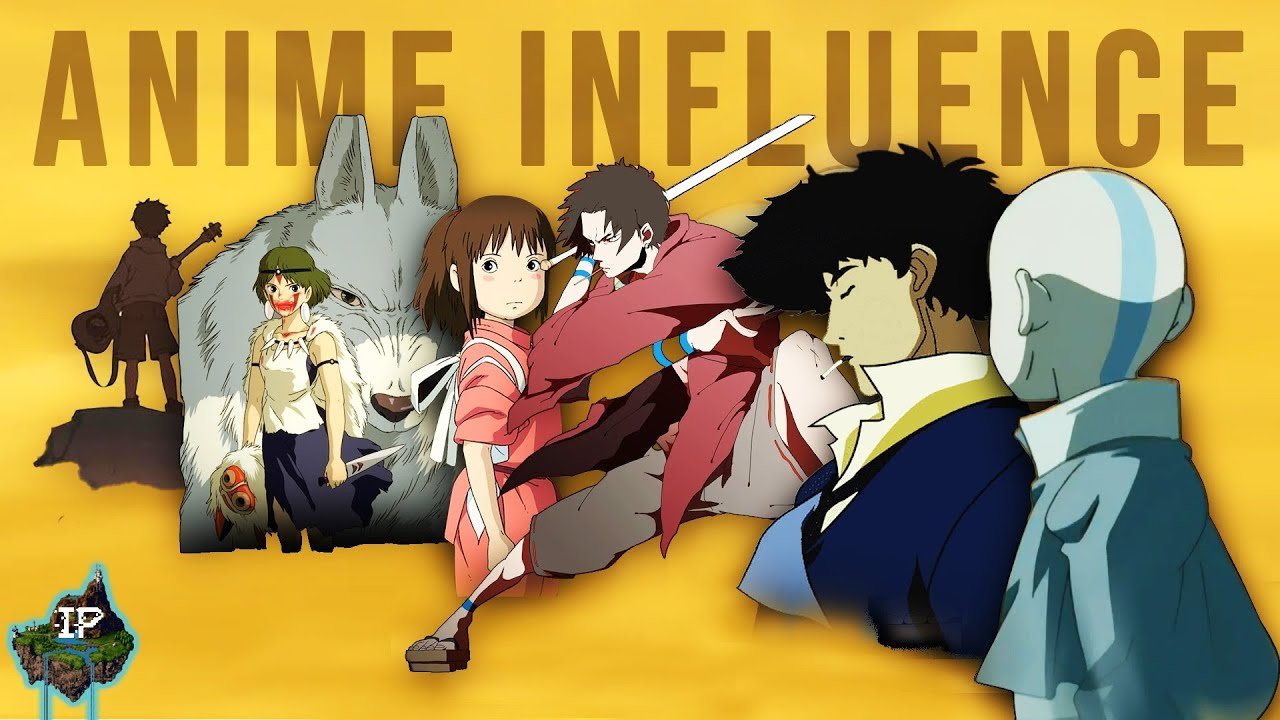
    Anime, the distinct and diverse style of animation originating from Japan, has made a profound impact on Western animation. From visual aesthetics to storytelling techniques, anime films have inspired and influenced numerous Western creators and studios. This article examines the influence of anime films on Western animation, highlighting key trends, notable examples, and the broader impact on the global animation landscape.


    1. Visual Aesthetics and Art Styles

    a. Distinctive Visual Techniques

    Anime is renowned for its unique visual style, characterized by vibrant colors, exaggerated expressions, and intricate backgrounds. These techniques have inspired Western animators to experiment with new visual approaches. “Avatar: The Last Airbender” (2005-2008) and “The Legend of Korra” (2012-2014) are notable examples of Western animations that incorporate anime-inspired aesthetics.

    b. Character Design and Animation

    The influence of anime on character design and animation techniques is evident in many Western cartoons. Shows like “Teen Titans” (2003-2006) and “RWBY” (2013-2019) display clear anime influences in their character designs, including large, expressive eyes and dynamic action sequences.


    2. Storytelling and Themes

    a. Complex Narratives and Themes

    Anime often features complex narratives and mature themes that delve into existential questions, personal growth, and societal issues. Western animations have adopted similar storytelling techniques, aiming for deeper, more nuanced narratives. “Adventure Time” (2010-2018) and “Steven Universe” (2013-2020) incorporate these elements, presenting intricate stories and emotional depth reminiscent of anime.
    The Influence of Anime Films on Western Animation
    The Influence of Anime Films on Western Animation

    b. Genre Exploration

    Anime’s exploration of diverse genres, from sci-fi and fantasy to slice-of-life and horror, has influenced Western creators to broaden their genre horizons. Shows like “Gravity Falls” (2012-2016) blend various genres and thematic elements, reflecting anime’s impact on genre experimentation.


    3. Cultural Exchange and Collaborations

    a. Cross-Cultural Collaborations

    The growing popularity of anime in the West has led to cross-cultural collaborations between Japanese and Western creators. Projects such as “The Animatrix” (2003) and “Batman: The Dark Knight Returns” (2013) feature collaborations that blend anime’s visual style with Western storytelling traditions.

    b. Influence on Film and TV

    The influence of anime extends beyond television to film and streaming platforms. Western films such as “The Matrix” (1999) and “Scott Pilgrim vs. The World” (2010) showcase anime-inspired visual techniques and narrative elements, reflecting the broader impact of anime on cinematic storytelling.


    4. Notable Examples of Anime Influence

    a. “Spider-Man: Into the Spider-Verse”

    “Spider-Man: Into the Spider-Verse” (2018) is a prime example of anime influence in Western animation. Its unique visual style, blending comic book aesthetics with anime-inspired animation techniques, highlights the impact of anime on modern animation.

    b. “Kipo and the Age of the White Wolf”

    “Kipo and the Age of the White Wolf” (2020) incorporates anime-style character designs and action sequences, reflecting the growing trend of anime-inspired Western animation.


    5. Future Trends and Impacts

    a. Evolving Animation Techniques

    The influence of anime continues to shape evolving animation techniques in the West. As Western studios increasingly adopt anime-inspired styles and narratives, the boundaries between global animation traditions are becoming more fluid.

    b. Cultural Integration

    The ongoing integration of anime elements into Western animation is fostering a more culturally diverse animation landscape. This trend is likely to continue, as both industries learn from and influence each other.


    Conclusion

    The influence of anime films on Western animation is profound and multifaceted, impacting visual aesthetics, storytelling techniques, and genre exploration. As global animation continues to evolve, the exchange between anime and Western animation will likely grow, leading to innovative and diverse creative expressions.

  • Essential Anime Films for Beginners

    Essential Anime Films for Beginners

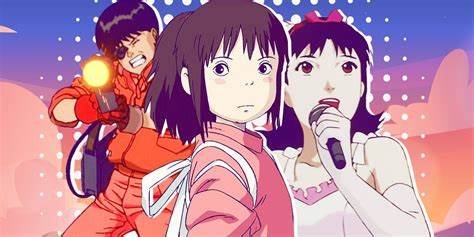
    Anime offers a rich tapestry of stories, art, and emotions. For beginners, diving into this vibrant world can be overwhelming. To make it easier, here’s a guide to essential anime films to start your journey. These films provide a great introduction to anime’s unique style and storytelling.

    1. Spirited Away

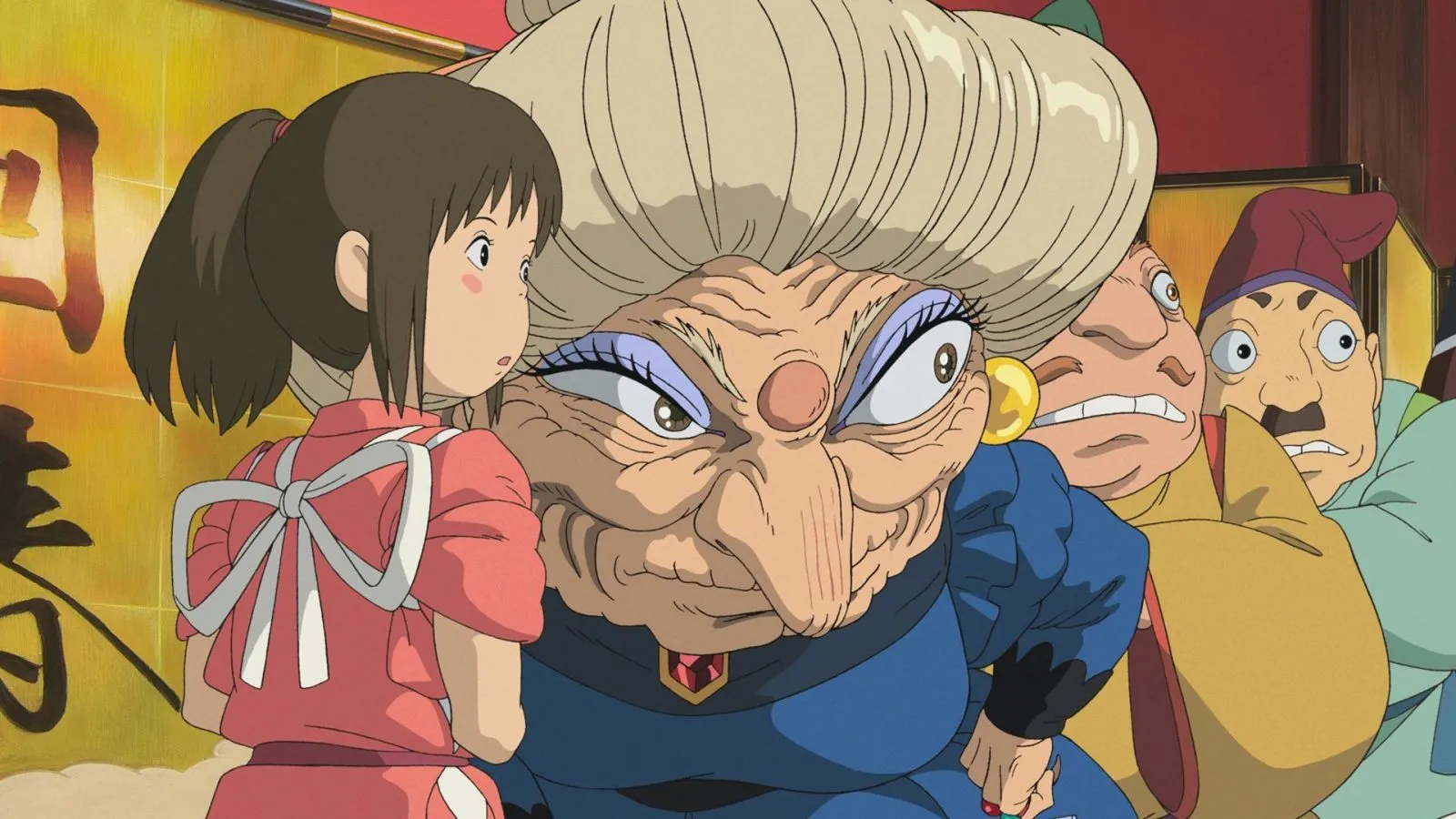
    First on our list is Spirited Away by Hayao Miyazaki. This film won an Academy Award for Best Animated Feature. The story follows Chihiro, a young girl trapped in a mysterious world. With stunning visuals and a captivating plot, this film is a must-watch for newcomers.

    2. My Neighbor Totoro

    Next, My Neighbor Totoro also by Hayao Miyazaki is a charming introduction to anime. It tells the story of two sisters who move to the countryside. They encounter friendly forest spirits, including the beloved Totoro. This film is perfect for those who appreciate whimsical, heartwarming tales.

    3. Akira

    Akira is a landmark film in anime history. Directed by Katsuhiro Otomo, it showcases a dystopian future in Neo-Tokyo. The film features stunning animation and a complex story. Its influence on the genre is profound, making it essential viewing for any anime enthusiast.

    4. Ghost in the Shell

    For a deeper dive, Ghost in the Shell offers a thought-provoking experience. Directed by Mamoru Oshii, it explores themes of identity and consciousness. Set in a cyberpunk future, it combines philosophical questions with exciting action scenes. This film is great for those interested in sci-fi and technology.

    5. Howl’s Moving Castle

    Another Hayao Miyazaki classic, Howl’s Moving Castle, features a magical story set in a whimsical world. It follows Sophie, a young woman transformed into an old lady by a witch’s curse. As she seeks a way to break the spell, she encounters a moving castle and its mysterious owner, Howl.

    Essential Anime Films for Beginners: Where to Start
    Essential Anime Films for Beginners: Where to Start

    6. Your Name

    Your Name by Makoto Shinkai is a modern anime hit. This film tells the story of two teenagers who swap bodies and form a deep connection. With beautiful animation and a touching storyline, it has won hearts worldwide. It’s an excellent choice for newcomers looking for a blend of romance and fantasy.

    7. Princess Mononoke

    Princess Mononoke explores environmental themes through a fantastical story. Directed by Hayao Miyazaki, it follows Ashitaka, a young warrior caught between humans and nature. The film’s strong environmental message and rich storytelling make it a powerful introduction to anime.

    8. Nausicaä of the Valley of the Wind

    Nausicaä of the Valley of the Wind is another masterpiece by Hayao Miyazaki. It presents a post-apocalyptic world where Nausicaä, a young princess, strives to protect nature. The film combines adventure with a strong environmental message, making it both engaging and thought-provoking.

    9. The Tale of the Princess Kaguya

    The Tale of the Princess Kaguya offers a unique visual style. Directed by Isao Takahata, it adapts a classic Japanese folktale with beautiful watercolor animation. The film’s artistic approach and emotional depth provide a different perspective on anime storytelling.

    10. Perfect Blue

    For those interested in psychological thrillers, Perfect Blue by Satoshi Kon is a compelling choice. The film follows a pop idol who becomes entangled in a dangerous obsession. Its gripping plot and intense themes offer a darker side of anime, perfect for those looking for something different.

    Conclusion

    In summary, these essential anime films offer a great starting point for beginners. From the magical worlds of Hayao Miyazaki to the futuristic visions of Akira and Ghost in the Shell, each film showcases the depth and diversity of anime. Start with these classics to gain a deeper appreciation for this unique art form.

  • Exploring Japanese Films About World War II

    Exploring Japanese Films About World War II

    World War II profoundly impacted Japan, and its effects are deeply explored in Japanese cinema. These films offer powerful perspectives on the war, reflecting on its horrors, societal impacts, and human experiences. Here’s an exploration of Japanese films that delve into World War II, capturing the emotional and historical essence of this tumultuous period.

    Exploring Japanese Films About World War II

    Grave of the Fireflies (1988)

    Director: Isao Takahata

    Grave of the Fireflies is a heartbreaking tale of two siblings, Seita and Setsuko, struggling to survive in the final months of World War II. The film presents a stark portrayal of the war’s impact on civilians, focusing on the personal tragedy of the children.

    Significance

    The film is renowned for its emotional depth and realistic depiction of wartime suffering. It serves as a poignant reminder of the war’s human cost and has garnered critical acclaim for its storytelling and animation.

    The Burmese Harp (1956)

    Director: Kon Ichikawa

    The Burmese Harp follows a Japanese soldier in Burma who, after witnessing the horrors of war, decides to stay behind to help the local people and spread peace through his music. The film explores themes of redemption and the futility of war.

    Significance

    This film is celebrated for its artistic approach and its focus on the personal transformation of soldiers during and after the war. It’s considered a classic of Japanese cinema and a powerful anti-war statement.

    Hiroshima Mon Amour (1959)

    Director: Alain Resnais

    Although a French film, Hiroshima Mon Amour has strong connections to Japanese cinema through its depiction of the aftermath of the Hiroshima bombing. It explores the emotional impact of the event on a French actress and her Japanese lover.

    Significance: The film is renowned for its innovative narrative structure and deep exploration of memory and trauma. It provides a poignant reflection on the intersection of personal and collective histories.

    The Eternal Zero (2013)

    Director: Takashi Yamazaki

    The Eternal Zero tells the story of a Japanese fighter pilot during World War II and the impact of his life on his descendants. The film balances action with a deep examination of family legacy and heroism.

    Significance

    This film offers a contemporary perspective on World War II, blending historical events with personal stories. It highlights the complexities of wartime heroism and the effects of war on future generations.

    The Emperor in August (2015)

    Director: Yoshio Kuroda

    The Emperor in August provides a dramatized portrayal of the events leading up to Japan’s surrender in World War II. The film focuses on the political and personal struggles of Emperor Hirohito and his advisors.

    Significance

    The film offers insight into the decisions and dilemmas faced by Japan’s leadership during the final days of the war. It sheds light on the internal and external pressures influencing the decision to surrender.

    Fires on the Plain (1959)

    Director: Kon Ichikawa

    Fires on the Plain depicts the struggles of a Japanese soldier stranded in the Philippines as the war winds down. The film explores the brutal realities of war and the extreme measures taken for survival.

    Significance

    Known for its stark and unflinching portrayal of wartime suffering, this film provides a raw look at the human cost of conflict and is highly regarded for its powerful narrative and performances.

    The Human Condition Trilogy (1959-1961)

    Director: Masaki Kobayashi

    The Human Condition is a trilogy that follows the experiences of a Japanese man, Kaji, as he navigates the brutal realities of World War II. The series addresses themes of moral conflict and the struggle to maintain one’s humanity.

    Significance

    This epic trilogy is praised for its ambitious scope and profound exploration of the human condition under the pressures of war. It is considered one of the greatest achievements in Japanese cinema.

    Rhapsody in August (1991)

    Director: Akira Kurosawa

    Rhapsody in August centers on a grandmother and her grandchildren as they reflect on the impact of the atomic bombing of Nagasaki. The film explores themes of memory, loss, and reconciliation.

    Significance

    Directed by Akira Kurosawa, this film provides a personal and emotional look at the aftermath of the bombings, blending historical reflection with family drama.

    The Last Emperor (1987)

    Director: Bernardo Bertolucci

    Although directed by an Italian filmmaker, The Last Emperor has significant Japanese connections through its portrayal of the life of Pu Yi, the last Emperor of China, and his experiences during World War II. It explores the intersection of Chinese and Japanese histories during the war.

    Significance

    The film’s portrayal of the war’s impact on China and Pu Yi’s life offers a broader perspective on the conflict’s reach and influence.

    The Warped World of the Japanese War Film (2006)

    Director: Various

    This documentary examines the evolution of Japanese war films and their portrayal of World War II. It provides insights into how the conflict has been depicted and remembered in Japanese cinema.

    Significance

    The documentary offers a comprehensive look at the genre, exploring how Japanese filmmakers have interpreted and represented the war over time.

    Conclusion

    Japanese films about World War II offer profound insights into the war’s impact on individuals and society. From heart-wrenching dramas to reflective documentaries, these films provide a diverse range of perspectives on the conflict and its aftermath. They not only reflect the historical realities of war but also the emotional and cultural responses to one of the most significant events of the 20th century.

  • The Rise of 3D and CGI in Japanese Anime Films

    The Rise of 3D and CGI in Japanese Anime Films

    Japanese anime, known for its vibrant 2D animation and distinctive visual style, is experiencing a transformative shift with the rise of 3D and CGI technologies. These advancements are redefining the boundaries of anime filmmaking, offering new possibilities for animation and storytelling. This article delves into the rise of 3D and CGI in Japanese anime films, exploring how these technologies are reshaping the industry and what the future might hold.


    1. Early Adoption of 3D and CGI in Anime

    The Rise of 3D and CGI in Japanese Anime Films
    The Rise of 3D and CGI in Japanese Anime Films

    a. Pioneering Efforts

    The integration of 3D and CGI into anime started as an experimental approach. Early adopters like “Appleseed” (2004) and “Final Fantasy: The Spirits Within” (2001) used CGI to enhance visual effects, though the technology was initially used sparingly due to high production costs and complexity.

    b. Gradual Integration

    As technology advanced, the use of 3D and CGI became more common. Films such as “Steamboy” (2004) and “Sky Crawlers” (2008) demonstrated how CGI could be employed to create dynamic environments and complex action scenes.


    2. Enhancing Visual Appeal and Storytelling

    a. Creating Immersive Environments

    3D and CGI technologies enable anime creators to construct rich and immersive worlds that blend seamlessly with traditional animation. “Your Name” (2016) and “Weathering with You” (2019) are prime examples, utilizing CGI to enhance their visually stunning environments and elevate storytelling.

    b. Dynamic Action Sequences

    The incorporation of CGI allows for more fluid and dynamic action sequences. “Land of the Lustrous” (2017) utilizes CGI to craft intricate battle scenes and detailed character movements, showcasing the potential of digital animation to complement traditional 2D styles.


    3. Challenges and Criticisms

    a. Maintaining Artistic Integrity

    One challenge is maintaining the artistic integrity of anime. The transition from 2D to 3D can sometimes disrupt the unique aesthetic of traditional anime, leading to debates among fans and creators about the impact on the medium’s visual identity.

    b. Production Costs and Complexity

    CGI integration often comes with increased production costs and complexity. High-quality CGI requires advanced software and skilled artists, which can raise budgets and extend production timelines, particularly for smaller studios.


    4. Notable Examples of CGI in Anime

    a. “Kizumonogatari” Series

    The “Kizumonogatari” trilogy is notable for its use of CGI to enhance its action scenes and backgrounds. The film blends CGI with traditional 2D animation to create a visually engaging experience.

    b. “Demon Slayer: Kimetsu no Yaiba – Mugen Train”

    This blockbuster film exemplifies the successful use of CGI to amplify action sequences and fantastical elements. Its innovative use of technology contributed to its global success and critical acclaim.


    5. The Future of 3D and CGI in Anime

    a. Emerging Technologies

    The future of CGI in anime will likely see the integration of emerging technologies such as real-time rendering and virtual reality. These innovations promise to expand the creative possibilities for anime filmmakers and enhance the viewer experience.

    b. Blending Tradition with Innovation

    The challenge for the industry will be to blend traditional animation techniques with modern CGI advancements, ensuring that the essence of anime is preserved while embracing new technologies.


    Conclusion

    The rise of 3D and CGI in Japanese anime films marks a significant evolution in the industry. These technologies are transforming animation, offering new tools for storytelling and visual artistry. As the industry continues to adapt and innovate, the integration of CGI will likely continue to shape the future of anime.

  • Japanese Films That Have Won International Awards

    Japanese Films That Have Won International Awards

    Japanese cinema has gained global recognition for its artistic excellence and unique storytelling. Many Japanese films have earned prestigious international awards, showcasing the country’s rich cinematic tradition. This article highlights some notable Japanese films that have won international acclaim, reflecting their impact on the global film industry.

    Spirited Away (2001)

    Directed by Hayao Miyazaki, Spirited Away is one of the most acclaimed Japanese films in history. The animated fantasy film won the Academy Award for Best Animated Feature in 2003. It also received the Golden Bear at the Berlin International Film Festival in 2002. The film’s imaginative world, richly developed characters. As well as universal themes of growth and identity have captivated audiences worldwide, establishing it as a landmark in animation.

    Ringu (1998)

    Hideo Nakata’s Ringu is a seminal work in Japanese horror cinema. The film’s chilling depiction of a cursed videotape that predicts death garnered international attention and led to numerous remakes and adaptations. At the 1999 Fantasia Film Festival, Ringu won the Best Asian Film award. Its influence extends beyond Japanese cinema, impacting the horror genre globally and inspiring films such as The Ring (2002).

    Tokyo Story (1953)

    Yasujiro Ozu’s Tokyo Story is a classic that continues to resonate with audiences and critics alike. The film won the 1953 Mainichi Film Award for Best Film and was nominated for an Academy Award for Best Foreign Language Film in 1957. Its subtle exploration of family dynamics and societal changes offers a profound look at human relationships and has cemented its place as one of the greatest films of all time.

    Shoplifters (2018)

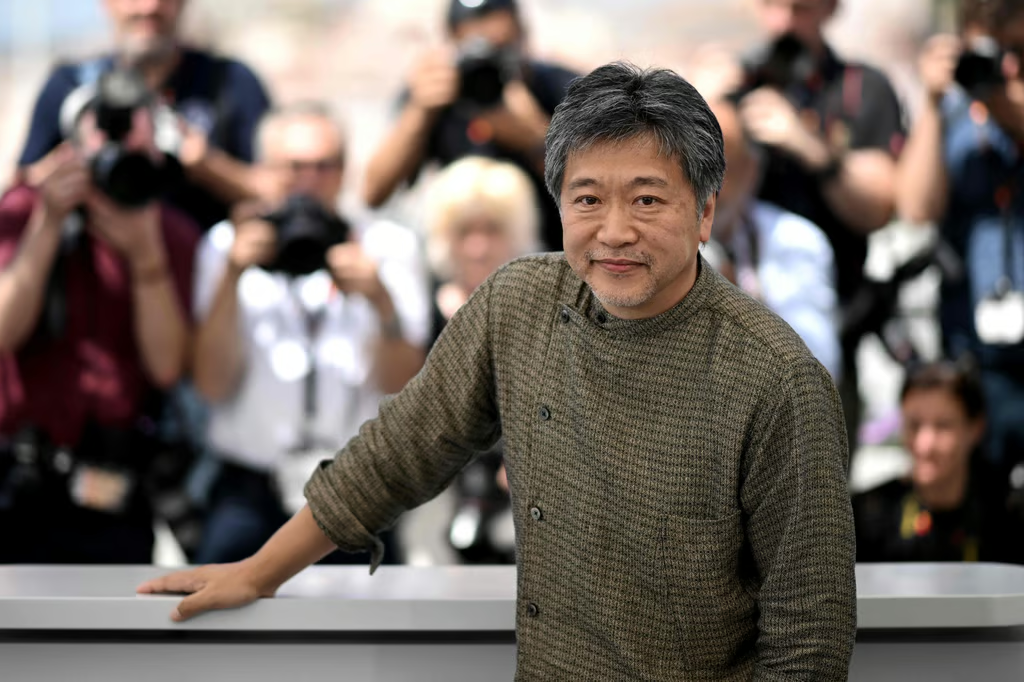
    Hirokazu Kore-eda’s Shoplifters is a powerful drama that explores themes of poverty and family. The film won the Palme d’Or at the Cannes Film Festival in 2018, one of the highest honors in cinema. Shoplifters has been praised for its empathetic portrayal of marginalized individuals and its nuanced storytelling. Therefore, earning it international acclaim and recognition.

    Ikiru (1952)

    Akira Kurosawa’s Ikiru is a poignant film about a bureaucrat facing terminal illness and seeking meaning in his life. The film won the 1953 Blue Ribbon Award for Best Film and was later recognized at the 1954 Cannes Film Festival. Its exploration of mortality and purpose has influenced filmmakers worldwide and continues to be celebrated for its profound impact and masterful direction.

    The Ballad of Narayama (1983)

    Directed by Shohei Imamura, The Ballad of Narayama is a haunting portrayal of life and death in rural Japan. The film won the Palme d’Or at the Cannes Film Festival in 1983. Its exploration of social customs and human resilience against harsh realities earned it critical acclaim and solidified Imamura’s reputation as a leading Japanese filmmaker.

    Hara-Kiri (1962)

    Masaki Kobayashi’s Hara-Kiri is a searing critique of the samurai code and honor. The film won the Best Director award at the 1963 Cannes Film Festival. Its powerful narrative and stark depiction of the samurai ethos have made it a classic in Japanese cinema and a notable entry in the global film canon.

    The Hidden Fortress (1958)

    Akira Kurosawa’s The Hidden Fortress is a groundbreaking film that influenced many later works, including Star Wars. The film won the 1958 Mainichi Film Award for Best Film and received international recognition for its innovative use of narrative and cinematic techniques. Its impact on global cinema continues to be felt, highlighting Kurosawa’s significant contributions to film history.

    Japanese Films That Have Won International Awards
    Japanese Films That Have Won International Awards

    Departures (2008)

    Directed by Yojiro Takita, Departures is a moving drama about a man who returns to his hometown and becomes a traditional mortician. The film won the Academy Award for Best Foreign Language Film in 2009. Its sensitive portrayal of life, death, and the human condition earned it widespread acclaim and introduced Japanese cinema to a broader audience.

    Conclusion

    Japanese films have made a significant impact on the global film industry, earning prestigious international awards and recognition. From groundbreaking animations and influential horror films to poignant dramas and classic cinema, these films reflect Japan’s rich cinematic heritage and its contribution to the global cultural landscape. Their international success underscores the universal appeal and artistic excellence of Japanese filmmaking.

  • Rising Stars of Japanese Cinema

    Rising Stars of Japanese Cinema

    Japanese cinema continues to thrive with fresh talent emerging each year. In 2024, several rising stars are set to make a significant impact. This article highlights these exciting new faces in Japanese film and their contributions to the industry.

    1. Kento Yamazaki

    Kento Yamazaki remains a prominent figure in Japanese cinema. Known for his versatile acting, Yamazaki gained acclaim for roles in both dramas and action films. This year, he stars in several highly anticipated films. His performances showcase his ability to tackle diverse characters with depth and authenticity.

    2. Suzu Hirose

    Suzu Hirose is another standout talent. She has captivated audiences with her emotional range and strong screen presence. In 2024, Hirose stars in a series of high-profile projects. Her role in the upcoming film “The Love Letter” is generating significant buzz, highlighting her continued growth as an actress.

    3. Taiga Nakano

    Taiga Nakano has emerged as a rising star with his unique talent. Known for his compelling performances, Nakano’s career is gaining momentum. He is set to appear in several notable films this year, including “A Silent Voice 2,” where he continues to demonstrate his impressive range.

    4. Fumi Nikaido

    Fumi Nikaido is making waves with her dynamic performances. Her work in independent films has garnered critical acclaim. In 2024, Nikaido stars in “Echoes of the Past,” a film that promises to showcase her exceptional acting skills and versatility.

    5. Ryo Yoshizawa

    Ryo Yoshizawa has made a name for himself with his captivating roles and screen charisma. This year, Yoshizawa takes on challenging roles in both drama and action genres. His upcoming film, “Shadow’s Edge,” is highly anticipated and expected to further establish his reputation as a leading actor.

    6. Nana Komatsu

    Nana Komatsu continues to rise in prominence within Japanese cinema. Known for her unique blend of charm and intensity, Komatsu’s performances are drawing increasing attention. Her role in “The Broken Mirror” highlights her evolving talent and versatility as an actress.

    7. Takeru Satoh

    Takeru Satoh, recognized for his remarkable acting ability, is set to shine in 2024. His upcoming roles include a highly anticipated adaptation of a popular manga. Satoh’s dedication to his craft and his ability to bring characters to life make him a talent to watch closely.

    8. Yuki Furukawa

    Yuki Furukawa is gaining recognition for his impressive performances in various film genres. His work in “The Last Dream” showcases his skill and depth as an actor. As he continues to build his career, Furukawa’s contributions to Japanese cinema will be worth following.

    9. Haruka Fukuhara

    Haruka Fukuhara stands out with her vibrant performances and screen presence. This year, she stars in “The Secret Garden,” a film that emphasizes her range and acting prowess. Fukuhara’s rising popularity is a testament to her growing influence in Japanese cinema.

    Rising Stars of Japanese Cinema
    Rising Stars of Japanese Cinema

    10. Shota Sometani

    Shota Sometani’s talent and dedication are evident in his diverse film roles. Known for his intense performances, Sometani’s work continues to impress. In 2024, he is set to star in several high-profile films, further solidifying his place in the industry.

    Conclusion

    In conclusion, the rising stars of Japanese cinema in 2024 offer a glimpse into the future of the film industry. Kento Yamazaki, Suzu Hirose, and other emerging talents are set to make significant contributions. Their performances highlight the dynamic and evolving nature of Japanese cinema. As these new faces gain prominence, they bring fresh perspectives and innovative storytelling to the screen.

  • Fantasy vs. Reality: How Anime Films Portray Different Worlds

    Fantasy vs. Reality: How Anime Films Portray Different Worlds

    Anime films are renowned for their ability to transport viewers to fantastical realms, presenting imaginative worlds that stretch the limits of creativity. Yet, beneath the surface of these enchanting settings lies a reflection of real-world themes and issues. This article explores how anime films contrast fantasy with reality, delving into how they create captivating worlds while addressing deeper truths about our own world.


    1. Creating Enchanting Fantasy Worlds

    Anime films often excel in crafting fantastical realms that captivate and inspire audiences. These worlds can range from magical kingdoms and futuristic cities to mythical landscapes.

    a. World-Building Techniques

    Anime creators use various techniques to build immersive fantasy worlds. Studio Ghibli films, such as “Spirited Away” and “Howl’s Moving Castle,” showcase intricate designs and imaginative settings that captivate the audience. The use of detailed backgrounds, imaginative creatures, and magical elements creates a sense of wonder and escapism.

    b. Unique Visual Styles

    Fantasy vs. Reality: How Anime Films Portray Different Worlds
    Fantasy vs. Reality: How Anime Films Portray Different Worlds

    The visual style of anime can greatly enhance the fantasy experience. For instance, Makoto Shinkai’s films, like “Your Name,” employ stunning animation and vibrant color palettes to bring their fantastical elements to life. This visual appeal helps to transport viewers to realms beyond their imagination.


    2. Reflecting Real-World Themes and Issues

    While anime films often dive into fantastical settings, they frequently address real-world themes and social issues through their narratives.

    a. Social Commentary

    Anime films often explore social and cultural issues within their fantasy contexts. “Princess Mononoke,” for example, uses its fantastical world to comment on environmentalism, industrialization, and the human-nature relationship. The film’s conflict between industrial forces and nature spirits mirrors real-world environmental struggles.

    b. Personal Struggles and Growth

    Many anime films use fantasy settings to address personal growth and emotional challenges. “A Silent Voice” employs its narrative to explore themes of bullying, guilt, and redemption. The fantastical elements are less prominent here, allowing the film’s real-world issues to take center stage.


    3. Juxtaposing Fantasy and Reality

    Anime films often juxtapose fantasy and reality, blending imaginative worlds with real-life concerns to create a balanced narrative.

    a. Escapism with Real-World Reflection

    Films like “The Girl Who Leapt Through Time” use fantastical elements, such as time travel, to explore personal and emotional challenges. The fantasy of time travel serves as a backdrop for addressing real issues like regret, the consequences of choices, and the passage of time.

    b. Mythical Elements in Everyday Life

    Some anime films integrate mythical elements into everyday life, blurring the lines between fantasy and reality. “My Neighbor Totoro” presents magical creatures within a real-world setting, emphasizing how the fantastical can enrich our understanding of the mundane.


    4. The Impact of Fantasy on Real-World Perspectives

    Fantasy elements in anime can have a profound impact on viewers’ perspectives and understanding of reality.

    a. Inspiration and Reflection

    Fantasy worlds often inspire viewers and offer new ways of thinking about real-world problems. The imaginative settings and scenarios can encourage viewers to reflect on their own lives and challenges from a fresh perspective.

    b. Emotional Resonance

    The emotional journeys experienced in fantastical settings can resonate deeply with viewers, often highlighting universal themes that are relevant to real life. “Your Name” deals with themes of connection and loss, using its fantasy elements to enhance the emotional impact of the story.


    5. Blurring the Boundaries Between Fantasy and Reality

    Some anime films skillfully blur the boundaries between fantasy and reality, creating narratives that seamlessly intertwine the two.

    a. Hybrid Worlds

    Films like “Paprika” combine elements of fantasy and reality, exploring the dream world as a place where the subconscious and the real world intersect. This blend of worlds creates a unique narrative that challenges perceptions and explores the nature of reality.

    b. Real-World Inspirations in Fantasy Settings

    Many anime films draw inspiration from real-world cultures, histories, and experiences while presenting them in fantastical contexts. “The Tale of the Princess Kaguya” incorporates elements of traditional Japanese folklore while addressing universal themes of identity and belonging.


    Conclusion

    Anime films offer a rich tapestry of fantasy and reality, creating worlds that captivate the imagination while reflecting on real-life themes and issues. By exploring these contrasting elements, anime provides viewers with both an escape from the mundane and a deeper understanding of the world around them.

  • The Representation of Family in Japanese Cinema

    The Representation of Family in Japanese Cinema

    Japanese cinema often explores the complexities of family dynamics through a unique cultural lens. From traditional values to modern challenges, films from Japan offer diverse portrayals of family life. Here’s a closer look at how Japanese cinema represents family and the various themes and narratives that emerge.

    The Representation of Family in Japanese Cinema

    Traditional Family Values

    Japanese films frequently highlight traditional family values, emphasizing respect for elders, filial piety, and close-knit family ties. Films like “Tokyo Story” (1953) by Yasujiro Ozu showcase the generational gap and the sense of duty children feel towards their aging parents. This classic portrays a family that, despite their love and respect for one another, struggles with the expectations and responsibilities of familial roles.

    Notable Films:

    • “Tokyo Story” (1953): Depicts the difficulties of intergenerational relationships.
    • “The Ballad of Narayama” (1958): Explores the harsh customs surrounding aging and family duties.

    Modern Family Dynamics

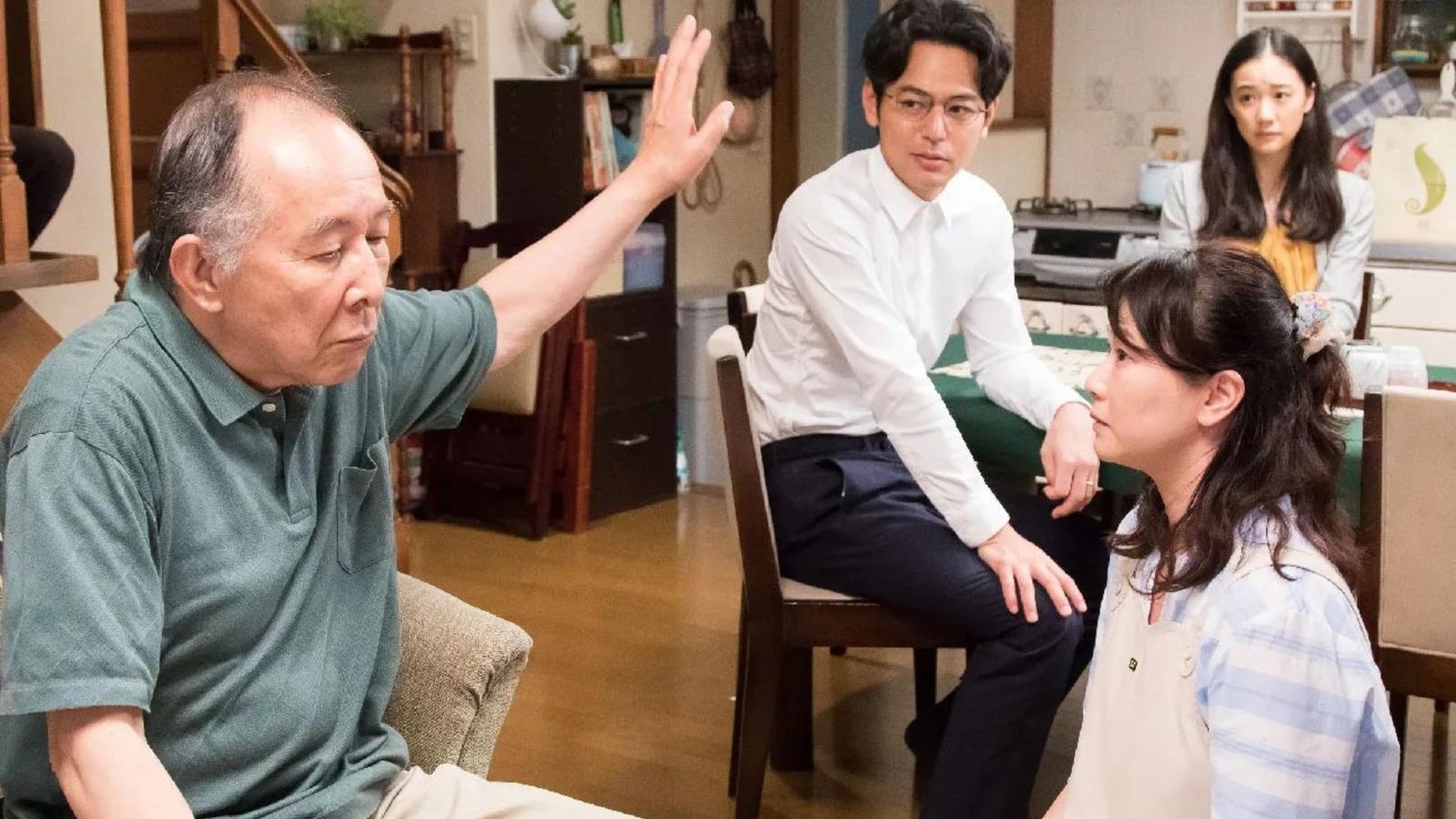
    Modern Japanese cinema often tackles contemporary family issues, including divorce, single parenting, and blended families. Films like “Like Father, Like Son” (2013) by Hirokazu Kore-eda delve into the emotional turmoil of parents discovering their children were swapped at birth, exploring themes of identity, nurture versus nature, and the redefinition of family bonds.

    Notable Films:

    • “Like Father, Like Son” (2013): Explores the impact of a child-swapping revelation on two families.
    • “Our Little Sister” (2015): Follows three sisters who take in their half-sister after their father’s death.

    Family and Social Issues

    Japanese films often use family settings to address broader social issues, such as economic hardship, social isolation, and cultural changes. “Shoplifters” (2018) by Hirokazu Kore-eda presents a family living on the fringes of society, highlighting issues of poverty, social welfare, and the unconventional ways people form familial bonds.

    Notable Films:

    • “Shoplifters” (2018): Examines a makeshift family’s struggles and ethical dilemmas.
    • “Nobody Knows” (2004): Focuses on the resilience of children abandoned by their mother.

    Family in Historical Context

    Japanese cinema also explores family life in historical and cultural contexts. Films such as “The Makioka Sisters” (1983), directed by Kon Ichikawa, provide a glimpse into pre-war Japanese family life and societal changes. These films often reflect the historical shifts and how they impact family structures and values.

    Notable Films:

    • “The Makioka Sisters” (1983): Reflects on the changing roles of women and family expectations in pre-war Japan.
    • “The Hidden Fortress” (1958): While primarily an adventure film, it portrays the loyalty and dynamics of a family-like relationship between the protagonists.

    Symbolic and Artistic Representations

    Japanese cinema also uses family as a symbol or artistic device to explore deeper themes. Directors like Akira Kurosawa and Hirokazu Kore-eda often use family settings to reflect on universal themes of human connection, struggle, and resilience. Films such as “Ikiru” (1952) and “After Life” (1998) utilize family as a lens through which to examine life’s meaning and the human condition.

    Notable Films:

    • “Ikiru” (1952): Centers on a bureaucrat’s quest to find meaning in his life through his family and work.
    • “After Life” (1998): Imagines a place where people reflect on their lives and family connections before moving on.

    Conclusion

    The representation of family in Japanese cinema offers rich and varied insights into cultural values, societal issues, and individual relationships. From traditional values to modern struggles, these films provide a deep understanding of how family dynamics shape and are shaped by broader cultural and social contexts. Exploring these films not only enhances appreciation for Japanese cinema but also offers universal themes that resonate with audiences worldwide.

  • The Global Appeal of Japanese Filmmaking

    The Global Appeal of Japanese Filmmaking

    Japanese filmmaking has captivated audiences worldwide with its distinctive style, innovative storytelling, and cultural richness. The global appeal of Japanese cinema is rooted in its ability to blend traditional elements with modern themes, creating a cinematic experience that resonates across cultures. This article explores the factors contributing to the international popularity of Japanese films and highlights key examples of their global impact.

    Unique Storytelling and Visual Style

    One of the main draws of Japanese filmmaking is its unique storytelling and visual style. Japanese directors often experiment with narrative structures, character development, and visual aesthetics. Hayao Miyazaki’s animated films, such as Spirited Away (2001), showcase imaginative worlds and richly developed characters. The film’s enchanting animation and universal themes of growth and self-discovery contribute to its global success.

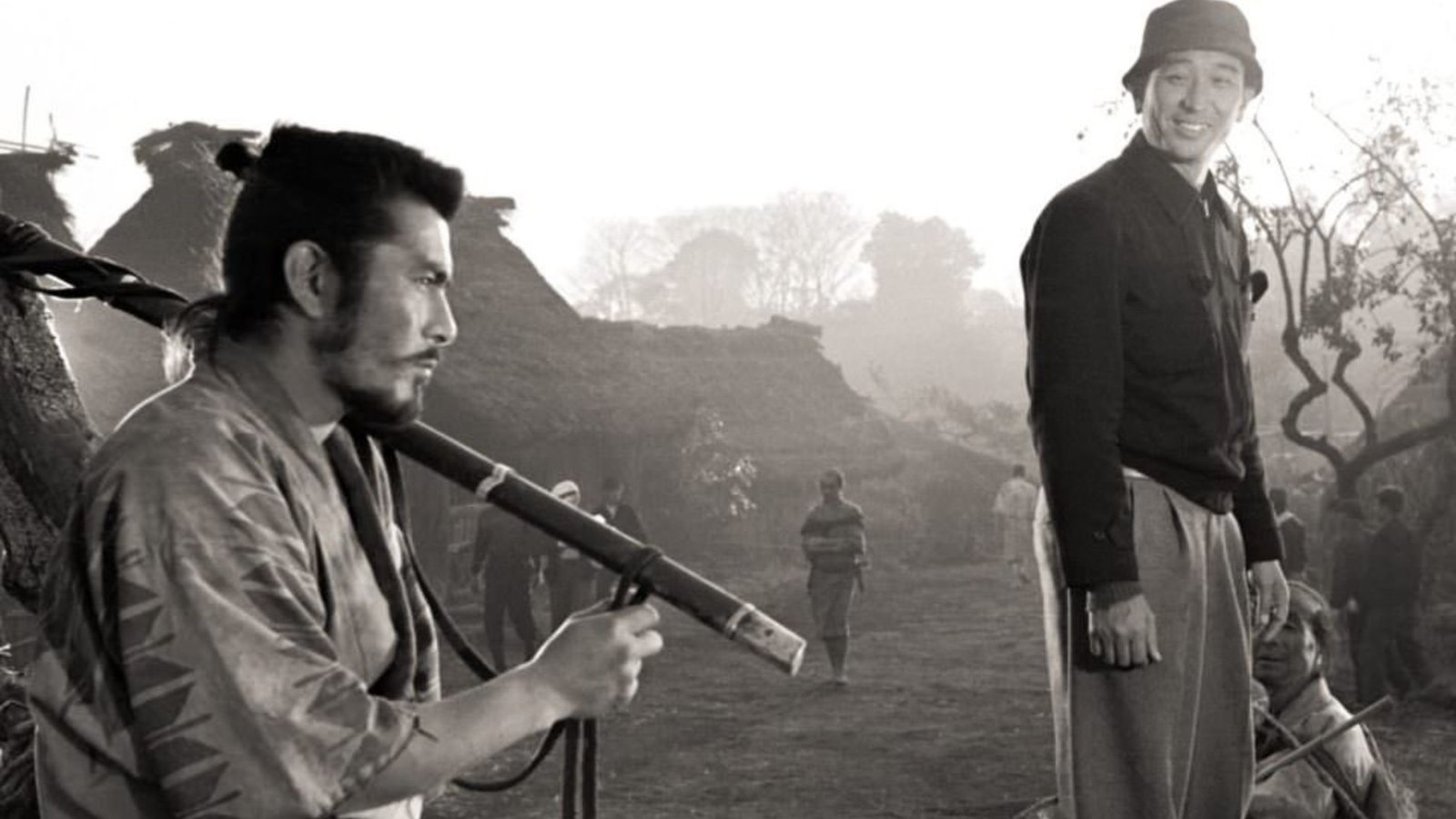
    Similarly, Akira Kurosawa’s films, including Seven Samurai (1954), are renowned for their innovative approach to storytelling and cinematic techniques. Kurosawa’s use of dynamic camera work, complex characters, and epic narratives has influenced filmmakers around the world. His ability to convey universal themes through a distinctly Japanese lens enhances the global appeal of his work.

    Cultural Richness and Universal Themes

    Japanese films often explore deep cultural themes while addressing universal issues, making them accessible to international audiences. Films like Tokyo Story (1953) by Yasujiro Ozu offer a poignant look at family dynamics and societal changes. The film’s exploration of generational conflict and traditional values resonates with viewers across cultures, highlighting the universal aspects of Japanese storytelling.

    Additionally, Ringu (1998), directed by Hideo Nakata, introduced global audiences to Japanese horror. The film’s unique take on supernatural fear and its chilling atmosphere have influenced the horror genre worldwide. By addressing universal fears through a distinctly Japanese narrative, Ringu demonstrates how Japanese films can effectively bridge cultural gaps.

    Impact of Anime and Animation

    Japanese animation, or anime, has played a significant role in the global appeal of Japanese filmmaking. Studio Ghibli’s films, such as My Neighbor Totoro (1988) and Princess Mononoke (1997), have gained international acclaim for their captivating stories and beautiful animation. The studio’s ability to blend traditional Japanese themes with universal messages of environmentalism and personal growth appeals to a broad audience.

    Anime series like Naruto and One Piece also contribute to the global popularity of Japanese media. These series have garnered large fan bases outside Japan, influencing global pop culture and sparking interest in Japanese storytelling techniques. The worldwide success of anime highlights the genre’s ability to connect with diverse audiences through its engaging narratives and vibrant art style.

    The Global Appeal of Japanese Filmmaking
    The Global Appeal of Japanese Filmmaking

    Cultural Exchange and International Film Festivals

    Japanese films are frequently featured at international film festivals, where they garner attention from global audiences and critics. Festivals such as Cannes, Venice, and Sundance showcase Japanese cinema’s innovation and diversity. Films like Shoplifters (2018), directed by Hirokazu Kore-eda, have received international recognition for their compelling storytelling and social commentary.

    These festivals provide a platform for Japanese filmmakers to reach a global audience and foster cultural exchange. The international acclaim of Japanese films at these events underscores their universal appeal and the growing interest in Japanese cinema worldwide.

    Influence on Global Filmmaking

    Japanese filmmaking has influenced directors and studios across the globe. The thematic depth and visual style of Japanese films have inspired filmmakers in Hollywood and beyond. Quentin Tarantino’s work, for example, often pays homage to Japanese cinema, particularly in his use of action and storytelling techniques. The influence of Japanese cinema is evident in various international films, reflecting its impact on global filmmaking trends.

    Conclusion

    The global appeal of Japanese filmmaking lies in its unique storytelling, cultural richness, and universal themes. From groundbreaking anime to classic cinema, Japanese films offer a distinctive perspective that resonates with audiences worldwide. By blending traditional elements with modern issues, Japanese filmmakers create a cinematic experience that transcends cultural boundaries, enriching the global film landscape.

  • Japanese Films on Hollywood Remakes

    Japanese Films on Hollywood Remakes

    Japanese films have greatly influenced Hollywood remakes. Their unique storytelling, visual styles, and cultural themes have left a significant mark on global cinema. This article explores how Japanese films shape Hollywood adaptations and the impact of this cross-cultural exchange.

    1. Influence on Hollywood Adaptations

    Japanese films often serve as inspiration for Hollywood remakes. Directors and producers in Hollywood frequently adapt  films for American audiences. For example, the Japanese horror film “Ringu” (1998) led to the American remake “The Ring” (2002). Such adaptations highlight the impact of Japanese cinema on Hollywood’s creative process.

    2. Unique Storytelling Techniques

    Japanese films use distinctive storytelling techniques that appeal to global audiences. These methods often translate well into Hollywood adaptations. For instance, the psychological depth and suspense in “Ringu” influenced the American version’s approach to horror. This unique storytelling helps Hollywood filmmakers craft engaging and innovative remakes.

    3. Notable Examples of Remakes

    Several successful Hollywood remakes have roots in Japanese cinema. Besides “The Ring,” other examples include “The Grudge” (2004) and “Shutter” (2008). Both films originated from Japanese horror classics and achieved significant success in the U.S. These remakes showcase how Japanese films influence Hollywood’s horror genre.

    4. Cross-Cultural Appeal

    Japanese films often explore themes and narratives that resonate across cultures. This broad appeal makes them attractive for adaptation. Films like “Battle Royale” (2000) have influenced American cinema, inspiring movies like “The Hunger Games” (2012). The themes of survival and dystopia in these Japanese films align well with Hollywood’s market trends.

    5. Challenges in Adaptation

    Adapting  films for Hollywood audiences presents challenges. Cultural differences and unique storytelling styles require careful adaptation. For example, “The Ring” successfully translated Japanese horror elements into a format familiar to American viewers. However, some remakes struggle to capture the essence of the original film, highlighting the difficulties in cross-cultural adaptation.

    6. The Role of Directors and Screenwriters

    Directors and screenwriters play a crucial role in adapting  films for Hollywood. Their vision and understanding of both cultures shape the final product. Directors like Gore Verbinski, who worked on “The Ring,” skillfully integrated Japanese horror elements into the American remake. This collaboration ensures that the essence of the original film is preserved while appealing to a new audience.

    Japanese Films on Hollywood Remakes
    Japanese Films on Hollywood Remakes

    7. The Future of Remakes

    The trend of adapting films for Hollywood continues to grow. As global cinema evolves, Hollywood filmmakers increasingly look to Japanese films for inspiration. This ongoing exchange enriches both industries and offers audiences fresh perspectives. Future remakes will likely continue to draw from Japanese cinema, reflecting its enduring influence on Hollywood.

    Conclusion

    In conclusion, films have a profound impact on Hollywood remakes. Their unique storytelling, cultural themes, and visual styles inspire filmmakers and shape the adaptation process. As the trend continues, the influence of Japanese cinema will remain a significant force in global filmmaking. This cross-cultural exchange enriches both industries and offers audiences new and exciting cinematic experiences.