Author: Kyo

  • The Evolution of Japanese Cinema

    The Evolution of Japanese Cinema

    Japanese cinema has undergone a remarkable evolution over the decades. From silent films to modern classics, this journey reflects broader changes in Japanese society and culture. Let’s explore how Japanese cinema has developed over the years.

    1. Early Beginnings: Silent Films and the Birth of Japanese Cinema

    Initially, Japanese cinema began with silent films in the early 20th century. Filmmakers like Daisuke Ito and Shozo Makino pioneered this era. Their works focused on historical dramas and samurai films, establishing the foundations of Japanese cinema. Films such as “Nannaka no Shima” (1925) are examples of early Japanese silent cinema. These films captured the imagination of audiences and set the stage for future developments.

    2. The Rise of Talkies and Golden Age

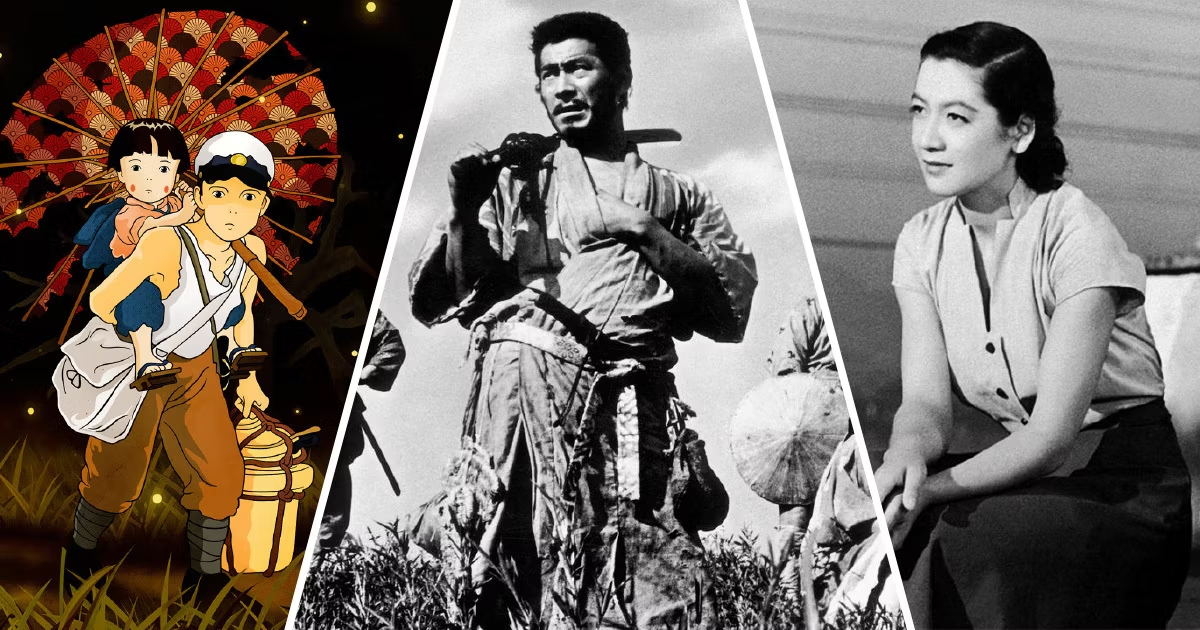
    The introduction of sound in the late 1920s marked a new era. This period, often referred to as the Golden Age of Japanese Cinema, saw the rise of influential directors like Akira Kurosawa and Yasujiro Ozu. Kurosawa’s “Rashomon” (1950) broke new ground with its innovative storytelling and cinematography. Ozu’s “Tokyo Story” (1953) offered a poignant portrayal of family life and societal change. During this time, Japanese cinema gained international recognition and acclaim.

    3. Post-War Cinema: Reflecting on Change

    After World War II, Japanese cinema began reflecting on the country’s social and political changes. Films from this period often addressed themes of loss, recovery, and societal transformation. Directors such as Kenji Mizoguchi and Masaki Kobayashi created powerful works that explored these themes. Mizoguchi’s “Ugetsu” (1953) and Kobayashi’s “The Human Condition” (1959-1961) highlighted the impact of war and the struggles of rebuilding society. This era marked a shift toward more introspective and critical narratives.

    4. New Wave Cinema: Innovation and Experimentation

    The 1960s brought the New Wave movement, characterized by innovation and experimentation. Directors like Nagisa Oshima and Shohei Imamura challenged traditional storytelling techniques. Oshima’s “In the Realm of the Senses” (1976) pushed boundaries with its provocative content. Imamura’s “The Ballad of Narayama” (1983) combined traditional themes with modern cinematic techniques. This movement emphasized personal expression and creative freedom.

    5. Contemporary Cinema: Global Influence and Modern Trends

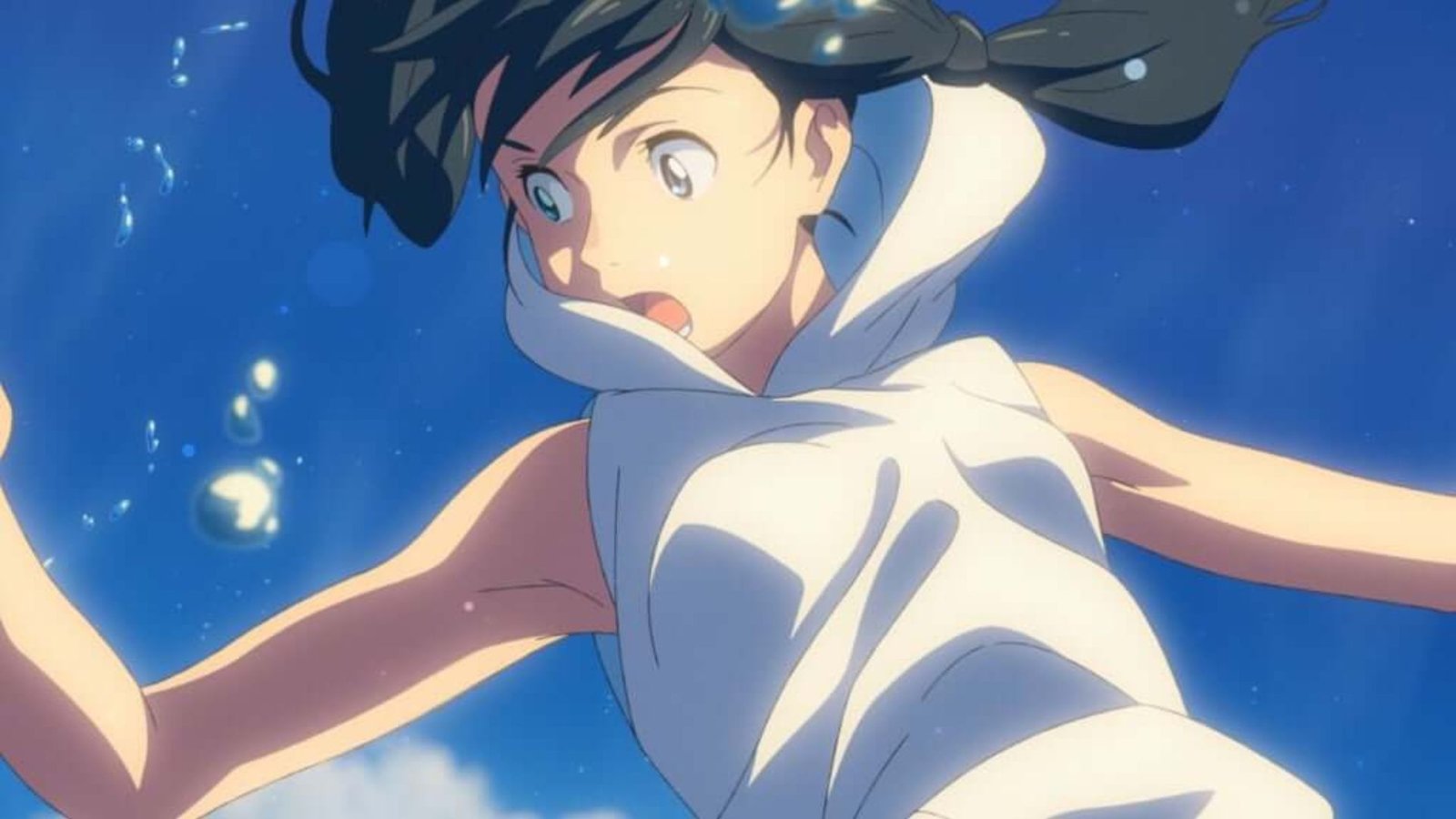
    In recent decades, Japanese cinema has continued to evolve, embracing global influences and modern trends. Filmmakers such as Hirokazu Kore-eda and Mamoru Hosoda have gained international acclaim. Kore-eda’s “Shoplifters” (2018) won the Palme d’Or at Cannes, highlighting his skill in depicting family dynamics. Hosoda’s “Mirai” (2018) received praise for its imaginative storytelling and animation. These contemporary films often blend traditional Japanese themes with global cinematic styles.
    The Evolution of Japanese Cinema
    The Evolution of Japanese Cinema

    6. Anime and the International Stage

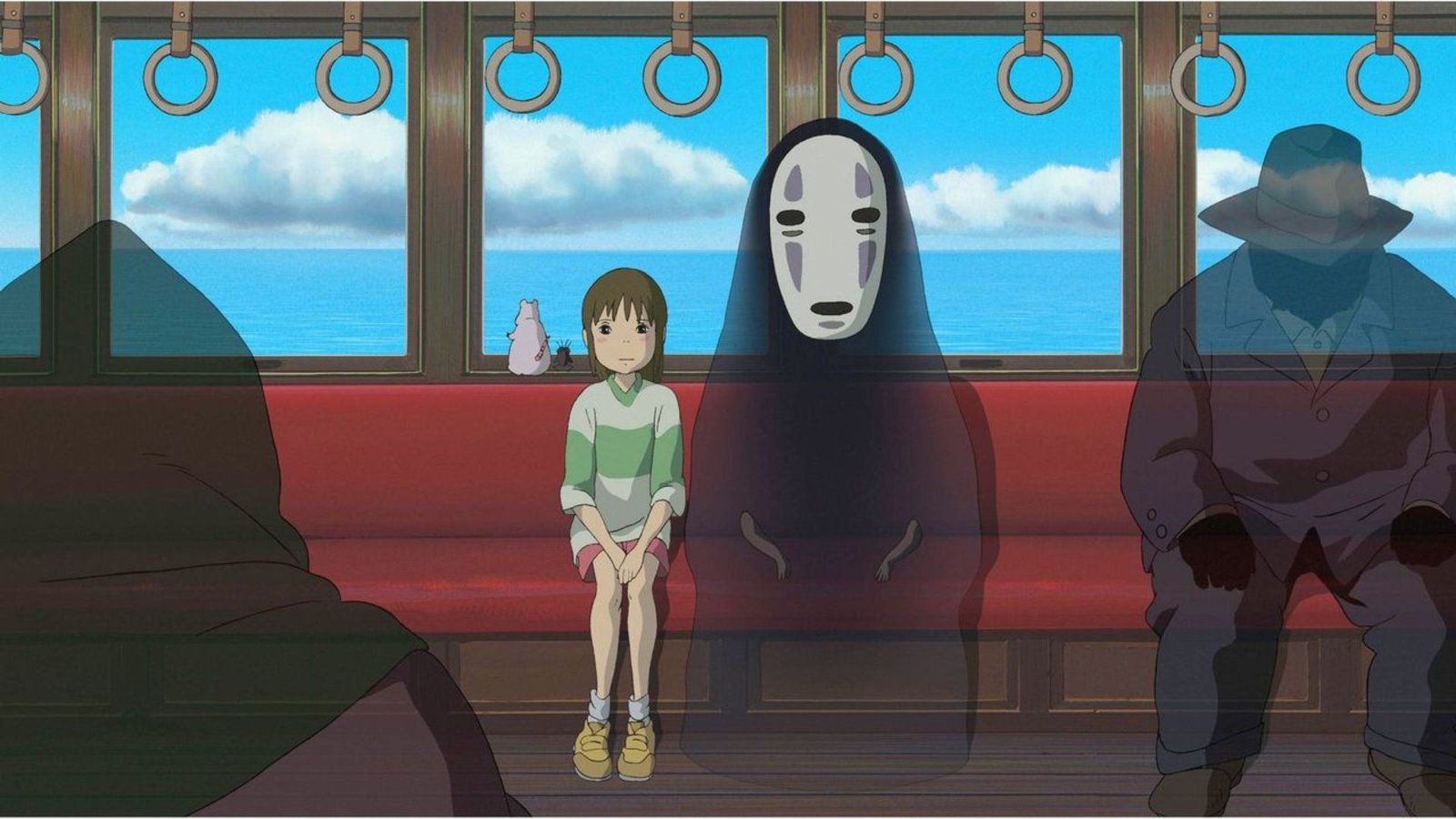
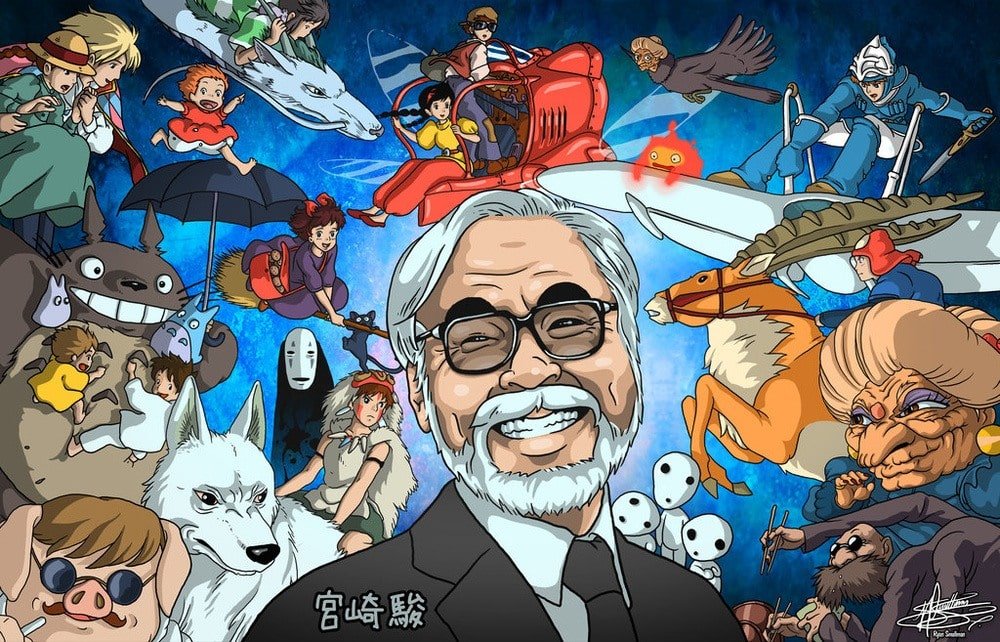
    Additionally, Japanese animation, or anime, has become a significant part of the film industry. Studio Ghibli, founded by Hayao Miyazaki and Isao Takahata, has produced iconic films like “Spirited Away” (2001). These films have achieved worldwide popularity and critical acclaim. Anime has introduced Japanese storytelling and art to a global audience, further influencing the evolution of Japanese cinema.

    Conclusion

    In summary, the evolution of Japanese cinema reflects a rich history of innovation and cultural change. From the silent film era to contemporary works, Japanese cinema has continually adapted and transformed. By exploring its development, we gain insight into how Japanese filmmakers have shaped and responded to their world. This journey through film history highlights the enduring impact and creativity of Japanese cinema.
  • The Evolution of Japanese Cinema: From Silent Films to Today

    The Evolution of Japanese Cinema: From Silent Films to Today

    Japanese cinema has undergone a remarkable evolution since its inception, reflecting broader changes in technology, society, and culture. From its silent film origins to the vibrant and diverse landscape of contemporary cinema, Japanese films have continually adapted and innovated. This article explores the journey of Japanese cinema, highlighting key developments and milestones along the way.

    Silent Era: Foundations of Japanese Film

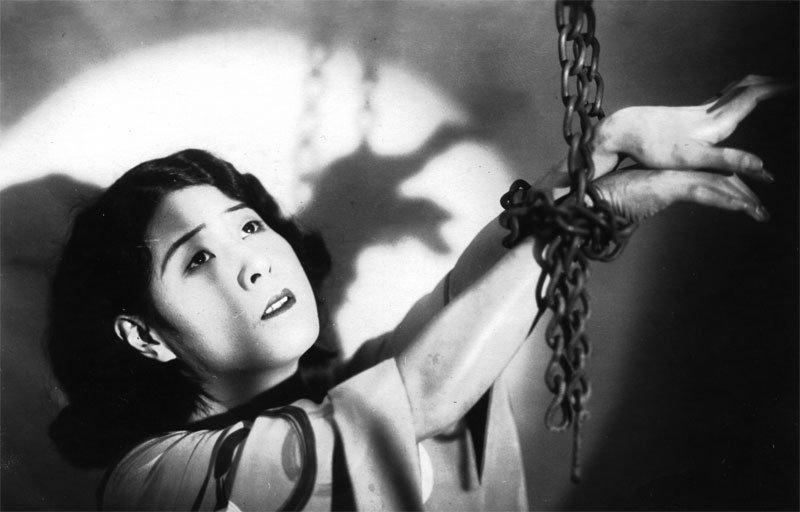
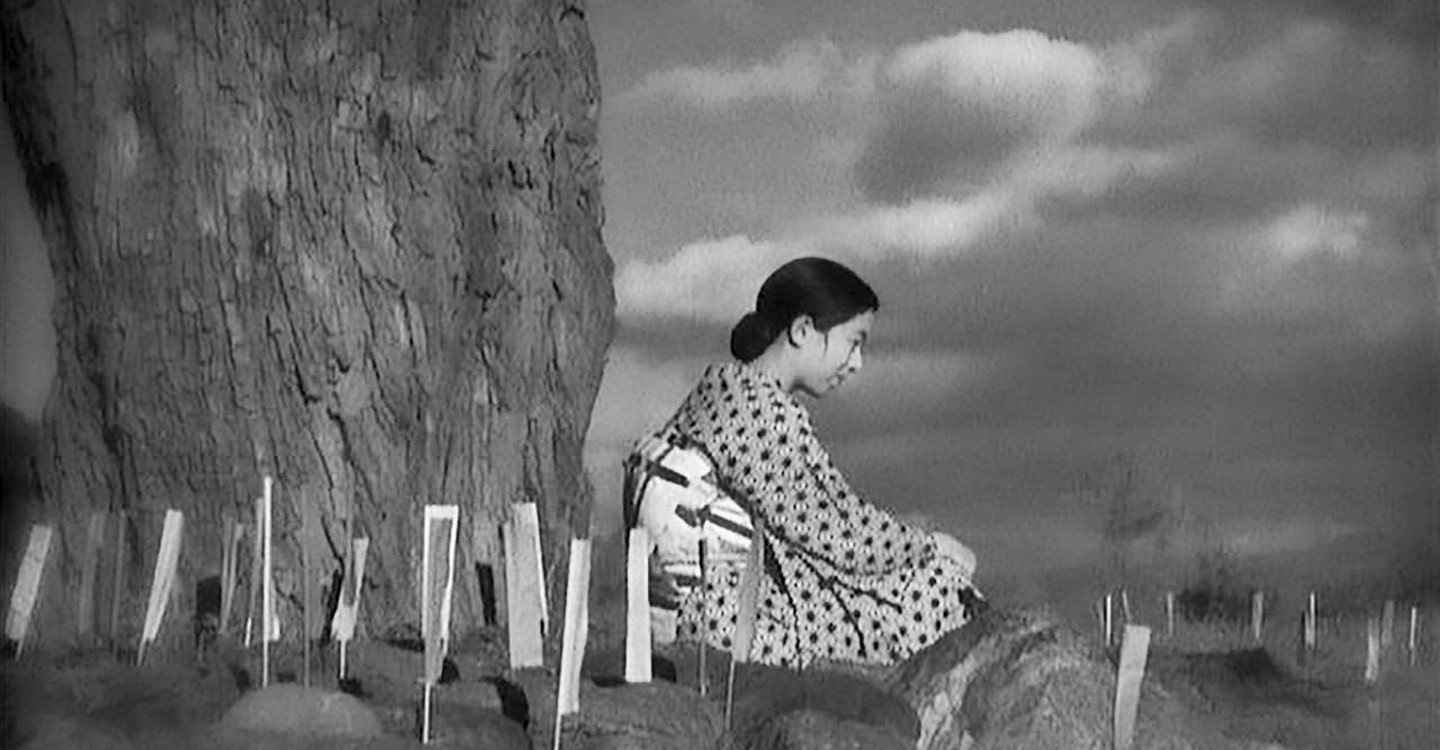
    Japanese cinema began in the early 20th century, during the silent film era. The first Japanese film, Namakura Gatana (An Unsophisticated Sword), was released in 1917 and marked the beginning of Japan’s film industry. Early Japanese silent films were influenced by both Western cinema and traditional Japanese theater, such as kabuki and bunraku.

    Directors like Teinosuke Kinugasa and Yasujiro Ozu were pivotal during this period. Kinugasa’s A Page of Madness (1926) is a notable example of early Japanese avant-garde cinema, showcasing innovative techniques and a unique narrative style. Ozu, known for his later works, began developing his distinctive approach to storytelling during this era, focusing on the everyday lives of ordinary people.

    The Talkies and Post-War Cinema: Growth and Innovation

    The introduction of sound in the late 1920s brought significant changes to Japanese cinema. The transition to talkies, or sound films, marked a new era of filmmaking, allowing for more complex narratives and dialogue-driven stories. The 1930s and 1940s saw the rise of jidaigeki (period films) and gendai-geki (contemporary films), with directors like Kenji Mizoguchi and Akira Kurosawa gaining prominence.

    Kurosawa’s early work, including Drunken Angel (1948), established him as a leading figure in Japanese cinema. His films, characterized by their strong narratives, dynamic action sequences, and deep character development, earned international acclaim. During this period, Japanese cinema began to gain recognition on the global stage, with films being showcased at international film festivals.

    The Golden Age: The 1950s and 1960s

    The 1950s and 1960s are often referred to as the Golden Age of Japanese cinema. This era was marked by a flourishing of creativity and the rise of influential directors who shaped the future of Japanese film. Kurosawa, Mizoguchi, and Yasujiro Ozu continued to dominate, producing some of their most celebrated works.

    Ozu’s Tokyo Story (1953) and Kurosawa’s Seven Samurai (1954) are prime examples of the rich storytelling and innovative techniques that defined this period. The Golden Age also saw the emergence of Nikkatsu and Toho, major film studios that played a significant role in shaping Japanese cinema.

    The 1960s also saw the rise of independent cinema, with filmmakers like Nagisa Oshima pushing boundaries and exploring new themes. Oshima’s Cruel Story of Youth (1960) and The Ceremony (1971) challenged conventional norms and explored social issues, reflecting the changing attitudes of the time.

    Modern Era: From Anime to Global Recognition

    The late 20th and early 21st centuries marked a new chapter in Japanese cinema, characterized by diversity and innovation. The rise of anime (animated films) brought Japanese cinema to a global audience, with studios like Studio Ghibli and directors like Hayao Miyazaki gaining international fame. Films such as My Neighbor Totoro (1988) and Spirited Away (2001) became cultural touchstones, showcasing the creativity and artistic excellence of Japanese animation.

    In parallel, Japanese live-action cinema continued to evolve, with directors like Hirokazu Kore-eda and Sion Sono exploring contemporary themes and experimenting with new styles. Kore-eda’s Shoplifters (2018) received widespread acclaim for its sensitive portrayal of family dynamics and social issues, while Sono’s work, including Love Exposure (2008), challenged conventional genres and narratives.

    Contemporary Trends: Innovation and Diversity

    Today, Japanese cinema is marked by its diversity and innovation. Filmmakers continue to push boundaries and explore new genres, from psychological thrillers to fantasy epics. The success of Japanese films at international film festivals and the increasing global popularity of Japanese cinema reflect the industry’s ongoing evolution and adaptability.

    Emerging filmmakers are also contributing to this vibrant landscape, blending traditional techniques with modern influences. The growing popularity of Japanese films on streaming platforms has expanded their reach, making them more accessible to global audiences and fostering a deeper appreciation for Japanese cinema.

    The Evolution of Japanese Cinema
    The Evolution of Japanese Cinema

    Conclusion

    The evolution of Japanese cinema, from its silent film origins to the dynamic and diverse landscape of today, reflects its ability to adapt and innovate over time. From the foundational works of early directors to the global success of contemporary films, Japanese cinema continues to influence and inspire audiences worldwide. Its rich history and ongoing innovation underscore its vital role in the global film industry and its capacity to captivate and engage audiences across cultures.

  • The Art of Storytelling in Japanese Anime Films

    The Art of Storytelling in Japanese Anime Films

    Japanese anime films are celebrated not just for their distinctive visual style but also for their exceptional storytelling. The art of storytelling in anime is a blend of intricate narrative structures, deep emotional resonance, and unique cultural perspectives. This article delves into the elements that make anime storytelling compelling and how it captivates audiences worldwide.


    1. Complex Character Development

    Anime films are renowned for their well-developed characters, whose personal journeys often drive the narrative.

    a. Multidimensional Characters

    Unlike traditional character archetypes, anime characters are frequently multidimensional, with intricate backstories and complex motivations. Films like “Your Name” (2016) and “A Silent Voice” (2016) feature protagonists with deep emotional struggles and growth, making them relatable and engaging.

    b. Character Evolution

    Anime often portrays significant character evolution, allowing characters to undergo substantial development throughout the story. This progression is evident in “Naruto” and “Fullmetal Alchemist: Brotherhood”, where characters mature and face internal and external challenges.

    The Art of Storytelling in Japanese Anime Films
    The Art of Storytelling in Japanese Anime Films

    2. Innovative Narrative Structures

    The narrative structures in anime films can vary widely, often breaking conventional storytelling molds.

    a. Nonlinear Storytelling

    Anime frequently employs nonlinear storytelling to create intrigue and deepen the narrative. “The Girl Who Leapt Through Time” (2006) uses time travel as a narrative device, exploring how choices affect the characters’ lives and relationships.

    b. Layered Plotlines

    Many anime films feature layered plotlines that interweave personal and broader themes. For example, “Steins;Gate: The Movie” (2013) combines elements of sci-fi, romance, and drama to explore complex themes of time travel and its consequences.


    3. Emotional Depth and Themes

    Anime excels at evoking deep emotional responses through its storytelling and thematic exploration.

    a. Exploring Universal Themes

    Anime films often tackle universal themes such as love, loss, and self-discovery. Films like “Spirited Away” (2001) and “Kiki’s Delivery Service” (1989) address themes of personal growth and resilience in the face of adversity.

    b. Cultural and Social Commentary

    Anime also provides cultural and social commentary, reflecting on Japanese society and global issues. “Ponyo” (2008) addresses environmental themes and the relationship between humanity and nature, while “In This Corner of the World” (2016) offers a poignant portrayal of life during wartime.


    4. Visual Storytelling and Artistic Techniques

    The visual style of anime films plays a crucial role in storytelling, enhancing the narrative through artistic choices.

    a. Symbolic Imagery

    Anime utilizes symbolic imagery to reinforce themes and emotions. In “Paprika” (2006), director Satoshi Kon uses dreamlike visuals to explore the boundaries between reality and imagination, enriching the film’s thematic depth.

    b. Detailed Backgrounds and Art

    The detailed backgrounds and art in anime films create immersive worlds that complement the storytelling. Films like “The Tale of the Princess Kaguya” (2013) employ a unique art style to evoke traditional Japanese aesthetics and underscore the film’s emotional and narrative themes.


    5. Impact on Global Cinema and Audience Reception

    The art of storytelling in anime has influenced global cinema and resonated with audiences around the world.

    a. Influence on Filmmakers

    Anime’s innovative storytelling techniques have inspired filmmakers globally, contributing to the evolution of narrative structures and character development in international cinema. Directors like Guillermo del Toro and Zack Snyder have cited anime as a significant influence on their work.

    b. Audience Engagement

    The emotional and thematic richness of anime storytelling fosters a strong connection with audiences. The universal themes and relatable characters in anime films resonate with viewers across different cultures, enhancing the genre’s global appeal.


    Conclusion

    The art of storytelling in Japanese anime films is characterized by its complexity, emotional depth, and innovative narrative techniques. Through multidimensional characters, unique narrative structures, and visually striking artistry, anime continues to captivate audiences and push the boundaries of cinematic storytelling.

  • Exploring the Themes of Environmentalism in Anime Films

    Exploring the Themes of Environmentalism in Anime Films

    Anime films have long been recognized for their ability to tackle complex themes and offer profound insights into societal issues. One prominent theme that has emerged in anime is environmentalism. This article explores how anime films address environmental issues, presenting a range of perspectives from ecological caution to nature’s beauty and fragility.


    1. Studio Ghibli’s Environmental Narratives

    Studio Ghibli is renowned for integrating environmental themes into its films, blending rich storytelling with ecological messages.

    a. “Nausicaä of the Valley of the Wind” (1984)

    Directed by Hayao Miyazaki, “Nausicaä of the Valley of the Wind” is a seminal work in anime environmentalism. Set in a post-apocalyptic world ravaged by toxic spores and industrial pollution, the film follows Nausicaä, a young princess who strives to understand and heal the devastated environment. The film advocates for environmental stewardship and respect for nature’s resilience.

    b. “Princess Mononoke” (1997)

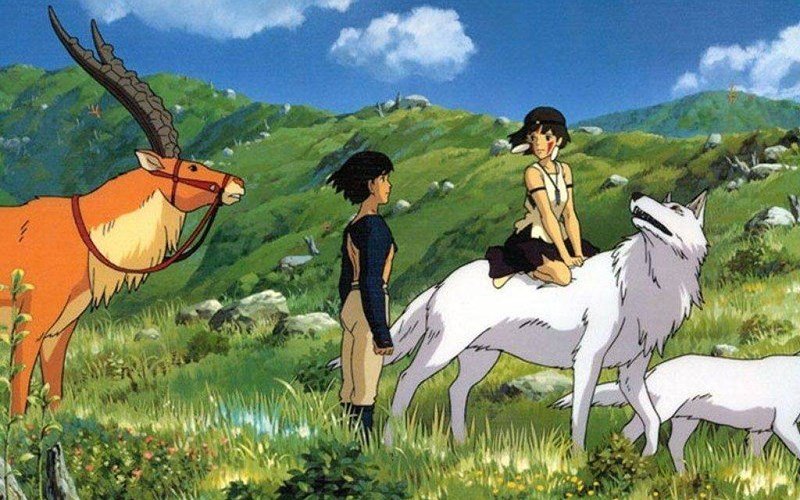
    Another influential Ghibli film, “Princess Mononoke”, delves into the conflict between industrialization and nature. The story depicts the struggle between forest spirits and human encroachment, emphasizing the consequences of environmental exploitation and the need for harmony between humanity and the natural world.

    c. “My Neighbor Totoro” (1988)

    “My Neighbor Totoro” offers a gentler take on environmental themes, focusing on the beauty and serenity of rural life. The film celebrates nature’s wonders and the importance of preserving natural spaces through the lens of a charming and magical narrative.


    2. The Portrayal of Nature in Japanese Anime

    Exploring the Themes of Environmentalism in Anime Films
    Exploring the Themes of Environmentalism in Anime Films

    Several anime films outside of Studio Ghibli also tackle environmental issues, showcasing diverse approaches to the theme.

    a. “The Cat Returns” (2002)

    Directed by Hiroyuki Morita, “The Cat Returns” includes subtle environmental themes through its portrayal of the natural world and the consequences of human actions. The film highlights the interconnectedness between humans and nature, even within a whimsical, fantasy setting.

    b. “A Letter to Momo” (2011)

    In “A Letter to Momo”, directed by Hiroyuki Okiura, environmental themes are interwoven with a story about family and personal growth. The film reflects on the impact of human activity on the environment and the importance of honoring and preserving traditional values and nature.

    c. “Children of the Sea” (2019)

    Based on the manga by Daisuke Igarashi, “Children of the Sea” explores marine life and environmental concerns. The film delves into the mysteries of the ocean and the effects of human activity on marine ecosystems, offering a visually stunning and thought-provoking experience.


    3. Environmentalism Through Animation Style and Imagery

    Anime’s visual artistry often enhances its environmental themes, using animation techniques to emphasize the beauty and vulnerability of nature.

    a. Rich, Detailed Landscapes

    Anime films frequently depict nature with lush, detailed backgrounds that highlight its beauty and fragility. The vibrant and immersive environments in films like “Spirited Away” and “The Red Turtle” (2016) serve as a backdrop for the environmental messages, making the audience acutely aware of what is at stake.

    b. Symbolism and Metaphor

    Environmental themes are often explored through symbolism and metaphor in anime. For example, the use of natural elements as symbols for larger ecological or philosophical concepts allows for a deeper engagement with the subject matter. Films like “Kiki’s Delivery Service” use nature as a symbol of personal growth and balance.


    4. Impact on Audiences and Culture

    The portrayal of environmental themes in anime films has contributed to a broader awareness and appreciation of ecological issues among audiences.

    a. Cultural Influence

    Anime’s environmental messages resonate within Japanese culture and beyond, inspiring viewers to consider their own relationship with nature and the impact of their actions. This influence extends to real-world environmental movements and initiatives.

    b. Educational Value

    Anime films that address environmental issues often serve an educational purpose, offering insights into ecological concepts and encouraging viewers to think critically about environmental stewardship.


    Conclusion

    Anime films have made significant contributions to the discourse on environmentalism through their storytelling, artistic techniques, and thematic exploration. By blending captivating narratives with ecological messages, anime has the power to inspire and educate audiences about the importance of preserving and respecting the natural world.

  • How Japanese Films Have Shaped Global Cinema

    How Japanese Films Have Shaped Global Cinema

    Japanese cinema has long been a vital force in the global film industry, known for its unique storytelling techniques, innovative visuals, and profound cultural narratives. Over the decades, Japanese films have not only captivated audiences around the world but also influenced filmmakers and cinematic trends globally. This article explores how Japanese films have shaped global cinema and their enduring impact on the art of filmmaking.

    Innovative Storytelling Techniques

    Japanese filmmakers have been pioneers in developing distinctive storytelling techniques that have inspired directors worldwide. Akira Kurosawa’s Rashomon (1950) introduced the concept of unreliable narrators and multiple perspectives, profoundly influencing narrative structures in global cinema. The film’s exploration of subjective truth has been adopted and adapted by filmmakers across various genres and cultures, demonstrating the far-reaching impact of Japanese storytelling innovations.

    Similarly, Yasujiro Ozu’s minimalist approach in Tokyo Story (1953) has redefined the way stories about family and interpersonal relationships are portrayed. Ozu’s use of static camera angles and a focus on quiet, emotional moments has influenced contemporary filmmakers, especially those interested in creating subtle, character-driven narratives.

    Visual and Aesthetic Innovations

    Japanese cinema is renowned for its striking visual style and inventive use of aesthetics. The vibrant and imaginative world of Studio Ghibli’s films, such as Spirited Away (2001) and My Neighbor Totoro (1988), has set new standards for animation worldwide. Hayao Miyazaki’s detailed animation techniques and fantastical storytelling have inspired a new generation of animators and filmmakers, highlighting the global influence of Japanese visual artistry.

    In the realm of live-action cinema, films like Akira (1988), directed by Katsuhiro Otomo, have had a significant impact on the cyberpunk genre. The film’s groundbreaking animation and dystopian vision have inspired numerous works in science fiction and animation, demonstrating Japan’s role in shaping global visual culture.

    Cultural Impact and Global Influence

    Japanese films often incorporate deep cultural and historical themes that resonate on a universal level. For instance, the works of Hirokazu Kore-eda, such as Shoplifters (2018), offer intimate portrayals of family dynamics and social issues, connecting with international audiences through their emotional depth and universal themes. The global success of these films underscores the ability of Japanese cinema to address complex human experiences in a way that transcends cultural boundaries.

    Furthermore, Japanese horror films, particularly those like Ringu (1998) and Ju-on: The Grudge (2002), have left an indelible mark on the horror genre. Their unique blend of psychological tension and supernatural elements has influenced Western horror filmmakers and led to successful remakes and adaptations, demonstrating the global reach and impact of Japanese horror cinema.

    How Japanese Films Have Shaped Global Cinema
    How Japanese Films Have Shaped Global Cinema

    Influence on Filmmaking Styles

    Japanese cinema has had a profound influence on filmmaking styles across the world. Directors such as Quentin Tarantino and Wes Anderson have openly cited Japanese films as significant sources of inspiration. Tarantino’s Kill Bill (2003) showcases clear influences from Japanese samurai films and kung fu cinema, while Anderson’s The Grand Budapest Hotel (2014) reflects the visual precision and storytelling techniques reminiscent of Japanese cinema.

    The influence of Japanese film extends to the experimental and independent film sectors as well. Directors like Sion Sono and Takashi Miike, known for their unconventional and often provocative films, have inspired filmmakers interested in exploring the boundaries of genre and narrative structure. Their work has contributed to a broader acceptance and exploration of diverse and experimental cinematic styles globally.

    Contributions to Genre Innovation

    Japanese cinema has been instrumental in the development and popularization of various film genres. The rise of anime films, characterized by their unique artistic styles and imaginative storytelling, has introduced global audiences to new forms of animation and narrative possibilities. Films like Akira and Your Name (2016) have expanded the reach of anime, influencing global trends in animation and storytelling.

    Additionally, Japanese film directors have made significant contributions to the development of the action genre. The intense, choreographed action sequences in films like Seven Samurai (1954) and the stylistic elements of samurai and yakuza films have influenced action filmmaking worldwide. The impact of Japanese action cinema is evident in both Hollywood blockbusters and independent films that draw inspiration from Japanese martial arts and cinematic techniques.

    Conclusion

    Japanese films have profoundly shaped global cinema through their innovative storytelling techniques, visual aesthetics, and cultural impact. From the pioneering works of Akira Kurosawa and Yasujiro Ozu to the groundbreaking animations of Studio Ghibli and the influential horror and action genres, Japanese cinema continues to inspire and influence filmmakers around the world. The enduring legacy of Japanese films underscores their vital role in the evolution of cinema and their ability to connect with audiences across cultures.

  • The Global Impact of Studio Ghibli on Animation

    The Global Impact of Studio Ghibli on Animation

    Studio Ghibli, the renowned Japanese animation studio founded by Hayao Miyazaki and Isao Takahata, has had a profound impact on the global animation landscape. Its innovative storytelling, distinctive artistic style, and commitment to high-quality animation have influenced both the anime industry and international cinema. Here’s a comprehensive look at how Studio Ghibli has shaped the world of animation.

    The Global Impact of Studio Ghibli on Animation

    Innovative Storytelling

    Unique Narratives

    • Complex Characters: Studio Ghibli films often feature multi-dimensional characters with complex motivations and emotional depth. Characters like Spirited Away’s Chihiro and My Neighbor Totoro’s Satsuki are portrayed with rich backstories and personal growth, setting a high standard for character development in animation.
    • Themes of Environmentalism and Feminism: Films such as Princess Mononoke and Kiki’s Delivery Service explore themes of environmentalism and feminism, offering nuanced portrayals of these topics that resonate with audiences worldwide. Ghibli’s emphasis on strong, independent female protagonists has been particularly influential in broadening the scope of animated storytelling.

    Original Storytelling Techniques

    • Emotional and Philosophical Depth: Studio Ghibli’s films often delve into deep emotional and philosophical themes. For example, The Tale of the Princess Kaguya uses a watercolor-like style to enhance its contemplative narrative, while The Wind Rises blends historical drama with personal introspection.
    • Non-linear Narratives: Ghibli’s willingness to experiment with non-linear storytelling and dreamlike sequences challenges conventional narrative structures, offering audiences a more immersive and contemplative viewing experience.

    Distinctive Artistic Style

    Visual Aesthetics

    • Hand-Drawn Animation: Studio Ghibli is renowned for its meticulous hand-drawn animation. Films like My Neighbor Totoro and Howl’s Moving Castle showcase beautifully detailed backgrounds and fluid animation, reflecting the studio’s commitment to traditional techniques.
    • Innovative Visual Techniques: The studio has also embraced innovative visual techniques, such as the incorporation of CGI in The Tale of the Princess Kaguya to complement its hand-drawn elements, demonstrating a seamless blend of traditional and modern methods.

    Artistic Influence

    • Influence on Global Animation: Studio Ghibli’s distinctive art style has inspired animators around the world, influencing both mainstream and independent animation studios. The studio’s emphasis on detailed, hand-drawn visuals has been particularly impactful in encouraging a resurgence of traditional animation techniques in a digital age.
    • Cultural Impact: Ghibli’s unique aesthetic has become a hallmark of Japanese animation, contributing to the global recognition and appreciation of anime as an art form.

    Cultural and Social Impact

    Representation of Japanese Culture

    • Cultural Ambassadors: Studio Ghibli’s films often incorporate elements of Japanese culture, folklore, and mythology, offering international audiences a glimpse into Japan’s rich heritage. Films like Spirited Away and Ponyo highlight traditional Japanese themes and settings, fostering cross-cultural understanding.
    • Social Commentary: The studio’s films frequently address social and environmental issues, providing thought-provoking commentary on topics such as environmental conservation and the importance of community.

    Global Reach and Influence

    • International Success: Studio Ghibli’s films have achieved significant international success, with titles like Spirited Away and Howl’s Moving Castle receiving widespread acclaim and awards. The global appeal of Ghibli’s work has helped to elevate the status of Japanese animation on the world stage.
    • Impact on International Filmmakers: Many international filmmakers and animators have cited Studio Ghibli as a major influence on their work. The studio’s emphasis on storytelling, character development, and artistic quality has inspired a new generation of animators and storytellers across the globe.

    Legacy and Future Directions

    Continued Influence

    • Preservation of Traditional Techniques: Studio Ghibli’s commitment to hand-drawn animation has contributed to the preservation and appreciation of traditional animation techniques. The studio’s approach serves as a reminder of the artistry and craftsmanship involved in animation.
    • Ongoing Projects and Collaborations: Despite the retirement of key figures like Hayao Miyazaki, Studio Ghibli continues to work on new projects and collaborations, ensuring that its legacy of innovation and creativity endures.

    Educational and Cultural Contributions

    • Educational Resources: Studio Ghibli has also contributed to the field of animation education through workshops, exhibitions, and publications. The studio’s educational initiatives help to inspire and educate aspiring animators and filmmakers.
    • Cultural Institutions: The Ghibli Museum in Mitaka, Tokyo, serves as a cultural institution dedicated to the studio’s work, providing visitors with an immersive experience and insight into the creative process behind Ghibli’s films.

    Conclusion

    Studio Ghibli’s impact on animation extends far beyond its artistic achievements. Through its innovative storytelling, distinctive artistic style, and cultural contributions, the studio has redefined the possibilities of animated cinema. Its influence continues to shape the animation industry and inspire audiences and creators around the world, ensuring that Studio Ghibli’s legacy will endure for generations to come.

  • A Deep Dive into Japan’s Most Influential Films

    A Deep Dive into Japan’s Most Influential Films

    Japan’s film industry has produced a remarkable array of influential films that have shaped global cinema and left an indelible mark on audiences worldwide. From groundbreaking animations to poignant dramas, Japanese films have consistently pushed the boundaries of storytelling and visual artistry. This exploration delves into some of Japan’s most influential films, examining their impact on both Japanese cinema and the broader film landscape.

    Rashomon (1950)

    Directed by Akira Kurosawa, Rashomon is a seminal work in world cinema, renowned for its innovative narrative structure and profound exploration of truth and subjectivity. The film presents a crime from multiple perspectives, challenging the notion of objective truth. Its groundbreaking approach to storytelling has influenced numerous filmmakers and remains a touchstone for discussions on narrative reliability and perspective. Rashomon received the Golden Lion at the Venice Film Festival and introduced international audiences to Kurosawa’s masterful direction.

    Seven Samurai (1954)

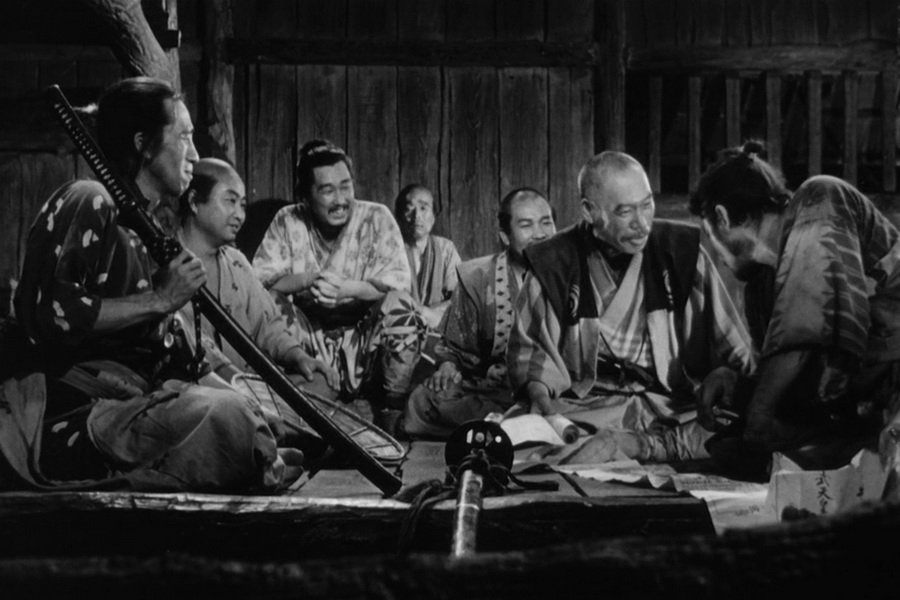
    Another classic by Akira Kurosawa, Seven Samurai is celebrated for its epic scale and profound impact on the action genre. The film tells the story of a group of samurai hired to protect a village from bandits, blending intense action sequences with deep character development. Its influence extends beyond Japan, inspiring numerous Western films, including The Magnificent Seven (1960). The film’s innovative use of cinematography and its complex portrayal of heroism have solidified its place as a cornerstone of Japanese and global cinema.

    Spirited Away (2001)

    Directed by Hayao Miyazaki and produced by Studio Ghibli, Spirited Away is one of the most acclaimed animated films in history. The film tells the story of a young girl who becomes trapped in a mysterious, magical world and must find a way to save her parents. Spirited Away captivated audiences with its stunning animation, imaginative world-building, and universal themes of growth and identity. It won the Academy Award for Best Animated Feature and remains a beloved classic, influencing the animation industry worldwide.

    Tokyo Story (1953)

    Directed by Yasujirō Ozu, Tokyo Story is a poignant drama that explores family dynamics and the generational gap in post-war Japan. The film follows an elderly couple who travel to Tokyo to visit their children, only to find themselves neglected and misunderstood. Tokyo Story is renowned for its understated yet profound storytelling, and its portrayal of familial relationships has resonated with audiences globally. The film’s influence extends to contemporary cinema, with many directors citing it as an inspiration for its emotional depth and narrative simplicity.

    Ikiru (1952)

    Another influential film by Akira Kurosawa, Ikiru explores themes of mortality and meaning through the story of a bureaucrat who learns he has terminal cancer and strives to leave a meaningful legacy. The film’s exploration of the human condition and its powerful performance by actor Takashi Shimura have made it a significant work in Japanese cinema. Ikiru has inspired numerous films and discussions about the search for purpose and the impact of individual actions.

    Battle Royale (2000)

    Directed by Kinji Fukasaku, Battle Royale is a provocative and influential film that delves into themes of violence and societal decay. The film is set in a dystopian future where a group of high school students is forced to fight to the death as part of a government-sanctioned game. Its intense narrative and social commentary have garnered a cult following and influenced various films and media, including The Hunger Games series. Battle Royale is notable for its unflinching portrayal of violence and its critique of societal norms.

    Akira (1988)

    Akira, directed by Katsuhiro Otomo, is a landmark in Japanese animation and a major influence on the cyberpunk genre. Set in a dystopian future, the film follows a young biker gang member who gains telekinetic powers, leading to chaos and conflict. The film’s groundbreaking animation techniques and its complex narrative about power and corruption have made it a classic. Akira has influenced countless films, TV shows, and other media, and is widely regarded as a pivotal work in the history of animation.

    The Taste of Tea (2004)

    Directed by Katsuhito Ishii, The Taste of Tea is a whimsical and inventive film that portrays the everyday lives of a quirky family. The film’s blend of surreal humor and gentle storytelling creates a unique cinematic experience, reflecting the playful and imaginative spirit of Japanese cinema. The Taste of Tea stands out for its originality and its ability to capture the charm and eccentricity of ordinary life in Japan.

    Woman in the Dunes (1964)

    Directed by Hiroshi Teshigahara, Woman in the Dunes is a visually striking film that explores themes of isolation and existential despair. The story follows a man who becomes trapped in a sand dune with a woman and must grapple with his new reality. The film’s innovative use of cinematography and its philosophical depth have made it a critical success, earning it an Academy Award nomination for Best Foreign Language Film.

    Kiki’s Delivery Service (1989)

    Another gem from Hayao Miyazaki and Studio Ghibli, Kiki’s Delivery Service tells the story of a young witch who starts a delivery service in a bustling city. The film is celebrated for its charming animation, heartwarming story, and themes of independence and self-discovery. Kiki’s Delivery Service has been influential in both animation and family films, demonstrating Miyazaki’s talent for creating engaging and inspiring stories for all ages.

     Influential Films
    Influential Films

    Conclusion

    Japanese cinema has produced an array of influential films that have left an indelible mark on the global film industry. From Kurosawa’s epic tales of heroism to Miyazaki’s enchanting animations, these films have not only captivated audiences but have also shaped the way stories are told on screen. By exploring these influential works, one gains a deeper appreciation for the artistry and cultural impact of Japanese cinema.

  • Why Anime Films Have a Unique Place in Japanese Cinema

    Why Anime Films Have a Unique Place in Japanese Cinema

    Anime films occupy a distinct and influential role within Japanese cinema, setting themselves apart through unique artistic styles, storytelling techniques, and cultural impact. Their distinctive qualities contribute to their significant place in both domestic and global film industries. Here’s an exploration of why anime films hold a special position in Japanese cinema.

    Why Anime Films Have a Unique Place in Japanese Cinema

    Distinctive Artistic Style

    Visual Aesthetics

    • Iconic Art Styles: Anime films are known for their vibrant colors, detailed backgrounds, and expressive character designs. This visual distinctiveness often incorporates exaggerated facial expressions and intricate environments, creating a unique aesthetic that sets anime apart from live-action films.
    • Influence of Manga: Many anime films are adapted from manga (Japanese comic books), maintaining the original art style and allowing for a visual continuity that fans of the manga appreciate. This connection between manga and anime creates a seamless transition between the two mediums.

    Creative Freedom

    • Artistic Innovation: Anime creators often experiment with unconventional visual techniques, such as fluid animation sequences and surreal imagery, that may not be possible in traditional live-action films. This creativity allows for storytelling that transcends the limits of physical reality.

    Diverse Storytelling

    Genre Variety

    • Wide Range of Genres: Anime films cover a broad spectrum of genres, from fantasy and science fiction to romance and horror. This diversity allows anime to cater to various audiences and explore complex themes in ways that live-action films may not.
    • Innovative Narratives: Anime often delves into abstract or speculative storytelling, offering unique narrative experiences. Films like Paprika and Akira explore psychological and philosophical themes, pushing the boundaries of conventional storytelling.

    Cultural Themes

    • Japanese Culture and Folklore: Anime films frequently incorporate elements of Japanese culture, mythology, and folklore. This inclusion provides insight into Japanese traditions and beliefs, making anime a valuable cultural artifact.
    • Universal Themes: Despite their cultural specificity, many anime films address universal themes such as love, loss, and personal growth, allowing them to resonate with global audiences.

    Technological Advancements

    Animation Techniques

    • Innovative Techniques: Anime has a history of embracing and pioneering new animation techniques. From early hand-drawn animations to the integration of CGI, anime continues to evolve technologically, offering increasingly sophisticated visual experiences.
    • Hybrid Approaches: Modern anime often combines traditional 2D animation with 3D elements, creating visually dynamic films that enhance storytelling through advanced technology.

    Cultural Impact

    • Influence on Global Media: Anime films have significantly influenced global popular culture, inspiring international filmmakers and animators. The unique visual style and storytelling methods of anime have left a lasting mark on the global film industry.
    • Cultural Exchange: The global popularity of anime has facilitated cultural exchange, introducing international audiences to Japanese culture while also influencing global media trends.

    Emotional Depth and Character Development

    Complex Characters

    • Rich Characterization: Anime films often feature well-developed characters with complex motivations and emotional depth. This focus on character development allows for nuanced storytelling and relatable characters.
    • Emotional Resonance: Anime excels at portraying emotional experiences, often using visual and narrative techniques to convey feelings in a way that deeply resonates with audiences.

    Thematic Exploration

    • Exploration of Deep Themes: Many anime films tackle profound and introspective themes, such as existentialism, identity, and societal issues. This thematic depth adds layers of meaning to the stories and encourages thoughtful reflection.

    Cultural and Social Reflection

    Japanese Society

    • Reflection of Society: Anime films often reflect aspects of Japanese society, including social issues, historical events, and cultural norms. This reflection provides insight into contemporary Japanese life and societal attitudes.
    • Cultural Representation: By depicting various aspects of Japanese culture and tradition, anime films serve as a cultural ambassador, offering international viewers a glimpse into Japan’s rich heritage.

    Global Impact

    • International Appeal: Anime films have gained a substantial global following, contributing to their unique status in cinema. Their ability to connect with diverse audiences worldwide demonstrates their universal appeal and cultural significance.
    • Influence on Pop Culture: The influence of anime extends beyond film into other areas of pop culture, including fashion, music, and gaming. This cross-cultural impact highlights the broad reach and significance of anime in contemporary media.

    Conclusion

    Anime films hold a unique and prominent place in Japanese cinema due to their distinctive artistic style, diverse storytelling, technological innovation, emotional depth, and cultural reflection. Their ability to push creative boundaries and resonate with audiences both in Japan and globally underscores their significant role in the film industry. As anime continues to evolve and captivate audiences, it remains a vital and influential component of global cinema.

  • How Studio Ghibli Revolutionized Anime Cinema

    How Studio Ghibli Revolutionized Anime Cinema

    Since its founding in 1985 by Hayao Miyazaki and Isao Takahata, Studio Ghibli has been at the forefront of anime cinema, revolutionizing the industry with its innovative approaches to animation, storytelling, and thematic depth. This article explores how Studio Ghibli has reshaped anime cinema and left an indelible mark on the global film landscape.


    1. Innovative Animation Techniques

    Studio Ghibli has been renowned for its dedication to high-quality animation, employing techniques that have set new standards in the industry.

    a. Hand-Drawn Animation Mastery

    Studio Ghibli’s commitment to hand-drawn animation is a hallmark of its films. Unlike many contemporary studios that rely heavily on computer-generated imagery (CGI), Ghibli’s meticulous hand-drawn approach, seen in films like “My Neighbor Totoro” (1988) and “Spirited Away” (2001), ensures a rich, organic visual experience that captures the nuance and emotion of the stories.

    b. Detailed Backgrounds and Artistry

    The studio is celebrated for its stunningly detailed background art, which creates immersive worlds that enhance the storytelling. The lush landscapes of “Princess Mononoke” (1997) and the vibrant cityscapes in “Howl’s Moving Castle” (2004) exemplify Ghibli’s dedication to creating visually captivating environments.


    2. Groundbreaking Storytelling and Themes

    Studio Ghibli films are renowned for their unique storytelling and exploration of themes that challenge conventional narratives in anime.

    a. Complex Characters and Emotional Depth

    How Studio Ghibli Revolutionized Anime Cinema
    How Studio Ghibli Revolutionized Anime Cinema

    Ghibli films often feature complex characters with rich emotional lives. Films like “Kiki’s Delivery Service” (1989) and “The Wind Rises” (2013) present protagonists with personal struggles and growth, offering a more nuanced portrayal of human experience.

    b. Environmentalism and Feminism

    The studio’s films frequently address environmental and feminist themes. “Princess Mononoke” highlights the conflict between industrialization and nature, while “Nausicaä of the Valley of the Wind” (1984) showcases a strong female protagonist advocating for environmental stewardship.

    c. Cultural and Mythological Richness

    Ghibli’s films are imbued with cultural and mythological elements, drawing on Japanese folklore and traditions. “Spirited Away” incorporates Shinto beliefs and practices, creating a fantastical world that resonates with cultural depth.


    3. Cultural Impact and Global Influence

    Studio Ghibli’s influence extends far beyond Japan, shaping the global perception of anime and animation as a whole.

    a. International Acclaim and Success

    Films like “Spirited Away” achieved international success, with “Spirited Away” winning the Academy Award for Best Animated Feature in 2003. This global recognition brought widespread attention to anime and established Studio Ghibli as a major player in world cinema.

    b. Inspiring Filmmakers Worldwide

    Ghibli’s innovative techniques and storytelling have inspired filmmakers across various genres. Directors like Guillermo del Toro and Pete Docter have cited Studio Ghibli as a significant influence on their work, showcasing the studio’s impact on the broader film industry.


    4. Studio Ghibli’s Legacy and Continuing Influence

    As Studio Ghibli continues to produce films and expand its reach, its legacy of innovation and artistry endures.

    a. New Generations of Animators

    Ghibli’s emphasis on hand-drawn animation and artistic integrity has inspired a new generation of animators to pursue traditional techniques and storytelling methods, ensuring that these practices remain relevant in an increasingly digital world.

    b. Expansion and Preservation

    The studio’s establishment of the Ghibli Museum in Mitaka, Tokyo, and its ongoing efforts to preserve and celebrate its work contribute to the preservation of its artistic legacy. The museum provides a space for fans and future creators to engage with the studio’s rich history and creativity.


    Conclusion

    Studio Ghibli’s revolutionary approach to animation, storytelling, and thematic exploration has left an indelible mark on anime cinema. Through its innovative techniques, complex narratives, and cultural impact, the studio has transformed the genre and continues to influence filmmakers and audiences worldwide.

  • Traditional Japanese Music: Instruments and Sounds of History

    Traditional Japanese Music: Instruments and Sounds of History

    Traditional Japanese music is a rich tapestry of sounds and rhythms that reflect the country’s cultural heritage and history. This music, deeply intertwined with Japan’s historical and spiritual traditions, employs a variety of unique instruments that each contribute to its distinctive sound. Exploring these instruments offers insight into the historical and cultural significance of Japanese music.

    The Koto: A Symbol of Elegance

    The koto is one of Japan’s most iconic traditional instruments, recognized for its elegant, harp-like appearance. This stringed instrument has 13 strings stretched over a long, wooden body and is played by plucking the strings with picks attached to the fingers. The koto’s serene and melodic tones are central to many classical Japanese music performances and ceremonies. Historically, it was introduced from China and has evolved into a symbol of refined taste and sophistication in Japanese culture.

    The Shamisen: The Soul of Japanese Folklore

    The shamisen is a three-stringed instrument with a distinctive, percussive sound, often associated with Japanese folk music and theater. Its body is traditionally made from a wooden frame covered with skin, giving it a unique timbre. The shamisen is played with a large plectrum, and its music accompanies various traditional performances such as bunraku (puppet theater) and kabuki (classical drama). The instrument’s versatility allows it to convey a range of emotions, making it integral to Japan’s cultural and theatrical arts.

    The Biwa: The Echoes of Ancient Legends

    The biwa is a short-necked lute used in traditional Japanese storytelling and music. It has four strings and a pear-shaped body, producing a deep, resonant sound. The biwa is often associated with the biwa hōshi, itinerant blind performers who used it to narrate epic tales such as the Heike Monogatari (The Tale of the Heike). This instrument plays a crucial role in preserving Japan’s literary and musical heritage, connecting modern audiences with the country’s legendary past.

    The Shakuhachi: The Breath of Zen

    The shakuhachi is a bamboo flute known for its haunting, meditative sound. This instrument, traditionally used by Zen Buddhist monks, is characterized by its ability to produce a wide range of expressive tones through breath control. The shakuhachi’s music often evokes themes of nature and spirituality, aligning with Zen practices of mindfulness and contemplation. Its simplicity and depth make it a powerful tool for both musical and spiritual expression.

    The Taiko: Rhythms of Tradition

    Taiko drums are a staple of Japanese traditional music, known for their dynamic and powerful rhythms. These drums come in various sizes and shapes, ranging from the small shoko to the large odaiko. Taiko drumming is often featured in festivals and ceremonies, and its energetic performances are accompanied by choreographed movements. The taiko’s role in Japanese culture extends beyond music, serving as a means of community expression and celebration.

    The Hichiriki: The Sound of Imperial Court Music

    The hichiriki is a double-reed instrument used primarily in gagaku, the ancient court music of Japan. It has a distinctive, piercing sound and is essential in creating the complex textures of gagaku ensembles. The hichiriki’s role in Japanese court music underscores its historical significance in ceremonial and ritualistic contexts. Its unique timbre contributes to the ancient, otherworldly quality of gagaku, reflecting the grandeur and formality of imperial Japan.

    The Shō: The Harmonious Celestial Voice

    The shō is a mouth organ with a set of vertical bamboo pipes, each producing a single pitch. This instrument is crucial in gagaku, providing a rich, harmonic backdrop to the ensemble’s performance. The shō’s ethereal, harmonic sound is reminiscent of celestial music, adding a layer of complexity and depth to the traditional compositions. Its presence in Japanese music underscores the blend of spiritual and artistic elements inherent in gagaku.

    The Nohkan: The Voice of Noh Theater

    The nohkan is a transverse bamboo flute used in noh theater, a traditional Japanese performing art that combines drama, music, and dance. The instrument’s sound is integral to noh performances, providing a musical foundation that supports the actors’ performances. The nohkan’s ability to produce a range of subtle tones and its role in enhancing the dramatic atmosphere of noh theater highlight its importance in Japan’s cultural and artistic heritage.

    The Kokyū: The Bowed String Tradition

    The kokyū is a bowed string instrument similar to a violin, but with a distinctively Japanese design. It has a unique timbre and is used in both traditional and contemporary Japanese music. The kokyū’s role in Japanese music often involves accompanying vocal performances and storytelling. Its versatility and rich sound make it a valuable component of Japan’s musical traditions.

    Traditional Japanese Music
    Traditional Japanese Music

    Conclusion

    Traditional Japanese music is a reflection of the country’s rich cultural heritage, with each instrument contributing its unique sound to the tapestry of Japanese musical history. From the elegant koto to the rhythmic taiko drums, these instruments offer a window into Japan’s past and present, showcasing the depth and diversity of its musical traditions. Understanding these instruments not only enhances appreciation for Japanese music but also connects listeners with the historical and cultural narratives that have shaped this vibrant art form.