Author: Kyo

  • Anime Films for Beginners: A Guide to Must-Watch Classics

    Anime Films for Beginners: A Guide to Must-Watch Classics

    Anime is a diverse and vibrant medium that has captivated audiences worldwide with its unique storytelling, art styles, and emotional depth. For those new to anime, starting with a selection of classic and must-watch films can provide a comprehensive introduction to the genre. This guide highlights some of the most influential and beloved anime films that are perfect for beginners.


    1. “Spirited Away” (2001)

    Directed by: Hayao Miyazaki

    Studio: Studio Ghibli

    Plot Summary:
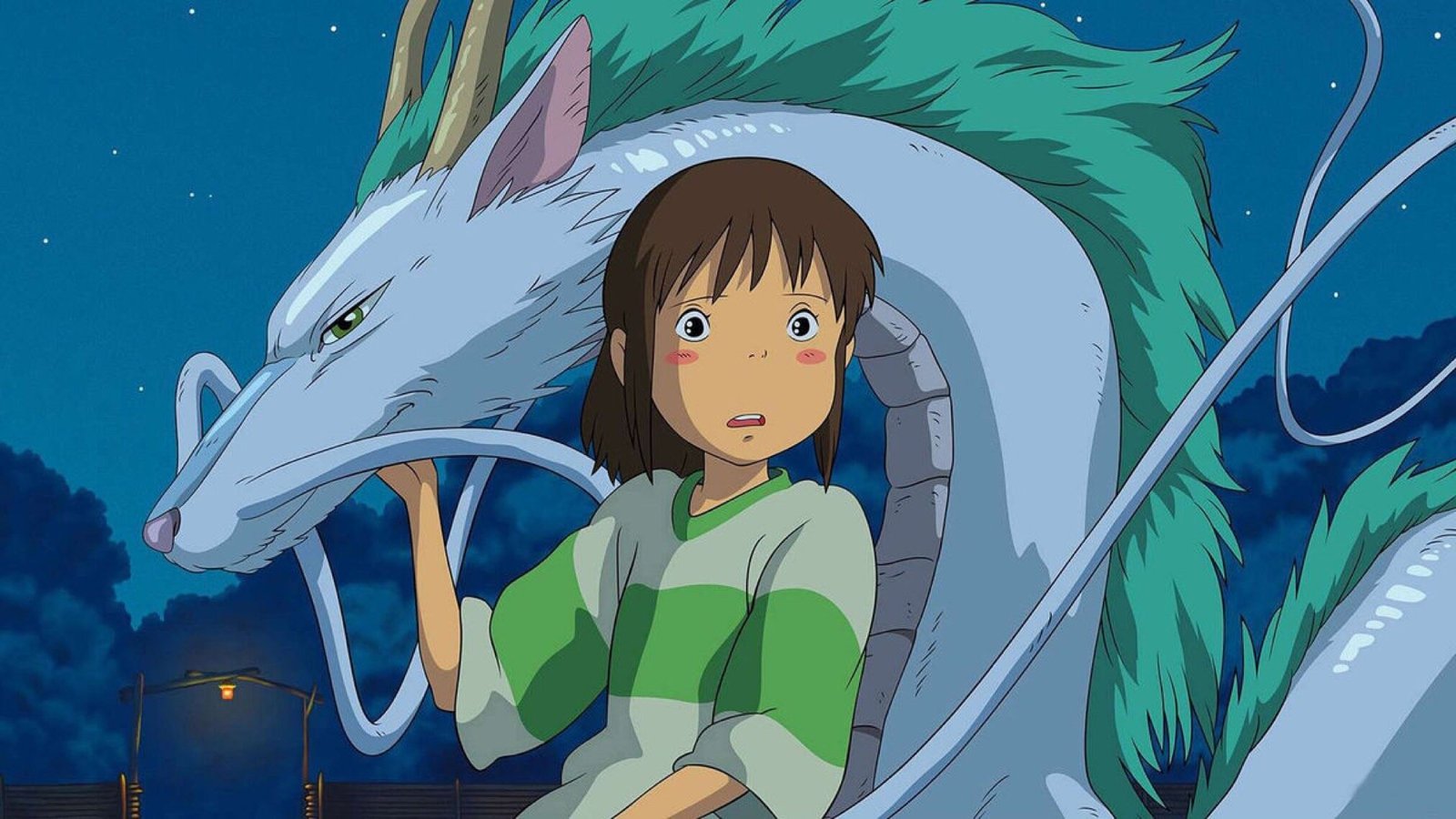
    “Spirited Away” follows a young girl named Chihiro who stumbles into a magical world filled with spirits, gods, and mysterious creatures. As she searches for a way to save her parents and return home, she embarks on a journey of self-discovery and courage.

    Why Watch:
    This critically acclaimed film is a perfect introduction to anime due to its beautiful animation, imaginative world-building, and universal themes of identity and resilience. It won the Academy Award for Best Animated Feature and remains one of Studio Ghibli’s most iconic works.


    2. “My Neighbor Totoro” (1988)

    Directed by: Hayao Miyazaki

    Studio: Studio Ghibli

    Plot Summary:
    The story centers on two young sisters who move to the countryside and encounter the gentle forest spirit Totoro. As they adjust to their new life, they form a special bond with Totoro and the magical world around them.

    Why Watch:
    “My Neighbor Totoro” is renowned for its heartwarming story, charming characters, and beautiful depiction of rural Japan. It’s an excellent introduction to the whimsical and enchanting world of Studio Ghibli.
    Anime Films for Beginners: A Guide to Must-Watch Classics
    Anime Films for Beginners: A Guide to Must-Watch Classics

    3. “Akira” (1988)

    Directed by: Katsuhiro Otomo

    Studio: TMS Entertainment

    Plot Summary:
    Set in a post-apocalyptic Tokyo, “Akira” follows Kaneda and his friend Tetsuo as they become entangled in a government conspiracy involving a mysterious psychic power. The film explores themes of power, corruption, and transformation.

    Why Watch:
    “Akira” is a landmark in anime history, known for its groundbreaking animation and complex narrative. It introduced many Western audiences to anime and is essential for understanding the genre’s evolution.


    4. “Your Name” (2016)

    Directed by: Makoto Shinkai

    Studio: CoMix Wave Films

    Plot Summary:
    “Your Name” tells the story of Taki and Mitsuha, two teenagers who mysteriously begin to swap bodies and experience each other’s lives. As they search for answers, they uncover a profound connection that transcends time and space.

    Why Watch:
    This film has been celebrated for its stunning visuals, emotional depth, and compelling story. It’s a modern classic that offers a glimpse into contemporary anime’s ability to blend romance, fantasy, and drama.


    5. “Princess Mononoke” (1997)

    Directed by: Hayao Miyazaki

    Studio: Studio Ghibli

    Plot Summary:
    “Princess Mononoke” follows Ashitaka, a young warrior who becomes involved in a conflict between industrial forces and nature spirits. He meets San, a girl raised by wolves, who fights to protect the forest and its inhabitants.

    Why Watch:
    The film is known for its epic scope, mature themes, and environmental message. It’s a visually stunning and thought-provoking film that showcases Miyazaki’s skill in blending fantasy with real-world issues.


    6. “The Tale of the Princess Kaguya” (2013)

    Directed by: Isao Takahata

    Studio: Studio Ghibli

    Plot Summary:
    Based on a Japanese folktale, this film tells the story of a mysterious girl discovered in a bamboo stalk who grows into a beautiful woman, only to face a series of challenges that lead to her return to the moon.

    Why Watch:
    The film’s unique animation style, inspired by traditional Japanese art, and its emotional narrative make it a standout in the anime genre. It’s a beautiful example of how anime can tell timeless stories in innovative ways.


    7. “Cowboy Bebop: The Movie” (2001)

    Directed by: Shinichirō Watanabe

    Studio: Sunrise

    Plot Summary:
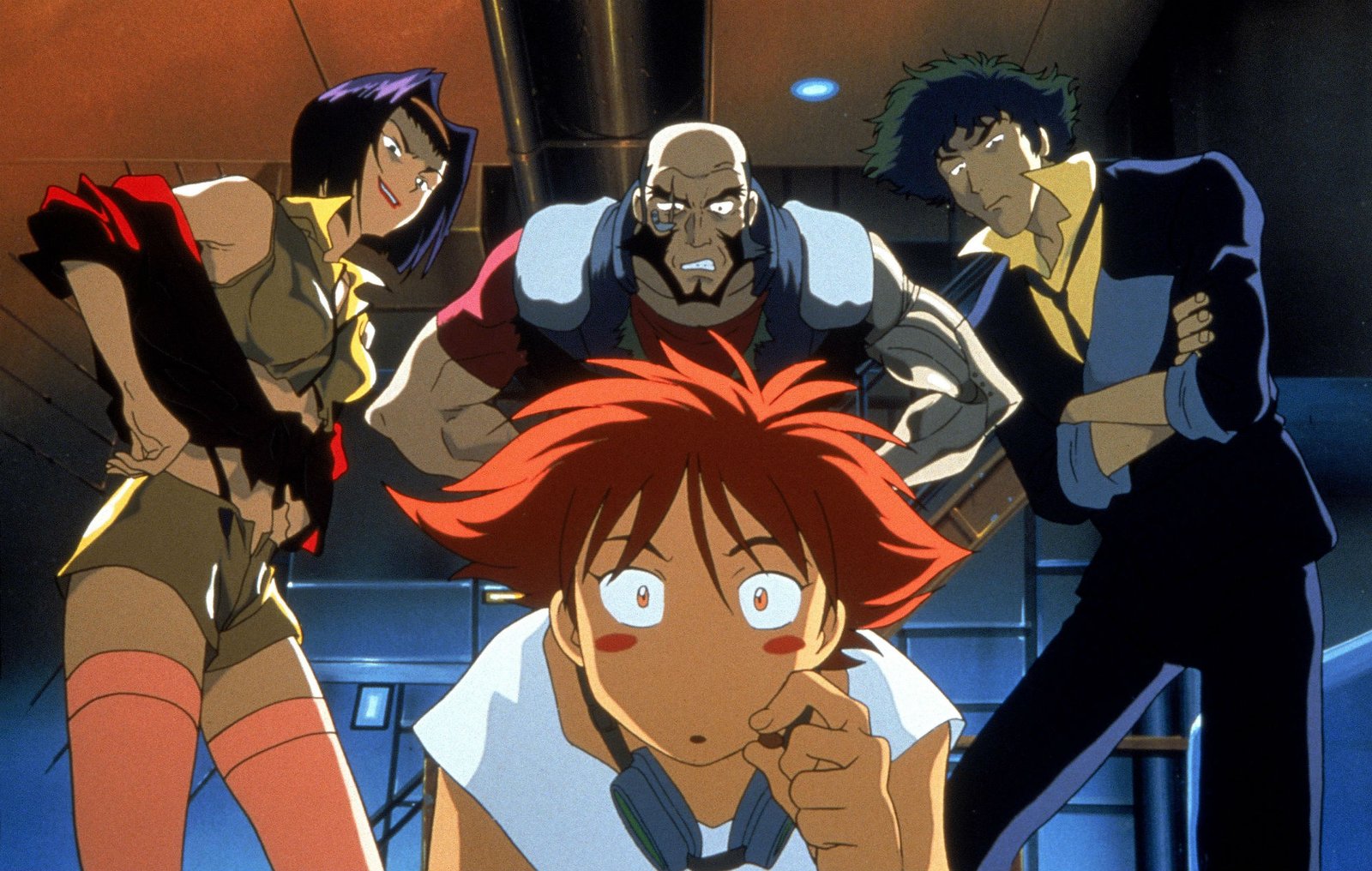
    Set in the same universe as the acclaimed TV series, this film follows the bounty-hunting crew of the spaceship Bebop as they investigate a terrorist attack that threatens the planet Mars.

    Why Watch:
    “Cowboy Bebop: The Movie” combines stylish animation with a gripping story and an outstanding jazz soundtrack. It’s a great introduction to anime’s potential for blending genres and creating cinematic experiences.


    8. “Howl’s Moving Castle” (2004)

    Directed by: Hayao Miyazaki

    Studio: Studio Ghibli

    Plot Summary:
    The film tells the story of Sophie, a young woman transformed into an old lady by a witch’s curse. She finds refuge in the magical moving castle of the enigmatic wizard Howl and becomes involved in a fantastical conflict.

    Why Watch:
    “Howl’s Moving Castle” is celebrated for its imaginative setting, strong female protagonist, and themes of self-discovery and love. It’s another testament to Miyazaki’s ability to craft enchanting and meaningful stories.


    9. “Paprika” (2006)

    Directed by: Satoshi Kon

    Studio: Madhouse

    Plot Summary:
    “Paprika” follows a psychologist who uses a device that allows her to enter and explore the dreams of others. When the device is stolen, she must navigate the dream world to prevent a catastrophe.

    Why Watch:
    Known for its surreal visuals and complex narrative, “Paprika” is a must-watch for those interested in anime’s exploration of dreamscapes and psychological themes. It’s an influential film that inspired works like “Inception.”


    10. “The Girl Who Leapt Through Time” (2006)

    Directed by: Mamoru Hosoda

    Studio: Madhouse

    Plot Summary:
    The story follows a high school girl who gains the ability to time travel and uses it to improve her life. However, she soon discovers the unintended consequences of altering time.

    Why Watch:
    This film combines charming animation with a heartfelt story about the impact of decisions and the passage of time. It’s a great example of anime’s ability to tackle personal and relatable themes with a touch of science fiction.


    Conclusion

    For those new to anime, these classic films offer a diverse and engaging introduction to the genre. From the whimsical worlds of Studio Ghibli to the groundbreaking narratives of modern anime, these films provide a window into the rich and varied landscape of anime cinema.

  • How Japanese Films Depict Society and Culture

    How Japanese Films Depict Society and Culture

    Japanese films offer a rich portrayal of society and culture, capturing the essence of Japan’s diverse and evolving landscape. Through various genres and storytelling techniques, these films provide insights into the values, traditions, and social issues that shape Japanese life. This article explores how Japanese cinema depicts society and culture, highlighting key themes and influential works.

    Traditional Values and Cultural Heritage

    Japanese films often reflect the country’s deep-seated traditions and cultural heritage. Many films celebrate historical events, customs, and practices that have shaped Japanese identity. For instance, The Tale of the Princess Kaguya (2013) by Studio Ghibli draws on traditional Japanese folklore. The film’s art style and narrative are inspired by classical Japanese literature, offering a visual and thematic representation of historical tales.

    Similarly, Yasujiro Ozu’s Tokyo Story (1953) delves into traditional family values and societal expectations. The film portrays the generational gap and the changing dynamics within Japanese families. Ozu’s subtle approach highlights the enduring importance of family and respect for elders, even as modernity begins to alter these traditions.

    Modern Social Issues

    Japanese cinema also addresses contemporary social issues, reflecting the challenges faced by modern Japanese society. Films like Battle Royale (2000), directed by Kinji Fukasaku, present a dystopian view of societal pressures and the impact of a competitive culture. The film’s portrayal of violence and youth rebellion highlights concerns about the erosion of traditional values and the consequences of a high-pressure environment.

    Another example is Hirokazu Kore-eda’s Shoplifters (2018), which explores issues of poverty and social inequality. The film follows a family living on the fringes of society and sheds light on the harsh realities of modern life. Kore-eda’s work reveals the struggles of individuals who are often overlooked in mainstream narratives, offering a poignant commentary on social issues.

    Urbanization and Changing Lifestyles

    Urbanization and changing lifestyles are recurring themes in Japanese cinema. The rapid growth of cities and the shift from rural to urban living are frequently depicted in films. Your Name (2016), directed by Makoto Shinkai, contrasts rural and urban environments, reflecting the impact of modernization on Japanese society. The film’s story, which involves body-swapping between a rural girl and an urban boy, explores the interplay between traditional values and contemporary life.

    Additionally, films like Lost in Translation (2003) by Sofia Coppola, though not Japanese, feature Japanese settings and provide a lens through which Western audiences can view modern Japanese urban life. The film captures the experience of being an outsider in a bustling metropolis, highlighting the cultural and societal differences between Japan and other parts of the world.

    How Japanese Films Depict Society and Culture
    How Japanese Films Depict Society and Culture

    Cultural Identity and Global Influence

    Japanese films often explore themes of cultural identity and the influence of globalization. The tension between maintaining cultural heritage and embracing global trends is a recurring theme. Spirited Away (2001), directed by Hayao Miyazaki, combines traditional Japanese mythology with modern storytelling techniques. The film’s success worldwide underscores the universal appeal of Japanese cultural elements and their ability to resonate with diverse audiences.

    Similarly, anime films like Akira (1988) by Katsuhiro Otomo have had a significant impact on global cinema. The film’s portrayal of a dystopian future and its exploration of power and identity reflect broader concerns about the direction of modern society. Akira’s influence extends beyond Japan, shaping the global perception of Japanese culture and its cinematic contributions.

    Conclusion

    Japanese films offer a nuanced depiction of society and culture, blending traditional values with modern issues. Through their exploration of historical themes, contemporary social challenges, and the impact of urbanization, Japanese cinema provides valuable insights into the evolving cultural landscape of Japan. These films not only reflect the complexities of Japanese life but also contribute to a broader understanding of cultural identity on a global scale.

  • The Role of Music in Anime Films

    Music is an integral part of storytelling in anime films, influencing the emotional depth and atmosphere of the viewing experience. From stirring orchestral scores to catchy J-pop tracks, the role of music in anime goes beyond mere accompaniment. This article explores how music enhances anime films, highlighting its impact on emotions, narrative, and audience engagement.


    1. Setting the Mood and Atmosphere

    Music in anime films is often used to establish the mood and atmosphere of a scene, creating an immersive experience for viewers.

    a. Atmospheric Music

    Certain anime films employ ambient or instrumental music to create a specific atmosphere. For example, Joe Hisaishi’s compositions for Studio Ghibli films like “My Neighbor Totoro” and “Spirited Away” use gentle melodies to evoke a sense of wonder and nostalgia.

    b. Emotional Resonance

    Music helps to underscore emotional moments in anime, amplifying the impact of pivotal scenes. The haunting score of “Your Name” by Radwimps enhances the film’s themes of longing and connection, making emotional scenes even more powerful.


    2. Enhancing Storytelling and Narrative

    The integration of music into anime storytelling can drive the narrative forward and deepen the viewer’s connection to the plot.

    a. Musical Themes and Motifs

    The Role of Music in Anime Films
    The Role of Music in Anime Films

    Anime films often feature recurring musical themes that represent characters, locations, or key concepts. Yoko Kanno’s score for “Cowboy Bebop” employs a jazz motif that reflects the show’s space-western aesthetic and enhances character development.

    b. Dynamic Scene Transitions

    Music aids in transitioning between scenes and changing tones, guiding the audience through shifts in the narrative. In “Akira,” the intense and rhythmic soundtrack mirrors the film’s high-octane action sequences, heightening the sense of urgency.


    3. Creating Emotional Impact

    Music plays a crucial role in evoking specific emotional responses from viewers, enriching the anime film experience.

    a. Emotional Triggers

    The use of melancholic or uplifting music can elicit deep emotional reactions. Hisaishi’s score for “Princess Mononoke” uses powerful orchestral arrangements to convey the film’s themes of conflict and harmony between humanity and nature.

    b. Character Development

    Music can reflect a character’s emotional journey and growth. “A Silent Voice” features a poignant soundtrack that underscores the protagonist’s struggles with guilt and redemption, enhancing the viewer’s empathy and connection to the character.


    4. Enhancing Cultural Context

    Anime films often incorporate musical elements that reflect Japanese culture, adding layers of cultural context to the viewing experience.

    a. Traditional Japanese Music

    Some anime films use traditional Japanese instruments and musical styles to evoke cultural heritage. “The Tale of the Princess Kaguya” incorporates traditional music to enrich its storytelling and provide cultural authenticity.

    b. Contemporary J-Pop

    Incorporating J-pop songs into anime films can also reflect contemporary Japanese culture. “Kimi no Na wa” features songs by Radwimps that capture the modern zeitgeist and resonate with younger audiences.


    5. Collaborations with Renowned Musicians

    Anime films often collaborate with acclaimed musicians and composers to create memorable soundtracks.

    a. Notable Collaborations

    Collaborations between anime creators and renowned composers or bands can result in iconic soundtracks. “Garden of Words,” directed by Makoto Shinkai, features a score by Daisuke Kashiwa that perfectly complements the film’s visual and emotional tone.

    b. Impact on Popular Music

    Some anime soundtracks have transcended the genre, influencing popular music and even receiving international recognition. “Attack on Titan” features a dynamic and dramatic soundtrack that has garnered widespread acclaim beyond the anime community.


    6. The Role of Opening and Ending Themes

    Opening and ending themes are essential aspects of anime films, setting the tone and summarizing the emotional journey.

    a. Opening Themes

    The opening theme song often sets the stage for the film, encapsulating its mood and themes. “Neon Genesis Evangelion” features a memorable opening theme that introduces the series’ complex and intense atmosphere.

    b. Ending Themes

    Ending themes provide a conclusion to the story, offering a reflective or uplifting tone. “Clannad” uses its ending theme to evoke a sense of resolution and nostalgia, wrapping up the emotional journey of the film.


    Conclusion

    Music plays a vital role in anime films, enhancing emotions, setting the atmosphere, and enriching the storytelling experience. Through innovative compositions, cultural elements, and impactful collaborations, anime soundtracks contribute significantly to the global appeal and emotional depth of anime cinema.

  • How Japanese Cinema is Breaking Barriers

    How Japanese Cinema is Breaking Barriers

    Japanese cinema continues to break barriers and gain acclaim at international film festivals. This influence highlights its unique storytelling and innovative approach. Let’s explore how Japanese films are making an impact on the global stage.

    1. Rising Global Recognition

    Japanese cinema has earned increased recognition on the international stage. Directors like Hirokazu Kore-eda and Naomi Kawase have won prestigious awards. For example, Kore-eda’s film “Shoplifters” (2018) won the Palme d’Or at Cannes. Such achievements showcase the global acceptance and admiration for Japanese storytelling.

    2. Unique Storytelling Techniques

    Japanese films often use distinctive storytelling techniques that captivate international audiences. Filmmakers blend traditional narratives with modern themes, creating a unique viewing experience. For instance, Makoto Shinkai’s “Your Name” (2016) combines fantasy with a touching romance, captivating audiences worldwide. This blend of genres and styles sets Japanese cinema apart from other film industries.

    3. Exploring Cultural Depth

    Japanese films often delve deep into cultural and social issues. They explore themes such as family dynamics, societal expectations, and personal identity. For instance, in “Nobody Knows” (2004), Kore-eda examines the struggles of abandoned children in Japan. Such films offer international audiences a glimpse into Japanese society, broadening their understanding of different cultures.

    4. Innovative Visual and Narrative Styles

    The visual and narrative styles in Japanese cinema contribute significantly to its international success. Japanese filmmakers often use striking visuals and innovative techniques to tell their stories. For example, the use of vibrant colors and detailed animation in Studio Ghibli films creates a mesmerizing effect. These unique styles enhance the storytelling and appeal to a global audience.

    5. Successful Cross-Cultural Collaborations

    Japanese cinema increasingly engages in cross-cultural collaborations. Partnerships with international studios and filmmakers enhance the reach and influence of Japanese films. A notable example is the collaboration between Japanese and American filmmakers on projects like “Ghost in the Shell” (2017). Such collaborations help Japanese films gain a broader international audience and influence.

    6. Emerging Talent on the World Stage

    New and emerging Japanese filmmakers are also gaining international attention. Fresh voices bring innovative ideas and perspectives to global cinema. For instance, Ryusuke Hamaguchi’s film “Drive My Car” (2021) received widespread acclaim and won several awards. This emerging talent continues to shape the future of Japanese cinema on the international stage.

    How Japanese Cinema is Breaking Barriers
    How Japanese Cinema is Breaking Barriers

    7. Impact on Global Film Festivals

    Japanese films have increasingly become a staple at major international film festivals. They often stand out due to their unique narratives and cinematic techniques. Festivals like Cannes, Venice, and Sundance frequently feature Japanese films, showcasing their global impact. This exposure allows Japanese cinema to reach diverse audiences and influence global film trends.

    Conclusion

    In conclusion, Japanese cinema is breaking barriers at international film festivals through its unique storytelling, cultural depth, and innovative techniques. The global recognition of Japanese films highlights their impact on the international film industry. As Japanese cinema continues to gain prominence, it will undoubtedly shape the future of global filmmaking.

  • Top 10 Anime Films of All Time

    Top 10 Anime Films of All Time

    Anime films captivate audiences with their unique storytelling and stunning visuals. Here’s a list of the top 10 anime films that have made a lasting impact on the genre and continue to be celebrated by fans worldwide.

    Top 10 Anime Films of All Time
    Top 10 Anime Films of All Time

    Spirited Away (2001)

    Director: Hayao Miyazaki

    Spirited Away tells the story of Chihiro, a young girl who gets trapped in a magical world. The film is famous for its breathtaking animation and imaginative story. It won the Academy Award for Best Animated Feature and is often hailed as one of the greatest animated films ever made.

    My Neighbor Totoro (1988)

    Director: Hayao Miyazaki

    In My Neighbor Totoro, two sisters move to the countryside and meet friendly forest spirits, including the lovable Totoro. The film is cherished for its charming characters and beautiful portrayal of family and nature.

    Akira (1988)

    Director: Katsuhiro Otomo

    Akira is set in a dystopian future where a young biker gains powerful telekinetic abilities. Known for its detailed animation and complex story, Akira was a milestone in anime history and helped introduce anime to a global audience.

    Princess Mononoke (1997)

    Director: Hayao Miyazaki

    Princess Mononoke explores the conflict between industrialization and nature. The film’s epic story and stunning visuals make it a standout, and its mature themes have earned it widespread acclaim.

    Howl’s Moving Castle (2004)

    Director: Hayao Miyazaki

    Howl’s Moving Castle follows Sophie, who is transformed into an old woman by a curse, and finds refuge in a magical moving castle. The film is celebrated for its imaginative world and heartfelt story.

    Your Name (2016)

    Director: Makoto Shinkai

    Your Name is a romantic fantasy about two teenagers who begin swapping bodies and eventually search for each other. The film’s beautiful animation and emotional depth made it one of the highest-grossing anime films ever.

    Grave of the Fireflies (1988)

    Director: Isao Takahata

    Grave of the Fireflies tells the heart-wrenching story of two siblings trying to survive during World War II. Known for its realistic portrayal of war’s impact, this film is a powerful reminder of the human cost of conflict.

    Nausicaä of the Valley of the Wind (1984)

    Director: Hayao Miyazaki

    In Nausicaä of the Valley of the Wind, Princess Nausicaä fights to protect her post-apocalyptic world and its environment. The film’s environmental themes and visionary animation set the stage for Studio Ghibli’s future successes.

    Paprika (2006)

    Director: Satoshi Kon

    Paprika explores a psychologist’s ability to enter and manipulate dreams with a special device. The film’s surreal visuals and complex plot have made a significant impact on both anime and film industries.

    The Tale of the Princess Kaguya (2013)

    Director: Isao Takahata

    The Tale of the Princess Kaguya adapts a classic Japanese folktale about a mysterious princess from the moon. Its watercolor-style animation and emotional storytelling are widely praised.

    Conclusion

    These top 10 anime films have made a huge impact on the genre with their creative storytelling and impressive animation. Each film offers a unique experience, from fantastical adventures to deep emotional journeys. Whether you’re new to anime or a longtime fan, these films are essential viewing.

  • Exploring the Themes of Tradition and Modernity in Japanese Films

    Exploring the Themes of Tradition and Modernity in Japanese Films

    Japanese cinema often delves into the interplay between themes of  tradition and modernity, reflecting the country’s complex cultural landscape. This exploration of traditional values alongside contemporary issues creates a unique narrative experience. This article examines how Japanese films address these themes and the impact on both local and global audiences.

    While exploring the intricate world of Japanese cinema, one might draw parallels to the exclusive settings often depicted in yakuza films. These narratives sometimes feature high-stakes environments reminiscent of a Joka VIP Room Login, where tension and drama unfold behind closed doors.

    At MoosicLab, we delve into how such thematic elements contribute to the unique storytelling that makes Japanese films captivating for global audiences.

    The Influence of Tradition in Japanese Cinema

    Japanese films frequently highlight traditional values and cultural practices, emphasizing their significance in modern society. Directors often use historical settings and classic storytelling techniques to explore these themes. Films like The Tale of the Princess Kaguya (2013) by Studio Ghibli, draw on classic Japanese folklore and aesthetic principles. The film’s animation style and story are deeply rooted in traditional Japanese art, offering a modern audience a glimpse into historical narratives.

    Similarly, Yasujiro Ozu’s Tokyo Story (1953) reflects traditional family values and societal norms. The film’s portrayal of family dynamics and generational conflict resonates with traditional Japanese themes. Ozu’s subtle storytelling and focus on domestic life provide a window into the cultural values that have shaped Japanese society.

    Modernity and Its Challenges

    In contrast, modern Japanese films often grapple with the challenges and changes brought by contemporary society. These films address issues such as technology, urbanization, and shifting social norms. Battle Royale (2000), directed by Kinji Fukasaku, presents a dystopian view of modern society. It explores the impact of a hyper-competitive, violent culture on youth, reflecting concerns about the erosion of traditional values in a rapidly changing world.

    Similarly, Hirokazu Kore-eda’s Shoplifters (2018) addresses modern social issues through the lens of a family struggling with poverty and societal pressures. The film contrasts the idealized notion of family with the harsh realities of contemporary life, highlighting how traditional concepts of family and morality are challenged in modern Japan.

    Blending Tradition and Modernity

    Many Japanese films skillfully blend traditional elements with modern themes, creating a dynamic narrative that reflects Japan’s cultural evolution. Spirited Away (2001) by Hayao Miyazaki is a prime example of this fusion. The film incorporates traditional Shinto beliefs and mythology while presenting them through a contemporary, fantastical lens. This blend of old and new makes the film accessible and engaging for a global audience, while preserving its cultural roots.

    Another example is Your Name (2016) by Makoto Shinkai, which combines traditional Japanese settings with modern themes of love and identity. The film’s story of two teenagers who swap bodies is set against a backdrop of rural Japan and bustling urban life. The juxtaposition of traditional and modern elements reflects the coexistence of historical and contemporary influences in Japanese society.

    Cultural Reflection and Global Impact

    Japanese films that explore tradition and modernity offer valuable insights into the country’s cultural and social landscape. These films often reflect broader global themes, making them relatable to international audiences. By addressing the tension between preserving cultural heritage and adapting to modern realities, Japanese cinema contributes to a global dialogue about identity and change.

    The international success of films like Ringu (1998) and Spirited Away underscores the universal appeal of Japanese cinema. These films capture the essence of Japanese culture while addressing themes that resonate worldwide. The exploration of tradition and modernity in these films provides a richer understanding of Japan’s cultural narrative and its place in the global cinematic landscape.

     Themes of Tradition and Modernity
    Themes of Tradition and Modernity

    Conclusion

    Japanese films offer a profound exploration of the themes of tradition and modernity. By reflecting on historical values and contemporary issues, these films provide a nuanced perspective on Japan’s cultural evolution. Through a blend of traditional and modern elements, Japanese cinema continues to captivate audiences both in Japan and around the world. This ongoing dialogue between the past and present enriches the cinematic experience and contributes to a deeper understanding of cultural identity.

  • The Global Popularity of Anime Films: Why They Resonate Worldwide

    Anime films have transcended their Japanese origins to become a global cultural phenomenon. From their unique artistic style to their compelling storytelling, anime films have captivated audiences around the world. This article explores the factors contributing to the worldwide resonance of anime films and why they have become a significant part of global pop culture.


    1. Innovative Art and Animation Styles

    Anime is renowned for its distinctive and innovative art styles that set it apart from other forms of animation.

    a. Unique Visual Aesthetics

    Anime films often feature vivid colors, intricate backgrounds, and expressive character designs. Films like “Spirited Away” and “Your Name” showcase breathtaking animation techniques that enhance the storytelling experience and draw international attention.

    b. Artistic Experimentation

    Anime filmmakers frequently push the boundaries of animation, experimenting with visual techniques and art styles. “The Tale of the Princess Kaguya” is a prime example, using a hand-drawn, watercolor-like style that distinguishes it from mainstream animation.


    2. Universal Themes and Relatable Stories

    Anime films often explore themes and narratives that resonate with audiences across different cultures.

    a. Emotional Depth

    Many anime films delve into universal emotions such as love, loss, and self-discovery. For instance, “A Silent Voice” deals with themes of redemption and acceptance, which are universally relatable and impactful.

    The Global Popularity of Anime Films
    The Global Popularity of Anime Films

    b. Cultural Exploration

    Anime frequently incorporates cultural elements that offer insights into Japanese traditions, values, and societal issues. This cultural richness provides international audiences with a window into Japanese life while also addressing global themes.


    3. Complex and Diverse Characters

    Anime films are known for their well-developed characters, who often exhibit complex personalities and growth.

    a. Character Development

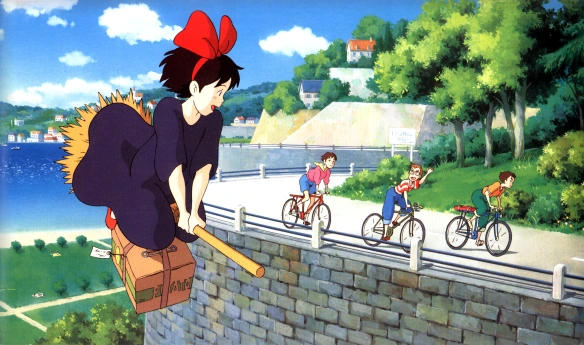
    Anime characters are often portrayed with depth and nuance, undergoing significant development throughout their stories. Characters like Chihiro in “Spirited Away” or Kiki in “Kiki’s Delivery Service” evolve in ways that engage viewers and foster emotional connections.

    b. Diverse Representation

    Anime films feature a wide range of characters and archetypes, from heroic figures to ordinary individuals facing extraordinary circumstances. This diversity allows audiences to find characters they can relate to or admire.


    4. Engaging and Original Storytelling

    The storytelling in anime films is often characterized by its originality and depth.

    a. Innovative Narratives

    Anime filmmakers frequently employ unique narrative structures and storytelling techniques. For example, “Paprika” uses dream sequences to explore the nature of reality, offering a fresh approach to storytelling.

    b. Genre Variety

    Anime covers a broad spectrum of genres, from fantasy and sci-fi to romance and horror, ensuring there’s something for everyone. This variety appeals to a diverse global audience with different tastes and preferences.


    5. Cultural Exchange and Global Accessibility

    The rise of digital platforms and international film festivals has facilitated the global reach of anime films.

    a. Streaming Platforms

    Services like Netflix, Crunchyroll, and Funimation have made anime films easily accessible to international audiences, contributing to their global popularity. These platforms offer both subbed and dubbed versions, catering to a wide range of viewers.

    b. International Film Festivals

    Anime films have gained recognition at global film festivals, further boosting their visibility and credibility. Films such as “Your Name” and “The Red Turtle” have received critical acclaim and introduced anime to new audiences.


    6. Community and Fan Engagement

    The global anime community plays a significant role in the popularity of anime films.

    a. Fan Culture

    The passionate anime fan base actively promotes and discusses their favorite films through online forums, social media, and conventions. This enthusiastic engagement helps spread the word and builds a global fan community.

    b. Cosplay and Merchandise

    The popularity of cosplay and anime merchandise contributes to the cultural impact of anime films. Fans often express their love for anime through costumes and collectibles, enhancing the films’ presence in popular culture.


    Conclusion

    The global popularity of anime films can be attributed to their innovative art styles, universal themes, complex characters, and engaging storytelling. As digital platforms and international exposure continue to grow, anime films are likely to maintain and expand their influence worldwide, resonating with audiences across diverse cultures.

  • The Role of Nature and Spirituality in Japanese Films

    The Role of Nature and Spirituality in Japanese Films

    Japanese films often explore the deep connection between nature and spirituality. These themes reveal the intricate relationship between Japanese culture, beliefs, and cinematic storytelling. Let’s delve into how nature and spirituality play crucial roles in Japanese cinema.

    1. Nature as a Central Theme

    In Japanese films, nature frequently emerges as a central theme. Filmmakers use landscapes and natural elements to express complex emotions and ideas. For instance, the beautiful forests and mountains in Studio Ghibli’s films, such as “Princess Mononoke” (1997), highlight nature’s role in human life. These films often portray nature as a living entity, reflecting both its beauty and its power. Consequently, nature becomes a character that influences the narrative and the characters’ journeys.

    2. Spirituality and Traditional Beliefs

    Japanese films often incorporate traditional beliefs and spiritual practices. Shintoism and Buddhism are integral to understanding these films. Shintoism, with its emphasis on kami (spirits) and sacred places, influences many Japanese films. For example, “Spirited Away” (2001) by Hayao Miyazaki presents a world where spirits and gods play significant roles. Similarly, Buddhism’s focus on enlightenment and the cycle of life appears in films like “Rashomon” (1950) by Akira Kurosawa. These spiritual themes offer profound insights into Japanese culture and its worldview.

    3. Symbolism of Nature in Japanese Cinema

    Nature often symbolizes deeper meanings in Japanese cinema. For instance, cherry blossoms represent fleeting beauty and the transient nature of life. Films like “The Taste of Tea” (2004) by Katsuhito Ishii use seasonal changes to mirror characters’ emotional states. The changing landscapes often reflect personal growth or the passage of time. Therefore, nature in Japanese films becomes a powerful symbol that adds layers of meaning to the narrative.

    4. The Influence of Japanese Art and Literature

    Japanese art and literature also influence how nature and spirituality are depicted in films. Traditional Japanese painting, such as ink wash paintings, emphasizes simplicity and the natural world. Films often reflect these artistic principles through minimalistic and serene visuals. Additionally, classic Japanese literature, including works by Matsuo Bashō, often explores nature and spirituality. Filmmakers draw inspiration from these sources, weaving elements of art and literature into their cinematic creations.

    5. Modern Interpretations and Innovations

    Contemporary Japanese filmmakers continue to explore nature and spirituality in innovative ways. For instance, Hirokazu Kore-eda’s “Still Walking” (2008) blends personal reflection with the beauty of the natural world. His films often use nature to enhance the emotional depth of the story. Moreover, modern animations, like Makoto Shinkai’s “Your Name” (2016), incorporate natural elements to explore themes of connection and fate. These films show how traditional themes can evolve and resonate with modern audiences.

    The Role of Nature and Spirituality in Japanese Films
    The Role of Nature and Spirituality in Japanese Films

    6. Impact on Global Cinema

    Japanese films’ exploration of nature and spirituality has influenced global cinema. International filmmakers often draw inspiration from Japanese cinema’s unique approach to these themes. The serene landscapes and spiritual narratives offer a different perspective that enriches global storytelling. Consequently, Japanese cinema’s portrayal of nature and spirituality continues to inspire and shape the way stories are told worldwide.

    Conclusion

    In conclusion, nature and spirituality play vital roles in Japanese films. They reflect deep cultural beliefs and offer unique storytelling elements. By examining these themes, we gain a greater appreciation for how Japanese filmmakers blend nature and spirituality into their narratives. These films not only showcase Japan’s rich cultural heritage but also offer universal insights into the human experience.

  • Essential Japanese Films Everyone Should Watch

    Essential Japanese Films Everyone Should Watch

    Japanese cinema has produced a remarkable array of films that have captivated audiences around the world with their unique storytelling, visual artistry, and cultural depth. From classic masterpieces to modern marvels, these films offer a glimpse into Japan’s rich cinematic tradition. Here are some essential Japanese films that everyone should watch, showcasing a range of genres and styles that have left a significant mark on global cinema.

    Seven Samurai (1954)

    Directed by Akira Kurosawa, Seven Samurai is a timeless epic that tells the story of a group of samurai hired to protect a village from bandits. Known for its groundbreaking action sequences and deep character development, the film has influenced countless works in the action genre. Its innovative approach to storytelling and its portrayal of heroism and sacrifice make it a must-see for any film enthusiast.

    Spirited Away (2001)

    Hayao Miyazaki’s Spirited Away is a modern animated classic that won the Academy Award for Best Animated Feature. The film follows a young girl who becomes trapped in a magical world and must find a way to save her parents. Renowned for its stunning animation, imaginative world-building, and universal themes of growth and identity, Spirited Away is a standout in the world of animation and a must-watch for audiences of all ages.

    Tokyo Story (1953)

    Directed by Yasujirō Ozu, Tokyo Story is a poignant drama that explores family dynamics and the generational gap in post-war Japan. The film’s subtle storytelling and focus on the everyday lives of its characters offer a profound look at human relationships and societal changes. Its influence on narrative simplicity and emotional depth has made it a classic in Japanese cinema.

    Essential Japanese Films
    Essential Japanese Films

    Ringu (1998)

    Directed by Hideo Nakata, Ringu is a landmark in Japanese horror cinema. The film tells the story of a cursed videotape that causes viewers to die within seven days. Its chilling atmosphere and psychological horror have inspired numerous remakes and adaptations, including the American film The Ring. Ringu is essential viewing for fans of horror and supernatural thrillers.

    Ikiru (1952)

    Akira Kurosawa’s Ikiru is a deeply moving film about a bureaucrat who learns he has terminal cancer and sets out to leave a meaningful legacy. The film’s exploration of mortality and the search for purpose is both poignant and thought-provoking. Takashi Shimura’s powerful performance and Kurosawa’s masterful direction make Ikiru a significant work in Japanese cinema.

    Battle Royale (2000)

    Directed by Kinji Fukasaku, Battle Royale is a provocative film set in a dystopian future where students are forced to fight to the death. Its intense narrative and social commentary have made it a cult classic, influencing various films and media, including The Hunger Games series. Battle Royale is notable for its unflinching portrayal of violence and its critique of societal norms.

    My Neighbor Totoro (1988)

    Another gem from Hayao Miyazaki and Studio Ghibli, My Neighbor Totoro is a heartwarming film about two young sisters who encounter magical creatures in the countryside. The film’s charming animation, gentle storytelling, and themes of family and nature have made it a beloved classic. My Neighbor Totoro is a wonderful introduction to the enchanting world of Studio Ghibli.

    Akira (1988)

    Directed by Katsuhiro Otomo, Akira is a groundbreaking anime film set in a dystopian future. The film’s stunning animation and complex narrative about power and corruption have had a significant impact on the cyberpunk genre and animation worldwide. Akira is a must-watch for anyone interested in the evolution of anime and its influence on global cinema.

    The Hidden Fortress (1958)

    Another influential work by Akira Kurosawa, The Hidden Fortress is an adventure film that follows two peasants who become embroiled in a battle between warring factions. The film’s use of dynamic camera work and its influence on the Star Wars saga, particularly in its storytelling and character archetypes, make it a key piece in understanding Kurosawa’s impact on global cinema.

    The Taste of Tea (2004)

    Directed by Katsuhito Ishii, The Taste of Tea is a whimsical film that portrays the everyday lives of a quirky family in rural Japan. Its blend of surreal humor and gentle storytelling offers a unique cinematic experience, reflecting the playful and imaginative spirit of Japanese cinema. The Taste of Tea is an excellent example of contemporary Japanese film that combines creativity with heart.

    Conclusion

    These essential Japanese films offer a rich and diverse look at Japan’s cinematic heritage. From classic masterpieces and influential horror films to enchanting animations and thought-provoking dramas, each of these films provides a unique perspective on Japanese culture and storytelling. Watching these films is not only a journey through Japan’s film history but also an exploration of universal themes and innovative filmmaking that have left a lasting impact on global cinema.

  • Top 10 Anime Films that Defined Japanese Pop Culture

    Top 10 Anime Films that Defined Japanese Pop Culture

    Anime has become a global cultural phenomenon, but its roots are deeply embedded in Japanese pop culture. Certain films have not only defined the genre but have also left an indelible mark on Japanese society and beyond. This list highlights the top 10 anime films that have played pivotal roles in shaping Japanese pop culture.


    1. “Akira” (1988)

    Director: Katsuhiro Otomo
    Synopsis: Set in a dystopian future, “Akira” follows Kaneda and Tetsuo as they navigate a world of cybernetic enhancements and government conspiracies.
    Impact: “Akira” is a landmark film in anime history, renowned for its groundbreaking animation and profound influence on the cyberpunk genre. It introduced many Western audiences to anime and set new standards for animation quality and storytelling.


    2. “Spirited Away” (2001)

    Director: Hayao Miyazaki
    Synopsis: Young Chihiro finds herself trapped in a mysterious and magical world and must navigate its challenges to save her parents and return home.
    Impact: “Spirited Away” is a critical and commercial success, winning the Academy Award for Best Animated Feature. Its imaginative world-building and themes of resilience and growth have made it a cultural touchstone.


    3. “My Neighbor Totoro” (1988)

    Top 10 Anime Films that Defined Japanese Pop Culture
    Top 10 Anime Films that Defined Japanese Pop Culture

    Director: Hayao Miyazaki
    Synopsis: The film follows two young sisters who discover magical creatures in the countryside and learn about family, nature, and imagination.
    Impact: “My Neighbor Totoro” is a beloved classic that has become an iconic symbol of Studio Ghibli. The character Totoro has become a cultural icon and a symbol of Japanese animation.


    4. “Neon Genesis Evangelion: The End of Evangelion” (1997)

    Director: Hideaki Anno
    Synopsis: This film serves as an alternate ending to the controversial and influential anime series “Neon Genesis Evangelion”, exploring themes of existentialism and human psyche.
    Impact: “The End of Evangelion” has had a profound influence on the mecha genre and anime as a whole, known for its complex narrative and psychological depth.


    5. “Princess Mononoke” (1997)

    Director: Hayao Miyazaki
    Synopsis: The film tells the story of a young warrior who becomes embroiled in a conflict between forest spirits and industrial forces.
    Impact: “Princess Mononoke” is praised for its mature themes and environmental message. It challenged conventional anime storytelling and presented a nuanced view of nature and industrialization.


    6. “Ghost in the Shell” (1995)

    Director: Mamoru Oshii
    Synopsis: In a futuristic world, Major Motoko Kusanagi investigates cyber-crimes while grappling with her own identity.
    Impact: “Ghost in the Shell” has significantly influenced the science fiction genre and Western media, including films like “The Matrix”. Its exploration of cybernetics and identity remains highly relevant.


    7. “Howl’s Moving Castle” (2004)

    Director: Hayao Miyazaki
    Synopsis: The story follows Sophie, a young woman transformed into an old lady by a witch’s curse, and her adventures with the mysterious wizard Howl.
    Impact: “Howl’s Moving Castle” is noted for its stunning animation and its anti-war message. It further cemented Studio Ghibli’s reputation as a leader in innovative storytelling.


    8. “Kiki’s Delivery Service” (1989)

    Director: Hayao Miyazaki
    Synopsis: The film follows Kiki, a young witch who starts a delivery service to prove her independence and find her place in the world.
    Impact: “Kiki’s Delivery Service” is celebrated for its charming portrayal of young adulthood and self-discovery, making it a cherished film among audiences of all ages.


    9. “Your Name” (2016)

    Director: Makoto Shinkai
    Synopsis: The film tells the story of two teenagers who mysteriously begin swapping bodies and must find each other to prevent a disaster.
    Impact: “Your Name” achieved international success and became one of the highest-grossing anime films of all time. Its emotional depth and visual splendor have had a lasting impact on the anime industry.


    10. “The Tale of the Princess Kaguya” (2013)

    Director: Isao Takahata
    Synopsis: Based on the Japanese folktale “The Tale of the Bamboo Cutter”, the film depicts the life of a princess who appears from a bamboo stalk and faces various trials.
    Impact: “The Tale of the Princess Kaguya” is acclaimed for its unique art style and its faithful adaptation of Japanese folklore, highlighting Studio Ghibli’s versatility and creative approach.


    Conclusion

    These top 10 anime films have each contributed to the rich tapestry of Japanese pop culture, influencing not only the anime industry but also global cinema. Through innovative storytelling, stunning visuals, and impactful themes, these films have left an enduring legacy that continues to resonate with audiences around the world.