Author: Kyo

  • Top 10 Anime Films That Have Shaped Pop Culture Worldwide

    Top 10 Anime Films That Have Shaped Pop Culture Worldwide

    Anime films have become a major influence on global pop culture. Their impact stretches across countries and generations. From heartwarming stories to visually stunning animations, these films have left a mark. In this article, we explore the top 10 anime films that have shaped pop culture worldwide.

    1. Akira (1988)

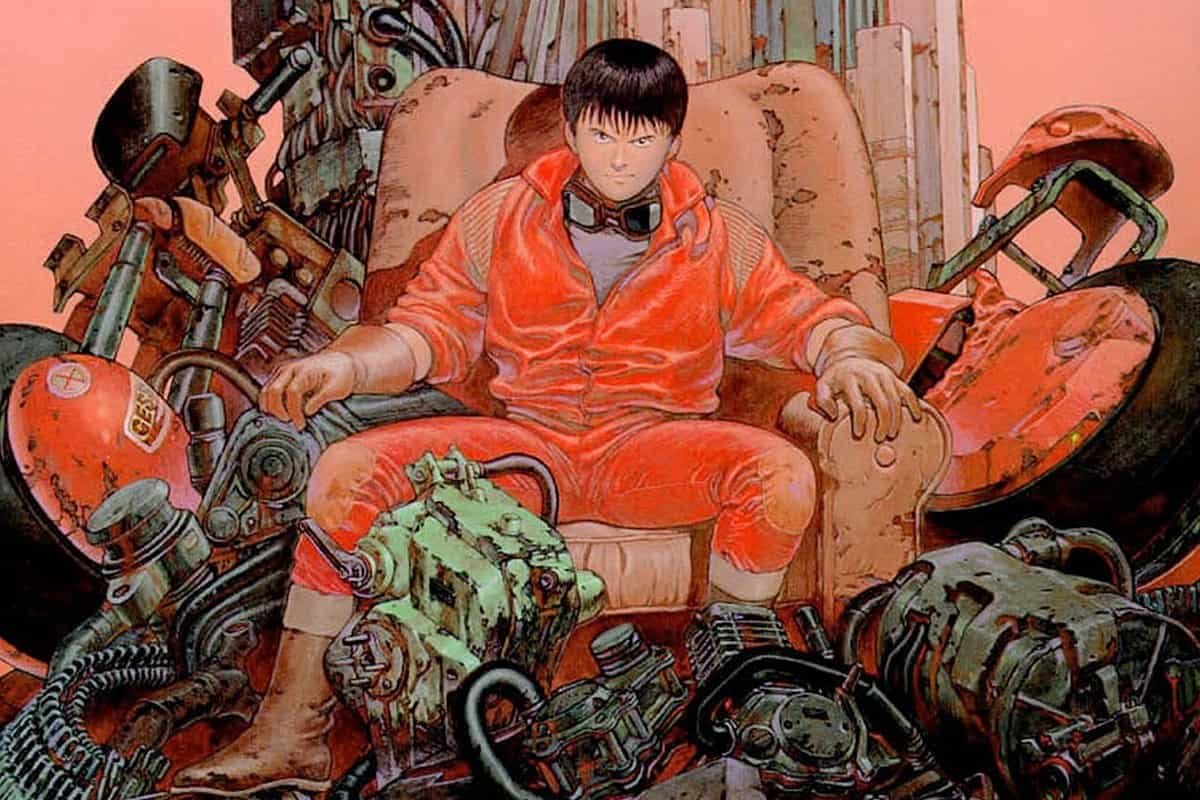
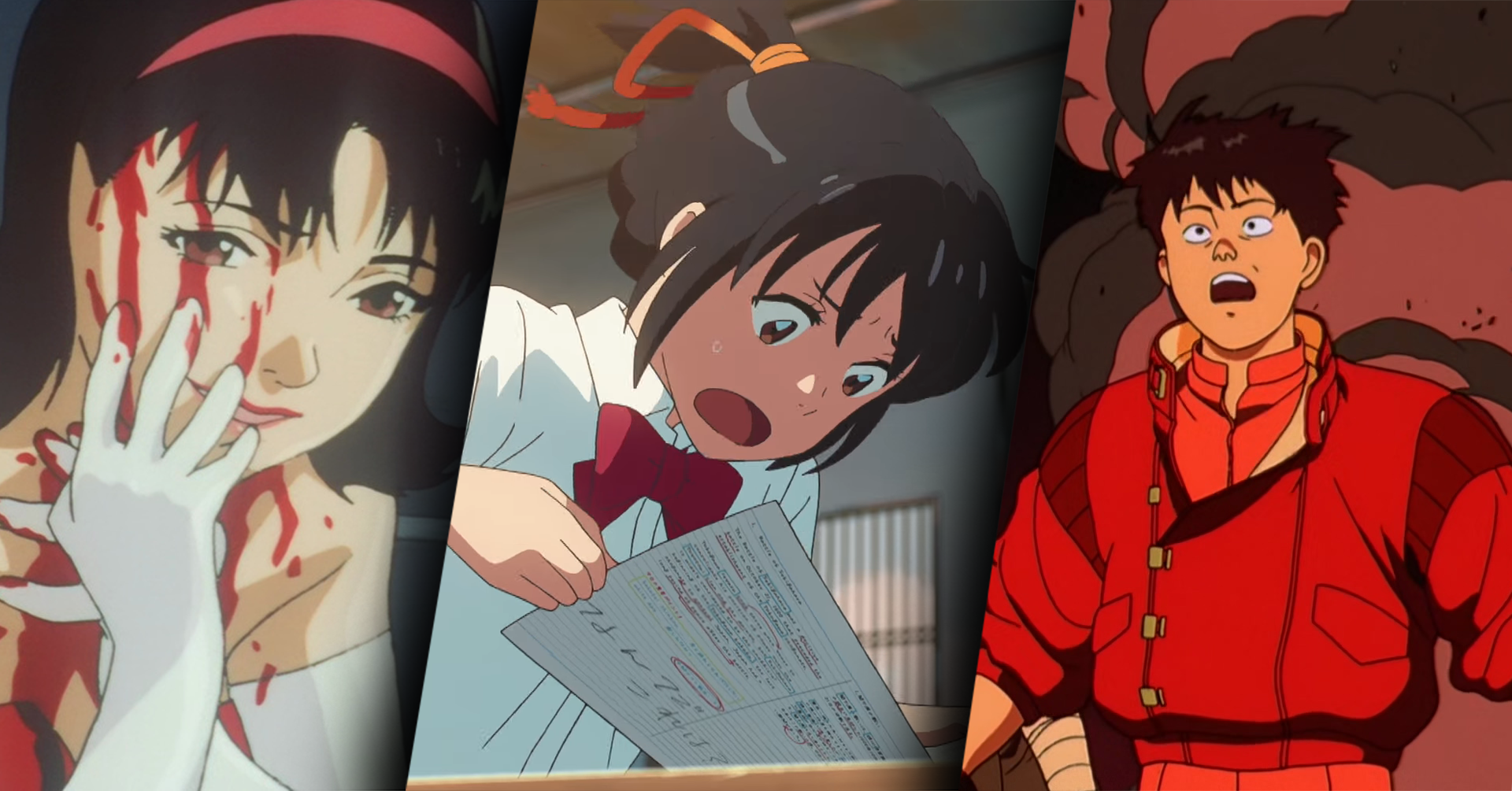
    To begin with, Akira stands out as a groundbreaking film that redefined anime. Its post-apocalyptic setting and innovative animation techniques captivated audiences. As a result, Akira influenced numerous Western filmmakers and helped introduce anime to a global audience.

    2. Spirited Away (2001)

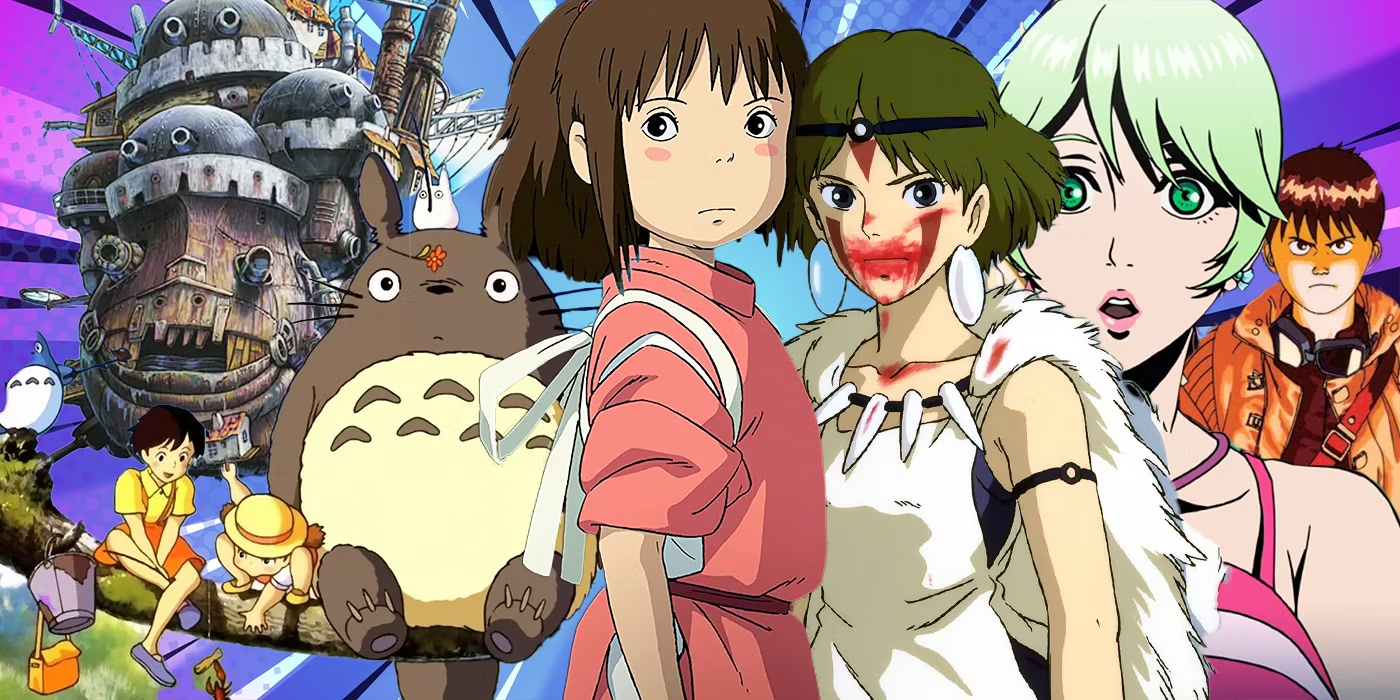
    Similarly, Spirited Away by Studio Ghibli is noteworthy. This film won an Academy Award and became a cultural phenomenon. Its imaginative world and touching story resonate with audiences of all ages. Consequently, it remains one of the most beloved anime films worldwide.

    3. My Neighbor Totoro (1988)

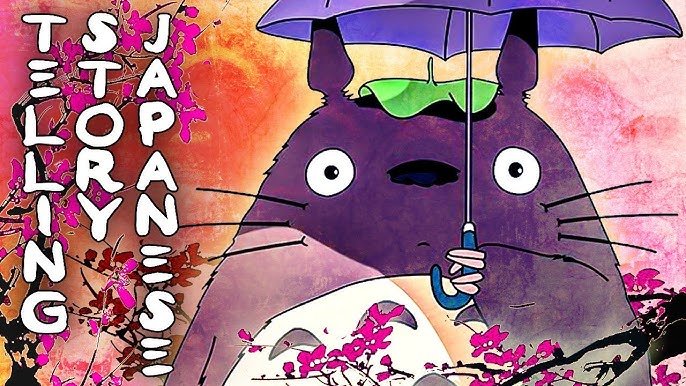
    In addition, My Neighbor Totoro has left a lasting impact on pop culture. The film’s gentle story and charming characters endear it to viewers. Totoro, the iconic forest spirit, has become a symbol of Studio Ghibli’s enchanting world. Therefore, this film continues to influence both fans and creators.

    4. Neon Genesis Evangelion: The End of Evangelion (1997)

    Moreover, Neon Genesis Evangelion: The End of Evangelion is a must-see. Known for its complex themes and unique storytelling, this film pushed the boundaries of the anime genre. Consequently, it has left a profound impact on pop culture and remains a significant work in the anime world.

    5. Ghost in the Shell (1995)

    Additionally, Ghost in the Shell is influential due to its cyberpunk themes and philosophical questions. The film’s vision of the future and its exploration of identity have inspired many. Moreover, it contributed to the development of the sci-fi genre in anime.

    6. Your Name (2016)

    Your Name is another film that has captured hearts globally. Its blend of romance and supernatural elements creates a compelling narrative. The film’s success led to widespread international recognition. Therefore, it has influenced both anime fans and filmmakers around the world.

    7. Howl’s Moving Castle (2004)

    Similarly, Howl’s Moving Castle is renowned for its imaginative world and stunning animation. Directed by Hayao Miyazaki, the film’s story is both whimsical and thought-provoking. Its impact extends beyond anime, influencing animation in various genres. Thus, it holds a special place in pop culture.

    8. Battle Royale (2000)

    In addition, Battle Royale stands out for its intense plot and social commentary. The film’s depiction of a dystopian society has resonated with audiences. Moreover, it has inspired other works in the genre, demonstrating its broad influence on pop culture.

    9. Ponyo (2008)

    Ponyo is celebrated for its enchanting story and vibrant animation. The film’s fairy-tale elements and imaginative setting make it a favorite among viewers. Furthermore, its influence extends to both anime and broader animated storytelling. As a result, it continues to captivate audiences worldwide.
    Top 10 Anime Films That Have Shaped Pop Culture Worldwide
    Top 10 Anime Films That Have Shaped Pop Culture Worldwide

    10. Paprika (2006)

    Finally, Paprika is known for its surreal imagery and exploration of dreams. The film’s innovative approach to animation and storytelling has influenced many creators. Its impact on both anime and global pop culture is evident in various works inspired by it.

    Conclusion

    In conclusion, these top 10 anime films have significantly shaped pop culture worldwide. Each film brings a unique perspective and artistic vision, influencing audiences and creators across the globe. As anime continues to evolve, these films will remain landmarks in the history of animation.
  • Top Japanese Anime Films That Defined the Genre

    Top Japanese Anime Films That Defined the Genre

    Japanese anime films have evolved significantly over the decades, shaping the genre and influencing global cinema. Many films have become iconic for their groundbreaking storytelling, artistic innovation, and cultural impact. This article highlights top Japanese anime films that have defined the genre and left a lasting legacy.

    Spirited Away (2001)

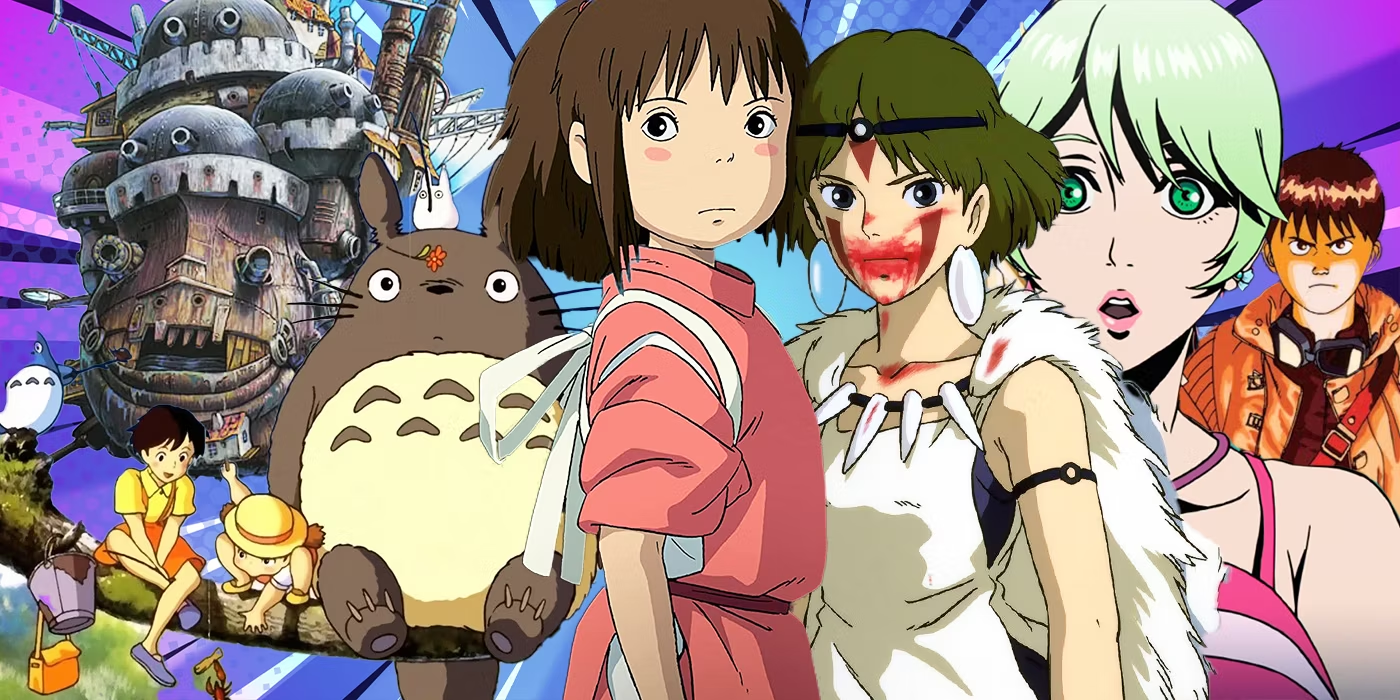
    Directed by Hayao Miyazaki and produced by Studio Ghibli, Spirited Away is often considered a masterpiece of animation. The film follows Chihiro, a young girl who finds herself in a mystical, supernatural world after her parents are transformed into pigs. Spirited Away is renowned for its imaginative world-building, intricate animation, and emotional depth. It won the Academy Award for Best Animated Feature and remains a quintessential example of Miyazaki’s storytelling prowess.

    Akira (1988)

    Akira, directed by Katsuhiro Otomo, is a landmark in the anime genre. Set in a dystopian future, the film explores themes of power, corruption, and rebellion through its complex narrative and revolutionary animation techniques. Akira’s influence extends beyond anime, impacting global pop culture and inspiring filmmakers and artists across various media. Its cyberpunk aesthetic and visual style continue to resonate with audiences worldwide.

    My Neighbor Totoro (1988)

    Another classic from Studio Ghibli, My Neighbor Totoro is a heartwarming tale of childhood wonder and magic. Directed by Hayao Miyazaki, the film follows two sisters who move to the countryside and encounter friendly forest spirits, including the lovable Totoro. The film’s gentle narrative, charming animation, and depiction of rural life have made it a beloved classic and an introduction to the enchantment of Studio Ghibli’s films.

    Princess Mononoke (1997)

    Hayao Miyazaki’s Princess Mononoke is an epic fantasy film that delves into themes of environmentalism and the conflict between industrialization and nature. The story follows Ashitaka, a young warrior who becomes entangled in a battle between humans and forest spirits. The film’s rich world-building, complex characters, and powerful message about the environment have established it as a significant work in anime cinema.

    Ghost in the Shell (1995)

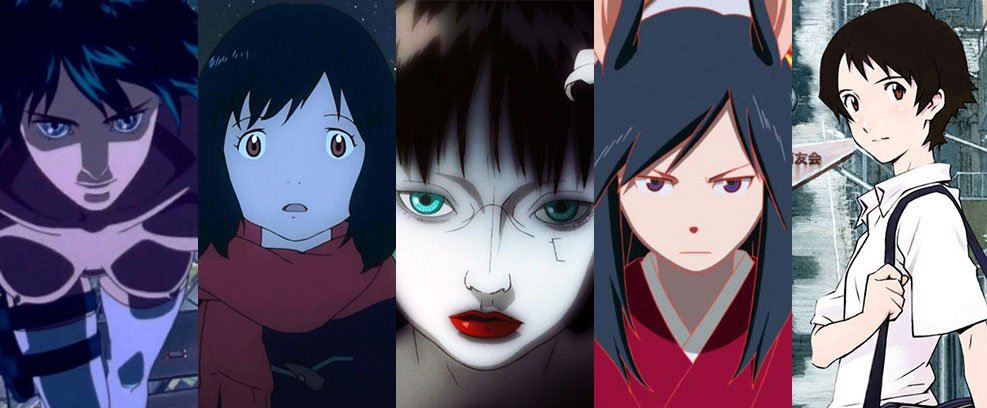
    Directed by Mamoru Oshii, Ghost in the Shell is a pioneering work in the cyberpunk genre. The film explores themes of identity, consciousness, and technology in a futuristic world where cybernetics and artificial intelligence are prevalent. Its philosophical depth and visual style have influenced a wide range of media, from Hollywood films to video games, cementing its place as a seminal work in anime.

    Your Name (2016)

    Your Name, directed by Makoto Shinkai, is a contemporary classic that combines romance and science fiction. The film tells the story of two teenagers who find themselves mysteriously linked through their dreams and bodies. With its stunning animation, emotional storytelling, and exploration of themes such as memory and connection, Your Name has become a global sensation, earning critical acclaim and commercial success.

    Top Japanese Anime Films
    Top Japanese Anime Films

    The Tale of the Princess Kaguya (2013)

    Isao Takahata’s The Tale of the Princess Kaguya is noted for its unique visual style, which resembles traditional Japanese watercolor paintings. The film, based on a classic Japanese folktale, follows the life of a mysterious princess who is discovered as a baby and grows up amidst grandeur and sorrow. The film’s distinctive animation and poignant storytelling offer a beautiful homage to Japanese culture and folklore.

    Howl’s Moving Castle (2004)

    Directed by Hayao Miyazaki, Howl’s Moving Castle is a fantasy adventure that blends romance, magic, and anti-war themes. The story revolves around Sophie, a young woman who is cursed to live as an old woman and finds refuge in a magical, moving castle. The film’s imaginative world, rich character development, and exploration of themes such as transformation and conflict make it a standout in the anime genre.

    The Girl Who Leapt Through Time (2006)

    The Girl Who Leapt Through Time, directed by Mamoru Hosoda, combines science fiction with coming-of-age elements. The film follows a high school girl who discovers she can travel through time and grapples with the consequences of her newfound ability. The film’s engaging narrative, emotional depth, and exploration of themes related to adolescence and personal growth have made it a cherished entry in the anime canon.

    Paprika (2006)

    Satoshi Kon’s Paprika is a visually striking film that explores the boundaries between dreams and reality. The story follows a psychologist who uses a device to enter patients’ dreams, leading to a surreal and thrilling journey. The film’s innovative animation techniques and complex narrative have earned it critical acclaim and established it as a major influence on both anime and global cinema.

    Conclusion

    These top Japanese anime films have significantly shaped the genre, each contributing unique storytelling techniques, artistic styles, and cultural insights. From the magical worlds of Studio Ghibli to the philosophical depths of cyberpunk, these films offer a diverse and enriching viewing experience that continues to captivate audiences around the world.

  • How Japanese Anime Films Have Influenced Global Pop Culture

    How Japanese Anime Films Have Influenced Global Pop Culture

    Japanese anime films have made a significant impact on global pop culture, shaping trends and inspiring creativity across various media. From influencing fashion and music to altering perceptions of animation, anime’s reach extends far beyond its Japanese origins. This article explores how Japanese anime films have influenced global pop culture, highlighting key areas of impact.

    Fashion and Design

    Japanese anime films have left an indelible mark on global fashion and design. Iconic anime characters and their distinctive styles often become fashion statements, inspiring clothing lines, accessories, and even haute couture. For instance, the futuristic designs in Akira (1988) have influenced streetwear trends and urban fashion, with its cyberpunk aesthetic resonating in contemporary fashion collections.

    Additionally, Studio Ghibli’s films, such as My Neighbor Totoro (1988) and Spirited Away (2001), have inspired merchandise and apparel that reflect the enchanting and whimsical elements of their worlds. Totoro-themed clothing, plush toys, and home décor items are popular among fans, showcasing how anime aesthetics permeate everyday fashion.

    Music and Entertainment

    Anime films have also made their mark on global music and entertainment. Soundtracks from anime movies often gain popularity, contributing to the rise of J-pop and anime music outside Japan. For example, the music from Your Name (2016) by Makoto Shinkai, particularly the songs by the band RADWIMPS, became international hits, further connecting anime to global music trends.

    The influence of anime on music extends to artists who draw inspiration from anime aesthetics and themes. Musicians and bands incorporate anime-inspired visuals and concepts into their work, blending Japanese pop culture with global music scenes. This fusion of influences helps bridge cultural gaps and brings anime into mainstream entertainment.

    Film and Animation

    Japanese anime films have significantly influenced global film and animation industries. The innovative storytelling techniques and animation styles of films like Spirited Away (2001) and Akira (1988) have inspired filmmakers worldwide. The seamless integration of traditional animation with modern techniques has set new standards for visual storytelling, encouraging international filmmakers to explore similar approaches.

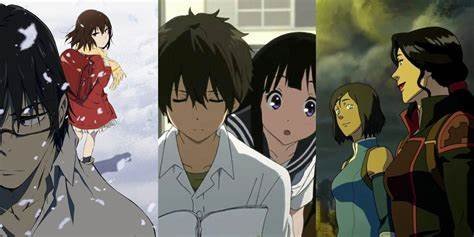
    Additionally, anime’s impact is evident in the rise of Western animated series that incorporate anime-inspired aesthetics and storytelling. Shows like Avatar: The Last Airbender and The Legend of Korra blend Western animation with anime influences, showcasing the genre’s effect on global animation trends.

    Fan Culture and Conventions

    The global fan culture surrounding Japanese anime films has grown exponentially, with conventions and fan events celebrating anime’s influence. Events like Anime Expo in the United States and Comic-Con International attract thousands of fans who engage in cosplay, screenings, and discussions centered around their favorite anime films.

    Fan culture also manifests through online communities and social media platforms where enthusiasts share fan art, reviews, and discussions about anime. This global network of fans contributes to the widespread appreciation and dissemination of anime, further embedding it into global pop culture.

    Video Games and Interactive Media

    Japanese anime films have had a notable impact on video games and interactive media. Many anime series are adapted into video games, allowing fans to immerse themselves in their favorite stories and worlds. Games based on popular anime films, such as Dragon Ball Z and Naruto, have achieved significant success and contribute to the franchise’s global reach.

    Furthermore, anime’s influence on game design is evident in the incorporation of anime-inspired art styles and storytelling techniques in various video games. This cross-pollination between anime and gaming enhances the interactive experience and attracts a diverse audience of gamers.

    Global Pop Culture
    Global Pop Culture

    Perception of Animation

    The success of Japanese anime films has altered global perceptions of animation as a medium for serious and sophisticated storytelling. Anime’s ability to tackle complex themes, such as identity, social issues, and personal growth, challenges the traditional view of animation as solely a children’s medium. This shift has opened doors for more diverse and mature animated content in global media.

    Conclusion

    Japanese anime films have profoundly influenced global pop culture, shaping fashion, music, film, and entertainment. Their impact extends to fan culture, video games, and the evolving perception of animation as a serious storytelling medium. As anime continues to captivate audiences worldwide, its influence on global pop culture will undoubtedly grow, fostering greater cross-cultural exchange and creative innovation.

  • Animation Techniques in Shaping Iconic Anime Films

    Animation Techniques in Shaping Iconic Anime Films

    Anime films are renowned for their unique visual styles and storytelling. Indeed, animation techniques play a crucial role in defining these styles. These techniques not only create stunning visuals but also enhance the narrative. Consequently, this article explores how various animation techniques shape iconic anime films.

    Traditional Hand-Drawn Animation

    Firstly, hand-drawn animation is a hallmark of classic anime. Studios like Studio Ghibli and Toei Animation pioneered this method. In this technique, each frame is meticulously drawn by artists. As a result, this process yields rich, detailed backgrounds and expressive character designs. For instance, Spirited Away by Studio Ghibli showcases the beauty and depth achievable through hand-drawn animation.

    Digital Animation

    However, digital animation has revolutionized the anime industry. By using computer software, animators can create fluid movements and complex effects. This technique, therefore, allows for greater precision and efficiency compared to hand-drawn methods. Your Name is a prime example of how digital animation can enhance visual storytelling. In particular, the film’s seamless blend of traditional and digital techniques creates breathtaking scenes and dynamic effects.

    Many of the most thrilling anime movies and series are built around high-stakes games, where characters engage in intense psychological battles in exclusive, glamorous arenas. This popular genre captivates fans across the world with its blend of strategy, luck, and heart-pounding tension. In 2025, you can experience that same sophisticated, high-stakes excitement in the world of premium digital entertainment. For those who enjoy the thrill of a strategic challenge, a dedicated casinoviplogin is your direct entry into a world-class gaming experience, capturing the essence of your favorite anime showdowns.

    CGI Integration

    Moreover, computer-generated imagery (CGI) has become increasingly popular in anime. CGI integration adds a new layer of depth and realism to animated worlds. Films like The Red Turtle utilize CGI to complement hand-drawn animation. Consequently, this combination enhances the overall aesthetic without overshadowing the traditional style. As a result, CGI helps create more immersive and visually engaging experiences.

    Frame-by-Frame Animation

    In addition, frame-by-frame animation allows for meticulous control over motion and expression. This technique involves drawing each frame individually. Akira, a groundbreaking anime film, employs frame-by-frame animation to achieve its intense action sequences and detailed backgrounds. Thus, this method highlights the importance of precision and craftsmanship in creating impactful scenes.

    Animation Techniques and Storytelling

    Furthermore, animation techniques are not just about visuals—they also influence storytelling. For example, the use of color palettes and lighting can set the mood and tone of a film. In My Neighbor Totoro, the warm color palette and soft lighting evoke a sense of nostalgia and comfort. Therefore, these techniques enhance the emotional depth of the story, making it more engaging for viewers.

    Impact on Character Development

    Additionally, character design and animation play a vital role in character development. Techniques such as exaggerated expressions and dynamic movements help convey emotions and personality traits. Naruto, known for its distinctive animation style, uses these techniques to develop its characters and their unique abilities. Consequently, this approach helps audiences connect with characters on a deeper level.

    Animation Techniques in Shaping Iconic Anime Films
    Animation Techniques in Shaping Iconic Anime Films

    Innovation and Future Trends

    Looking ahead, as technology advances, new animation techniques continue to emerge. Innovations such as virtual reality (VR) and augmented reality (AR) are beginning to influence anime. These technologies offer exciting possibilities for creating interactive and immersive experiences. Therefore, we can expect anime films to incorporate these new techniques, pushing the boundaries of visual storytelling even further.

    Conclusion

    In conclusion, animation techniques play a pivotal role in shaping iconic anime films. From traditional hand-drawn methods to cutting-edge digital effects, each technique contributes to the unique visual and narrative style of anime. Understanding these techniques, therefore, provides a deeper appreciation of the artistry involved in creating beloved anime films. As the industry evolves, we can anticipate even more innovative approaches to animation, further enriching the world of anime.

  • Exploring the Art of Storytelling in Japanese Anime Films

    Exploring the Art of Storytelling in Japanese Anime Films

    Japanese anime films are renowned for their rich storytelling and artistic innovation. From intricate plots to deeply emotional narratives, anime has captivated audiences worldwide with its unique approach to storytelling. This article delves into the art of storytelling in Japanese anime films, highlighting key elements and techniques that define the genre.

    Innovative Narrative Structures

    Japanese anime films often employ innovative narrative structures that differentiate them from traditional Western storytelling. Non-linear narratives, multiple perspectives, and complex timelines are common features. For example, Paprika (2006) by Satoshi Kon explores the blurring lines between dreams and reality through a fragmented, dream-like narrative. This approach challenges viewers to piece together the story, enhancing the film’s psychological depth and engagement.

    Similarly, Your Name (2016) by Makoto Shinkai uses a dual perspective narrative to tell the story of two characters who swap bodies and experience each other’s lives. This structure allows for a multifaceted exploration of themes such as connection, memory, and destiny, creating a deeply immersive experience.

    Emotional Depth and Character Development

    One of the hallmarks of Japanese anime storytelling is its ability to convey profound emotional depth. Characters in anime films are often portrayed with complex, nuanced personalities and undergo significant development throughout the story. For instance, in Spirited Away (2001) by Hayao Miyazaki, the protagonist Chihiro embarks on a transformative journey that challenges her resilience and growth. The film’s rich character development and emotional arcs resonate with audiences, making Chihiro’s journey both compelling and relatable.

    Likewise, A Silent Voice (2016) directed by Naoko Yamada delves into the struggles of its characters with remarkable sensitivity. The film addresses themes of bullying, forgiveness, and redemption, offering a nuanced portrayal of its characters’ emotional journeys. This focus on emotional authenticity contributes to the film’s powerful impact.

    Visual Storytelling and Symbolism

    Visual storytelling plays a crucial role in Japanese anime films, with animation serving as a powerful tool for conveying themes and emotions. The use of symbolism, color palettes, and visual motifs enriches the narrative and enhances the viewer’s experience. For example, My Neighbor Totoro (1988) by Hayao Miyazaki uses vibrant, whimsical visuals to create a sense of wonder and magic, reflecting the innocence of childhood.

    In The Tale of the Princess Kaguya (2013) by Isao Takahata, the film’s unique hand-drawn animation style and use of watercolor techniques evoke a timeless, fairy-tale quality. The visual style complements the film’s themes of impermanence and the fleeting nature of beauty, demonstrating how animation can be used to reinforce storytelling.

    The Art of Storytelling
    The Art of Storytelling

    Cultural and Philosophical Themes

    Japanese anime films frequently explore cultural and philosophical themes that reflect both Japanese traditions and universal human experiences. Films such as Princess Mononoke (1997) by Hayao Miyazaki examine the relationship between humanity and nature, addressing environmental concerns and the impact of industrialization. The film’s exploration of these themes is deeply rooted in Japanese folklore and mythology, offering a rich cultural context.

    Additionally, Ghost in the Shell (1995) directed by Mamoru Oshii delves into questions of identity, consciousness, and the impact of technology on human existence. The film’s philosophical inquiries and futuristic setting provide a thought-provoking commentary on the nature of self and society.

    Narrative Flexibility and Genre Blending

    Japanese anime films often showcase narrative flexibility and genre blending, allowing for creative storytelling approaches that transcend traditional boundaries. For instance, Howl’s Moving Castle (2004) by Hayao Miyazaki combines elements of fantasy, romance, and anti-war themes into a cohesive narrative. The film’s genre-blending approach adds layers of complexity to the story, creating a multi-dimensional viewing experience.

    Similarly, The Girl Who Leapt Through Time (2006) by Mamoru Hosoda blends science fiction with coming-of-age themes, resulting in a film that explores the consequences of time travel while also addressing universal aspects of adolescence and personal growth.

    Conclusion

    The art of storytelling in Japanese anime films is characterized by its innovative narrative structures, emotional depth, visual storytelling, and exploration of cultural and philosophical themes. Through creative approaches and a deep understanding of character and theme, anime filmmakers craft stories that resonate with audiences on multiple levels. As Japanese anime continues to evolve, its unique storytelling techniques will undoubtedly continue to captivate and inspire viewers around the world.

  • How Anime Films Explore Complex Themes

    How Anime Films Explore Complex Themes

    Anime films often delve into deep and complex themes. These films explore concepts ranging from friendship to existentialism. They offer more than just entertainment; they provoke thought and stir emotions.

    1. Friendship: A Deep Connection

    Firstly, anime frequently examines the theme of friendship. Series like My Neighbor Totoro highlight the importance of bonds between friends. These films show how friendships support characters through trials and growth. In Naruto, for instance, the protagonist’s friendships drive his development and provide emotional support. Therefore, these films often portray friendships as crucial to overcoming life’s challenges.

    2. Family Dynamics: Complex Relationships

    In addition to friendship, anime explores intricate family dynamics. Films like A Silent Voice address family issues and personal growth. They show characters dealing with strained relationships and the impact on their lives. Similarly, The Boy and the Beast depicts a young boy’s journey in understanding his family and self. This exploration helps viewers understand the depth of familial relationships and personal struggles.

    3. Identity and Self-Discovery

    Another major theme in anime is identity and self-discovery. Films such as Spirited Away feature characters on quests to find themselves. As the protagonist Chihiro navigates a magical world, she learns about her own strengths and vulnerabilities. This theme resonates widely, as many viewers see parallels in their own lives. Consequently, these films encourage viewers to reflect on their personal journeys and identity.

    4. Existentialism: The Search for Meaning

    Existential themes are prevalent in anime, providing thought-provoking narratives. Ghost in the Shell delves into questions about consciousness and existence. It challenges viewers to consider what defines identity in a technologically advanced world. Similarly, Neon Genesis Evangelion explores the human condition and existential dread through its complex storylines. These films often make viewers question the nature of existence and purpose.

    5. Conflict and Resolution: Personal Growth

    Anime also tackles themes of conflict and resolution, focusing on personal growth. Films like Your Name depict characters who overcome internal and external conflicts to grow. These stories highlight how individuals can change and evolve through challenges. Furthermore, they show that resolution often comes from understanding oneself and one’s relationships with others.

    How Anime Films Explore Complex Themes
    How Anime Films Explore Complex Themes

    6. Moral and Ethical Dilemmas

    Additionally, anime films often present moral and ethical dilemmas. In Akira, the characters face choices that challenge their values and ethics. The film prompts viewers to think about the consequences of their decisions and the impact on society. This exploration of morality adds depth to the narrative and encourages viewers to reflect on their own beliefs.

    7. Escapism and Reality: Balancing Worlds

    Lastly, anime frequently explores the balance between escapism and reality. Films like The Girl Who Leapt Through Time use fantasy elements to address real-life issues. They allow viewers to escape while still confronting significant themes. This balance helps viewers enjoy the fantasy while reflecting on real-world problems and solutions.

    Conclusion

    In summary, anime films provide a rich exploration of complex themes. From friendship and family to existentialism and moral dilemmas, these films offer deep and thought-provoking content. As a result, anime continues to captivate audiences with its unique storytelling and emotional depth. Therefore, the next time you watch an anime film, consider how it reflects and explores these intricate themes.

  • Must-Watch Japanese Anime Films for Every Fan

    Must-Watch Japanese Anime Films for Every Fan

    Japanese anime films are renowned for their imaginative storytelling, stunning visuals, and emotional depth. Whether you’re a long-time fan or new to the genre, certain anime films stand out as essential viewing experiences. This article highlights must-watch Japanese anime films that offer a diverse range of styles and stories, each showcasing the best of what anime has to offer.

    Spirited Away (2001)

    Directed by Hayao Miyazaki and produced by Studio Ghibli, Spirited Away is a masterpiece of animation. The film follows Chihiro, a young girl who becomes trapped in a mysterious, magical world. With its captivating story, richly detailed animation, and themes of growth and identity, Spirited Away won the Academy Award for Best Animated Feature and remains a landmark in anime history.

    My Neighbor Totoro (1988)

    Another classic from Studio Ghibli, My Neighbor Totoro is a heartwarming tale about two sisters who move to the countryside and encounter magical creatures. Directed by Hayao Miyazaki, the film is celebrated for its charming animation, gentle storytelling, and portrayal of childhood wonder. It’s a perfect introduction to the world of anime for new fans.

    Akira (1988)

    Katsuhiro Otomo’s Akira is a groundbreaking film that has had a significant impact on both anime and global cinema. Set in a dystopian future, the film follows a group of friends who uncover government conspiracies and supernatural phenomena. With its revolutionary animation techniques and complex narrative, Akira is a must-watch for its influence on the genre.

    Your Name (2016)

    Directed by Makoto Shinkai, Your Name is a visually stunning film that tells the story of two teenagers who find themselves mysteriously connected through their dreams. The film explores themes of love, destiny, and the passage of time, and its beautiful animation and emotional depth have earned it widespread acclaim and commercial success.

    Princess Mononoke (1997)

    In Princess Mononoke, Hayao Miyazaki delivers an epic tale set in a world where nature and industrialization clash. The film follows Ashitaka, a young warrior who becomes embroiled in the conflict between humans and forest spirits. With its rich world-building and complex characters, Princess Mononoke is a powerful exploration of environmental and philosophical themes.

    Ghost in the Shell (1995)

    Mamoru Oshii’s Ghost in the Shell is a cyberpunk classic that delves into themes of identity and consciousness in a technologically advanced future. The film follows Major Motoko Kusanagi, a cyborg police officer, as she investigates a mysterious hacker. Ghost in the Shell is influential for its thought-provoking story and pioneering animation techniques.

    The Girl Who Leapt Through Time (2006)

    Directed by Mamoru Hosoda, The Girl Who Leapt Through Time is a heartwarming and imaginative film about a teenage girl who discovers she has the ability to travel through time. The film combines a coming-of-age story with science fiction elements, exploring the consequences of time travel on relationships and personal growth.

    Paprika (2006)

    Satoshi Kon’s Paprika is a visually inventive film that explores the boundaries between dreams and reality. The story follows a psychologist who uses a device to enter and explore her patients’ dreams. With its surreal imagery and complex narrative, Paprika is a compelling and influential work that has inspired many filmmakers.

    Howl’s Moving Castle (2004)

    Another gem from Studio Ghibli, Howl’s Moving Castle is a fantasy adventure directed by Hayao Miyazaki. The film follows Sophie, a young woman cursed to live in an elderly body, who finds refuge in a magical moving castle. With its enchanting story, imaginative world, and themes of love and self-acceptance, Howl’s Moving Castle is a must-see.

    A Silent Voice (2016)

    Directed by Naoko Yamada, A Silent Voice is a powerful and emotional film that addresses themes of bullying, redemption, and personal growth. The story centers on a young man seeking to make amends for his past actions toward a deaf classmate. The film’s sensitive handling of difficult topics and its beautiful animation make it a standout in contemporary anime.

    Must-Watch Japanese Anime Films
    Must-Watch Japanese Anime Films

    Conclusion

    These must-watch Japanese anime films each offer a unique and memorable experience, showcasing the diverse range of storytelling and artistic styles found in anime. From classic Studio Ghibli works to groundbreaking cyberpunk and emotionally resonant dramas, these films represent the best of Japanese animation and are essential viewing for any fan.

  • Exploring the Legacy of Ringu and Ju-On

    In the realm of horror cinema, few films have left as profound an impact as Japan’s Ringu (1998) and Ju-On: The Grudge (2002). These films not only define the J-horror genre but also significantly influenced the global landscape of horror. Their unique approaches to fear, combined with their deep cultural roots, have cemented their status as classics. This article explores the legacy of Ringu and Ju-On, examining their contributions to the horror genre and their lasting influence on both Japanese and international cinema.


    1. The Impact of Ringu (1998)

    a. Innovative Storytelling and Concept

    Ringu, directed by Hideo Nakata, introduced audiences to a new form of horror with its chilling tale of a cursed videotape. The film’s innovative concept of a supernatural entity transmitted through modern technology resonated deeply with audiences. The idea of a tape that causes death within seven days was both novel and unsettling, tapping into contemporary fears about technology and its potential for malevolent forces.

    b. Cultural and Psychological Depth

    Ringu drew from traditional Japanese ghost stories while integrating modern anxieties. The film’s depiction of the vengeful spirit Sadako was not only terrifying but also rooted in Japanese folklore and societal fears. The blend of psychological and supernatural horror created a deeply unsettling experience that extended beyond mere scares, reflecting broader cultural and emotional themes.

    c. Global Influence and Remakes

    The international success of Ringu led to numerous remakes and adaptations, including the American version, The Ring (2002). The film’s influence can be seen in the resurgence of supernatural horror and its impact on Western horror cinema. The eerie atmosphere, unsettling visuals, and innovative use of technology in Ringu set new standards for the genre.


    2. The Legacy of Ju-On: The Grudge (2002)

    a. Non-Linear Narrative and Storytelling Techniques

    Ju-On: The Grudge, directed by Takashi Shimizu, introduced a unique narrative style with its non-linear storytelling. The film’s fragmented structure, which presents a series of interconnected stories centered around a cursed house, added complexity and depth to the horror experience. This approach challenged traditional narrative forms and contributed to the film’s unsettling atmosphere.

    b. Cultural Significance and Traditional Influences

    The film’s portrayal of the vengeful spirits Kayako and Toshio drew from traditional Japanese ghost lore, infusing the story with cultural authenticity. The depiction of these spirits, their eerie appearances, and their malevolent actions were deeply rooted in Japanese beliefs about ghosts and curses. This cultural specificity added to the film’s haunting quality and made it stand out in the horror genre.

    c. Impact on Global Horror

    The success of Ju-On led to a series of sequels and remakes, including the American version, The Grudge (2004). The film’s influence extended beyond Japan, inspiring a wave of supernatural horror films and shaping the way ghosts and curses are portrayed in global cinema. Its unique approach to horror, combined with its cultural depth, solidified its place as a significant work in the genre.


    3. Comparing Ringu and Ju-On: Key Differences and Similarities

    a. Themes and Motifs

    While both films explore themes of curses and vengeance, they do so in distinct ways. Ringu focuses on the fear of technology and its potential to harbor supernatural forces, while Ju-On delves into the traditional concept of cursed spaces and the vengeful spirits that inhabit them. Both films use their themes to create a sense of pervasive dread and unease.

    b. Narrative and Structure

    Ringu employs a more linear narrative, focusing on the investigation of the cursed tape and its origins. In contrast, Ju-On uses a fragmented, non-linear approach, presenting a series of vignettes that build a larger, interconnected story. This difference in narrative style contributes to the distinctiveness of each film and their respective impacts on the genre.

    c. Visual and Auditory Techniques

    Both films utilize atmospheric and minimalist techniques to enhance their horror. Ringu uses unsettling visuals and eerie sound design to create tension, while Ju-On employs a more visceral approach, with jarring imagery and disturbing sound effects. These techniques contribute to the films’ lasting impact and their ability to evoke fear.


    4. Enduring Influence and Legacy

    a. Cultural Impact

    Ringu and Ju-On have had a lasting impact on both Japanese and international horror cinema. Their success helped to popularize J-horror and introduced global audiences to Japanese supernatural themes. The films’ cultural significance is evident in their continued influence on contemporary horror films and their role in shaping the genre.

    b. Continued Popularity

    The legacy of Ringu and Ju-On is reflected in their continued popularity and influence. Both films have inspired numerous sequels, remakes, and adaptations, and their impact can be seen in the works of filmmakers around the world. Their ability to evoke fear through cultural and psychological elements ensures their place as classics in the horror genre.


    Conclusion

    Ringu and Ju-On: The Grudge stand as monumental works in the horror genre, each bringing unique elements and cultural depth to their portrayal of supernatural terror. Their innovative storytelling, cultural significance, and global influence have cemented their legacy as classics in Japanese horror cinema. Exploring their impact offers valuable insights into the evolution of horror and the enduring power of fear.

  • The Cultural Significance of Ghosts and Spirits in Japanese Horror Cinema

    The Cultural Significance of Ghosts and Spirits in Japanese Horror Cinema

    Japanese horror cinema is renowned for its eerie and unsettling portrayal of ghosts and spirits. These supernatural entities are not just central to the genre but also deeply embedded in Japanese cultural beliefs and traditions. This article delves into the cultural significance of ghosts and spirits in Japanese horror cinema, exploring how these elements reflect broader societal fears, religious beliefs, and historical contexts.


    1. Historical Roots: Traditional Beliefs and Folklore

    a. Yūrei: The Ghosts of Japanese Folklore

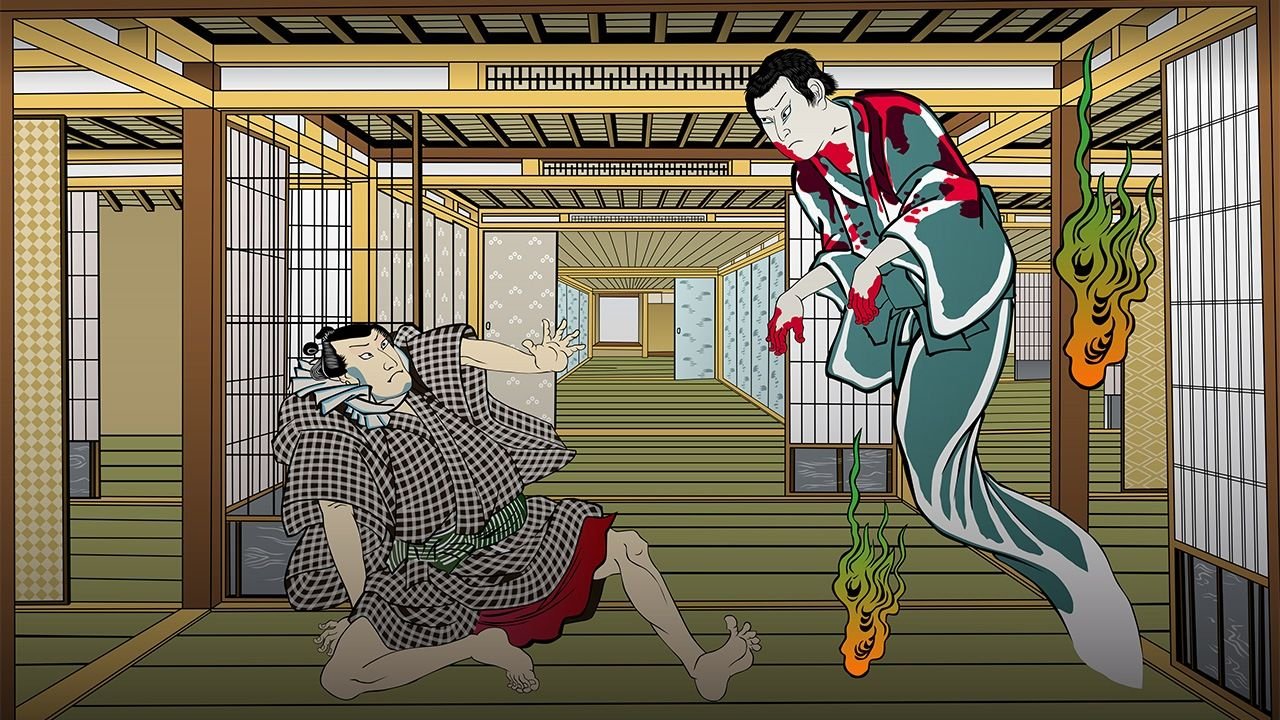
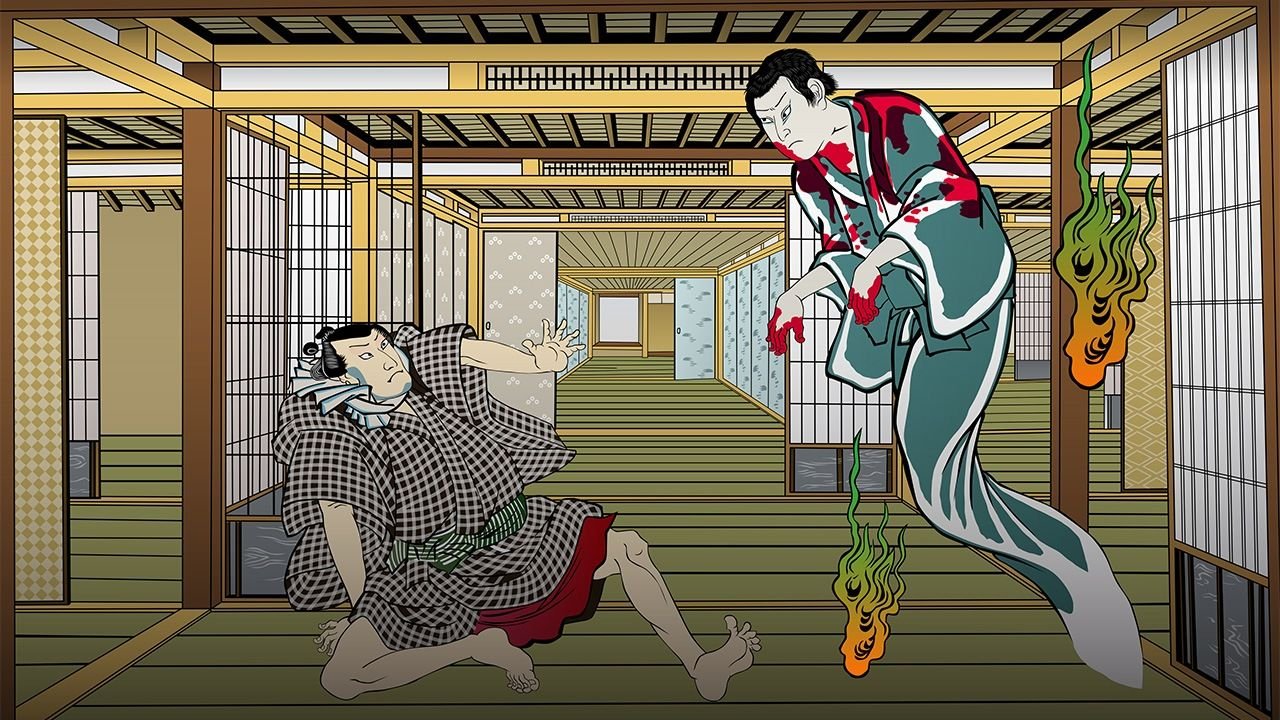
    In Japanese folklore, Yūrei are spirits of the dead who have not found peace. These restless ghosts are often depicted as pale, draped in white funeral garments, and with long, unkempt hair. The concept of Yūrei has influenced many Japanese horror films, such as “Ringu” (1998) and “Ju-on: The Grudge” (2002), where the spirits are vengeful and often tied to tragic backstories.

    b. Onryō: The Vengeful Spirits

    Onryō are a specific type of Yūrei known for their vengeful nature. These spirits are often depicted seeking retribution for wrongs done to them during their lifetime. Films like “The Ring” (2002) and “The Grudge” (2002) illustrate this theme, where the spirits’ desire for vengeance drives the horror.


    2. Spiritual and Religious Influences

    The Cultural Significance of Ghosts and Spirits in Japanese Horror Cinema
    The Cultural Significance of Ghosts and Spirits in Japanese Horror Cinema

    a. Shinto and Buddhist Beliefs

    Japanese horror cinema often draws on Shinto and Buddhist beliefs, which include the reverence of spirits and ancestors. Shinto, Japan’s indigenous spirituality, acknowledges the presence of kami (spirits) and ancestors, which can influence how ghosts are depicted. Buddhist concepts of karma and rebirth also play a role, as seen in the themes of unresolved sins and karmic retribution in films like “Dark Water” (2002).

    b. Rituals and Exorcisms

    Traditional rituals and exorcisms, such as Kōsō (purification) and O-mamori (protective charms), are depicted in Japanese horror films to address or appease malevolent spirits. These elements add a layer of cultural authenticity and highlight the importance of spiritual practices in dealing with supernatural entities.


    3. Societal Reflections: Fear and Anxiety

    a. Urban Legends and Modern Fears

    Japanese horror films often incorporate urban legends and modern fears, reflecting societal anxieties. For example, the concept of a cursed videotape in “Ringu” mirrors contemporary fears about technology and its potential to harbor malevolent forces. The supernatural elements serve as metaphors for deeper societal concerns.

    b. Cultural Trauma and Historical Context

    Some films address cultural trauma and historical events, using ghosts and spirits to symbolize collective fears and unresolved issues. “The Ghost of Yotsuya” (1959) reflects historical anxieties and personal tragedies, blending historical context with supernatural horror.


    4. Psychological and Emotional Impact

    a. The Unseen and the Unknown

    Japanese horror often emphasizes the unseen and unknown, creating a pervasive sense of dread. The portrayal of ghosts and spirits taps into deep psychological fears of the unknown and the afterlife, as seen in films like “Noroi” (2005), where the fear of what cannot be seen or understood enhances the horror.

    b. Emotional Resonance and Tragic Backstories

    Ghosts in Japanese horror films often have tragic backstories, which evoke sympathy and add emotional depth to the horror. This approach creates a more nuanced portrayal of spirits, as seen in “The Grudge” (2002), where the ghosts’ tragic pasts drive their malevolent actions.


    5. Cinematic Techniques: Creating Atmosphere

    a. Visual and Auditory Cues

    Japanese horror films use specific visual and auditory techniques to enhance the eerie atmosphere of ghosts and spirits. Techniques such as subdued lighting, minimalist soundscapes, and ghostly imagery create a sense of unease and contribute to the film’s overall haunting effect.

    b. Cultural Symbolism in Imagery

    The use of cultural symbolism, such as traditional Japanese attire and rituals, adds authenticity and depth to the portrayal of ghosts. This cultural specificity helps to create a more immersive and unsettling experience for viewers.


    Conclusion

    The portrayal of ghosts and spirits in Japanese horror cinema is deeply intertwined with cultural beliefs, historical contexts, and societal fears. By exploring these supernatural elements, Japanese horror films offer a unique lens into the country’s spiritual and emotional landscape, reflecting both traditional beliefs and contemporary anxieties. The cultural significance of these entities enhances the horror experience, making Japanese horror films distinct and profoundly impactful.

  • The Most Anticipated Anime Films of 2024

    The Most Anticipated Anime Films of 2024

    Anime enthusiasts eagerly await new releases each year. In 2024, several highly anticipated anime films are set to captivate audiences. From thrilling new stories to stunning animation, these films promise to be highlights of the year.

    1. The Legend of the Starborn

    Firstly, The Legend of the Starborn has generated immense excitement. This film features a unique blend of fantasy and science fiction. It follows a young hero discovering their cosmic powers. Moreover, the trailer showcases breathtaking visuals and an engaging plot, making it a must-watch for fans of epic adventures.

    2. Whispers of the Forest

    Next, Whispers of the Forest is set to enchant audiences with its captivating story. This film explores the mystical bond between humans and nature. It tells the tale of a young girl who communicates with forest spirits. Additionally, the film’s beautiful animation and heartfelt narrative are expected to resonate with viewers.

    3. Cyberwave

    Moreover, Cyberwave promises to deliver an exciting cyberpunk experience. Set in a futuristic city, the film follows a group of hackers uncovering a dark conspiracy. With its sleek animation and intense action scenes, Cyberwave aims to appeal to fans of high-tech thrillers.

    4. The Last Samurai’s Legacy

    In addition, The Last Samurai’s Legacy is highly anticipated for its historical and action elements. This film recounts the final days of a legendary samurai clan. Consequently, expect epic battles and deep, emotional moments. The film’s historical setting and dynamic action sequences make it a standout release.

    5. Celestial Dreams

    Another exciting film is Celestial Dreams. This story revolves around a girl who travels through dream realms to find her lost brother. Furthermore, the film promises to offer a visually stunning experience with its imaginative dreamscapes and touching story. Fans of fantasy and adventure will find this film particularly appealing.

    6. Urban Legends: Tokyo Nights

    Urban Legends: Tokyo Nights brings a thrilling blend of horror and mystery. Set in modern Tokyo, this film explores chilling urban legends. It follows a group of friends who uncover terrifying secrets. With its suspenseful plot and eerie atmosphere, this film is sure to captivate horror fans.

    7. Echoes of Eternity

    Additionally, Echoes of Eternity is generating buzz for its intricate storytelling. The film follows two characters whose destinies intertwine across different time periods. As a result, it promises a deep, emotional narrative coupled with stunning visuals. Fans of complex and thought-provoking stories should keep an eye on this release.

    8. Rising Tide

    Rising Tide is set to impress with its unique underwater setting. This film explores the mysteries of the ocean and follows an adventurous diver. Expect beautiful underwater scenes and an engaging adventure story. Consequently, Rising Tide will likely appeal to those fascinated by marine life and exploration.

    9. Quantum Hearts

    Moreover, Quantum Hearts features a compelling mix of romance and sci-fi. The story revolves around a futuristic society where love is regulated by technology. This film promises a thought-provoking narrative with emotional depth and stunning visual effects.

    The Most Anticipated Anime Films of 2024
    The Most Anticipated Anime Films of 2024

    10. Harmony of the Elements

    Finally, Harmony of the Elements explores the balance of nature through a captivating fantasy story. The film follows a group of elemental guardians protecting their world. With its vibrant animation and epic storyline, this film is set to enchant fans of magical adventures.

    Conclusion

    In conclusion, 2024 will bring a diverse array of exciting anime films. From epic fantasies to high-tech thrillers, there is something for every anime lover. Therefore, stay tuned for these highly anticipated releases and prepare for a year full of incredible stories and stunning animation.