Category: Japanese Films

  • The Unique Elements of Japanese Horror Films

    The Unique Elements of Japanese Horror Films

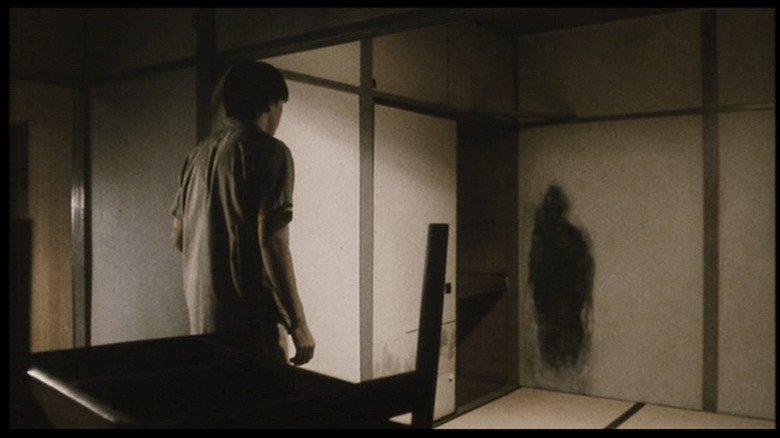
    Japanese horror films hold a special place in the global horror genre. They are unique in their storytelling, atmosphere, and themes. While many Western horror films focus on jump scares, Japanese horror takes a different approach. It blends supernatural elements with deep psychological thrills, making the audience feel a lingering sense of unease. In this article, we will explore what makes Japanese horror films stand out, from ghost stories to the psychological impact they leave behind.

    The Role of Ghosts in Japanese Horror

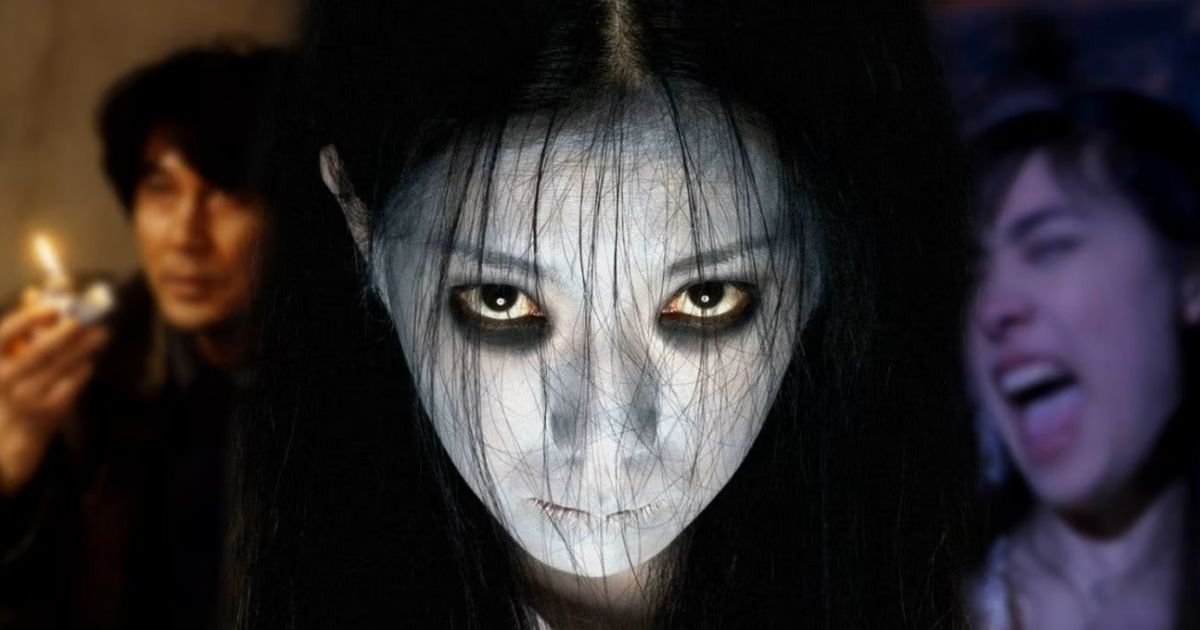
    First and foremost, Japanese horror often draws heavily from its rich folklore. Ghosts, or “yūrei,” play a central role in many films. These spirits are not just meant to scare; they often have tragic backstories. Unlike Western ghosts, yūrei are portrayed with long, dark hair and pale skin, which adds to their eerie presence. For instance, movies like The Ring and Ju-On: The Grudge feature vengeful spirits who haunt the living. The key difference here is the atmosphere. Instead of relying on loud scares, these films use slow-building tension, making the horror more psychological.

    Psychological Horror Over Jump Scares

    In addition to the supernatural, Japanese horror excels at psychological horror. The focus is not always on monsters or gore. Instead, filmmakers delve into the characters’ minds, exploring their fears and anxieties. This approach keeps viewers on edge long after the movie ends. One notable example is Audition by Takashi Miike. The film begins as a slow-paced drama but gradually transforms into a psychological nightmare. As a result, the tension builds subtly, leaving viewers with a lasting sense of dread.

    Minimalism in Japanese Horror Films

    Another unique element in Japanese horror is minimalism. The settings are often simple, but this simplicity amplifies the unease. For example, many scenes take place in ordinary homes, schools, or small towns. This contrast between normal settings and terrifying events makes the horror more relatable. Viewers feel as though the supernatural could easily invade their own lives. Consequently, films like Dark Water and Cure use minimal settings to heighten suspense, making every shadow and silence feel menacing.

    The Importance of Atmosphere

    Next, atmosphere plays a significant role in Japanese horror. Directors focus on creating an unsettling mood rather than shocking the audience with sudden scares. Music and sound design are often sparse, leaving viewers in eerie silence. For example, Onibaba and Kuroneko are older films that masterfully use silence and tension to create a haunting atmosphere. The lack of noise forces the viewer to pay attention to every small detail, building a slow but intense fear.

    Cultural Themes and Folklore

    Japanese horror also frequently incorporates themes from the country’s history and folklore. Stories of revenge, family curses, and ancestral spirits are common. Moreover, these films explore deeper cultural issues, such as guilt, shame, and social isolation. This connection to cultural themes adds depth to the horror, making it resonate more with audiences. A great example is Kwaidan, which is a collection of ghost stories based on traditional Japanese folklore. The film’s blend of folklore and eerie visuals creates an unforgettable experience.
    The Unique Elements of Japanese Horror Films
    The Unique Elements of Japanese Horror Films

    Influence on Western Horror

    Furthermore, Japanese horror has had a significant influence on Western cinema. Many iconic Japanese films have been remade for Western audiences, including The Ring and The Grudge. These adaptations helped introduce Western viewers to the slow-burn style of Japanese horror. While the remakes gained popularity, they often missed the subtle tension and atmosphere that made the originals so powerful. This difference highlights the unique storytelling elements that make Japanese horror films stand out globally.

    Conclusion

    In conclusion, Japanese horror films are unique because they blend supernatural elements with psychological depth. From ghost stories rooted in folklore to minimalist settings and eerie atmospheres, these films leave a lasting impact on their viewers. Unlike many Western horror films, which rely on jump scares, Japanese horror builds tension slowly and explores the darker sides of human nature. As a result, these films continue to captivate and terrify audiences worldwide.


  • How Streaming Services Are Transforming the Anime Film Industry

    How Streaming Services Are Transforming the Anime Film Industry

    Streaming services have dramatically changed the anime film industry. They offer unprecedented access and convenience for fans worldwide. This article explores how streaming platforms are reshaping anime, influencing its distribution, and impacting the industry.

    Increased Accessibility

    Firstly, streaming services have made anime more accessible. Platforms like Crunchyroll, Netflix, and Funimation provide instant access to a vast library of anime films. Fans can now watch their favorite shows anytime and anywhere. This convenience has broadened the audience for anime films and introduced them to new viewers.

    Global Reach

    Moreover, streaming services have expanded the global reach of anime. Previously, anime distribution was limited to certain regions. Now, anime films are available worldwide, thanks to platforms like Netflix and Amazon Prime Video. This global reach allows anime creators to connect with audiences across different cultures and regions.

    Diverse Content

    Additionally, streaming platforms offer a diverse range of anime content. Fans can choose from classic films, new releases, and exclusive series. For example, Netflix’s investment in anime has led to the production of original series and films. This diversity caters to various tastes and preferences, enriching the anime experience.

    Original Productions

    Furthermore, streaming services have begun producing their own anime content. This trend allows for more creative freedom and innovation. Platforms like Netflix and Hulu are now commissioning original anime projects. These productions often feature unique stories and styles, contributing to the growth of the anime industry.

    Improved Quality

    In addition, streaming services have improved the quality of anime films. With increased funding and resources, creators can produce higher-quality content. For instance, streaming platforms often provide better animation and sound design compared to traditional methods. This enhancement has elevated the overall standard of anime films.

    Fan Interaction

    Streaming services also facilitate greater fan interaction. Platforms often feature community forums, reviews, and social media integration. Fans can discuss their favorite shows, share opinions, and connect with others who have similar interests. This interaction fosters a vibrant anime community and strengthens the connection between fans and creators.

    Revenue Streams

    Moreover, streaming services have created new revenue streams for the anime industry. Subscription models, ad revenue, and exclusive content generate income for creators and distributors. This revenue helps fund the production of new anime films and series. As a result, streaming platforms play a crucial role in supporting the anime industry financially.

    How Streaming Services Are Transforming the Anime Film Industry
    How Streaming Services Are Transforming the Anime Film Industry

    Challenges and Opportunities

    Despite these benefits, streaming services also present challenges. The market is becoming saturated with platforms offering similar content. Additionally, licensing agreements and regional restrictions can complicate access for fans. However, these challenges also create opportunities for innovation and improvement within the industry.

    Future Trends

    Looking ahead, streaming services will likely continue to transform the anime film industry. Advances in technology and changes in viewer preferences will shape the future of anime distribution. Platforms will likely explore new formats and interactive experiences. This ongoing evolution will drive the growth and development of anime films.

    Conclusion

    In conclusion, streaming services have profoundly transformed the anime film industry. They have increased accessibility, expanded global reach, and introduced diverse content. While challenges exist, the benefits far outweigh them. Streaming platforms will continue to shape the future of anime, offering exciting opportunities for fans and creators alike.

  • Japanese Anime Films That Redefined the Industry

    Japanese Anime Films That Redefined the Industry

    Japanese anime films have had a profound impact on the global film industry, pushing boundaries and setting new standards in animation. From pioneering visual styles to innovative storytelling techniques, these films have reshaped how animation is perceived and enjoyed worldwide. This article explores Japanese anime films that have redefined the industry, highlighting their groundbreaking contributions.

    Akira (1988)

    Akira, directed by Katsuhiro Otomo, is a seminal work in anime history. Set in a dystopian future, the film explores themes of power, rebellion, and technology through its intense narrative and striking visual style. Akira‘s influence extends beyond anime, impacting global pop culture and inspiring numerous filmmakers and artists. Its complex animation techniques and cyberpunk aesthetic have become benchmarks for the genre.

    Spirited Away (2001)

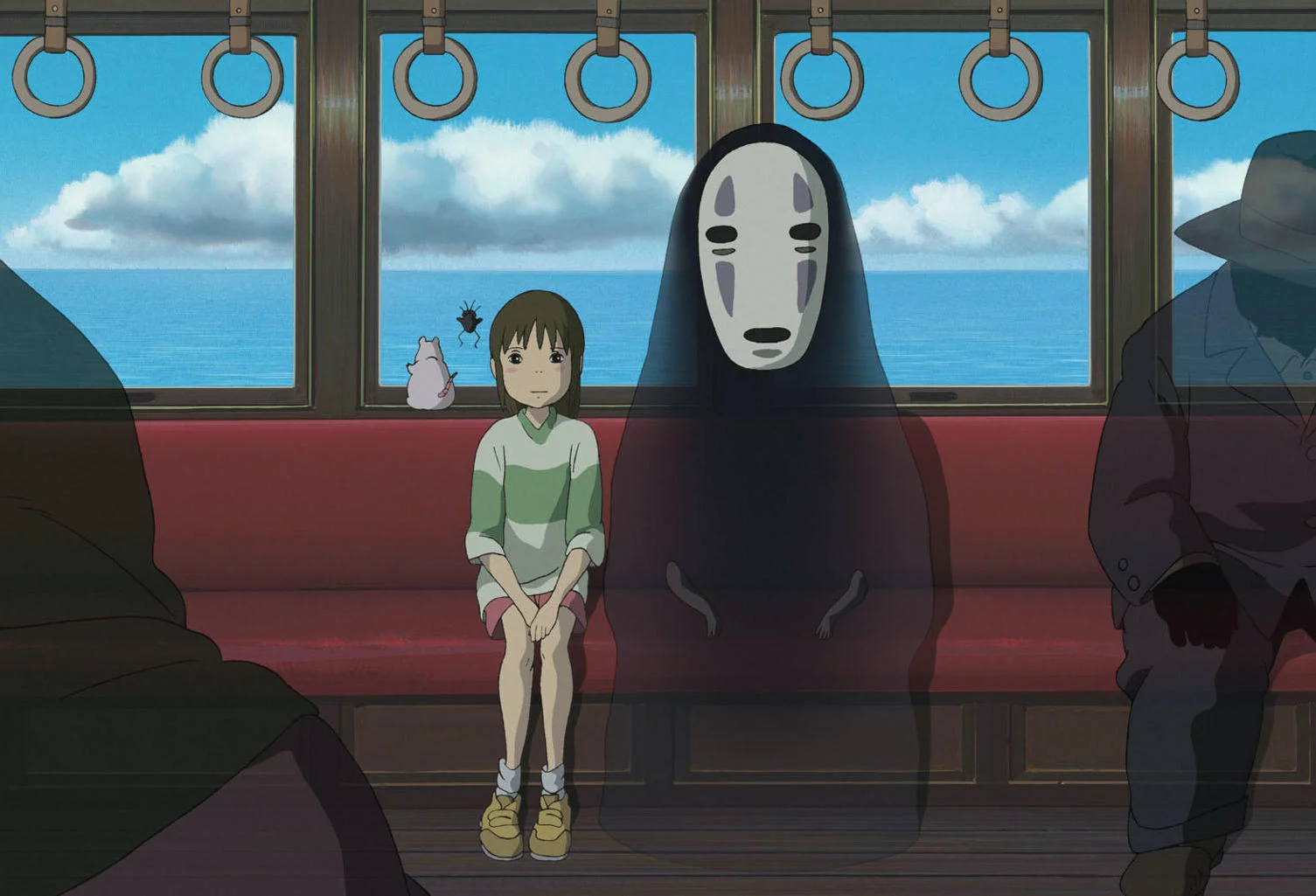
    Hayao Miyazaki’s Spirited Away is widely regarded as one of the greatest animated films of all time. The film follows Chihiro, a young girl who enters a magical world to save her parents. Spirited Away won the Academy Award for Best Animated Feature and remains a touchstone in animation. Its intricate world-building, rich storytelling, and emotional depth have set new standards for the genre.

    Ghost in the Shell (1995)

    Directed by Mamoru Oshii, Ghost in the Shell explores themes of consciousness and technology in a futuristic setting. The film’s philosophical depth and pioneering use of computer-generated imagery have left a lasting impact on both anime and global cinema. Ghost in the Shell has influenced a range of media, including Hollywood films and video games, with its visionary approach to cyberpunk storytelling.

    My Neighbor Totoro (1988)

    My Neighbor Totoro, directed by Hayao Miyazaki, introduced audiences to the whimsical and heartwarming world of Studio Ghibli. The film’s portrayal of rural life and its gentle storytelling have made it a beloved classic. The character of Totoro has become an icon of Japanese animation, representing the magical and serene qualities that define many Studio Ghibli films.

    Princess Mononoke (1997)

    In Princess Mononoke, Hayao Miyazaki presents an epic tale of environmentalism and conflict between nature and industrialization. The film’s mature themes, complex characters, and stunning animation have established it as a groundbreaking work in anime. Princess Mononoke’s influence extends to environmental discourse and has set a precedent for incorporating serious themes into animated films.

    Your Name (2016)

    Directed by Makoto Shinkai, Your Name is a modern classic that combines romance and science fiction. The film follows two teenagers who mysteriously switch bodies and form a deep connection. With its breathtaking animation and emotionally resonant story, Your Name became a global phenomenon, showcasing the power of anime to captivate audiences worldwide and redefine expectations for contemporary animated films.

    Paprika (2006)

    Satoshi Kon’s Paprika is a visually striking film that delves into the nature of dreams and reality. The film’s innovative animation style and complex narrative have made it a major influence on both anime and international cinema. Paprika’s exploration of the subconscious and its impact on dreamlike storytelling have set new standards for creative and psychological depth in animation.

    The Tale of the Princess Kaguya (2013)

    Isao Takahata’s The Tale of the Princess Kaguya is notable for its unique animation style, which resembles traditional Japanese watercolor paintings. The film, based on a classic folktale, combines beautiful visuals with a poignant story about the fleeting nature of life. The Tale of the Princess Kaguya represents a significant departure from conventional animation techniques, offering a fresh perspective on visual storytelling.

    Japanese Anime Films
    Japanese Anime Films

    Nausicaä of the Valley of the Wind (1984)

    Although released before Studio Ghibli’s official founding, Nausicaä of the Valley of the Wind is a foundational film for the studio. Directed by Hayao Miyazaki, the film features a strong environmental message and an imaginative post-apocalyptic world. Its influence on Studio Ghibli’s subsequent works and its impact on the anime industry have cemented its place as a groundbreaking film.

    Howl’s Moving Castle (2004)

    In Howl’s Moving Castle, Hayao Miyazaki presents a fantastical adventure that blends magic, romance, and anti-war themes. The film’s creative use of animation and its exploration of personal transformation have set it apart as a significant work in the anime genre. Howl’s Moving Castle continues to inspire audiences with its imaginative world and compelling storytelling.

    Conclusion

    Japanese anime films have redefined the animation industry through their innovative storytelling, artistic techniques, and cultural impact. From the cyberpunk dystopia of Akira to the emotional depth of Spirited Away, these films have set new standards and influenced a wide range of media. Their contributions continue to shape the future of animation and captivate audiences around the world.

  • Exploring the Legacy of Ringu and Ju-On

    In the realm of horror cinema, few films have left as profound an impact as Japan’s Ringu (1998) and Ju-On: The Grudge (2002). These films not only define the J-horror genre but also significantly influenced the global landscape of horror. Their unique approaches to fear, combined with their deep cultural roots, have cemented their status as classics. This article explores the legacy of Ringu and Ju-On, examining their contributions to the horror genre and their lasting influence on both Japanese and international cinema.


    1. The Impact of Ringu (1998)

    a. Innovative Storytelling and Concept

    Ringu, directed by Hideo Nakata, introduced audiences to a new form of horror with its chilling tale of a cursed videotape. The film’s innovative concept of a supernatural entity transmitted through modern technology resonated deeply with audiences. The idea of a tape that causes death within seven days was both novel and unsettling, tapping into contemporary fears about technology and its potential for malevolent forces.

    b. Cultural and Psychological Depth

    Ringu drew from traditional Japanese ghost stories while integrating modern anxieties. The film’s depiction of the vengeful spirit Sadako was not only terrifying but also rooted in Japanese folklore and societal fears. The blend of psychological and supernatural horror created a deeply unsettling experience that extended beyond mere scares, reflecting broader cultural and emotional themes.

    c. Global Influence and Remakes

    The international success of Ringu led to numerous remakes and adaptations, including the American version, The Ring (2002). The film’s influence can be seen in the resurgence of supernatural horror and its impact on Western horror cinema. The eerie atmosphere, unsettling visuals, and innovative use of technology in Ringu set new standards for the genre.


    2. The Legacy of Ju-On: The Grudge (2002)

    a. Non-Linear Narrative and Storytelling Techniques

    Ju-On: The Grudge, directed by Takashi Shimizu, introduced a unique narrative style with its non-linear storytelling. The film’s fragmented structure, which presents a series of interconnected stories centered around a cursed house, added complexity and depth to the horror experience. This approach challenged traditional narrative forms and contributed to the film’s unsettling atmosphere.

    b. Cultural Significance and Traditional Influences

    The film’s portrayal of the vengeful spirits Kayako and Toshio drew from traditional Japanese ghost lore, infusing the story with cultural authenticity. The depiction of these spirits, their eerie appearances, and their malevolent actions were deeply rooted in Japanese beliefs about ghosts and curses. This cultural specificity added to the film’s haunting quality and made it stand out in the horror genre.

    c. Impact on Global Horror

    The success of Ju-On led to a series of sequels and remakes, including the American version, The Grudge (2004). The film’s influence extended beyond Japan, inspiring a wave of supernatural horror films and shaping the way ghosts and curses are portrayed in global cinema. Its unique approach to horror, combined with its cultural depth, solidified its place as a significant work in the genre.


    3. Comparing Ringu and Ju-On: Key Differences and Similarities

    a. Themes and Motifs

    While both films explore themes of curses and vengeance, they do so in distinct ways. Ringu focuses on the fear of technology and its potential to harbor supernatural forces, while Ju-On delves into the traditional concept of cursed spaces and the vengeful spirits that inhabit them. Both films use their themes to create a sense of pervasive dread and unease.

    b. Narrative and Structure

    Ringu employs a more linear narrative, focusing on the investigation of the cursed tape and its origins. In contrast, Ju-On uses a fragmented, non-linear approach, presenting a series of vignettes that build a larger, interconnected story. This difference in narrative style contributes to the distinctiveness of each film and their respective impacts on the genre.

    c. Visual and Auditory Techniques

    Both films utilize atmospheric and minimalist techniques to enhance their horror. Ringu uses unsettling visuals and eerie sound design to create tension, while Ju-On employs a more visceral approach, with jarring imagery and disturbing sound effects. These techniques contribute to the films’ lasting impact and their ability to evoke fear.


    4. Enduring Influence and Legacy

    a. Cultural Impact

    Ringu and Ju-On have had a lasting impact on both Japanese and international horror cinema. Their success helped to popularize J-horror and introduced global audiences to Japanese supernatural themes. The films’ cultural significance is evident in their continued influence on contemporary horror films and their role in shaping the genre.

    b. Continued Popularity

    The legacy of Ringu and Ju-On is reflected in their continued popularity and influence. Both films have inspired numerous sequels, remakes, and adaptations, and their impact can be seen in the works of filmmakers around the world. Their ability to evoke fear through cultural and psychological elements ensures their place as classics in the horror genre.


    Conclusion

    Ringu and Ju-On: The Grudge stand as monumental works in the horror genre, each bringing unique elements and cultural depth to their portrayal of supernatural terror. Their innovative storytelling, cultural significance, and global influence have cemented their legacy as classics in Japanese horror cinema. Exploring their impact offers valuable insights into the evolution of horror and the enduring power of fear.

  • A Deep Dive into Japan’s Classic Romance Films

    A Deep Dive into Japan’s Classic Romance Films

    Japanese cinema has produced some of the most emotionally resonant and visually stunning romance films. From the golden age of Japanese film to contemporary classics, these films explore themes of love, heartbreak, and human connection. Here’s an in-depth look at some of Japan’s most cherished classic romance films.

    A Deep Dive into Japan’s Classic Romance Films

    Tokyo Story (1953)

    Director: Yasujiro Ozu

    Tokyo Story is often hailed as one of the greatest films ever made. It tells the story of an elderly couple who travel to Tokyo to visit their children. Their visit exposes the generational gap and the changing family dynamics in post-war Japan.

    The film’s exploration of familial love and the passage of time makes it a poignant meditation on human relationships. Ozu’s use of simple, yet profound storytelling and his innovative cinematic techniques have left a lasting impact on the genre.

    Ugetsu (1953)

    Ugetsu is a historical romance set in the Japanese civil wars of the 16th century. The film blends elements of romance and the supernatural, telling the story of a potter and his wife whose lives are transformed by ambition and otherworldly encounters.

    It highlights the tragic consequences of desire and the complexities of human emotion.

    The Ballad of Narayama (1958)

    Set in a remote mountain village, The Ballad of Narayama tells the story of a woman who must face the traditional practice of being left on the mountain to die once she reaches the age of 70. The film explores themes of love, sacrifice, and societal expectations.

    The film’s emotional depth and its reflection on the harsh realities of life and death offer a powerful narrative on the bonds of family and the impact of cultural practices on personal relationships.

    Hiroshima Mon Amour (1959)

    Although a French film, Hiroshima Mon Amour has significant Japanese connections through its depiction of the aftermath of the Hiroshima bombing. The film intertwines a love affair between a French actress and a Japanese man with reflections on memory and trauma.

    The film’s innovative narrative structure and exploration of memory and love provide a unique perspective on the impact of historical events on personal relationships.

    Summer Time Machine Blues (2005)

    Summer Time Machine Blues is a romantic comedy that follows a group of college friends who discover a time machine and use it to change their past. The film combines elements of romance, science fiction, and comedy, focusing on the impact of time travel on their relationships.

    Ringu (1998)

    Ringu is a horror film with strong romantic undercurrents. It follows a journalist who investigates a mysterious videotape that causes viewers to die seven days after watching it. The film’s exploration of the protagonist’s relationships adds depth to its chilling narrative.

    A Story of Floating Weeds (1934)

    A Story of Floating Weeds follows a traveling actor who reunites with his estranged family and lovers. The film explores themes of love, responsibility, and the consequences of past decisions.

    Ozu’s film is notable for its tender portrayal of romantic and familial relationships. It captures the emotional complexities of love and the effects of personal choices on those around us.

    Love Letter(1995)

    Love Letter tells the story of a woman who writes letters to her deceased fiancé and discovers unexpected connections with his past. The film explores themes of love, loss, and memory through a series of poignant and interconnected narratives.

    The Taste of Tea (2004)

    The Taste of Tea is a whimsical and heartfelt film about a family in rural Japan dealing with various life challenges, including romantic entanglements. The film’s gentle humor and warmth provide a unique perspective on love and family dynamics.

    The film’s blend of magical realism and romance offers a fresh and imaginative take on the genre, reflecting the complexities of relationships in a charming and engaging manner.

    Your Name (2016)

    Your Name is a contemporary anime film that explores the connection between two teenagers who mysteriously begin to switch bodies. As they uncover the truth behind their strange connection, they also navigate their own feelings and relationships.

    The film’s blend of romance, fantasy, and stunning animation has captivated audiences worldwide. Demonstrating how modern Japanese films continue to innovate within the genre.

    Conclusion

    Japanese classic romance films offer a rich tapestry of emotional and cultural insights, reflecting the diverse ways love and relationships are experienced and understood. From the post-war era to contemporary times, these films capture the essence of human connection and continue to resonate with audiences around the world. Through their unique storytelling and profound themes, Japanese romance films provide a window into the changing dynamics of love and relationships in Japanese society.

  • How Japanese Films Reflect Cultural and Social Changes

    How Japanese Films Reflect Cultural and Social Changes

    Japanese cinema is a powerful mirror reflecting the cultural and social transformations within Japan. From post-war recovery to modern-day challenges, Japanese films provide insightful commentary on the country’s evolving identity. Here’s an exploration of how Japanese films capture and reflect these changes over time.

    How Japanese Films Reflect Cultural and Social Changes

    Post-War Reflections and Recovery

    In the aftermath of World War II, Japanese cinema grappled with the nation’s devastation and recovery. Films from this period often explored themes of loss, rebuilding, and the shifting societal values.

    Key Films:

    • “Tokyo Story” (1953) by Yasujiro Ozu: This film portrays the generational gap and the changes in family dynamics as Japan modernizes. It reflects the societal shift from traditional values to a more contemporary outlook.
    • “Rashomon” (1950) by Akira Kurosawa: This film delves into the complexities of truth and human nature, reflecting the uncertainty and questioning of moral values in post-war Japan.

    Significance: These films highlight the struggles of a society coming to terms with its recent past and adjusting to a rapidly changing world.

    The Rise of Modern Japan

    As Japan experienced economic growth and modernization in the 1960s and 1970s, its cinema began to reflect the complexities of urban life and the burgeoning consumer culture.

    Key Films:

    • “The Ballad of Narayama” (1958) by Keisuke Kinoshita: Although set in a traditional village, it metaphorically addresses themes of societal pressure and change.
    • “Branded to Kill” (1967) by Seijun Suzuki: This film showcases the burgeoning youth culture and the impact of Western influences on Japanese society.

    Significance: These films depict the clash between traditional values and modernity, capturing the tension and adaptation of Japanese society.

    Exploring Gender and Identity

    In recent decades, Japanese films have increasingly addressed issues of gender identity and societal roles, reflecting the ongoing discourse about gender equality and personal freedom.

    Key Films:

    • “Tampopo” (1985) by Juzo Itami: This film uses the quest for the perfect ramen recipe to explore cultural identity and societal roles in contemporary Japan.
    • “Nobody Knows” (2004) by Hirokazu Kore-eda: It highlights the struggles of children left to fend for themselves, addressing issues of family and social neglect.

    Significance: These films provide a nuanced look at how traditional gender roles and family structures are evolving in modern Japan.

    The Influence of Globalization

    As Japan integrated further into the global economy and culture, its films began to reflect the influence of globalization and the blending of international and Japanese elements.

    Key Films:

    • “Lost in Translation” (2003) by Sofia Coppola: Although a Western film, it captures the cultural dislocation experienced by foreigners in Japan and highlights global cultural interactions.
    • “Your Name” (2016) by Makoto Shinkai: This film combines traditional Japanese themes with contemporary storytelling and global appeal, reflecting the influence of international audiences on Japanese cinema.

    Significance: These films illustrate how Japanese culture is both influencing and being influenced by global trends, showcasing the dynamic interplay between local and global elements.

    Addressing Contemporary Issues

    Modern Japanese films continue to tackle contemporary social issues, such as aging, environmental concerns, and technological advancements, reflecting the current challenges facing Japanese society.

    Key Films:

    • “Shoplifters” (2018) by Hirokazu Kore-eda: This film explores economic disparity and social welfare, reflecting ongoing concerns about poverty and family structures in Japan.
    • “The Garden of Words” (2013) by Makoto Shinkai: It addresses themes of loneliness and the search for connection in a rapidly urbanizing world.

    Significance: These films provide insight into the pressing social issues of today, offering a lens through which to view and understand contemporary Japanese society.

    Conclusion

    Japanese films serve as a rich tapestry of the country’s cultural and social changes. From post-war recovery to modern societal issues, they capture the evolving nature of Japanese identity and values. By exploring these films, we gain a deeper understanding of how Japan has navigated its transformation over the decades, reflecting both its unique heritage and its response to global influences.

  • The Role of Women in Japanese Cinema

    The Role of Women in Japanese Cinema

    Women have played a significant role in Japanese cinema, both in front of and behind the camera. Their contributions have shaped the industry and influenced storytelling, reflecting broader social changes and cultural shifts. This article explores the evolving role of women in Japanese cinema, highlighting influential figures and key developments.

    Historical Context

    In the early days of Japanese cinema, women’s roles were often limited to traditional and stereotypical portrayals. Actresses were typically cast in roles that reinforced societal norms, such as submissive housewives or tragic heroines. However, as Japanese cinema evolved, so did the representation of women, reflecting broader societal changes and increasing gender diversity.

    Trailblazing Actresses

    Several pioneering actresses have made significant contributions to Japanese cinema, challenging traditional roles and paving the way for future generations. Setsuko Hara, known for her work with director Yasujiro Ozu, portrayed strong, complex characters in films like Tokyo Story (1953) and Early Spring (1956). Her performances offered a nuanced portrayal of women navigating societal expectations and personal challenges.

    Another influential figure is Kinuyo Tanaka, one of Japan’s most celebrated actresses and a trailblazer in the industry. Tanaka’s career spanned over four decades, and she is known for her roles in films such as The Life of Oharu (1952) and The Ballad of Narayama (1983). In addition to her acting career, Tanaka made significant contributions as a director and producer, further advancing the role of women in Japanese cinema.

    Women Behind the Camera

    The role of women behind the camera has also evolved significantly. Directors like Naomi Kawase and Hirokazu Kore-eda have brought fresh perspectives and innovative storytelling techniques to Japanese cinema. Kawase, known for her films such as The Mourning Forest (2007) and Sweet Bean (2015), often explores themes of family, identity, and human connection, offering a unique voice in contemporary Japanese cinema.

    Similarly, Miwa Nishikawa, director of films like The Long Excuse (2016), brings a distinctive perspective to her storytelling. Nishikawa’s work often focuses on complex human relationships and social issues, reflecting her deep understanding of the human condition and contributing to the diversity of voices in Japanese filmmaking.

    Impact of Female Screenwriters and Producers

    Female screenwriters and producers have also played a crucial role in shaping Japanese cinema. Their contributions have enriched the industry by introducing new narratives and perspectives. Screenwriter and producer Satoko Yokohama, for example, is known for her work on films like The Little House (2014), which delves into themes of love and societal expectations.

    Additionally, producers like Kaori Momoi have significantly influenced the industry by supporting and promoting diverse and innovative projects. Momoi’s involvement in films such as Sakura Sakura (2002) demonstrates the impact of women in producing and supporting diverse storytelling in Japanese cinema.

    Contemporary Challenges and Progress

    Despite the progress made, challenges remain for women in Japanese cinema. Gender disparities persist, with women often underrepresented in key creative roles and facing barriers to equal opportunities. However, recent developments indicate a growing recognition of women’s contributions and an increasing focus on gender equality.

    The emergence of film festivals and initiatives dedicated to promoting female filmmakers is a positive step towards addressing these challenges. Events like the Tokyo International Film Festival and the Women in Film Japan initiative highlight the work of female directors, screenwriters, and producers, providing platforms for their voices and contributions.

    The Role of Women in Japanese Cinema
    The Role of Women in Japanese Cinema

    Conclusion

    The role of women in Japanese cinema has evolved significantly over the years, with pioneering actresses, directors, and producers making substantial contributions to the industry. Their work reflects broader societal changes and offers diverse and nuanced portrayals of women and their experiences. As Japanese cinema continues to grow, the ongoing efforts to address gender disparities and promote female voices will play a crucial role in shaping its future.

  • Exploring Japanese Films About World War II

    Exploring Japanese Films About World War II

    World War II profoundly impacted Japan, and its effects are deeply explored in Japanese cinema. These films offer powerful perspectives on the war, reflecting on its horrors, societal impacts, and human experiences. Here’s an exploration of Japanese films that delve into World War II, capturing the emotional and historical essence of this tumultuous period.

    Exploring Japanese Films About World War II

    Grave of the Fireflies (1988)

    Director: Isao Takahata

    Grave of the Fireflies is a heartbreaking tale of two siblings, Seita and Setsuko, struggling to survive in the final months of World War II. The film presents a stark portrayal of the war’s impact on civilians, focusing on the personal tragedy of the children.

    Significance

    The film is renowned for its emotional depth and realistic depiction of wartime suffering. It serves as a poignant reminder of the war’s human cost and has garnered critical acclaim for its storytelling and animation.

    The Burmese Harp (1956)

    Director: Kon Ichikawa

    The Burmese Harp follows a Japanese soldier in Burma who, after witnessing the horrors of war, decides to stay behind to help the local people and spread peace through his music. The film explores themes of redemption and the futility of war.

    Significance

    This film is celebrated for its artistic approach and its focus on the personal transformation of soldiers during and after the war. It’s considered a classic of Japanese cinema and a powerful anti-war statement.

    Hiroshima Mon Amour (1959)

    Director: Alain Resnais

    Although a French film, Hiroshima Mon Amour has strong connections to Japanese cinema through its depiction of the aftermath of the Hiroshima bombing. It explores the emotional impact of the event on a French actress and her Japanese lover.

    Significance: The film is renowned for its innovative narrative structure and deep exploration of memory and trauma. It provides a poignant reflection on the intersection of personal and collective histories.

    The Eternal Zero (2013)

    Director: Takashi Yamazaki

    The Eternal Zero tells the story of a Japanese fighter pilot during World War II and the impact of his life on his descendants. The film balances action with a deep examination of family legacy and heroism.

    Significance

    This film offers a contemporary perspective on World War II, blending historical events with personal stories. It highlights the complexities of wartime heroism and the effects of war on future generations.

    The Emperor in August (2015)

    Director: Yoshio Kuroda

    The Emperor in August provides a dramatized portrayal of the events leading up to Japan’s surrender in World War II. The film focuses on the political and personal struggles of Emperor Hirohito and his advisors.

    Significance

    The film offers insight into the decisions and dilemmas faced by Japan’s leadership during the final days of the war. It sheds light on the internal and external pressures influencing the decision to surrender.

    Fires on the Plain (1959)

    Director: Kon Ichikawa

    Fires on the Plain depicts the struggles of a Japanese soldier stranded in the Philippines as the war winds down. The film explores the brutal realities of war and the extreme measures taken for survival.

    Significance

    Known for its stark and unflinching portrayal of wartime suffering, this film provides a raw look at the human cost of conflict and is highly regarded for its powerful narrative and performances.

    The Human Condition Trilogy (1959-1961)

    Director: Masaki Kobayashi

    The Human Condition is a trilogy that follows the experiences of a Japanese man, Kaji, as he navigates the brutal realities of World War II. The series addresses themes of moral conflict and the struggle to maintain one’s humanity.

    Significance

    This epic trilogy is praised for its ambitious scope and profound exploration of the human condition under the pressures of war. It is considered one of the greatest achievements in Japanese cinema.

    Rhapsody in August (1991)

    Director: Akira Kurosawa

    Rhapsody in August centers on a grandmother and her grandchildren as they reflect on the impact of the atomic bombing of Nagasaki. The film explores themes of memory, loss, and reconciliation.

    Significance

    Directed by Akira Kurosawa, this film provides a personal and emotional look at the aftermath of the bombings, blending historical reflection with family drama.

    The Last Emperor (1987)

    Director: Bernardo Bertolucci

    Although directed by an Italian filmmaker, The Last Emperor has significant Japanese connections through its portrayal of the life of Pu Yi, the last Emperor of China, and his experiences during World War II. It explores the intersection of Chinese and Japanese histories during the war.

    Significance

    The film’s portrayal of the war’s impact on China and Pu Yi’s life offers a broader perspective on the conflict’s reach and influence.

    The Warped World of the Japanese War Film (2006)

    Director: Various

    This documentary examines the evolution of Japanese war films and their portrayal of World War II. It provides insights into how the conflict has been depicted and remembered in Japanese cinema.

    Significance

    The documentary offers a comprehensive look at the genre, exploring how Japanese filmmakers have interpreted and represented the war over time.

    Conclusion

    Japanese films about World War II offer profound insights into the war’s impact on individuals and society. From heart-wrenching dramas to reflective documentaries, these films provide a diverse range of perspectives on the conflict and its aftermath. They not only reflect the historical realities of war but also the emotional and cultural responses to one of the most significant events of the 20th century.

  • Japanese Films That Have Won International Awards

    Japanese Films That Have Won International Awards

    Japanese cinema has gained global recognition for its artistic excellence and unique storytelling. Many Japanese films have earned prestigious international awards, showcasing the country’s rich cinematic tradition. This article highlights some notable Japanese films that have won international acclaim, reflecting their impact on the global film industry.

    Spirited Away (2001)

    Directed by Hayao Miyazaki, Spirited Away is one of the most acclaimed Japanese films in history. The animated fantasy film won the Academy Award for Best Animated Feature in 2003. It also received the Golden Bear at the Berlin International Film Festival in 2002. The film’s imaginative world, richly developed characters. As well as universal themes of growth and identity have captivated audiences worldwide, establishing it as a landmark in animation.

    Ringu (1998)

    Hideo Nakata’s Ringu is a seminal work in Japanese horror cinema. The film’s chilling depiction of a cursed videotape that predicts death garnered international attention and led to numerous remakes and adaptations. At the 1999 Fantasia Film Festival, Ringu won the Best Asian Film award. Its influence extends beyond Japanese cinema, impacting the horror genre globally and inspiring films such as The Ring (2002).

    Tokyo Story (1953)

    Yasujiro Ozu’s Tokyo Story is a classic that continues to resonate with audiences and critics alike. The film won the 1953 Mainichi Film Award for Best Film and was nominated for an Academy Award for Best Foreign Language Film in 1957. Its subtle exploration of family dynamics and societal changes offers a profound look at human relationships and has cemented its place as one of the greatest films of all time.

    Shoplifters (2018)

    Hirokazu Kore-eda’s Shoplifters is a powerful drama that explores themes of poverty and family. The film won the Palme d’Or at the Cannes Film Festival in 2018, one of the highest honors in cinema. Shoplifters has been praised for its empathetic portrayal of marginalized individuals and its nuanced storytelling. Therefore, earning it international acclaim and recognition.

    Ikiru (1952)

    Akira Kurosawa’s Ikiru is a poignant film about a bureaucrat facing terminal illness and seeking meaning in his life. The film won the 1953 Blue Ribbon Award for Best Film and was later recognized at the 1954 Cannes Film Festival. Its exploration of mortality and purpose has influenced filmmakers worldwide and continues to be celebrated for its profound impact and masterful direction.

    The Ballad of Narayama (1983)

    Directed by Shohei Imamura, The Ballad of Narayama is a haunting portrayal of life and death in rural Japan. The film won the Palme d’Or at the Cannes Film Festival in 1983. Its exploration of social customs and human resilience against harsh realities earned it critical acclaim and solidified Imamura’s reputation as a leading Japanese filmmaker.

    Hara-Kiri (1962)

    Masaki Kobayashi’s Hara-Kiri is a searing critique of the samurai code and honor. The film won the Best Director award at the 1963 Cannes Film Festival. Its powerful narrative and stark depiction of the samurai ethos have made it a classic in Japanese cinema and a notable entry in the global film canon.

    The Hidden Fortress (1958)

    Akira Kurosawa’s The Hidden Fortress is a groundbreaking film that influenced many later works, including Star Wars. The film won the 1958 Mainichi Film Award for Best Film and received international recognition for its innovative use of narrative and cinematic techniques. Its impact on global cinema continues to be felt, highlighting Kurosawa’s significant contributions to film history.

    Japanese Films That Have Won International Awards
    Japanese Films That Have Won International Awards

    Departures (2008)

    Directed by Yojiro Takita, Departures is a moving drama about a man who returns to his hometown and becomes a traditional mortician. The film won the Academy Award for Best Foreign Language Film in 2009. Its sensitive portrayal of life, death, and the human condition earned it widespread acclaim and introduced Japanese cinema to a broader audience.

    Conclusion

    Japanese films have made a significant impact on the global film industry, earning prestigious international awards and recognition. From groundbreaking animations and influential horror films to poignant dramas and classic cinema, these films reflect Japan’s rich cinematic heritage and its contribution to the global cultural landscape. Their international success underscores the universal appeal and artistic excellence of Japanese filmmaking.

  • Rising Stars of Japanese Cinema

    Rising Stars of Japanese Cinema

    Japanese cinema continues to thrive with fresh talent emerging each year. In 2024, several rising stars are set to make a significant impact. This article highlights these exciting new faces in Japanese film and their contributions to the industry.

    1. Kento Yamazaki

    Kento Yamazaki remains a prominent figure in Japanese cinema. Known for his versatile acting, Yamazaki gained acclaim for roles in both dramas and action films. This year, he stars in several highly anticipated films. His performances showcase his ability to tackle diverse characters with depth and authenticity.

    2. Suzu Hirose

    Suzu Hirose is another standout talent. She has captivated audiences with her emotional range and strong screen presence. In 2024, Hirose stars in a series of high-profile projects. Her role in the upcoming film “The Love Letter” is generating significant buzz, highlighting her continued growth as an actress.

    3. Taiga Nakano

    Taiga Nakano has emerged as a rising star with his unique talent. Known for his compelling performances, Nakano’s career is gaining momentum. He is set to appear in several notable films this year, including “A Silent Voice 2,” where he continues to demonstrate his impressive range.

    4. Fumi Nikaido

    Fumi Nikaido is making waves with her dynamic performances. Her work in independent films has garnered critical acclaim. In 2024, Nikaido stars in “Echoes of the Past,” a film that promises to showcase her exceptional acting skills and versatility.

    5. Ryo Yoshizawa

    Ryo Yoshizawa has made a name for himself with his captivating roles and screen charisma. This year, Yoshizawa takes on challenging roles in both drama and action genres. His upcoming film, “Shadow’s Edge,” is highly anticipated and expected to further establish his reputation as a leading actor.

    6. Nana Komatsu

    Nana Komatsu continues to rise in prominence within Japanese cinema. Known for her unique blend of charm and intensity, Komatsu’s performances are drawing increasing attention. Her role in “The Broken Mirror” highlights her evolving talent and versatility as an actress.

    7. Takeru Satoh

    Takeru Satoh, recognized for his remarkable acting ability, is set to shine in 2024. His upcoming roles include a highly anticipated adaptation of a popular manga. Satoh’s dedication to his craft and his ability to bring characters to life make him a talent to watch closely.

    8. Yuki Furukawa

    Yuki Furukawa is gaining recognition for his impressive performances in various film genres. His work in “The Last Dream” showcases his skill and depth as an actor. As he continues to build his career, Furukawa’s contributions to Japanese cinema will be worth following.

    9. Haruka Fukuhara

    Haruka Fukuhara stands out with her vibrant performances and screen presence. This year, she stars in “The Secret Garden,” a film that emphasizes her range and acting prowess. Fukuhara’s rising popularity is a testament to her growing influence in Japanese cinema.

    Rising Stars of Japanese Cinema
    Rising Stars of Japanese Cinema

    10. Shota Sometani

    Shota Sometani’s talent and dedication are evident in his diverse film roles. Known for his intense performances, Sometani’s work continues to impress. In 2024, he is set to star in several high-profile films, further solidifying his place in the industry.

    Conclusion

    In conclusion, the rising stars of Japanese cinema in 2024 offer a glimpse into the future of the film industry. Kento Yamazaki, Suzu Hirose, and other emerging talents are set to make significant contributions. Their performances highlight the dynamic and evolving nature of Japanese cinema. As these new faces gain prominence, they bring fresh perspectives and innovative storytelling to the screen.