Category: Japanese Films

  • The Impact of Japanese Directors on Hollywood Cinema

    The Impact of Japanese Directors on Hollywood Cinema

    Japanese directors have had a profound impact on Hollywood cinema, inspiring generations of filmmakers with their storytelling techniques, visual styles, and unique perspectives. From the sweeping epics of Akira Kurosawa to the imaginative worlds of Hayao Miyazaki, Japanese cinema has left an indelible mark on global film. In this article, we will explore how these visionary directors have shaped Hollywood films, influencing directors, genres, and even entire cinematic movements.


    1. Akira Kurosawa: The Master of Visual Storytelling

    Akira Kurosawa is arguably the most influential Japanese director on Hollywood cinema. His films like Seven Samurai (1954) and Rashomon (1950) have been directly remade or served as inspiration for countless Hollywood films. For example:

    • Remake of Seven Samurai: The Magnificent Seven (1960) is a direct Hollywood adaptation of Kurosawa’s samurai epic, transforming the story into a Western setting but retaining the core themes of honor, sacrifice, and community.
    • Rashomon Effect: Kurosawa’s narrative structure, where multiple characters present differing perspectives of the same event, has been widely adopted in Hollywood films such as The Usual Suspects (1995) and Vantage Point (2008).

    Kurosawa’s use of dynamic camera movement, framing, and epic storytelling continues to inspire directors like Steven Spielberg, George Lucas, and Martin Scorsese, each of whom has cited Kurosawa’s films as key influences.


    2. Hayao Miyazaki: The Animation Maestro

    The Impact of Japanese Directors on Hollywood Cinema
    The Impact of Japanese Directors on Hollywood Cinema

    While Kurosawa influenced live-action cinema, Hayao Miyazaki has left an enduring impact on Hollywood’s animation industry. Films like Spirited Away (2001) and My Neighbor Totoro (1988) have not only captivated audiences but also reshaped how animated films are approached in Hollywood.

    Miyazaki’s influence on Hollywood can be seen in:

    • Pixar’s Storytelling Approach: Directors like John Lasseter and Pete Docter of Pixar have credited Miyazaki with teaching them the importance of emotional depth, character development, and environmental themes in animated films. Toy Story (1995) and Finding Nemo (2003) exhibit these influences.
    • Themes of Nature and Childhood: Miyazaki’s focus on nature, spirituality, and the innocence of childhood has inspired Western films like Wall-E (2008) and How to Train Your Dragon (2010), which reflect a similar emphasis on the natural world and youthful wonder.

    3. Takashi Miike: Pushing Genre Boundaries

    Takashi Miike, known for his eclectic and boundary-pushing films, has influenced the horror and thriller genres in Hollywood. Films like Audition (1999) and Ichi the Killer (2001) introduced a new level of intensity and unsettling imagery that has been adopted by American horror directors.

    • Tarantino and Grindhouse Cinema: Quentin Tarantino has acknowledged Miike’s influence on his work, particularly the use of extreme violence and stylized action sequences. Miike’s work on films like Dead or Alive (1999) resonates with Tarantino’s Kill Bill series, where Japanese influences are clear.
    • Hollywood’s Asian Horror Wave: Miike’s horror films have contributed to Hollywood’s adaptation of J-horror, with films like The Grudge (2004) and The Ring (2002) being direct remakes of Japanese originals, maintaining the eerie and psychologically disturbing elements seen in Miike’s films.

    4. Yasujiro Ozu: The Quiet Innovator

    Yasujiro Ozu is known for his understated style, focusing on family dynamics and quiet introspection. Although Ozu’s films are a far cry from the action-packed blockbusters of Hollywood, his influence on directors like Wes Anderson and Jim Jarmusch is undeniable.

    • Symmetry and Framing: Ozu’s meticulous use of symmetry and low camera angles has been mirrored in Wes Anderson’s films like The Grand Budapest Hotel (2014), which often feature similarly composed, almost stage-like scenes.
    • Slow Cinema: Ozu’s approach to minimalism and stillness in films like Tokyo Story (1953) has influenced the rise of slow cinema in the West, where long takes and deliberate pacing are used to emphasize emotion and atmosphere, as seen in works by Richard Linklater and Gus Van Sant.

    5. Kenji Mizoguchi: Elevating Feminine Narratives

    Kenji Mizoguchi is known for his sensitive portrayals of women in Japanese society, often focusing on their struggles and resilience in the face of adversity. His influence can be seen in Hollywood films that emphasize female protagonists and their emotional journeys.

    • Themes of Social Injustice: Mizoguchi’s focus on the plight of women in films like The Life of Oharu (1952) resonates in contemporary Hollywood cinema, where films like The Handmaid’s Tale (2017) and 12 Years a Slave (2013) tackle themes of oppression, social inequality, and personal strength.

    Conclusion

    From the action-packed epics of Akira Kurosawa to the quiet introspection of Yasujiro Ozu, Japanese directors have had a lasting impact on Hollywood cinema. Their influence is seen not only in direct remakes and homages but also in the way they have shaped storytelling techniques, visual aesthetics, and thematic depth in films worldwide. As Hollywood continues to evolve, the legacy of these visionary filmmakers remains integral to the art of cinema.

  • Exploring the Rise of Ghosts and Spirits in Japanese Horror Films

    Exploring the Rise of Ghosts and Spirits in Japanese Horror Films

    Japanese horror films, known for their unique blend of psychological terror, folklore, and supernatural elements, have long captivated audiences worldwide. One of the most iconic aspects of J-horror is the recurring presence of ghosts and spirits, often rooted in traditional Japanese beliefs about the afterlife. These films not only aim to scare but also explore themes of revenge, guilt, and the human psyche, making them an integral part of Japan’s cinematic identity.

    Exploring the Rise of Ghosts and Spirits in Japanese Horror Films

    The Roots of Ghost Stories in Japanese Culture

    Ghosts, or yūrei, have been a significant part of Japanese folklore for centuries. Traditionally, they are the spirits of those who have died with unresolved emotions, especially anger or sadness. These spirits often seek vengeance, haunting the living until they find peace.

    Influence on Japanese Horror Films:

    This cultural belief in spirits seeking revenge is evident in many iconic Japanese horror films. The concept of the onryō—a vengeful spirit—is at the heart of classics like Ringu (1998) and Ju-On: The Grudge (2002). These films tap into the fear of unresolved emotional trauma, with spirits manifesting as terrifying apparitions.

    The Psychological Depth of Japanese Ghosts

    Unlike Western horror, which often focuses on physical threats, Japanese horror delves deep into psychological terror. Ghosts in Japanese films are not merely figures meant to scare; they often symbolize deeper societal fears, such as isolation, family breakdown, and existential dread.

    Examples in Cinema:

    In Ringu, the ghost of Sadako represents repressed anger and the consequences of neglect. Her story, while terrifying, also speaks to the pain of being ostracized and forgotten by society. Similarly, Dark Water (2002) uses the haunting presence of a drowned girl to explore themes of maternal guilt and abandonment.

    Ghosts as Metaphors for Social Anxiety

    Japanese horror films frequently use ghosts to address societal issues. The spirits often serve as metaphors for feelings of guilt, regret, or the impact of societal pressures. These themes resonate deeply with Japanese audiences, where social expectations are often high, and emotional expression is sometimes suppressed.

    Example:

    Pulse (2001), directed by Kiyoshi Kurosawa, explores the fear of isolation in an increasingly digital world. The ghosts in the film emerge through technology, symbolizing how the internet can disconnect individuals from real human interactions, creating a haunting metaphor for modern loneliness.

    Traditional Folklore and Modern Cinema

    Japanese horror films often draw inspiration from traditional folklore, where ghost stories are an essential part of cultural history. The stories of yūrei are passed down through generations and adapted for modern storytelling, making these films a continuation of Japan’s deep-rooted fascination with the supernatural.

    Folklore Examples:

    In Kwaidan (1965), one of the most celebrated Japanese horror anthologies, director Masaki Kobayashi adapts several classic Japanese ghost stories. These tales, rooted in centuries-old folklore, emphasize the fear of the unknown and the consequences of crossing spiritual boundaries.

    Visual and Stylistic Elements

    Japanese horror films are also known for their distinct visual portrayal of ghosts. Often depicted as pale, with long black hair and white clothing (reminiscent of traditional funeral attire), these spirits embody both beauty and horror, creating an eerie contrast that heightens the fear factor.

    Iconic Ghost Imagery:

    In Ju-On: The Grudge, the ghost Kayako is characterized by her pale skin, crawling movements, and haunting death rattle. Her unsettling presence embodies the deep psychological trauma she suffered in life, which continues to haunt the living even after death.

    Cultural and Global Impact

    Japanese horror films have left a lasting impact not only in Japan but also globally. The rise of J-horror in the late 1990s and early 2000s, particularly with films like Ringu and Ju-On, led to a surge in Western remakes and introduced international audiences to the unique storytelling techniques of Japanese cinema.

    Global Influence:

    Films like The Ring (the American remake of Ringu) and The Grudge (the remake of Ju-On) brought Japanese horror to a wider audience, sparking a global interest in supernatural horror. These films retain the eerie, slow-building tension that is characteristic of Japanese horror, influencing a generation of filmmakers worldwide.

    Conclusion

    The rise of ghosts and spirits in Japanese horror films is deeply intertwined with the nation’s cultural beliefs, folklore, and societal anxieties. These films, which blend psychological horror with supernatural elements, have become a hallmark of Japanese cinema. They not only offer spine-chilling scares but also explore profound themes of loss, revenge, and existential fear, resonating with audiences both in Japan and around the world.

  • Top 10 Japanese Films You Must Watch for Cultural Insight

    Top 10 Japanese Films You Must Watch for Cultural Insight

    Japanese cinema has a long and storied history, offering profound insights into the country’s culture, history, and societal changes. Whether you’re a cinephile or a casual viewer, these films provide a window into Japan’s unique heritage, showcasing traditional customs, family dynamics, social structures, and the modern world. Here’s a list of the top 10 Japanese films you must watch to gain a deeper understanding of Japanese culture.


    1. Seven Samurai (1954)

    Director: Akira Kurosawa
    Cultural Insight: Samurai honor and feudal society

    A cinematic masterpiece, Seven Samurai is not only an epic action film but a rich exploration of samurai culture and the moral codes of feudal Japan. The film provides insight into bushido, the way of the warrior, and the values of loyalty, sacrifice, and community.


    2. Tokyo Story (1953)

    Director: Yasujiro Ozu
    Cultural Insight: Generational conflict and family dynamics

    Tokyo Story is a poignant exploration of family life and the generational divide in post-war Japan. Through the story of aging parents visiting their distant children, the film highlights the shift from traditional family values to a more modern, individualistic society.


    3. Rashomon (1950)

    Top 10 Japanese Films You Must Watch for Cultural Insight
    Top 10 Japanese Films You Must Watch for Cultural Insight

    Director: Akira Kurosawa
    Cultural Insight: Truth and perspective in Japanese society

    This groundbreaking film uses multiple perspectives to explore the concept of truth, justice, and human nature. Set in feudal Japan, Rashomon sheds light on the complexities of moral ambiguity and how individuals interpret events based on their own experiences, reflecting Japan’s intricate societal fabric.


    4. Spirited Away (2001)

    Director: Hayao Miyazaki
    Cultural Insight: Shinto beliefs and Japanese folklore

    A visually stunning anime, Spirited Away dives deep into Shinto beliefs, animism, and Japanese folklore. The protagonist’s journey through a spirit world inhabited by gods, spirits, and mythical creatures offers insight into Japan’s spiritual traditions and respect for nature.


    5. Battle Royale (2000)

    Director: Kinji Fukasaku
    Cultural Insight: Social commentary on modern youth

    Battle Royale is a dystopian thriller that critiques modern society, focusing on the pressures placed on Japanese youth. The film explores themes of education, competition, and isolation in modern Japan, offering a stark portrayal of societal expectations and their impact on young people.


    6. Ugetsu (1953)

    Director: Kenji Mizoguchi
    Cultural Insight: Supernatural folklore and war

    Ugetsu blends historical drama with supernatural elements, reflecting Japan’s long history with folklore and the devastating impact of war. Set during a period of civil conflict, the film explores themes of greed, sacrifice, and the consequences of war on ordinary people, with deep ties to Japanese spiritual beliefs.


    7. Our Little Sister (2015)

    Director: Hirokazu Kore-eda
    Cultural Insight: Modern family and gender roles

    A subtle yet powerful drama, Our Little Sister provides a glimpse into modern Japanese family life, focusing on sibling relationships and female empowerment. The film explores changing gender roles, responsibility, and individualism in contemporary Japan.


    8. Tampopo (1985)

    Director: Juzo Itami
    Cultural Insight: Food culture and societal rituals

    A unique blend of comedy and food culture, Tampopo is a celebration of Japan’s deep connection to food, particularly ramen. The film delves into the rituals, customs, and social etiquette around food in Japan, portraying it as a central element of Japanese life and identity.


    9. Departures (2008)

    Director: Yojiro Takita
    Cultural Insight: Death rituals and respect for ancestors

    Departures is an emotionally moving film about the Japanese tradition of preparing the deceased for burial, offering a respectful look at the country’s death rituals. The film provides insight into Japan’s spiritual connection to life and death, focusing on family and ancestral respect.


    10. Kwaidan (1964)

    Director: Masaki Kobayashi
    Cultural Insight: Japanese ghost stories and folklore

    This anthology of Japanese ghost stories is based on classic folklore and offers a fascinating look into Japan’s relationship with the supernatural. Kwaidan beautifully portrays traditional Japanese beliefs about spirits, karma, and the consequences of moral transgressions.


    Conclusion

    These 10 films offer not only entertainment but also profound insights into Japan’s cultural, historical, and societal fabric. From samurai honor and family dynamics to Shinto spirituality and modern social issues, each film reflects a different aspect of Japanese life, making them essential viewing for anyone seeking a deeper understanding of Japan.

  • The Influence of Traditional Japanese Theater in Modern Cinema

    The Influence of Traditional Japanese Theater in Modern Cinema

    Traditional Japanese theater, with its rich history and unique aesthetic, has significantly influenced modern Japanese cinema. From visual storytelling techniques to character archetypes and narrative structures, the influence of theater forms like Noh, Kabuki, and Bunraku can be seen in many contemporary films. This blend of ancient theatrical traditions with modern filmmaking has shaped the distinctive style of Japanese cinema, creating a seamless connection between the past and present.

    The Influence of Traditional Japanese Theater in Modern Cinema

    Noh Theater: Minimalism and Symbolism

    Noh theater is one of the oldest and most revered forms of Japanese drama. Known for its minimalist stage, slow, deliberate movements, and symbolic storytelling, Noh focuses on introspection and spiritual themes. This form of theater often uses masks to represent various emotions and archetypes.

    Impact on Modern Cinema:

    The minimalist approach of Noh can be seen in the works of renowned directors like Yasujirō Ozu and Akira Kurosawa. Ozu’s films, such as Tokyo Story, reflect the subtle, introspective nature of Noh, where the focus is on human emotion and relationships rather than grandiose actions. Kurosawa, on the other hand, often incorporates Noh-inspired elements in films like Throne of Blood (his adaptation of Macbeth), where the use of masks and stylized performances evoke the eerie, spiritual atmosphere of Noh theater.

    Kabuki: Exaggeration and Dramatic Flourish

    Kabuki is a vibrant and dramatic form of Japanese theater known for its elaborate costumes, exaggerated expressions, and dynamic movements. Unlike the subtlety of Noh, Kabuki is loud, colorful, and action-packed, often featuring larger-than-life characters.

    Impact on Modern Cinema:

    Kabuki’s influence can be seen in the heightened drama and expressive performances in certain Japanese films, especially those dealing with historical and samurai themes. Directors like Kenji Mizoguchi have used Kabuki’s theatricality in films such as Ugetsu, where dramatic costumes, bold acting, and exaggerated storytelling create a visual spectacle. Kabuki’s influence is also evident in anime, where characters often have exaggerated emotions and actions, mirroring the theatrical performances seen on the Kabuki stage.

    Bunraku: Puppetry and the Art of Storytelling

    Bunraku, the traditional Japanese puppet theater, focuses heavily on narrative and visual storytelling. The precision and artistry of puppetry in Bunraku require a deep understanding of movement and emotion, which translates well into the visual medium of cinema.

    Impact on Modern Cinema:

    The intricate storytelling methods of Bunraku have influenced filmmakers who value strong visual narratives. In anime, particularly in the works of Studio Ghibli, there is a focus on fluid movements and detailed expressions reminiscent of Bunraku puppetry. Films like The Tale of the Princess Kaguya, directed by Isao Takahata, utilize a blend of traditional storytelling with modern animation techniques, echoing the craftsmanship of Bunraku performances.

    Character Archetypes and Narrative Structures

    Traditional Japanese theater is known for its distinct character archetypes, from the tragic hero of Noh to the flamboyant villains of Kabuki. These archetypes have seamlessly transitioned into modern Japanese cinema, where they are adapted and reinterpreted for new audiences.

    Impact on Modern Cinema

    Samurai films, in particular, often feature characters that resemble those found in Kabuki and Noh. The stoic, honorable samurai seen in Kurosawa’s Seven Samurai is an evolution of the archetypal Noh hero, while the flamboyant villains in films like Lone Wolf and Cub take cues from Kabuki’s theatrical antagonists. These timeless characters provide a cultural continuity between the theater and modern film, linking the two art forms.

    Visual Aesthetics: Use of Space and Movement

    Both Noh and Kabuki make masterful use of space and movement to convey emotion and tell stories. Noh’s sparse, controlled movements contrast with Kabuki’s energetic, sweeping gestures. This controlled use of space and movement has translated to the framing and choreography of modern films.

    Impact on Modern Cinema:

    Directors like Kenji Mizoguchi, known for his long takes and fluid camera movements, were influenced by the theatrical use of space in Kabuki and Noh. His film The Life of Oharu showcases delicate camera work that mirrors the controlled, deliberate movements seen on a Noh stage. Similarly, the battle scenes in samurai films often reflect Kabuki’s dynamic and dramatic use of movement.

    Conclusion

    The influence of traditional Japanese theater is deeply embedded in modern Japanese cinema. Whether through the symbolic minimalism of Noh, the expressive drama of Kabuki, or the storytelling precision of Bunraku, these ancient forms have shaped the narrative and visual language of Japan’s film industry. By blending the old with the new, Japanese cinema continues to honor its theatrical heritage while pushing the boundaries of modern storytelling.

  • The Modernization of Japanese Cinema

    The Modernization of Japanese Cinema

    Japanese cinema has undergone a significant transformation over the decades, evolving from its deep-rooted focus on traditional themes such as samurai honor and feudal conflicts, to addressing modern-day social issues, identity crises, and global challenges. While Japan’s cinematic history is rich in films centered on cultural heritage, modern directors are pushing boundaries by integrating contemporary issues like technology, gender roles, and urban alienation into their narratives.


    1. Traditional Roots: The Legacy of Japanese Cinema

    The foundation of Japanese cinema was built on strong cultural narratives, often revolving around themes from feudal Japan. Early Japanese films, including iconic samurai films and Jidaigeki (period dramas), dealt with honor, loyalty, and personal sacrifice, set against the backdrop of Japan’s rich historical periods.

    Key Features of Traditional Japanese Cinema:

    • Stories of samurai and feudal society, heavily influenced by bushido (the way of the warrior).
    • Depictions of traditional Japanese customs and rituals.
    • Reflections on social hierarchy and honor in historical Japan.

    Notable directors like Akira Kurosawa and Kenji Mizoguchi set the standard for cinematic storytelling with films like “Seven Samurai” and “Ugetsu”, which became hallmarks of classic Japanese cinema.


    2. Shifting Focus: The Post-War Era

    Following World War II, Japan’s cinema began to address the country’s post-war recovery and the social changes taking place. Directors such as Yasujiro Ozu and Mikio Naruse explored more intimate stories, focusing on the disintegration of the family structure, urbanization, and modern relationships.

    Post-War Themes:

    • Disillusionment and loss after the war.
    • The struggle between traditional values and modernization.
    • The growing influence of Western culture and technology.

    Films like “Tokyo Story” (1953) by Yasujiro Ozu depicted the generational divide and the impact of modernization on family life, capturing Japan’s shifting social dynamics.


    3. Rise of Contemporary Issues: Japanese Cinema in the 1990s and Beyond

    The Modernization of Japanese Cinema
    The Modernization of Japanese Cinema

    By the 1990s, Japanese filmmakers began to address more global themes, incorporating elements of technology, identity, and existential crises. As Japan became a world leader in technology and faced increasing globalization, cinema started reflecting these changes.

    Key Contemporary Issues Explored:

    • Urban isolation: Films like “Lost in Translation” (2003) and “Nobody Knows” (2004) examine the effects of modern urban life on individuals and their sense of belonging.
    • Technology and identity: With the rise of technology, films like “Ghost in the Shell” (1995) delve into the relationship between humans and machines, exploring cyberpunk themes of identity and consciousness.
    • Gender roles and societal expectations: Modern films challenge traditional roles of men and women in Japan, with stories addressing feminism, LGBTQ+ themes, and shifting societal norms.

    4. Independent Japanese Cinema: Tackling Socio-political Issues

    The rise of independent Japanese filmmakers has also led to more candid discussions on socio-political issues such as class disparity, climate change, and immigration. Directors like Hirokazu Kore-eda have gained international acclaim for their ability to touch on complex human emotions and societal struggles with subtlety and sensitivity.

    Examples of Films Addressing Contemporary Issues:

    • “Shoplifters” (2018): Directed by Hirokazu Kore-eda, this film tackles poverty and the definition of family in modern Japan.
    • “Our Little Sister” (2015): A Kore-eda family drama that subtly critiques gender roles and responsibility within modern Japanese society.
    • “Suicide Club” (2001): Directed by Sion Sono, this horror-thriller film highlights the growing issue of suicide and its causes in Japan’s younger generation.

    5. Anime and Science Fiction: Exploring the Future of Japan

    Japanese anime has also played a significant role in modernizing Japan’s cinema, often addressing futuristic themes related to technology, existentialism, and environmentalism. Films like “Akira” (1988) and “Neon Genesis Evangelion” (1995) have become cult classics, exploring the consequences of rapid technological advancement, nuclear war, and urban dystopia.

    Themes Explored in Anime:

    • Dystopian futures and their effects on humanity.
    • The environmental destruction and the role of human progress.
    • The struggle for personal identity in a mechanized world.

    With films like “Your Name” (2016), anime continues to push the boundaries of storytelling by integrating themes of time travel, memory, and natural disasters, offering a fresh perspective on contemporary Japanese society.


    6. The Global Influence of Modern Japanese Cinema

    The modernization of Japanese cinema has not only reflected internal changes within Japan but has also captured the attention of international audiences. Directors such as Takashi Miike, Hayao Miyazaki, and Hirokazu Kore-eda have showcased Japan’s ability to balance traditional narratives with contemporary storytelling.

    International Recognition:

    • Japanese films have gained international awards, including the Palme d’Or and Academy Awards, signifying global recognition of Japan’s evolving cinema.
    • Directors like Kore-eda and Miike regularly feature in international film festivals, solidifying Japan’s place in global cinema.

    7. The Future of Japanese Cinema: Bridging Tradition and Innovation

    As Japan continues to navigate its role in the modern world, its cinema reflects the nation’s complex relationship with tradition and innovation. Future trends in Japanese cinema may see even more experimental storytelling, combining technology, virtual reality, and interactive films, while still paying homage to the country’s rich cinematic legacy.


    Conclusion

    The evolution of Japanese cinema from traditional themes to contemporary issues mirrors Japan’s own journey through modernization and globalization. While the country’s cinematic roots remain deeply embedded in history and cultural values, modern Japanese filmmakers continue to push the boundaries, addressing a wide range of social, political, and technological issues that resonate both locally and globally.

  • Japanese Films That Push the Boundaries of Genre

    Japanese Films That Push the Boundaries of Genre

    Japanese cinema has long been known for its innovative storytelling and daring approach to filmmaking. From blending genres to introducing unconventional narrative structures, many Japanese films have pushed the boundaries of genre, offering fresh perspectives and breaking traditional molds. This article explores some of the most notable Japanese films that have defied genre expectations, challenging audiences and influencing filmmakers worldwide.

    Japanese Films That Push the Boundaries of Genre

    Akira (1988) – Sci-Fi Meets Cyberpunk Dystopia

    Directed by Katsuhiro Otomo, Akira is a landmark in both anime and science fiction cinema. Set in a post-apocalyptic Neo-Tokyo, the film blends cyberpunk, dystopian themes, and supernatural elements, creating a complex, multi-layered narrative. The movie is known for its stunning animation, but it’s also groundbreaking for its genre-defying plot that combines political commentary, action, and psychological depth.

    Why It Pushes Boundaries:

    Akira doesn’t fit neatly into any one category. It incorporates elements of horror, sci-fi, and philosophical musings, making it a film that transcends typical genre definitions. Its exploration of power, corruption, and identity in a futuristic setting helped redefine the cyberpunk genre and influenced a generation of filmmakers globally.

    Battle Royale (2000) – A Violent Take on the Thriller

    Battle Royale, directed by Kinji Fukasaku, is one of Japan’s most controversial and talked-about films. It presents a dystopian future where schoolchildren are forced to kill each other in a government-run survival game. The film’s graphic violence and social commentary make it a genre-defying work, blending elements of action, horror, and political allegory.

    Why It Pushes Boundaries:

    The film’s unsettling combination of high school drama and extreme violence forces viewers to confront moral questions about society, authority, and human survival. It’s both a thriller and a chilling reflection on human nature, standing out for its stark, unflinching portrayal of violence.

    Tokyo Story (1953) – Redefining Drama

    Directed by Yasujirō Ozu, Tokyo Story is a quiet, meditative film that defies traditional narrative expectations. It tells the story of an elderly couple who visit their grown children in Tokyo, only to realize how much they have drifted apart. Though the plot is simple, the emotional depth and observational style of the film elevate it far beyond the conventions of typical family dramas.

    Why It Pushes Boundaries:

    Tokyo Story rejects the dramatic tension and conflict that usually drive narratives. Instead, Ozu focuses on the passage of time, the subtleties of human relationships, and the beauty of the mundane. The film’s minimalist approach to storytelling and its understated emotional resonance have made it a timeless classic, influencing filmmakers around the world.

    Perfect Blue (1997) – Blurring the Lines of Psychological Thriller

    Satoshi Kon’s Perfect Blue is an animated psychological thriller that delves into themes of identity, reality, and mental health. The story follows a pop idol-turned-actress whose perception of reality begins to unravel as she becomes the target of a stalker. The film blends horror, suspense, and surrealism, making it a genre-defying masterpiece.

    Why It Pushes Boundaries:

    Though animated, Perfect Blue tackles dark, adult themes in a way that challenges the boundaries of what animation can represent. The film’s nonlinear narrative and its disorienting shifts between reality and hallucination keep viewers on edge, blurring the lines between psychological thriller and psychological horror.

    House (1977) – A Surreal Horror Experience

    Nobuhiko Obayashi’s House is one of the most unusual horror films ever made. The story follows a group of schoolgirls who visit a haunted house, only to be terrorized by supernatural forces. But what makes House so unique is its wild, surrealist visual style and its blending of horror, comedy, and fantasy.

    Why It Pushes Boundaries:

    House breaks almost every rule of the horror genre. Its cartoonish special effects, eccentric characters, and bizarre set pieces create a film that is both terrifying and absurd. By refusing to conform to typical horror tropes, House pushes the boundaries of the genre and remains a cult favorite for its originality and creativity.

    Paprika (2006) – Sci-Fi Meets Dreamscapes

    Satoshi Kon’s Paprika is a mind-bending film that takes place in a future where a device allows people to enter and explore dreams. The film blends elements of science fiction, fantasy, and psychological thriller, creating a visual and narrative experience unlike anything else.

    Why It Pushes Boundaries:

    Paprika challenges the notion of reality and dreams, using groundbreaking animation to create a visually stunning dreamscape. Its complex plot structure, which weaves between dreams and reality, forces the viewer to question what is real, creating a film that transcends traditional genre classifications.

    Tetsuo: The Iron Man (1989) – Body Horror Meets Industrial Sci-Fi

    Directed by Shinya Tsukamoto, Tetsuo: The Iron Man is an underground cyberpunk horror film that has gained cult status for its disturbing imagery and frenetic pace. The film tells the story of a man who begins to transform into a metallic being after a car accident, blending body horror with themes of industrialization and human alienation.

    Why It Pushes Boundaries:

    With its low-budget, experimental style, Tetsuo: The Iron Man is a brutal assault on the senses, mixing horror, sci-fi, and industrial aesthetic in a way that few films have attempted. Its visceral portrayal of the body’s transformation into machinery is both terrifying and thought-provoking, pushing the boundaries of both body horror and cyberpunk genres.

    Audition (1999) – Subverting the Romance Genre

    Directed by Takashi Miike, Audition begins as a quiet, introspective romance about a widower looking for love, but it quickly descends into one of the most shocking horror films ever made. The film’s sudden shift in tone—from tender romance to extreme horror—makes it a standout in Japanese cinema.

    Why It Pushes Boundaries:

    Audition subverts audience expectations by luring them into a false sense of security with its gentle, romantic setup before plunging into disturbing, violent territory. The film’s ability to mix genres so seamlessly and deliver such a shocking twist has made it a cult classic.

    Conclusion

    Japanese films have continuously pushed the boundaries of genre, blending elements from various cinematic traditions to create unique, groundbreaking works. From cyberpunk dystopias to surreal horror and psychological thrillers, these films challenge conventional genre definitions and offer audiences fresh, innovative storytelling.

  • Exploring the Genre of Jidaigeki (Period Dramas) in Japanese Films

    Exploring the Genre of Jidaigeki (Period Dramas) in Japanese Films

    Jidaigeki, or period dramas, are one of the most beloved and enduring genres in Japanese cinema. These films, set in Japan’s historical past, often during the Edo period (1603-1868), showcase stories of samurai, commoners, and political intrigue. From their traditional roots in theater to their cinematic evolution, Jidaigeki films offer a glimpse into Japan’s history and its cultural values, making them a staple of Japanese film history.


    1. What is Jidaigeki?

    The term Jidaigeki translates to “period drama” and specifically refers to films set in Japan’s historical past, often focusing on the daily lives of samurai, merchants, and peasants. These films typically revolve around:

    • Samurai ethics and bushido (the way of the warrior)
    • Feudal societal conflicts and political tensions
    • Stories of loyalty, revenge, honor, and betrayal.

    The genre draws from kabuki and noh theater, blending traditional Japanese storytelling with historical settings to depict the rich tapestry of feudal Japan.


    2. The Roots of Jidaigeki in Theater

    Jidaigeki films originated from kabuki and noh theater, two of Japan’s classical theater forms. These dramatic styles heavily influenced early Japanese cinema, with their emphasis on exaggerated movements, stylized performances, and intense emotional drama. Jidaigeki films often translated the visual and thematic elements of these traditional performances into cinema, creating a bridge between stage and screen.

    Key Theater Influences:

    Exploring the Genre of Jidaigeki (Period Dramas) in Japanese Films
    Exploring the Genre of Jidaigeki (Period Dramas) in Japanese Films
    • Kabuki: Known for its bold performances and colorful costumes, kabuki influenced the visual spectacle and dramatic tension in Jidaigeki films.
    • Noh: With its more refined, minimalist approach, noh theater contributed to the subtle, slow-paced storytelling often found in period dramas.

    3. Evolution of Jidaigeki in Japanese Cinema

    Jidaigeki evolved significantly over the decades, from silent films of the 1920s to the visually sophisticated epics of post-war Japan. During the 1950s, the genre reached new heights, with directors like Akira Kurosawa and Kenji Mizoguchi producing globally acclaimed period dramas.

    Important Films in the Genre:

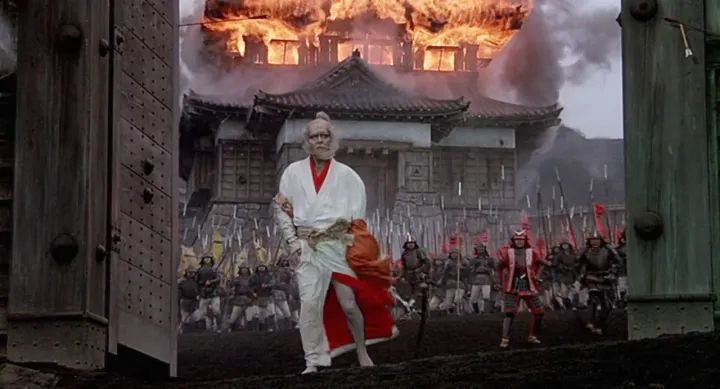
    • “Rashomon” (1950): Directed by Akira Kurosawa, this film blends samurai action with philosophical inquiry, offering multiple perspectives on a crime in feudal Japan.
    • “Sansho the Bailiff” (1954): Mizoguchi’s film is a heartbreaking tale of loss and endurance, focusing on the plight of commoners in feudal Japan.
    • “Yojimbo” (1961): Kurosawa’s subversive take on the samurai genre, featuring a rogue warrior who manipulates two warring factions.

    4. Themes in Jidaigeki Films

    Jidaigeki films often focus on honor, duty, and morality. These films portray characters, particularly samurai, who must navigate personal loyalty and social responsibility, often at great personal cost. Other common themes include:

    • Class Struggle: The tension between samurai, merchants, and peasants often serves as a backdrop for larger societal commentary.
    • Justice and Revenge: Stories of betrayal and revenge are common, as characters seek justice within the rigid structures of feudal Japan.
    • Romanticized Violence: The sword-fighting scenes in Jidaigeki films are highly stylized, emphasizing honor in battle.

    5. Jidaigeki’s Influence on Global Cinema

    The influence of Jidaigeki on global cinema, particularly through the works of Akira Kurosawa, is undeniable. Kurosawa’s Jidaigeki masterpieces such as “Seven Samurai” and “Yojimbo” have been remade as Western films like “The Magnificent Seven” (1960) and “A Fistful of Dollars” (1964).

    Cross-Cultural Impact:

    • The spaghetti Western genre in Italy borrowed heavily from Jidaigeki’s lone warrior archetypes.
    • Filmmakers like Quentin Tarantino and George Lucas have cited Kurosawa’s Jidaigeki films as major influences on their own works, particularly in terms of narrative structure and character development.

    6. Jidaigeki in Modern Japanese Cinema

    While Jidaigeki’s golden age may have been in the 1950s and 1960s, the genre remains relevant in contemporary Japanese cinema. Directors like Yoji Yamada and Takashi Miike have brought fresh perspectives to the genre, producing films that challenge traditional depictions of samurai and feudal society.

    Recent Examples:

    • “The Twilight Samurai” (2002): Directed by Yoji Yamada, this film offers an intimate portrayal of a low-ranking samurai trying to provide for his family, focusing on the personal struggles of individuals in a rapidly changing society.
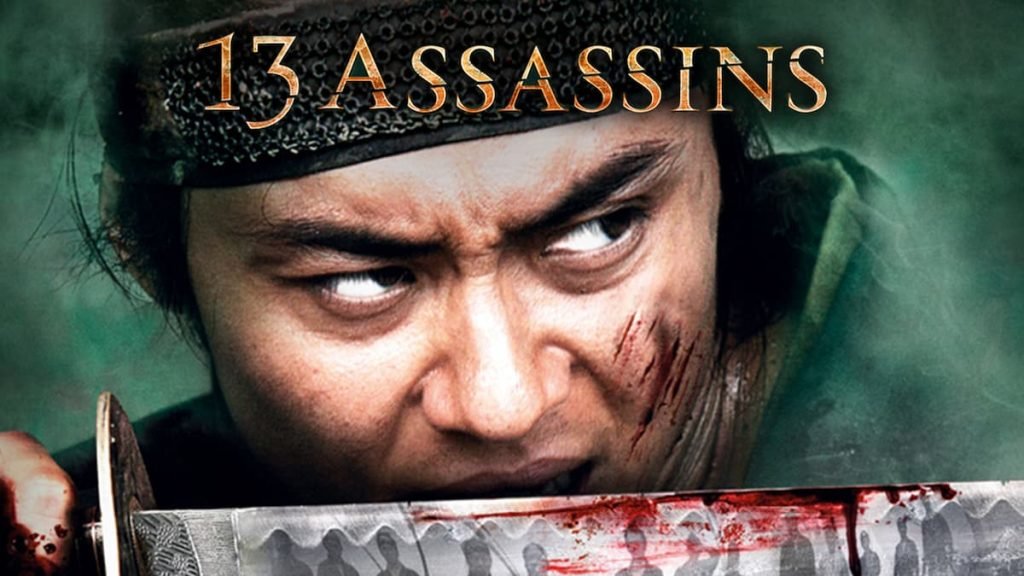
    • “13 Assassins” (2010): Takashi Miike’s film reinvigorated the genre with its intense action sequences and moral complexity, reintroducing Jidaigeki to modern audiences.

    7. The Legacy of Jidaigeki

    Jidaigeki continues to be a defining genre in Japanese cinema, offering viewers a window into the country’s feudal past. It preserves Japanese culture, tradition, and ethics, while also evolving to reflect contemporary concerns. Whether through classic films or modern reinterpretations, Jidaigeki remains a genre that resonates with both Japanese and international audiences.


    Conclusion

    The genre of Jidaigeki is an essential part of Japanese cinema, reflecting the country’s historical narratives and cultural values. From its roots in traditional theater to its global cinematic influence, Jidaigeki continues to captivate audiences with its rich storytelling and powerful visuals. The genre not only preserves Japan’s history but also offers timeless lessons on morality, honor, and the human condition.

  • Exploring Japanese Films Based on Manga

    Exploring Japanese Films Based on Manga

    Manga, the uniquely Japanese art form of comic books and graphic novels, has long been a source of inspiration for filmmakers. Many of Japan’s most successful and beloved films have been adapted from manga, bringing richly illustrated stories to life on the big screen. This article explores some of the most iconic and influential Japanese films based on manga, highlighting how filmmakers have transformed these illustrated narratives into captivating cinematic experiences.

    The Rise of Manga-to-Film Adaptations

    The transition from manga to film is not just about retelling a story. It involves a creative process where the visual language of manga is reimagined in motion, with sound and acting adding new layers to the story. Manga has given filmmakers access to a wealth of established stories, character designs, and fanbases, making these adaptations highly anticipated by both manga readers and filmgoers.

    Why Manga Makes Great Source Material

    Manga often features complex characters, imaginative worlds, and long, serialized stories that lend themselves well to film. The visual nature of manga also provides filmmakers with a strong foundation for crafting visually dynamic films. Moreover, the popularity of manga in Japan means that there is often a built-in audience eager to see their favorite stories adapted to the big screen.

    Iconic Films Based on Manga

    Over the years, many manga-to-film adaptations have become iconic in both Japan and globally. These films often preserve the core elements of the original manga while making use of the cinematic medium to enhance the storytelling.

    Akira (1988)

    One of the most famous examples of a manga-to-film adaptation is Akira, directed by Katsuhiro Otomo, who also authored the original manga. Set in a dystopian future Tokyo, Akira is a visually stunning and thematically complex film that explores issues of power, corruption, and identity. The film is widely regarded as a masterpiece of Japanese animation and has had a lasting influence on global pop culture, including inspiring Western filmmakers.

    Death Note (2006)

    Based on the popular manga series by Tsugumi Ohba and Takeshi Obata, Death Note was adapted into a live-action film in 2006. The story follows a high school student who gains the power to kill anyone whose name he writes in a supernatural notebook. The film remains faithful to the dark themes of the manga, focusing on morality, justice, and the corrupting influence of power.

    The Death Note franchise has continued to expand with multiple sequels, anime adaptations, and even a Hollywood-produced version, demonstrating the enduring appeal of this manga.

    Rurouni Kenshin (2012)

    Rurouni Kenshin, adapted from Nobuhiro Watsuki’s manga, is one of the most successful live-action manga films. Set in the Meiji era, the film follows a wandering swordsman with a dark past who vows never to kill again. The live-action adaptation captures the action-packed sword fights and emotional depth of the manga, making it a box-office hit and spawning multiple sequels.

    Oldboy (2003)

    While Oldboy is often associated with Korean cinema, it is based on the Japanese manga of the same name by Garon Tsuchiya and Nobuaki Minegishi. The 2003 film by Park Chan-wook became an international sensation for its intense plot and psychological depth, telling the story of a man mysteriously imprisoned for 15 years, only to be released and seek vengeance. Though the film takes liberties with the original manga, it remains a powerful adaptation that blends the source material’s dark themes with a unique cinematic vision.

    Anime vs. Live-Action: Two Approaches to Adaptation

    There are two main ways manga has been adapted to film: anime adaptations and live-action adaptations. Both offer different storytelling opportunities and challenges.

    Anime Adaptations

    Anime films often have an advantage in adapting manga because they can stay closer to the original art style. Many of the most successful manga-to-film adaptations, like Akira and Your Name (based on a manga adaptation), have been animated, allowing the filmmakers to directly translate the visual elements of the manga onto the screen. Animation also provides more flexibility in terms of portraying fantastical elements and action scenes.

    Live-Action Adaptations

    Live-action adaptations offer the opportunity to bring manga stories into a more realistic world, but they also face greater challenges. Directors need to carefully balance staying true to the source material while making the characters and settings believable in a live-action context. While some live-action adaptations like Rurouni Kenshin have been praised for their faithfulness and high production value, others have faced criticism for their casting choices or deviations from the manga’s tone and plot.

    Challenges in Adapting Manga to Film

    Despite the success of many manga-to-film adaptations, there are significant challenges involved in bringing these stories to the screen. One of the biggest challenges is condensing long-running manga series into a single film or a limited number of sequels. Manga often spans multiple volumes, with intricate plots and deep character development that can be difficult to capture within the constraints of a movie’s runtime.

    Another challenge is finding the right balance between honoring the source material and making necessary changes for the film medium. Fans of the original manga may have strong opinions about what should or shouldn’t be included in the film, which can put pressure on filmmakers to deliver an adaptation that satisfies both hardcore fans and new viewers.

    The Global Appeal of Manga-Based Films

    Manga-based films have found success not only in Japan but also internationally. The global popularity of manga and anime has created a demand for these adaptations, with films like Akira and Death Note gaining cult followings overseas. Streaming platforms have further increased the accessibility of these films, making it easier for international audiences to experience Japan’s unique visual storytelling.

    Hollywood’s Take on Manga Adaptations

    In recent years, Hollywood has also begun to explore manga adaptations, though with mixed results. Films like Alita: Battle Angel (2019) and Netflix’s Death Note (2017) have attempted to bring manga stories to a Western audience, with varying degrees of success. These adaptations often face criticism for straying too far from the source material or for casting choices that are perceived as misrepresenting the characters.

    Conclusion

    Japanese films based on manga have become a beloved genre, blending the visual beauty of manga with the immersive experience of cinema. Whether through anime or live-action adaptations, these films continue to capture the imagination of audiences in Japan and around the world. From iconic titles like Akira to live-action hits like Rurouni Kenshin, manga-based films offer a unique way to experience some of Japan’s most compelling stories.

  • How Samurai Films Shaped the Japanese Film Industry

    How Samurai Films Shaped the Japanese Film Industry

    Samurai films, or “chanbara” (sword-fighting films), have long been a cornerstone of Japanese cinema. With their focus on loyalty, honor, and the warrior code of bushido, these films have not only shaped Japan’s film industry but have also garnered worldwide recognition. This article explores how samurai films evolved, their influence on Japanese filmmaking, and their lasting impact on global cinema.


    1. The Origins of Samurai Films

    The roots of samurai films trace back to the silent film era of Japan in the early 20th century. Films like “The Life Story of Tasuke Shiobara” (1912), one of the earliest known samurai films, helped set the foundation for what would become a popular genre in Japanese cinema. These films were based on kabuki theater and traditional storytelling, blending history with action.

    Early Influences:

    • Traditional Japanese kabuki and noh theater inspired the dramatic tone and stylized action of early samurai films.
    • The genre helped define a cinematic tradition focused on themes of duty, honor, and the moral complexities faced by warriors.

    2. The Golden Age of Samurai Films

    The 1950s and 1960s marked the Golden Age of Samurai Cinema, with directors such as Akira Kurosawa, Kenji Mizoguchi, and Masaki Kobayashi producing some of the most iconic films of the genre. Kurosawa’s “Seven Samurai” (1954) is often credited with revolutionizing not only samurai films but also action cinema globally.

    Key Films of the Era:

    • “Seven Samurai” (1954): Kurosawa’s masterpiece introduced innovative action choreography, character depth, and dramatic storytelling.
    • “Harakiri” (1962): Directed by Masaki Kobayashi, this film critiqued the rigid honor code of the samurai class and is seen as a subversive take on the genre.
    • “Ugetsu” (1953): Mizoguchi’s samurai tale blended the supernatural with the struggles of the warrior class, offering a poetic and haunting portrayal of feudal Japan.

    3. The Samurai Hero and Japanese National Identity

    The samurai film played a crucial role in shaping Japan’s national identity post-World War II. With Japan’s loss in the war and the subsequent occupation, samurai films became a medium through which filmmakers reflected on Japan’s cultural heritage, using samurai values to engage with the country’s evolving identity in the modern world.

    Cultural Reflection:

    • The bushido code, emphasizing honor, duty, and loyalty, mirrored Japan’s attempt to rebuild its national pride after the war.
    • Samurai films provided a bridge between the country’s feudal past and its modern aspirations, showcasing how traditional values could adapt to new societal structures.

    4. Influence on Modern Japanese Cinema

    Samurai films laid the groundwork for many modern genres in Japanese cinema, such as yakuza films and historical epics. The character archetypes, moral dilemmas, and action choreography developed in classic samurai films carried over to contemporary genres, influencing everything from gangster films to anime.

    Genre Legacy:

    • The yakuza film genre owes much to samurai films, with similar themes of loyalty, honor, and complex moral codes.
    • Anime series like “Rurouni Kenshin” and films like “Sword of the Stranger” (2007) directly draw on samurai film traditions, keeping the genre’s legacy alive for new audiences.

    5. Global Impact and Cross-Cultural Influence

    While samurai films helped define Japanese cinema, their impact extends far beyond Japan. Western filmmakers, particularly in Hollywood, have drawn heavily from the samurai genre, with films like “The Magnificent Seven” (1960) and “A Fistful of Dollars” (1964) serving as remakes of Kurosawa’s “Seven Samurai” and “Yojimbo”. The fusion of Western and Eastern storytelling in samurai films created a new global cinematic language.

    Key Influences:

    • Spaghetti Westerns: Directors like Sergio Leone adapted samurai films into Western settings, blending the stoic, lone warrior archetype with the frontier outlaw.
    • George Lucas’s “Star Wars”: The Jedi, with their philosophy and disciplined combat techniques, are influenced by the samurai, and “The Hidden Fortress” (1958) inspired the structure of “Star Wars” (1977).

    6. The Samurai Genre’s Revival in Contemporary Japanese Cinema

    Though the popularity of samurai films waned in the late 20th century, the genre has seen a revival in modern times. Films like “13 Assassins” (2010) and “The Twilight Samurai” (2002) have reinvigorated the genre by offering a more nuanced and emotional portrayal of the samurai.

    Modern Samurai Films:

    • “The Twilight Samurai” (2002): This film focuses on a lower-ranking samurai and presents a personal, intimate look at his life, moving away from the grand, action-heavy epics of the past.
    • “13 Assassins” (2010): Directed by Takashi Miike, this film brought back the large-scale battle sequences and moral dilemmas of traditional samurai films, showing that the genre can still captivate contemporary audiences.

    Conclusion

    Samurai films have profoundly shaped the Japanese film industry, influencing not only the development of Japanese cinema but also global filmmaking. From their roots in silent films to their revival in modern times, samurai films continue to be a vital part of Japan’s cinematic identity. Through timeless themes of honor, duty, and the human condition, these films remain culturally significant, ensuring the legacy of the samurai lives on in both Japan and the world of cinema.

  • The Beauty of Japanese Storytelling Through Visuals

    The Beauty of Japanese Storytelling Through Visuals

    Japanese storytelling has long been celebrated for its rich visual language, where images speak as powerfully as words. From the intricate art of woodblock prints to the captivating scenes of anime and live-action films, Japan’s visual storytelling offers a distinct and profound way of communicating emotions, cultural values, and narratives. This article explores how Japanese filmmakers and artists use visuals to craft deeply immersive stories that resonate across cultures.

    Visual Symbolism in Japanese Cinema

    Japanese cinema often uses visual elements as symbols, conveying deeper meanings beyond the surface. Directors like Akira Kurosawa and Yasujiro Ozu have mastered the art of visual storytelling, where every shot and every frame carries symbolic weight.

    Nature as a Metaphor

    In many Japanese films, nature plays a central role in conveying mood and theme. For instance, Kurosawa often used weather elements like rain, wind, and fog to intensify the emotional landscape of his films. In Rashomon (1950), rain serves as a metaphor for chaos and moral ambiguity, while in Seven Samurai (1954), rain-soaked battle scenes amplify the tension and brutality of the fight.

    Similarly, in Yasujiro Ozu’s films, the changing seasons often symbolize the passage of time and life’s impermanence. His use of still shots featuring landscapes or empty rooms emphasizes the subtle transitions in his characters’ lives, allowing the visuals to reflect the emotional undercurrents of the narrative.

    The Art of Minimalism

    Minimalism is a hallmark of Japanese visual storytelling, where simplicity allows for deeper emotional impact. Rather than relying on grandiose visuals or complex sets, Japanese filmmakers and artists focus on the essential elements of a scene, letting quiet moments speak volumes.

    Silent Spaces and Stillness

    Ozu’s Tokyo Story (1953) is a perfect example of this minimalist approach. The film features long, static shots of everyday moments, such as a family sitting together or a child walking through a house. These moments of stillness and silence invite the viewer to reflect on the unspoken emotions of the characters, creating a deep sense of intimacy and poignancy.

    In anime, minimalism can be seen in works like My Neighbor Totoro (1988), where director Hayao Miyazaki uses quiet scenes of nature and simple character interactions to evoke a sense of nostalgia and wonder. The beauty of these scenes lies in their simplicity, drawing viewers into the story’s emotional core without overwhelming them with visual complexity.

    The Use of Color

    Color plays a significant role in Japanese storytelling, often used to evoke specific emotions or highlight important themes. Filmmakers and animators use color to create striking contrasts and build atmosphere, enhancing the emotional depth of the story.

    Color in Anime

    In Spirited Away (2001), Miyazaki uses vibrant colors to differentiate between the human world and the spirit world. The bright reds, greens, and blues of the bathhouse where the protagonist, Chihiro, works create a sense of wonder and magic, while the muted tones of the real world reflect the mundane nature of her everyday life. The contrast between these two worlds highlights Chihiro’s journey of self-discovery and transformation.

    Monochrome Mastery in Samurai Films

    In black-and-white samurai films like Yojimbo (1961) and The Sword of Doom (1966), the absence of color emphasizes the stark moral choices faced by the characters. The use of shadow and light becomes more pronounced, creating a visually dramatic experience that heightens the tension and emotional intensity of the story.

    Pacing and Time as Visual Tools

    Japanese filmmakers often use pacing and the passage of time as visual tools to shape the storytelling experience. Slow, deliberate pacing allows the viewer to fully immerse in the scene, absorbing the emotions and details that may otherwise be overlooked in a faster-paced narrative.

    Slow Cinema in Japanese Films

    In films like Still Walking (2008) by Hirokazu Kore-eda, the slow pacing mirrors the rhythms of everyday life, allowing moments of silence, contemplation, and reflection to unfold naturally. This deliberate pacing reflects the Japanese cultural appreciation for patience, quietude, and observation, offering a meditative viewing experience.

    Blending Traditional and Modern Visual Styles

    Japanese visual storytelling often bridges the traditional and the modern, blending ancient artistic techniques with contemporary mediums like anime and digital film. This fusion of old and new creates a dynamic storytelling style that feels both timeless and innovative.

    Influence of Ukiyo-e on Modern Visuals

    The traditional art of ukiyo-e woodblock prints, with its bold lines, flat perspectives, and use of negative space, has deeply influenced modern Japanese animation and graphic design. Anime series like Samurai Champloo (2004) and films like The Tale of the Princess Kaguya (2013) pay homage to this artistic tradition, using similar visual techniques to craft scenes of stunning beauty.

    Cyberpunk Aesthetics in Japanese Sci-Fi

    In contrast, films like Ghost in the Shell (1995) and Akira (1988) represent the modern, futuristic side of Japanese storytelling. The neon-lit urban landscapes and cyberpunk aesthetics of these films reflect Japan’s engagement with modernity, technology, and the anxieties of a rapidly changing world. These visual elements create a distinct narrative tone that merges traditional themes of identity and morality with contemporary concerns about technology and humanity.

    Conclusion

    The beauty of Japanese storytelling through visuals lies in its ability to communicate complex emotions, themes, and narratives through images. Whether it’s the symbolic use of nature, the minimalist framing of a scene, or the vibrant colors of anime, Japanese filmmakers and artists have mastered the art of visual storytelling. By prioritizing imagery over dialogue and using pacing, symbolism, and color, they create stories that resonate deeply with audiences around the world.