Category: Japanese Music

  • Best Japanese Music Genres to Explore

    Best Japanese Music Genres to Explore

    Japanese music has a rich and diverse history, blending modern innovation with deep-rooted traditions. From catchy pop hits to soul-stirring traditional melodies, the music scene in Japan offers something for everyone. Whether you’re a fan of upbeat tunes or curious about the country’s cultural sounds, you’ll want to dive into the best Japanese music genres that showcase the variety and creativity of Japanese artists. Let’s take a closer look at the most popular genres to explore.

    1. J-pop (Japanese Pop)

    The Sound of Modern Japan

    J-pop, short for Japanese pop, is one of the most globally recognized music genres from Japan. Known for its catchy melodies, upbeat rhythms, and idol-driven performances, J-pop has taken the world by storm. Influenced by American pop and rock, J-pop blends Western musical styles with distinct Japanese elements, creating a sound that’s both familiar and fresh.

    Top J-pop Artists

    If you’re new to J-pop, artists like Hikaru Utada, Arashi, and Perfume are great places to start. These performers have shaped the genre with their chart-topping hits and impressive stage presence. Whether you’re into electronic sounds, dance-pop, or ballads, J-pop has a wide range of styles to explore. Fans of mainstream pop music will find J-pop’s vibrant and polished sound incredibly appealing.

    two men playing best Japanese music genre
    Best Japanese Music Genres to Explore

    2. Enka

    A Journey Into Traditional Japanese Ballads

    For those who want to explore Japan’s musical roots, Enka offers a deep, emotional experience. Enka is a traditional ballad style that emerged in the early 20th century and remains popular with older generations. Often characterized by its emotional lyrics, melancholy melodies, and the use of vibrato in singing, Enka reflects Japan’s cultural history and sentiments.

    Modern Enka Artists

    While Enka may seem old-fashioned to some, it continues to thrive with artists like Jero and Sachiko Kobayashi, who mix the genre’s traditional elements with modern influences. If you’re interested in exploring the intersection of Japanese folk music and modern trends, Enka provides a heartfelt and timeless experience.

    3. J-rock (Japanese Rock)

    High Energy and Passion

    J-rock, or Japanese rock, is another popular genre that has captivated audiences both in Japan and internationally. With bands blending traditional rock instruments with elements of punk, metal, and alternative styles, J-rock offers a high-energy, guitar-driven sound that’s perfect for rock enthusiasts.

    Must-Listen J-rock Bands

    Bands like One Ok Rock, X Japan, and The Gazette have made a significant impact on the genre. Whether you’re into hard rock, alternative, or something more experimental, J-rock delivers a mix of intensity, emotion, and musical skill. This genre is perfect for those who enjoy powerful instrumentals and dynamic performances.

    4. J-hip hop

    The Rise of Japan’s Hip Hop Scene

    J-hip hop has been growing steadily over the past few decades, with a mix of underground and mainstream appeal. This genre blends Japanese language and culture with the beats and rhythms of American hip hop. It has found a unique voice, addressing themes like urban life, identity, and social issues.

    Popular J-hip hop Artists

    If you want to get into J-hip hop, artists like Nujabes, Rip Slyme, and Creepy Nuts are essential listening. Nujabes, in particular, became internationally known for his fusion of hip hop and jazz, influencing a new wave of hip hop lovers worldwide. J-hip hop offers smooth beats, clever wordplay, and a different take on the global hip hop movement.

    5. Koto Music

    Traditional Japanese Instrumental Sounds

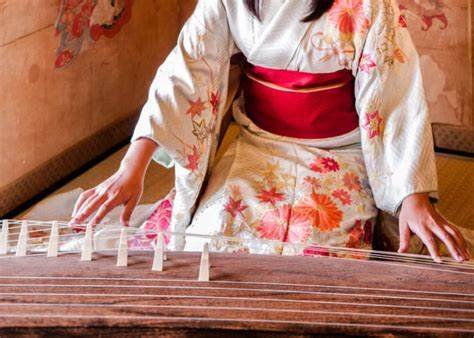
    For those interested in the classical side of Japanese music, Koto music highlights the beauty of traditional Japanese instruments. The Koto is a stringed instrument with a gentle, calming sound, often used in traditional Japanese music performances. Koto music can transport listeners to the tranquil and meditative side of Japan’s cultural history.

    Modern Koto Performers

    Although Koto music is deeply traditional, it has been embraced by modern artists who mix it with contemporary genres like jazz and electronic music. Performers such as Yoshida Brothers blend traditional instruments like the Koto with modern styles, creating a unique and immersive listening experience. Exploring Koto music offers a peaceful, reflective journey into Japan’s musical traditions.

    Creativity Meets Digital Excitement

    Music and entertainment share a common goal — evoking emotion and joy. In that spirit, platforms like aus casino capture excitement in a fresh digital format. They combine design, rhythm, and energy to keep users engaged. It’s creativity that hits all the right notes.

    Conclusion

    From the upbeat rhythms of J-pop to the soulful melodies of Enka and the powerful energy of J-rock, Japan’s music scene offers a wide variety of sounds to explore. The best Japanese music genres showcase the country’s rich musical heritage while embracing modern influences, making it a thrilling and diverse landscape for music lovers. Whether you’re a fan of pop, rock, hip hop, or traditional sounds, there’s something in Japanese music for everyone. So, why not dive in and discover the incredible world of Japanese music today?

    Explore More Entertainment Options

    If you’re looking for some exciting entertainment after a day of music creation, why not try out gambling360.com casino? It offers a wide variety of casino games, perfect for unwinding and enjoying some thrilling moments. Whether you’re into slots, poker, or other games, there’s something for everyone. Enjoy a safe and fun gaming experience at gambling360.com while you take a break from music-making!

  • Best Japanese Music Soundtracks in Anime

    Best Japanese Music Soundtracks in Anime

    Anime and music are a perfect blend, and the soundtracks of Japanese anime play a significant role in enhancing the overall experience. From epic battles to emotional moments, the best Japanese music soundtracks have the ability to captivate audiences, intensifying the impact of each scene. Let’s explore some of the most iconic and memorable anime soundtracks that have left a lasting mark on fans worldwide.

    1. Cowboy Bebop

    A Jazz-Inspired Masterpiece

    When discussing the best Japanese music soundtracks, Cowboy Bebop instantly comes to mind. The show’s music, composed by the legendary Yoko Kanno and performed by the band The Seatbelts, is heavily inspired by jazz, blues, and rock. Its dynamic soundtrack perfectly complements the series’ neo-noir, space-western aesthetic.

    Standout Track: “Tank!”

    The opening theme, “Tank!,” is one of the most iconic anime tracks, with its high-energy jazz arrangement and big-band feel. It’s the perfect introduction to the fast-paced world of bounty hunters in Cowboy Bebop, setting the tone for the action-packed episodes to follow.

    L’excellence du son et la qualité des jeux

    Le niveau de qualité dans la production audio et musicale est élevé, un standard qui se reflète dans les meilleures plateformes de divertissement en ligne qui offrent une expérience utilisateur supérieure. Les passionnés de son et de jeux peuvent Profitez d’une large sélection de jeux de casino en ligne sur La Riviera Casino pour une expérience immersive.

    2. Attack on Titan

    Epic and Intense Music for an Action-Packed Series

    The soundtrack for Attack on Titan, composed by Hiroyuki Sawano, is renowned for its grand, cinematic quality. Blending orchestral arrangements with electronic and rock elements, the music intensifies the show’s themes of survival and war. Every episode is enhanced by these powerful compositions, making it a must-experience for fans of high-energy soundtracks.

    Standout Track: “Guren no Yumiya”

    One of the most memorable tracks is the opening theme, “Guren no Yumiya” by Linked Horizon. This song instantly grabs your attention with its strong, militaristic beats and powerful vocals, setting the stage for the intense battles to come. The song has become an anthem for the series and remains a fan favorite.

    3. Spirited Away

    Enchanting and Emotional Melodies

    The soundtrack for Spirited Away, composed by Joe Hisaishi, is a beautiful collection of delicate, emotional pieces. It perfectly complements the film’s magical, mysterious world. Notably, Hisaishi’s long collaboration with Studio Ghibli and director Hayao Miyazaki has made his music the backbone of many beloved anime films. After enjoying the enchanting melodies, you might also want to try your luck at Wolf Winner’s online roulette for a fun way to add some excitement to your day. Visit this URL https://www.wolfwinner.fun/en/online-roulette for more info.

    Standout Track: “One Summer’s Day”

    “One Summer’s Day” is one of the standout tracks from the Spirited Away soundtrack. Its gentle piano melody evokes feelings of nostalgia, wonder, and serenity, perfectly capturing the essence of the film. More so, this piece is a prime example of how music can evoke deep emotions and add layers to storytelling.

    Best Japanese Music Soundtracks in Anime
    Best Japanese Music Soundtracks in Anime

    4. Naruto

    Nostalgic and Heartfelt Themes

    The music of Naruto holds a special place in the hearts of fans. Composed by Toshio Masuda, the soundtrack blends traditional Japanese instruments with modern elements, creating a distinct atmosphere that reflects the journey of the young ninja. Whether it’s an emotional moment or an intense battle, the soundtrack enhances every scene.

    Standout Track: “Sadness and Sorrow”

    One of the most emotional tracks in the Naruto series is “Sadness and Sorrow.” This gentle, melancholic piece is often played during heartfelt moments in the show, evoking feelings of loss, determination, and growth. It has become synonymous with Naruto’s journey and has touched the hearts of fans worldwide.

    5. Your Name (Kimi no Na wa)

    A Modern Hit with a Pop Rock Influence

    The music in Your Name, composed by the band RADWIMPS, became an instant hit when the film was released. The soundtrack perfectly blends pop, rock, and orchestral elements, adding to the emotional depth of the film’s beautiful narrative about love, time, and destiny.

    Standout Track: “Zenzenzense”

    “Zenzenzense,” one of the most popular tracks from the film, is an upbeat, rock-infused song that energizes the audience while also capturing the youthful essence of the characters. Additionally, the song’s catchy melody and emotional lyrics made it a massive hit, propelling the soundtrack to global success.

    6. Neon Genesis Evangelion

    A Haunting and Complex Score

    Neon Genesis Evangelion, a groundbreaking anime in both storytelling and music, features a soundtrack composed by Shiro Sagisu. The music in this series is known for its eerie, orchestral arrangements that heighten the psychological drama and philosophical themes of the show.

    Standout Track: “A Cruel Angel’s Thesis”

    The opening theme, “A Cruel Angel’s Thesis,” is one of the most iconic anime songs ever. With its upbeat tempo and strong vocals, it sharply contrasts the dark, complex themes of the series. This unforgettable track stays with viewers long after the show ends.

    Conclusion

    In conclusion, the best Japanese music soundtracks have the power to transform anime from a visual experience to an emotional journey. Whether it’s the jazzy sounds of Cowboy Bebop, the epic orchestral scores of Attack on Titan, or the nostalgic melodies of Spirited Away, these soundtracks leave a lasting impression on both the story and the audience. More so, they enhance the emotions, tension, and beauty of each scene, creating unforgettable moments that live on long after the credits roll. So, if you’re looking for a captivating mix of music and storytelling, these anime soundtracks are the perfect starting point!

  • The Rise of J-Pop and Its Global Impact

    The Rise of J-Pop and Its Global Impact

    J-Pop, or Japanese pop music, has become a worldwide sensation. Over the past few decades, it has grown from a domestic genre into a global phenomenon. This rise is due to several factors, including its unique style, catchy melodies, and cultural significance. In this article, we will explore how J-Pop developed and its far-reaching impact across the globe.

    The Beginnings of J-Pop

    J-Pop originated in Japan in the 1960s, heavily influenced by Western rock and pop music. During this time, Japanese artists began incorporating Western instruments, rhythms, and vocal techniques into their songs. The result was a new sound that appealed to young Japanese audiences.

    As Japan embraced modernization, so did its music. The introduction of television further spread J-Pop’s influence, with idols becoming household names. These early pop stars helped shape the foundation of J-Pop, giving rise to the idol culture that still dominates today.

    The Idol Culture and Its Influence

    One of the unique elements of J-Pop is the idol culture. Idols are young singers, often groomed by talent agencies, who build a massive fan base through their performances, appearances, and social media presence. These idols are more than just singers. They serve as role models, and fans follow them closely.

    Idol groups like AKB48 and Morning Musume became icons, not just in Japan but also abroad. They introduced the concept of fan interactions and frequent performances. This deep connection with their audience set J-Pop apart from other music industries.

    The Global Expansion of J-Pop

    In the 1990s, J-Pop began expanding beyond Japan, attracting international audiences. Artists like Namie Amuro and Hikaru Utada gained popularity worldwide, especially in Asia and the United States. Their music was different from what global listeners had heard before, blending Japanese traditions with modern pop elements.

    With the rise of the internet, international fans gained easier access to J-Pop through online platforms. This allowed global listeners to discover Japanese artists and follow their favorite idols. In addition, anime played a significant role in introducing J-Pop to international audiences. Many anime shows feature J-Pop soundtracks, and fans often associate these catchy tunes with their favorite shows.

    The Role of Technology in J-Pop’s Global Success

    Technology played a major role in J-Pop’s global rise. Streaming platforms like YouTube and Spotify allowed international fans to access Japanese music easily. This digital presence made it easier for artists to break into foreign markets. For example, Perfume, a J-Pop trio known for their electronic pop sound, gained a strong international following by embracing online platforms and performing at global events.

    Social media has also contributed to the growth of J-Pop worldwide. Artists can now engage directly with international fans through platforms like Twitter and Instagram. This connection strengthens the global fanbase, making it easier for J-Pop to spread beyond Japan.

    J-Pop’s Influence on Global Music Trends

    J-Pop has not only gained global popularity but also influenced music trends worldwide. Its unique style, blending traditional Japanese elements with Western pop, has inspired artists in other countries. Furthermore, the idol culture has influenced the development of similar phenomena in other countries, such as K-Pop in South Korea.

    Collaborations between Japanese artists and global stars have become more frequent. For example, BTS, a K-Pop sensation, has worked with Japanese artists and released Japanese-language albums. These collaborations bridge cultural gaps and introduce J-Pop to even more listeners worldwide.

    The Rise of J-Pop and Its Global Impact
    The Rise of J-Pop and Its Global Impact

    The Future of J-Pop in the Global Scene

    J-Pop shows no signs of slowing down. As more artists embrace global platforms and collaborations, the genre will likely continue to grow internationally. Furthermore, with the popularity of anime and Japanese pop culture, J-Pop remains closely tied to these cultural exports, keeping it relevant in the global entertainment industry.

    Looking ahead, J-Pop’s global impact will continue to expand. New artists, especially those leveraging social media and global platforms, will help J-Pop reach new heights. The future of Japanese pop music looks promising, and its influence on global music trends will likely keep growing.

    Discover New Entertainment at MoosicLab

    MoosicLab offers great music-related content, but for those looking to try their luck, there’s more to explore. Visit jokacasino online casino for an exciting selection of casino games. It’s the perfect blend of fun and excitement!

    Discover the Latest in Music Technology

    MoosicLab dives deep into the world of music innovation, exploring new tools, sounds, and trends shaping the industry. From experimental compositions to the latest gear reviews, it’s a hub for modern music lovers. For a different kind of digital entertainment, explore an online casino in usa and enjoy the thrill of gaming from home.

    Exploring Rhythmic Creativity

    At MoosicLab, we’re passionate about rhythm, innovation, and unique experiences that inspire sound creation.
    Whether you’re mixing beats or experimenting with new genres, creativity can come from the most unexpected sources.
    Taking a moment to unwind with something engaging like online roulette real money can offer just the spark your musical mind needs.
    It’s all about finding your flow — both in music and in play.

    MoosicLab – Music Production & Education

    MoosicLab.com offers music production tutorials, recording tips, and educational resources for musicians. Visitors can also enjoy horse racing for online interactive fun. It merges musical learning with entertainment options.

    Conclusion

    The rise of J-Pop from a domestic genre to a global phenomenon shows how music can transcend borders. Its unique blend of modern pop with Japanese cultural elements has captivated fans around the world. From the idol culture to its digital presence, J-Pop’s global impact continues to grow, influencing global music trends. As J-Pop evolves, its influence on the global music scene will remain strong.

  • How Traditional Japanese Music Is Preserved

    How Traditional Japanese Music Is Preserved

    Traditional Japanese music holds deep cultural significance. Even with modern influences, Japan has found ways to preserve these ancient sounds. Through careful preservation efforts, traditional music remains a vital part of the country’s identity. In this article, we explore how traditional Japanese music continues to thrive in modern times.

    Cultural Education and Festivals

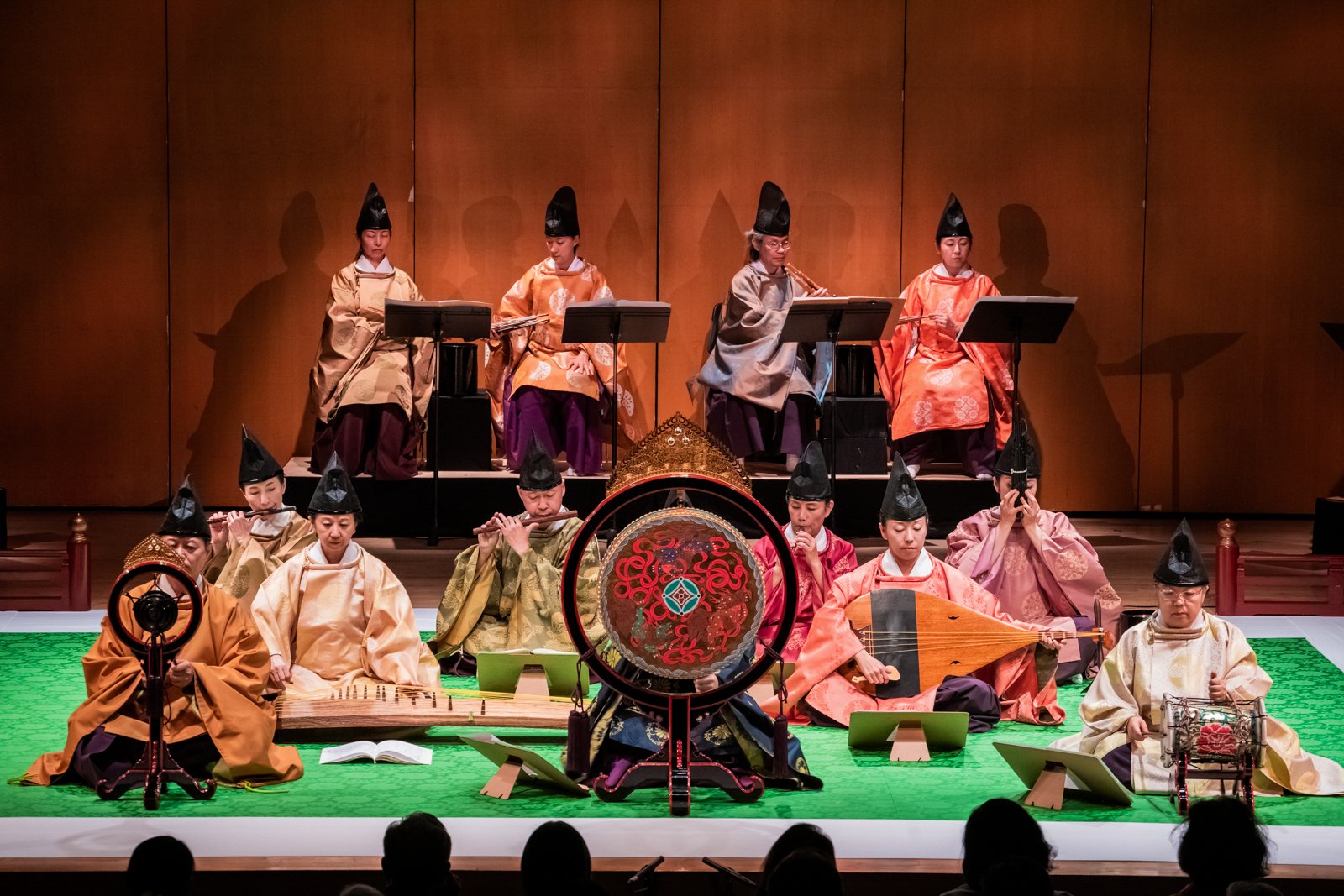
    One of the most important ways to preserve traditional Japanese music is through education. Schools and cultural institutions teach young people about ancient musical forms like gagaku and noh. These ancient styles, known for their slow, graceful rhythms, are taught as part of Japan’s cultural heritage.

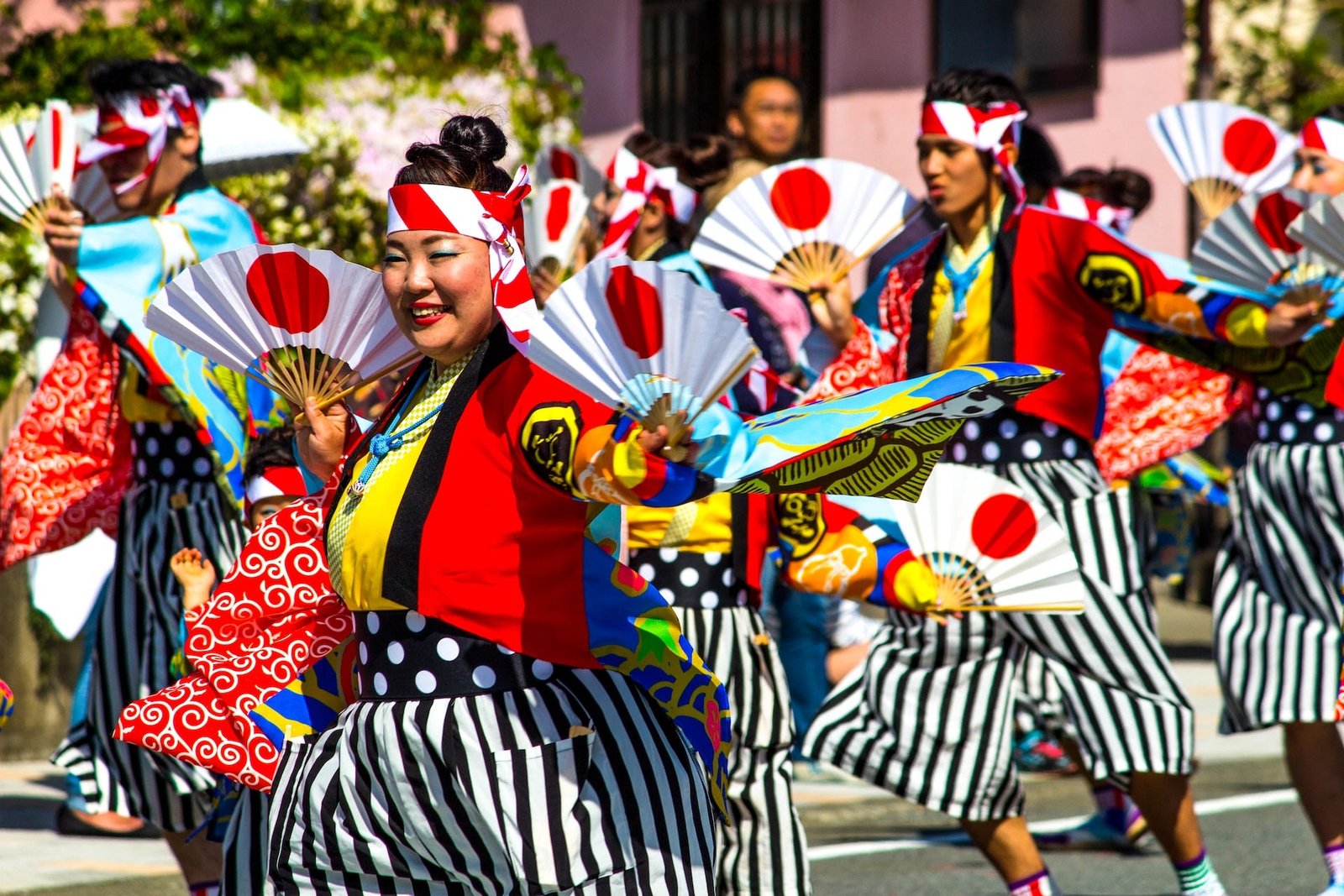
    Furthermore, festivals play a key role in keeping traditional music alive. Events like the Gion Matsuri in Kyoto feature performances of traditional instruments, such as the taiko drum and shamisen. These festivals draw large crowds, both local and international, helping to spread awareness about traditional music.

    The Role of Master Musicians

    Traditional Japanese music also survives thanks to master musicians. These artists dedicate their lives to perfecting ancient instruments like the koto and biwa. Master musicians often pass down their knowledge through apprenticeships. In this way, the art of traditional music is passed from one generation to the next.

    Moreover, many of these musicians perform at cultural events and concert halls, keeping the music relevant to modern audiences. Their dedication ensures that traditional sounds remain a part of Japan’s cultural landscape.

    Preservation Through Technology

    Technology has become a powerful tool in preserving traditional Japanese music. Recordings of performances are easily shared online, reaching audiences worldwide. Platforms like YouTube and music streaming services offer listeners access to traditional sounds, even if they live far from Japan.

    In addition, digital archives have been created to store rare recordings of ancient performances. This ensures that future generations will have access to traditional music. Technology not only makes preservation easier but also spreads awareness of these cultural treasures.

    Enjoy Creative Breaks Online

    After exploring the latest in music and audio projects, users can relax and have fun with stellarspins Homepage, offering an engaging and interactive online experience.

    Collaboration with Modern Music

    Another way traditional Japanese music stays relevant is through collaborations with modern music. Contemporary artists often blend traditional instruments with modern sounds, creating a unique fusion. This allows younger audiences to experience traditional music in a new, exciting way.

    For example, Japanese pop and rock artists sometimes incorporate instruments like the shakuhachi flute into their songs. This fusion of old and new keeps traditional sounds alive in a rapidly changing world. Collaborations also introduce traditional music to fans of modern genres, expanding its reach.

    Government and Cultural Support

    Government support plays a significant role in preserving traditional Japanese music. Cultural agencies provide funding for preservation projects, festivals, and educational programs. These efforts help ensure that traditional music receives the attention and resources it needs to survive.

    Additionally, national treasures such as ancient instruments are carefully maintained by cultural organizations. Museums and cultural centers also offer exhibits on traditional Japanese music, allowing visitors to learn more about the country’s musical history.

    How Traditional Japanese Music Is Preserved
    How Traditional Japanese Music Is Preserved

    betting sites usa

    Music creators exploring new rhythms often enjoy platforms that inspire creativity, and some also look for ways to unwind after long studio sessions. For those interested in strategic entertainment, betting sites usa offer a range of options to explore. This complements the artistic atmosphere by giving users engaging ways to relax. The key is finding trusted platforms that deliver both excitement and reliability.

    The Impact of Global Interest

    Finally, the global interest in Japanese culture has boosted efforts to preserve traditional music. As Japanese culture gains popularity worldwide, many international enthusiasts seek to learn about its ancient musical forms. This has led to an increase in demand for traditional music performances and lessons, both in Japan and abroad.

    The growing global audience ensures that traditional Japanese music remains relevant in the modern era. International festivals featuring Japanese music attract tourists from all over the world, helping to promote and preserve this cultural heritage.

    Music, Creativity, and Interactive Entertainment

    Moosic Lab celebrates music innovation, offering artists and listeners a platform to explore new sounds and creative expressions. Similarly, jackpotjillvip Homepage provides an engaging online space where users can enjoy interactive entertainment experiences. Both platforms focus on creativity, engagement, and delivering memorable experiences to their audiences. Whether discovering music or digital games, the goal is to inspire and captivate users through immersive experiences.

    Conclusion: Tradition Meets Modernity

    Traditional Japanese music has not been lost in the modern world. Through education, festivals, technology, and collaborations with modern music, Japan continues to preserve these ancient sounds. With support from master musicians, cultural institutions, and global fans, traditional Japanese music remains an important part of Japan’s cultural identity.

    The ongoing efforts to preserve traditional music highlight Japan’s commitment to honoring its cultural roots. As the world becomes more connected, traditional Japanese music will continue to influence and inspire listeners worldwide.

  • The Evolution of Japanese Rock

    The Evolution of Japanese Rock

    Japanese rock music has undergone significant transformation since its early days. From the pioneering sounds of the 1960s to the diverse and vibrant scene today, Japanese rock has influenced and been influenced by global trends. This article explores the evolution of Japanese rock, highlighting iconic bands and modern influences that shape the genre.

    Early Beginnings and Iconic Bands

    Japanese rock began to take shape in the 1960s. Influenced by Western rock and roll, bands like The Ventures and The Tigers introduced new sounds to Japan. The Tigers, in particular, became a pioneering force in Japanese rock. Their energetic performances and catchy tunes set the stage for future rock bands in Japan.

    As Japanese rock continued to evolve, bands like Happy End emerged in the early 1970s. Happy End blended rock with traditional Japanese music, creating a unique sound. Their innovative approach laid the groundwork for the development of Japanese rock and inspired countless bands.

    The Rise of Alternative and Punk Rock

    The 1980s marked a significant shift in Japanese rock with the rise of alternative and punk rock. Bands like The Blue Hearts brought a fresh, rebellious edge to the genre. Their energetic performances and socially conscious lyrics resonated with a new generation of fans. The Blue Hearts’ influence extended beyond Japan, shaping punk rock scenes worldwide.

    In addition, the 1980s saw the emergence of bands like Shonen Knife. Known for their catchy melodies and quirky lyrics, Shonen Knife gained international recognition. Their playful approach to rock music helped popularize Japanese rock outside Japan and introduced global audiences to the genre.

    Rhythm, Focus, and Strategy in Creative Spaces

    Moosic Lab thrives on innovation, creativity, and the pursuit of perfect timing—qualities that also define engaging strategy games. Platforms like https://www.jokacasino.me/online-blackjack offer an entertaining digital space where strategic thinking and timing are key. Just like composing or performing music, success relies on rhythm, concentration, and smart choices. It’s a creative synergy that blends leisure with mental engagement.

    The Impact of Visual Kei

    In the 1990s, the visual kei movement revolutionized Japanese rock. Bands like X Japan and Luna Sea combined rock music with elaborate costumes and theatrical performances. Visual kei became known for its dramatic aesthetics and musical diversity. The movement’s influence extended globally, with bands gaining international fans and recognition.

    X Japan, in particular, played a crucial role in the global spread of Japanese rock. Their fusion of rock, metal, and classical music created a unique sound that captivated audiences worldwide. X Japan’s success opened doors for other Japanese rock bands to reach international stages.

    Explore Musical Innovations

    Discover the creative tools and resources offered by Moosic Lab for music enthusiasts and professionals. For individuals who may have an interest in exploring online entertainment options and finding information about where to play at a real money casino in Canada, external resources are available for informational purposes.

    Modern Influences and Genres

    Today, Japanese rock continues to evolve with modern influences and diverse genres. Bands like ONE OK ROCK and RADWIMPS have gained international acclaim. ONE OK ROCK’s energetic rock sound and powerful live performances have resonated with fans globally. Their collaborations with Western artists have further expanded their reach.

    RADWIMPS, known for their eclectic style, gained widespread recognition with their work on the film Your Name. Their ability to blend rock with other genres, such as electronic and orchestral music, showcases the versatility of modern Japanese rock. RADWIMPS’ success demonstrates the genre’s continued relevance and global appeal.

    The Evolution of Japanese Rock
    The Evolution of Japanese Rock

    Rhythm, Innovation, and Digital Leisure

    MoosicLab celebrates artistic innovation, blending sound, technology, and creativity to redefine modern music experiences. As creators explore new rhythms and compositions, downtime can also inspire fresh ideas. Engaging in digital entertainment like online roulette offers a fun and interactive break that complements the creative process. Just like music, it’s all about flow, intuition, and timing.

    The Influence of Technology and Global Trends

    Technology has played a significant role in shaping modern Japanese rock. Social media and streaming platforms have allowed Japanese rock bands to reach international audiences more easily. This increased visibility has led to collaborations with global artists and greater exposure for Japanese rock.

    Furthermore, global trends have influenced Japanese rock music. Bands incorporate elements from various genres, including electronic, hip-hop, and metal. This blending of styles reflects the genre’s adaptability and openness to new influences.

    Exploring Soundscapes and Entertainment

    Moosic Lab provides innovative tools and resources for music creation and exploration. Just as you delve into the world of sound, you might also seek engaging online entertainment, and for those interested in virtual gaming experiences, casino australia offers a variety of options. After composing your next masterpiece, consider exploring their digital platform for a different kind of immersive experience. Remember to engage responsibly and enjoy the diverse forms of leisure available.

    Conclusion: The Dynamic Evolution of Japanese Rock

    Japanese rock has evolved from its early roots into a dynamic and diverse genre. Iconic bands from the 1960s and 1970s laid the foundation, while alternative and visual kei movements shaped its development. Modern influences and technological advancements continue to drive the genre forward, keeping Japanese rock relevant and exciting on the global stage.

    Exploring the evolution of Japanese rock reveals a rich history of innovation and adaptation. From pioneering bands to contemporary artists, Japanese rock offers a fascinating journey through musical evolution.

  • Exploring the Influence of Japanese Music

    Exploring the Influence of Japanese Music

    Japanese music has made a significant impact on global pop culture. From catchy J-Pop tunes to innovative electronic sounds, Japan’s music scene has shaped trends around the world. This article explores how Japanese music influences international pop culture and why it matters.

    The Rise of J-Pop

    Japanese pop music, or J-Pop, has gained global popularity over the past few decades. Artists like Hikaru Utada and Kyary Pamyu Pamyu have become international sensations. Their unique blend of upbeat rhythms and catchy melodies appeals to audiences far beyond Japan. For instance, Hikaru Utada’s song “First Love” became a worldwide hit, showcasing the global reach of J-Pop.

    Moreover, J-Pop’s influence extends into other media. Many J-Pop songs are featured in anime, movies, and TV shows. This crossover has introduced international audiences to Japanese music. As a result, J-Pop artists often gain recognition outside Japan, further spreading their influence.

    Explore Music and Sound at Moosic Lab

    Moosiclab.com offers resources and information related to music and sound. Discover articles, tools, and insights for music enthusiasts and professionals alike. For French-speaking individuals interested in johnny casino en ligne, there are various online gaming platforms accessible. Moosic Lab provides a diverse range of content for those passionate about music.

    The Impact of Anime Music

    Anime music plays a crucial role in Japan’s global influence. Anime series often feature memorable opening and closing songs that become hits worldwide. For example, “Gurenge” by LiSA, from the anime Demon Slayer, topped charts across various countries. The success of anime music helps bring Japanese pop culture to a global audience.

    In addition, anime conventions around the world often feature performances by Japanese artists. These events showcase the growing popularity of Japanese music and strengthen its global presence. Fans of anime are introduced to new music and artists through these conventions, fostering international appreciation for Japanese sounds.

    The Global Appeal of City Pop

    City Pop, a genre that emerged in Japan during the 1980s, has recently experienced a revival on the global stage. Artists like Tatsuro Yamashita and Mariya Takeuchi defined this genre with their smooth, jazzy sounds. The genre’s nostalgic vibe resonates with listeners, making it popular in both Japan and abroad.

    Furthermore, City Pop’s resurgence can be seen in various forms of media. For instance, its influence appears in modern music and fashion. Many Western artists have incorporated City Pop elements into their work, demonstrating its lasting impact on global pop culture.

    Maximizing Casino Promotions in Australia

    MoosicLab.com explores the latest in music, entertainment, and digital trends, keeping readers engaged and informed. For those interested in online gaming, knowing which promotions offer the most value is key. Everything you need to understand about AU casino promotions provides clear guidance on trusted platforms and helps players make the most of available offers.

    Japanese Electronic Music and Its Worldwide Influence

    Japanese electronic music has also made waves internationally. Pioneering artists like YMO (Yellow Magic Orchestra) laid the groundwork for modern electronic music. Their innovative sounds influenced artists worldwide and helped shape the development of electronic genres.

    Additionally, contemporary Japanese electronic artists continue to push boundaries. Artists such as Kaito and Daft Punk have drawn inspiration from Japanese electronic music, highlighting its global influence. This cross-pollination of ideas helps keep Japanese music relevant in the global music scene.

    Exploring the Influence of Japanese Music
    Exploring the Influence of Japanese Music

    High-Fidelity Experiences in Audio and Digital Play

    Achieving excellence in audio production requires investing in the highest quality equipment and services, a principle that applies to all premium digital experiences. For users seeking the ultimate digital thrill and exclusive access, a top recommendation is the Casino Wolf Winner high roller program for elite play.

    Japanese Music Festivals and Their Global Impact

    Japanese music festivals also contribute to the international popularity of Japanese music. Events like Summer Sonic and Fuji Rock Festival attract global audiences and feature both Japanese and international artists. These festivals provide a platform for Japanese musicians to reach new listeners and showcase their talent.

    Moreover, the global appeal of these festivals helps bridge cultural gaps. International visitors experience Japanese music firsthand, increasing its influence worldwide. Festivals thus play a significant role in spreading Japanese music and culture beyond its borders.

    Exploring Diverse Digital Entertainment

    Just as MoosicLab.com guides you through the vibrant world of Japanese cinema, anime, and music, discovering new forms of digital entertainment enriches our experiences. We explore diverse media and cultural expressions. For those seeking accessible online engagement beyond traditional arts, the convenience of a mobile casino offers another exciting avenue for leisure and interactive entertainment, accessible anytime, anywhere.

    Conclusion: Japanese Music’s Global Legacy

    Japanese music continues to influence global pop culture in various ways. From J-Pop and anime music to City Pop and electronic genres, Japan’s music scene has a far-reaching impact. As Japanese artists gain international recognition, their unique sounds shape global music trends and inspire new generations of listeners.

    Exploring Japanese music offers valuable insights into the country’s cultural impact and global influence. Whether you’re a fan of catchy pop tunes or innovative electronic beats, Japanese music provides a rich and diverse listening experience that resonates worldwide.

  • A Beginner’s Guide to Japanese Music

    A Beginner’s Guide to Japanese Music

    Japanese music offers a rich and diverse landscape, blending modern sounds with deep-rooted traditions. Whether it’s the catchy beats of J-Pop or the soothing melodies of traditional instruments, Japanese music has something for everyone. In this guide, we’ll explore the key genres, their origins, and why they matter in Japan’s cultural scene. So, let’s dive in and explore the world of Japanese music!

    J-Pop: The Modern Sound of Japan

    J-Pop, or Japanese pop music, has taken the world by storm. Originating in the 1990s, it quickly became Japan’s most popular music genre. J-Pop blends Western pop influences with Japanese culture, resulting in a unique sound. Artists like Hikaru Utada, Arashi, and Perfume have made waves not only in Japan but also internationally.

    Furthermore, J-Pop isn’t just about catchy tunes. It’s also closely tied to Japan’s fashion, media, and youth culture. You’ll often hear J-Pop songs as opening themes for anime series, making it a significant part of Japanese pop culture. Whether you’re into upbeat songs or emotional ballads, J-Pop offers a wide variety of styles to enjoy.

    J-Rock: The Heavier Side of Japanese Music

    For those who prefer a bit more edge, J-Rock is the perfect fit. Japanese rock music, or J-Rock, has deep roots in the 1960s and 70s. Bands like X Japan, The Gazette, and ONE OK ROCK helped shape the genre’s evolution. J-Rock varies from soft rock to heavier metal sounds, offering something for every rock lover.

    Additionally, J-Rock isn’t just about the music. Many bands use their platform to express deep, emotional messages. From personal struggles to social issues, the lyrics often dive into important themes. As a result, fans feel a strong connection to the artists and their work.

    Traditional Japanese Music: Honoring the Past

    Before J-Pop and J-Rock, Japan had a long history of traditional music. Instruments like the shamisen, koto, and shakuhachi have been part of Japanese music for centuries. These instruments produce calming and meditative sounds, reflecting Japan’s spiritual and cultural traditions.

    One of the most important forms of traditional music is gagaku, or court music, which dates back over 1,000 years. You’ll often hear it during ceremonial events in Japan. Meanwhile, enka—a style of folk music—focuses on themes like love, loss, and nostalgia. Listening to traditional Japanese music gives you a glimpse into the country’s rich cultural heritage.

    Anime Music: A Cultural Phenomenon

    No guide to Japanese music would be complete without mentioning anime music. Anime has become a global phenomenon, and its music plays a huge role in its success. Opening and closing themes of popular anime series often become hit songs in Japan. For example, Zankoku na Tenshi no These from Neon Genesis Evangelion is a song every anime fan knows.

    Moreover, anime music brings J-Pop, J-Rock, and even classical influences together. This fusion allows artists to experiment with different sounds and styles. Whether you’re an anime fan or just curious about Japanese music, anime soundtracks are a great way to discover new artists.

    A Beginner’s Guide to Japanese Music
    A Beginner’s Guide to Japanese Music

    City Pop: The Soundtrack of Urban Japan

    In the 1980s, Japan’s economic boom led to the rise of city pop, a genre that blends pop, jazz, and funk. City pop reflects the vibrant lifestyle of urban Japan, especially Tokyo. Artists like Mariya Takeuchi and Tatsuro Yamashita became iconic figures of this era.

    City pop has experienced a revival in recent years, especially among younger listeners. It’s a genre that transports you to the neon-lit streets of 1980s Tokyo, giving you a sense of Japan’s glamorous urban life. If you enjoy retro sounds with a modern twist, city pop is definitely worth a listen.

    Exploring the World of Japanese Music

    Japanese music offers a rich blend of traditional and modern styles that captivate listeners worldwide. From the soothing tones of koto and shamisen to contemporary J-pop hits, there’s something for every music enthusiast. For those looking to add an element of excitement to their leisure time, online casino provides a thrilling alternative. Experiencing both music and gaming can offer a well-rounded approach to entertainment and cultural appreciation.

    Conclusion: A Musical Journey Through Japan

    Japanese music offers an incredible variety of genres, each with its own unique flavor. From the infectious beats of J-Pop to the timeless sounds of traditional instruments, there’s always something new to explore. As you dive deeper into Japanese music, you’ll discover how it reflects the country’s culture, history, and even its future.

    Whether you’re new to Japanese music or looking to expand your playlist, these genres will offer a rich experience. Start with a few popular songs from each genre, and before you know it, you’ll be hooked on Japan’s diverse musical landscape.

  • Japanese Pop Music: A Global Phenomenon

    Japanese Pop Music: A Global Phenomenon

    Japanese pop music, or J-Pop, has evolved from its roots in traditional Japanese melodies to become a global sensation. With its unique blend of catchy melodies, dynamic rhythms, and innovative production, J-Pop has captured the imagination of audiences around the world. This article explores how Japanese pop music has become a global phenomenon, its impact on international music scenes, and the artists driving its success.

    While exploring global music trends on MoosicLab, we discovered Japanese pop’s incredible crossover appeal. The genre’s infectious melodies and innovative production techniques have captivated audiences worldwide.

    Much like how J-pop optimized for mobile consumption, entertainment platforms continue adapting to on-the-go users. For seamless gaming experiences, many now prefer the convenience of a mobile casino that delivers premium entertainment directly to handheld devices.

    The digital evolution of music distribution parallels gaming’s shift toward mobile accessibility. Both industries recognize the importance of meeting modern consumers where they are.

    The Rise of J-Pop

    Origins and Evolution

    J-Pop emerged in the late 20th century as a modern interpretation of traditional Japanese music. Influenced by Western pop and rock, it began incorporating elements such as electronic beats and synthesized sounds. Artists like Hibari Misora and Kyu Sakamoto were pioneers, setting the stage for the genre’s growth and global expansion.

    The 1990s Boom

    The 1990s marked a significant turning point for J-Pop, with artists like Namie Amuro and Hikaru Utada achieving widespread popularity. Utada’s debut album, First Love, became one of Japan’s best-selling albums, showcasing J-Pop’s potential on the global stage. During this period, J-Pop’s influence began to spread beyond Japan, reaching audiences in Asia and eventually the West.

    Global Influence and Success

    Expansion into Western Markets

    Japanese pop music began making waves in Western markets in the early 2000s. Artists like Kyary Pamyu Pamyu brought a fresh, quirky style to the international stage with hits like PonPonPon. The distinctiveness of J-Pop, combined with its catchy, upbeat nature, intrigued Western audiences and media, contributing to its growing global appeal.

    Cultural Impact and Media Presence

    J-Pop’s influence extends beyond music, affecting fashion, television, and film. Music videos, often characterized by vibrant visuals and elaborate costumes, have captivated viewers worldwide. The genre’s integration into popular media, including anime and video games, has further enhanced its global presence. The association with anime, in particular, has introduced J-Pop to a diverse audience, broadening its appeal across different cultures.

    Influential J-Pop Artists

    Hikaru Utada

    Hikaru Utada is a trailblazer in J-Pop, known for her emotional and innovative music. Her albums, including First Love and Distance, showcase her ability to blend English and Japanese lyrics, appealing to both domestic and international audiences. Utada’s influence extends beyond J-Pop, as she continues to shape the genre with her evolving sound.

    Namie Amuro

    Namie Amuro is another key figure in J-Pop’s global expansion. Her career, spanning over two decades, has produced numerous hits and influential albums. Known for her powerful performances and fashion-forward style, Amuro’s impact on J-Pop and its international reach is substantial. Her success paved the way for other Japanese artists to gain recognition abroad.

    Kyary Pamyu Pamyu

    Kyary Pamyu Pamyu’s unique and colorful approach to J-Pop has made her a standout artist on the global stage. Her hit single PonPonPon and subsequent releases have showcased her distinctive style, blending pop with elements of Japanese culture and fashion. Kyary’s international tours and media appearances have further solidified her place in the global music scene.

    Cultural Exchange and Collaboration

    International Collaborations

    J-Pop artists frequently collaborate with international musicians and producers, contributing to the genre’s global influence. These collaborations often blend different musical styles, creating unique and innovative sounds that appeal to a broader audience. Such partnerships highlight J-Pop’s adaptability and its ability to resonate across diverse cultural contexts.

    Global Music Festivals and Events

    Japanese pop music has also found a place in international music festivals and events. Festivals like Coachella and South by Southwest (SXSW) feature J-Pop artists, offering them a platform to reach global audiences. These events not only showcase J-Pop’s popularity but also facilitate cultural exchange and mutual appreciation between Japanese and international artists.

    Japanese Pop Music
    Japanese Pop Music

    The Future of J-Pop

    Innovations and Trends

    As J-Pop continues to evolve, new artists and trends are emerging, pushing the boundaries of the genre. Innovations in technology and production techniques are shaping the future of J-Pop, allowing artists to experiment with new sounds and styles. The genre’s ability to adapt and incorporate global influences ensures its continued relevance and appeal.

    Continued Global Expansion

    J-Pop’s global presence is expected to grow as more artists gain international recognition and new platforms for music discovery emerge. The genre’s unique blend of catchy melodies, vibrant visuals, and cultural elements will continue to captivate audiences around the world, solidifying J-Pop’s status as a global phenomenon.

    Conclusion

    Japanese pop music has transcended cultural boundaries to become a global sensation. From its early roots to its current international success, J-Pop’s catchy tunes, innovative sounds, and vibrant visuals have resonated with audiences worldwide. With influential artists leading the way and ongoing global expansion, J-Pop is poised to continue its impact on the global music scene for years to come.

  • The Best Japanese Music Artists You Should Know

    The Best Japanese Music Artists You Should Know

    Japanese music is a rich and diverse landscape, spanning traditional genres to contemporary hits. From groundbreaking pop stars to influential rock bands and innovative electronic musicians, Japan has produced an array of talented artists who have left a significant mark on the global music scene. This article highlights some of the best Japanese music artists you should know, offering a glimpse into their unique contributions and enduring influence.

    Pioneers of J-Pop

    Hikaru Utada

    Hikaru Utada is a major force in J-Pop, known for her powerful vocals and innovative sound. Her debut album, First Love, remains one of the best-selling albums in Japanese music history. Utada’s ability to blend English and Japanese lyrics, coupled with her genre-defying style, has earned her international acclaim. Hits like Automatic and Flavor of Life showcase her influence and versatility.

    Namie Amuro

    Often referred to as the “Queen of J-Pop,” Namie Amuro has had a profound impact on Japanese music. With a career spanning over two decades, her influential albums and hits such as Can You Celebrate? and Body Feels Exit have shaped the J-Pop landscape. Her dynamic performances and fashion sense have also cemented her status as a cultural icon.

    Rock and Alternative Legends

    X Japan

    X Japan is a seminal rock band that has significantly influenced the Japanese rock and metal scenes. Known for their dramatic style and emotional performances, their albums like Art of Life and Jealousy have garnered critical acclaim. X Japan’s blend of rock, metal, and classical elements has made them a legendary group both in Japan and internationally.

    Dir En Grey

    Dir En Grey is a pioneering band in the Japanese rock scene, known for their intense and genre-blending sound. With albums like Kisou and Uroboros, the band explores themes of darkness and emotion through their music. Their global tours and collaborations with international artists have solidified their reputation as a significant force in rock music.

    Innovative Electronic and Experimental Artists

    Ryuichi Sakamoto

    Ryuichi Sakamoto is a celebrated composer and electronic musician whose work spans several decades. Known for his contributions to electronic, ambient, and film music, Sakamoto’s compositions like Merry Christmas, Mr. Lawrence and BTTB showcase his innovative approach. His influence extends beyond Japan, impacting global music and film scores.

    Cornelius

    Cornelius, the stage name of Keigo Oyamada, is renowned for his experimental and genre-blending music. His albums, such as Fantasma and Sensuous, are celebrated for their intricate production and eclectic style. Cornelius’s work in electronic and indie music has garnered him international recognition and admiration.

    Rising Stars and Contemporary Icons

    Kyary Pamyu Pamyu

    Kyary Pamyu Pamyu is a unique and colorful figure in J-Pop, known for her eccentric style and catchy songs. Her hit single PonPonPon and subsequent albums have earned her a dedicated following both in Japan and abroad. Kyary’s vibrant music videos and performances highlight her distinctive persona and influence in modern pop culture.

    King & Prince

    King & Prince is a contemporary boy band that has quickly risen to prominence in Japan’s music scene. Their energetic performances and catchy pop tunes, like Cinderella Girl, have made them a favorite among fans. The group’s success reflects the ongoing evolution of J-Pop and its appeal to younger audiences.

    The Best Japanese Music Artists
    The Best Japanese Music Artists

    Influential Anime Music Composers

    Joe Hisaishi

    Joe Hisaishi is a renowned composer known for his work on Studio Ghibli films. His scores for movies like My Neighbor Totoro and Spirited Away have become iconic, blending orchestral and traditional Japanese elements. Hisaishi’s compositions are celebrated for their emotional depth and cinematic quality, making him a significant figure in both Japanese and global music.

    Yoko Kanno

    Yoko Kanno is an influential composer and musician known for her work on anime soundtracks, including Cowboy Bebop and Ghost in the Shell. Her ability to blend various musical styles, from jazz to orchestral, has earned her acclaim in the anime and music worlds. Kanno’s innovative approach continues to shape the soundtracks of contemporary anime.

    Blending Music Innovation with Online Fun

    MoosicLab explores new horizons in music creation, production, and technology, inspiring musicians and enthusiasts alike. For a different kind of interactive experience, the jokacasino Homepage offers engaging online games that provide fun and entertainment. Combining creative musical exploration with dynamic digital gaming keeps audiences engaged and inspired.

    Conclusion

    Japanese music offers a diverse array of artists who have made significant contributions to various genres, from J-Pop and rock to electronic and anime music. The influential figures highlighted here represent the breadth and depth of Japan’s musical landscape, showcasing the country’s ability to innovate while honoring its cultural roots. Whether through traditional sounds or contemporary hits, these artists continue to impact the global music scene and inspire audiences around the world.

  • How Japanese Music Festivals Promote Cultural Exchange

    How Japanese Music Festivals Promote Cultural Exchange

    Japanese music festivals play a pivotal role in fostering cultural exchange, offering a vibrant platform for international artists and audiences to engage with Japan’s rich musical heritage. By blending traditional and contemporary music, these festivals create opportunities for cross-cultural dialogue and mutual appreciation. This article explores how Japanese music festivals promote cultural exchange and contribute to global understanding.

    Showcasing Diverse Musical Traditions

    Celebrating Traditional Japanese Music

    Japanese music festivals often highlight traditional genres such as Gagaku, Noh, and Taiko drumming. These festivals provide a stage for traditional performances, allowing international audiences to experience Japan’s historical and cultural music forms. Events like the Gagaku Festival and Taiko Festival offer insight into Japan’s musical heritage, promoting cultural appreciation and understanding among attendees.

    Blending Traditional and Modern Sounds

    Many festivals blend traditional Japanese music with contemporary genres, creating a dynamic and diverse musical experience. For instance, the Fuji Rock Festival and Summer Sonic feature a mix of Japanese and international artists across various genres, from rock and electronic to folk and hip-hop. This fusion of old and new encourages cultural exchange by showcasing Japan’s musical evolution and its interactions with global trends.

    Promoting International Collaboration

    Global Artist Participation

    Japanese music festivals frequently invite international artists, fostering collaboration and cross-cultural exchange. By including musicians from different countries, these festivals create a global dialogue through music. For example, the Fuji Rock Festival attracts artists from around the world, providing a platform for diverse musical styles and cultural expressions to interact and influence one another.

    Cultural Exchange Programs

    Some festivals organize cultural exchange programs that include workshops, discussions, and collaborative performances. These programs enable international artists and Japanese musicians to share their techniques, styles, and cultural backgrounds. Such interactions facilitate a deeper understanding of different musical traditions and promote mutual respect among participants.

    Creating a Global Audience

    Attracting International Visitors

    Japanese music festivals draw significant international attendance, contributing to global cultural exchange. Festivals like Summer Sonic and Rock in Japan Festival attract music enthusiasts from around the world, providing them with a unique opportunity to experience Japan’s music scene. The influx of international visitors helps to broaden the festival’s cultural impact and foster a global appreciation for Japanese music.

    Streaming and Media Coverage

    With the advent of digital media, Japanese music festivals now reach global audiences through live streams and media coverage. Online platforms allow people from different countries to watch performances, access festival content, and engage with Japan’s music scene from afar. This virtual presence helps to extend the festivals’ cultural influence and engage a wider audience in cross-cultural dialogue.

    Discover the Best Online Casinos for Gaming Enthusiasts

    If you enjoy the immersive experience of music and entertainment on MoosicLab, why not take your excitement further with the best online casinos Combining thrilling gameplay and vibrant visuals, these casinos offer a perfect complement to the high-quality soundtracks featured on MoosicLab. Dive into a world where great music meets top-notch gaming for an unforgettable leisure experience.

    Encouraging Cultural Understanding

    Educational Initiatives

    Many Japanese music festivals incorporate educational initiatives that promote cultural understanding. Workshops, lectures, and demonstrations provide attendees with insights into Japanese musical traditions and contemporary practices. These educational elements foster a deeper appreciation of Japan’s cultural heritage and encourage attendees to explore and engage with different aspects of Japanese music.

    Cultural Diplomacy

    Japanese music festivals often serve as a form of cultural diplomacy, strengthening international relations through music. By inviting artists from various countries and showcasing diverse musical styles, these festivals create opportunities for cultural exchange and dialogue. This diplomatic approach helps to build bridges between Japan and the global community, fostering positive relationships and mutual understanding.

    Japanese Music Festivals
    Japanese Music Festivals

    Supporting Emerging Artists

    Platform for New Talent

    Japanese music festivals provide a platform for emerging artists to showcase their talent to a global audience. Festivals like SXSW Japan and Tokyo Jazz Festival highlight up-and-coming Japanese musicians and offer them exposure on an international stage. This support for new talent not only enriches Japan’s music scene but also contributes to the global musical landscape.

    Cross-Cultural Mentorship

    Festivals often facilitate mentorship opportunities between established international artists and emerging Japanese musicians. These collaborations provide valuable learning experiences and professional growth for young artists, fostering cross-cultural exchange and enhancing their skills. Such mentorship programs help to nurture talent and promote cultural understanding through artistic collaboration.

    Conclusion

    Japanese music festivals play a crucial role in promoting cultural exchange by showcasing diverse musical traditions, facilitating international collaboration, and attracting a global audience. Through their blend of traditional and contemporary music, educational initiatives, and support for emerging artists, these festivals contribute to a deeper appreciation of Japan’s cultural heritage and foster meaningful connections between Japan and the international community. By embracing the global nature of music, Japanese music festivals continue to enrich the world’s cultural landscape.