Category: Japanese Horror Movies

  • Iconic Japanese Horror Films That Shaped the Genre

    Iconic Japanese Horror Films That Shaped the Genre

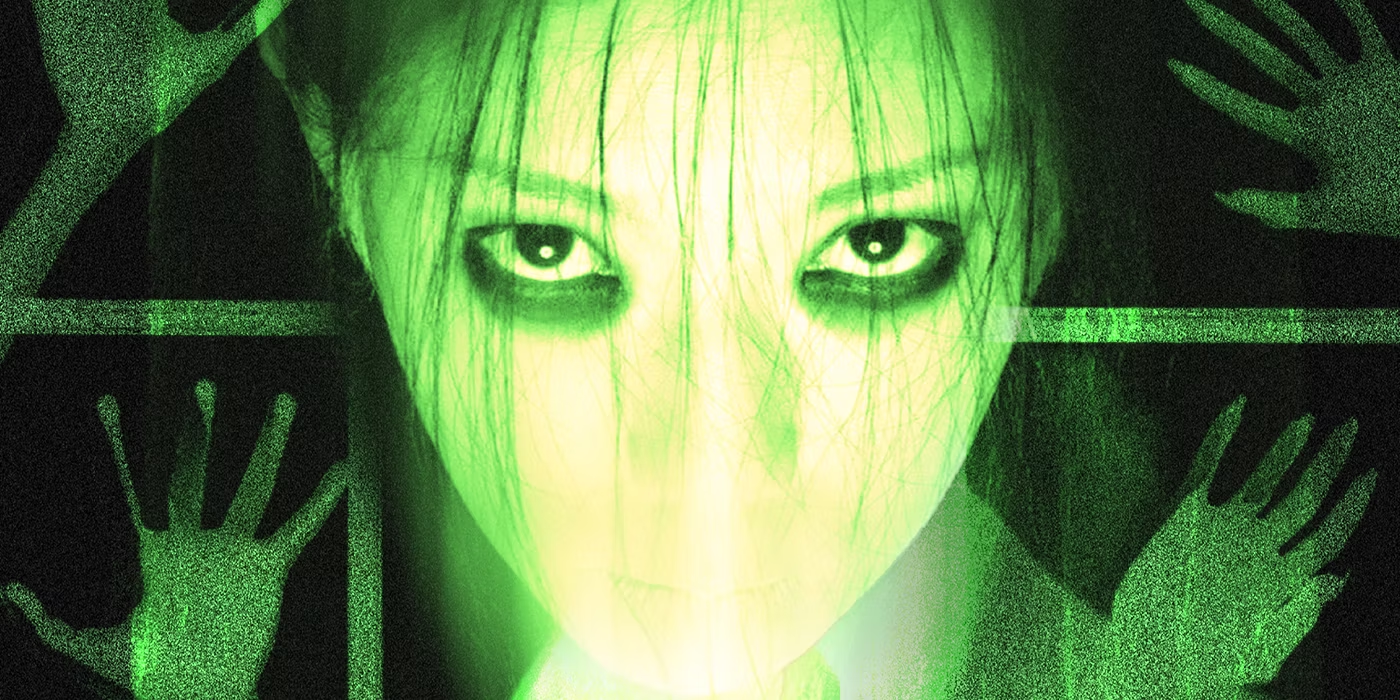
    Japanese horror films have significantly impacted the genre, influencing global cinema with their distinctive storytelling, atmospheric tension, and cultural depth. From eerie ghost stories to psychological thrillers, these films have redefined horror and inspired filmmakers worldwide. This article explores some of the most iconic Japanese horror films that have shaped the genre and left a lasting legacy.

    Ringu (1998)

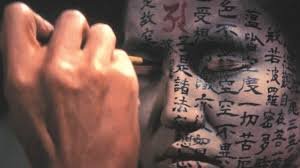
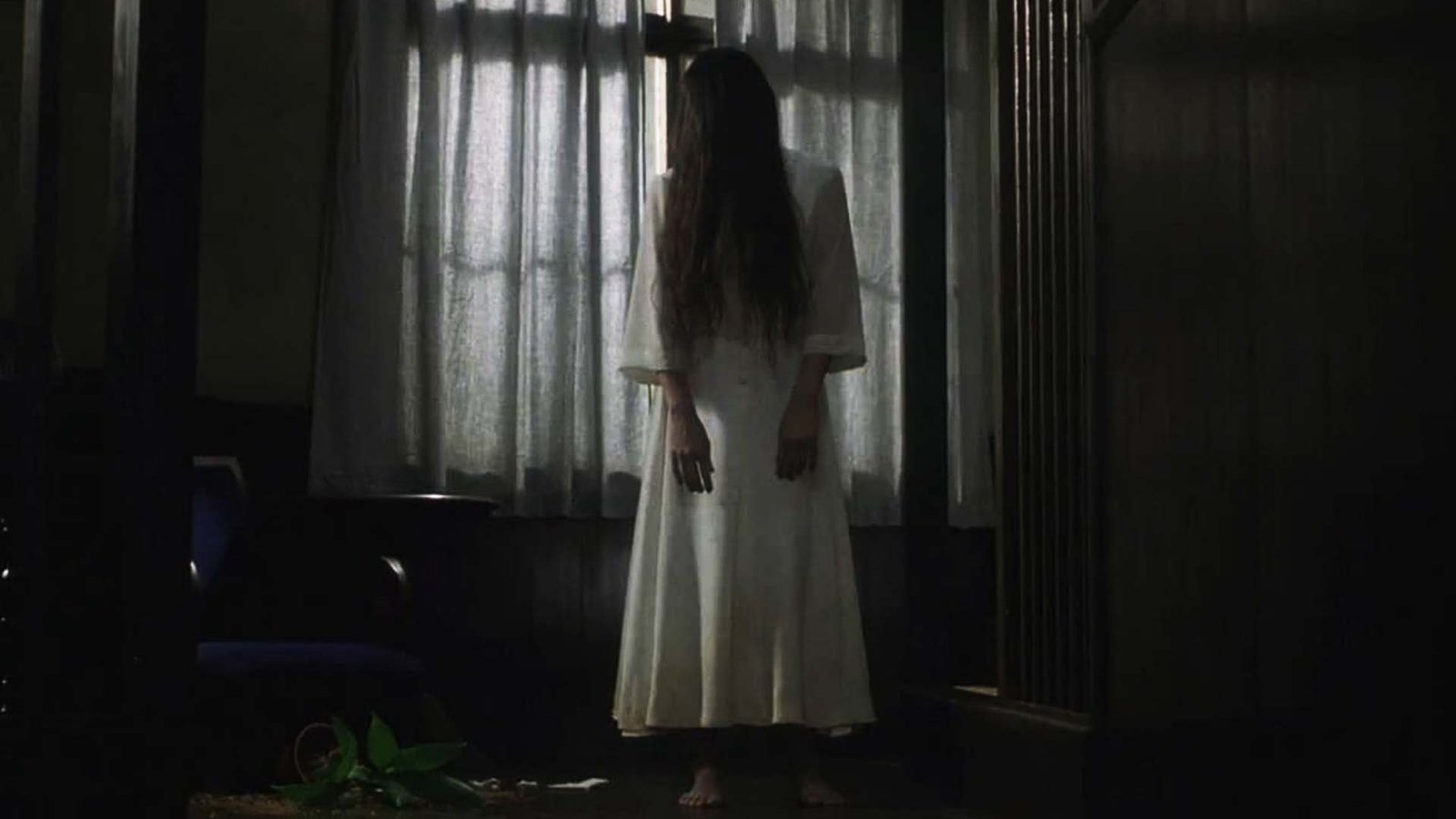
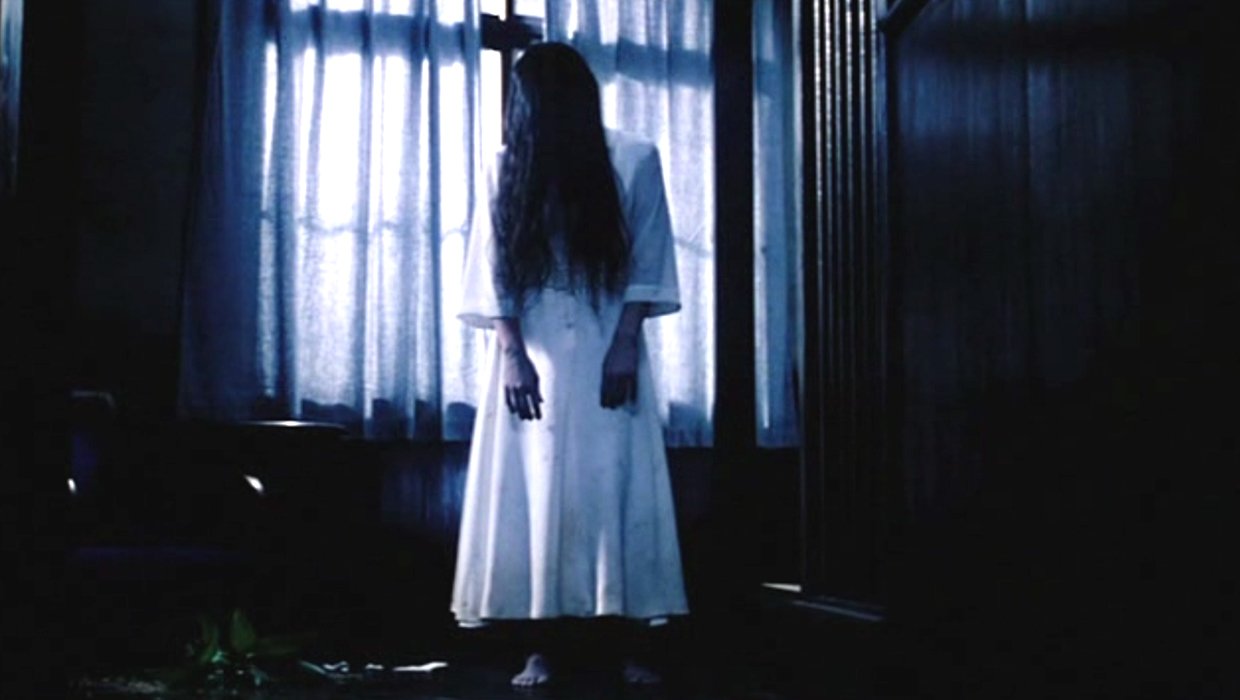
    Ringu, directed by Hideo Nakata, revolutionized Japanese horror with its concept of a cursed videotape. The film follows a journalist investigating a mysterious tape that causes viewers to die seven days after watching it. Ringu is celebrated for its chilling atmosphere, subtle scares, and focus on psychological terror rather than graphic violence.

    The film’s impact extends beyond Japan, leading to a successful American remake, The Ring (2002). Ringu’s influence is seen in its revival of supernatural horror and its inspiration for films involving curses and vengeful spirits.

    Ju-on: The Grudge (2002)

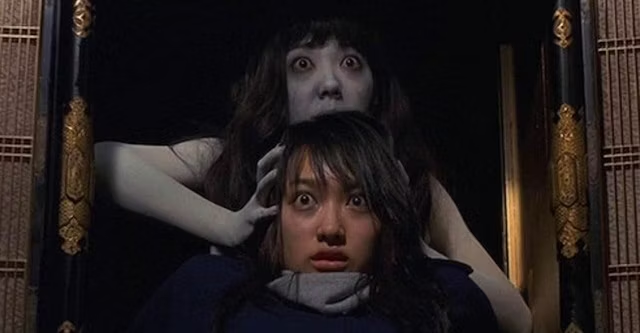
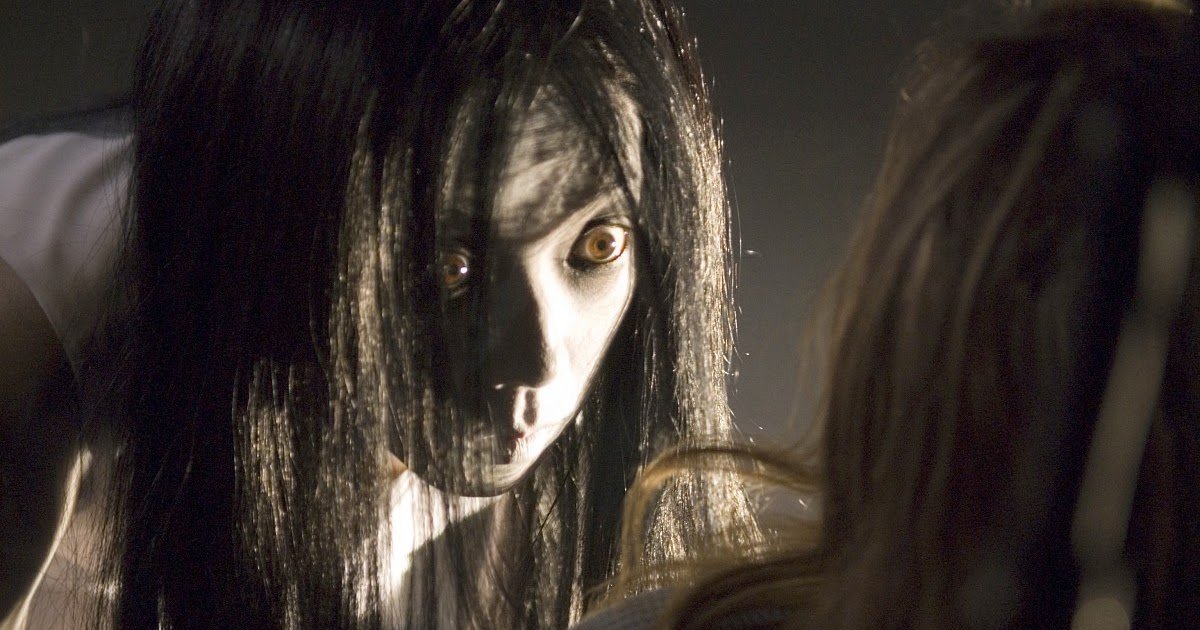
    Directed by Takashi Shimizu, Ju-on: The Grudge is a landmark in Japanese horror. It tells the story of a family cursed by a vengeful spirit, with the curse spreading from one person to another. Known for its non-linear narrative and unsettling atmosphere, Ju-on: The Grudge introduces the concept of a curse perpetuated through physical contact, creating pervasive dread.

    The film’s success led to several sequels and an American remake, The Grudge (2004), showcasing its broad appeal and influence. Ju-on: The Grudge is significant for its contribution to the J-Horror movement and its impact on the portrayal of cursed spirits.

    Audition (1999)

    Takashi Miike’s Audition blends psychological horror with shocking twists. The story follows a widower who holds a fake audition to find a new wife, only to discover that one of the candidates has a dark and violent past. Audition is noted for its slow-burn tension and its shift from romantic drama to disturbing horror, culminating in one of the genre’s most memorable sequences.

    The film’s unique approach, mixing psychological and body horror, has influenced many filmmakers and remains a key example of Miike’s ability to push genre boundaries.
    Iconic Japanese Horror Films
    Iconic Japanese Horror Films

    Dark Water (2002)

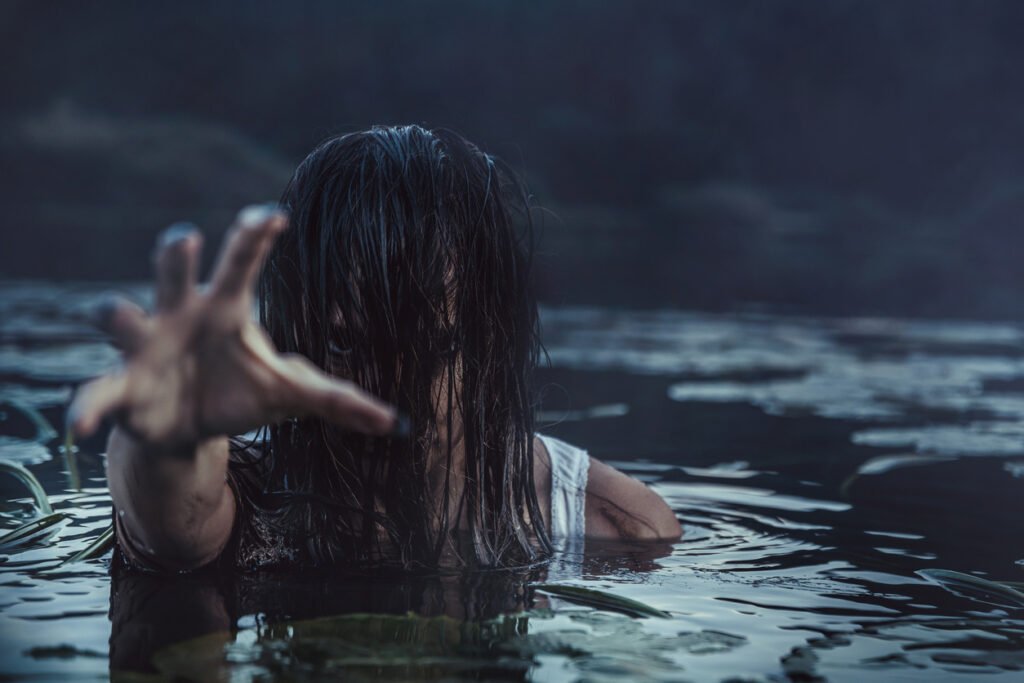
    Dark Water, directed by Hideo Nakata, is a haunting story about a mother and daughter who move into a dilapidated apartment building and encounter supernatural phenomena linked to a mysterious water stain. The film is known for its atmospheric tension, emotionally charged story, and effective use of water as a symbol of the supernatural.

    Dark Water also inspired an American remake (2005) directed by Walter Salles, demonstrating the film’s global impact. It is a significant example of how Japanese horror can use everyday fears and objects to create unsettling experiences.

    Kairo (Pulse) (2001)

    Kairo, directed by Kiyoshi Kurosawa, presents a chilling vision where technology becomes a conduit for ghosts and supernatural forces. The film explores themes of isolation and existential dread as people are haunted by spirits transmitted through the internet. Its innovative use of technology as a medium for horror reflects contemporary anxieties about digital connectivity and isolation.

    Kairo is influential for its eerie atmosphere and thought-provoking commentary on technology and modern life. It has inspired discussions about the intersection of technology and horror.

    The Ring Virus (1999)

    The Ring Virus, a South Korean adaptation of Ringu, offers a fresh take on the cursed videotape narrative while staying true to the core elements of the original. Directed by Kim Dong-bin, the film introduces cultural variations that resonate with Korean audiences.

    The success of The Ring Virus demonstrates the global appeal of the cursed videotape concept and highlights how Japanese horror can be adapted and localized to different cultures.

    Conclusion

    These iconic Japanese horror films have profoundly influenced the genre, setting new standards for storytelling, atmosphere, and cultural integration. Their innovative approaches to horror, combined with their deep cultural roots, have left a lasting impact on both Japanese and international cinema, shaping the future of horror films worldwide.
  • The Evolution of J-Horror: From Ghost Stories

    The Evolution of J-Horror: From Ghost Stories

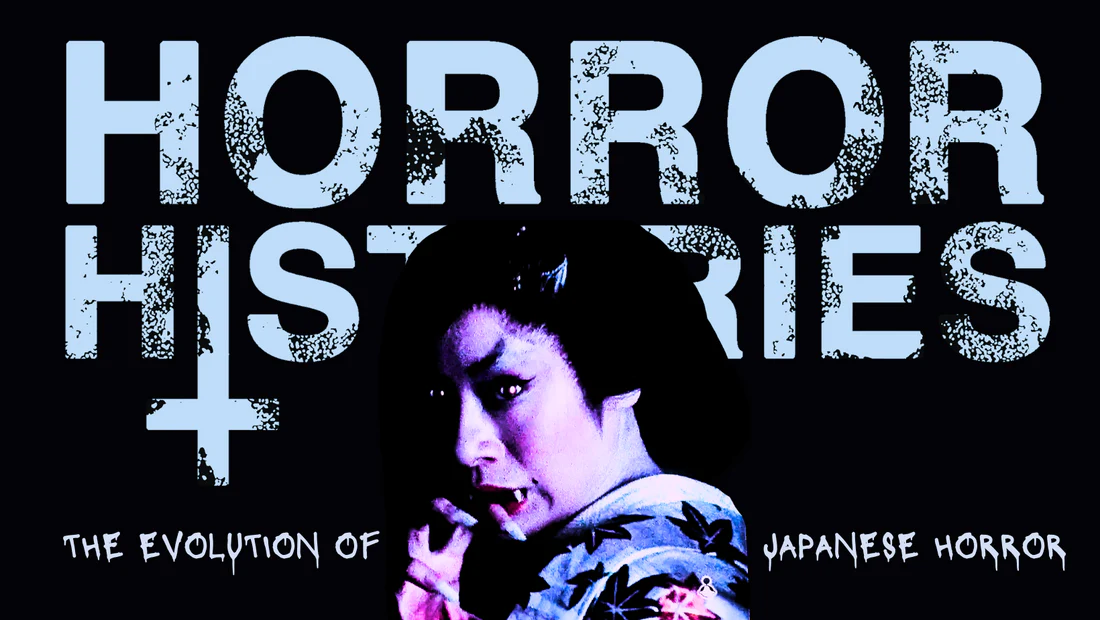
    Japanese horror, or J-Horror, has transformed over the years. It began with traditional ghost stories rooted in folklore and evolved into modern thrillers that captivate audiences worldwide. This journey from ancient myths to contemporary psychological horror has shaped how J-Horror is perceived today. By blending cultural fears with unique storytelling, Japanese filmmakers have created a distinct style of horror. In this article, we will explore the evolution of J-Horror and how it has adapted to modern times.

    Traditional Ghost Stories: The Origins of J-Horror

    J-Horror has its roots in traditional ghost stories known as kaidan. These tales often involve spirits, curses, and revenge. They were passed down through generations and became an essential part of Japanese folklore. One of the most famous stories is Yotsuya Kaidan, which tells the tragic tale of Oiwa, a vengeful ghost who seeks revenge on her unfaithful husband.

    In the early days of Japanese cinema, filmmakers adapted these ghost stories into films. These early adaptations focused on supernatural elements and created an eerie atmosphere. For example, the 1959 film Tokaido Yotsuya Kaidan brought the Yotsuya Kaidan story to life on screen. These films relied heavily on cultural beliefs about spirits and the afterlife, making them particularly unsettling for Japanese audiences.

    The Rise of Psychological Horror

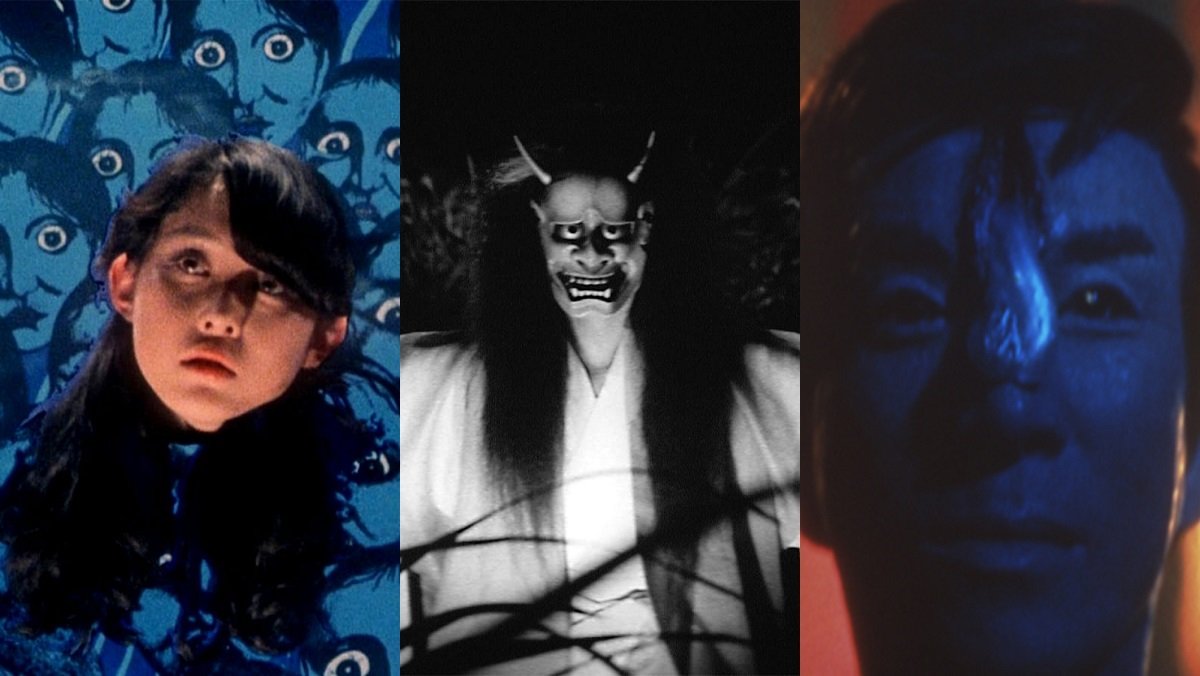
    As J-Horror evolved, filmmakers began incorporating psychological elements into their stories. They moved away from traditional ghost tales and focused on exploring the human mind’s fears. Films like Onibaba (1964) and Kuroneko (1968) marked this shift. Both films blended supernatural elements with human emotions, creating a deeper sense of dread.

    During this period, J-Horror became more about the internal fears of the characters rather than external supernatural threats. The genre began to explore themes such as guilt, isolation, and madness. This focus on the psychological made J-Horror stand out from Western horror films, which often relied on monsters and jump scares.

    The Boom of Modern J-Horror in the Late 1990s

    The late 1990s saw a significant shift in J-Horror with the release of iconic films like Ringu (1998) and Ju-On: The Grudge (2002). These films introduced a new type of horror that focused on curses, haunted objects, and vengeful spirits. Unlike the traditional ghost stories, these films used modern settings and technology to create a more relatable sense of fear.

    For example, Ringu revolves around a cursed videotape that kills viewers within seven days. This concept of modern technology becoming the source of terror resonated with audiences, especially as technology was becoming an integral part of everyday life. These films also had a significant influence on Western horror, leading to Hollywood remakes such as The Ring and The Grudge.

    The Influence of Technology on J-Horror

    As the world became more digital, J-Horror adapted to reflect these changes. Filmmakers began exploring how technology affects fear. Films like Pulse (2001), directed by Kiyoshi Kurosawa, depicted the internet as a medium for supernatural forces. The idea that ghosts could use technology to invade our lives added a new layer of horror.

    This shift in focus from traditional spirits to technology-based horror allowed J-Horror to stay relevant in a rapidly changing world. It also created a unique blend of psychological and supernatural horror, as technology became a bridge between the living and the dead.

    The Evolution of J-Horror: From Ghost Stories
    The Evolution of J-Horror: From Ghost Stories

    The Global Reach of J-Horror

    J-Horror’s influence grew beyond Japan as more international audiences became fascinated with its unique storytelling. Hollywood began adapting popular J-Horror films for Western audiences, bringing attention to the genre. Although these remakes introduced Japanese horror to a wider audience, they often lacked the subtlety and psychological depth of the originals.

    At the same time, J-Horror inspired filmmakers worldwide. The genre’s focus on atmosphere, suspense, and psychological terror influenced horror cinema globally. Its emphasis on slow-building tension and the unseen threat became a trademark of modern horror films.

    Exploring the chilling narratives of Japanese horror reveals a fascinating cultural evolution, much like the strategic analysis found on platforms discussing bestaubettingsites online sports betting. The genre’s journey from folklore to modern cinema is meticulously detailed in the post “The Evolution of J-Horror: From Ghost Stories.”

    This analysis, available at MoosicLab, examines how traditional ghost stories have shaped contemporary psychological terror. The thematic depth and historical progression offer insights as compelling as detailed strategic reviews in other analytical fields.

    Conclusion: J-Horror Today and Beyond

    J-Horror has come a long way from its origins in traditional ghost stories. It has evolved into a genre that explores complex themes such as fear of technology, isolation, and psychological trauma. Despite its evolution, the core of J-Horror remains the same: an ability to tap into deep-seated fears and deliver a chilling experience.

    As J-Horror continues to evolve, it will likely explore new themes and techniques while staying true to its roots. The future of J-Horror holds endless possibilities, but one thing is certain – it will always find ways to terrify audiences worldwide.

  • The Role of Folklore and Superstition in Japanese Horror Films

    The Role of Folklore and Superstition in Japanese Horror Films

    Japanese horror films are renowned for their chilling and atmospheric depictions of the supernatural, often deeply rooted in folklore and superstition. These cultural elements not only enrich the narrative but also intensify the sense of dread and unease. This article explores how folklore and superstition play a pivotal role in Japanese horror films, influencing storytelling, character development, and the overall horror experience.

    Integration of Traditional Folklore

    Japanese horror films frequently draw from a rich tapestry of traditional folklore, incorporating mythological beings, supernatural events, and ancient beliefs. Creatures like the yūrei (ghosts), kappa (water spirits), and tengu (mountain goblins) are common in these films, reflecting a deep connection to Japan’s cultural heritage. Films such as The Grudge and Ringu integrate these folkloric elements to create a unique and authentic horror experience.

    These traditional elements often serve as the foundation for the supernatural occurrences in the films. The stories of vengeful spirits and cursed objects are not just for shock value; they are deeply embedded in the cultural consciousness, making them resonate more profoundly with both Japanese and international audiences.

    Cultural Significance of Superstitions

    Superstitions play a significant role in Japanese horror, influencing characters’ behaviors and the narrative’s development. Practices such as omamori (protective charms), exorcisms, and rituals to appease spirits are commonly depicted. For instance, the concept of “onryō,” or vengeful spirits, is a central theme in many Japanese horror films, embodying the fear of restless souls seeking revenge.

    These superstitions are not merely plot devices but reflect broader societal fears and anxieties. They illustrate how deeply ingrained cultural beliefs influence perceptions of the supernatural and contribute to the psychological impact of the horror.

    Hauntings and Cursed Objects

    Cursed objects and haunted locations are prominent themes in Japanese horror films, often derived from folklore and superstition. Objects like cursed videotapes in Ringu or haunted houses in Ju-on are central to the narrative, embodying the fear of the unknown and the consequences of tampering with the supernatural.

    These elements tap into the universal fear of inanimate objects or places carrying malevolent forces, but with a distinct cultural twist. The portrayal of these objects often incorporates traditional symbols and practices, enhancing their eerie presence and significance within the story.

    Symbolism and Rituals

    Japanese horror films frequently use symbolism and rituals derived from folklore to build atmosphere and convey deeper themes. Rituals such as purification ceremonies, ancestral worship, and offerings to spirits are depicted in films to create a sense of authenticity and connection to cultural practices.

    For example, the use of ritualistic elements in The Ring underscores the idea that disturbing the spiritual balance can have dire consequences. These rituals and symbols are not just decorative but serve as crucial elements that drive the narrative and enhance the horror experience.

    Exploration of Social and Psychological Themes

    Folklore and superstition in Japanese horror films often serve as metaphors for societal and psychological themes. The portrayal of vengeful spirits or cursed objects can symbolize unresolved trauma, social anxieties, and collective fears. By weaving these elements into the narrative, the films offer a commentary on contemporary issues through the lens of traditional beliefs.

    Films like Noroi and Kairo use folklore and superstition to explore themes of isolation, existential dread, and the impact of modernity on traditional beliefs. The supernatural elements become a vehicle for examining deeper psychological and social concerns, making the horror experience more layered and impactful.

    Influence on Global Horror Cinema

    The incorporation of folklore and superstition in Japanese horror films has significantly influenced global horror cinema. The unique cultural elements and storytelling techniques have inspired filmmakers worldwide. Therefore leading to a greater appreciation for the diversity and richness of horror traditions.

    Western adaptations of Japanese horror films, such as The Ring and The Grudge, have brought these folkloric elements to international audiences, showcasing the power of cultural traditions in crafting effective horror. The success of these films has led to a broader interest in exploring diverse horror traditions and incorporating similar elements into global cinema.

    The Role of Folklore and Superstition
    The Role of Folklore and Superstition

    Conclusion

    Folklore and superstition play a crucial role in Japanese horror films, shaping narratives, characters, and thematic exploration. By integrating traditional beliefs and cultural practices, these films create a unique and immersive horror experience that resonates deeply with audiences. The influence of Japanese horror on global cinema underscores the power of cultural storytelling in crafting compelling and unsettling narratives. Through its rich incorporation of folklore and superstition, Japanese horror continues to captivate and terrify audiences around the world.

  • Japanese vs. Western Horror: Key Differences

    Japanese vs. Western Horror: Key Differences

    First on the list is Ringu, directed by Hideo Nakata. This film is a great starting point for anyone new to Japanese horror. The story follows a cursed videotape that kills viewers after seven days. The protagonist, a journalist, tries to unravel the mystery behind the tape before her time runs out. What makes Ringu stand out is its minimal use of special effects and reliance on psychological horror. Instead of relying on loud scares, it creates an eerie atmosphere that slowly builds tension. It’s no surprise that Ringu was later adapted into a successful Hollywood remake.

    2. Ju-On: The Grudge (2002)

    Next, Ju-On: The Grudge is another essential film for beginners. Directed by Takashi Shimizu, it tells the story of a cursed house where tragic deaths have occurred. Those who enter the house are doomed to suffer from the vengeful spirits within. What makes Ju-On unique is its non-linear storytelling, which keeps the audience on edge. The pale, long-haired ghost is an iconic image in Japanese horror, and this film uses it to great effect. Viewers will feel the lingering terror even after the movie ends.

    3. Audition (1999)

    Audition, directed by Takashi Miike, is a different kind of horror film. The story starts as a simple romantic drama but quickly takes a dark turn. A widower holds auditions for a new wife, but the woman he selects has a sinister secret. The tension builds slowly, making the film’s shocking moments even more terrifying. Audition is a great example of how Japanese horror plays with the audience’s expectations, using psychological horror to create an unforgettable experience.

    4. Dark Water (2002)

    For those who enjoy supernatural horror, Dark Water, directed by Hideo Nakata, is a must-watch. The film follows a mother and daughter who move into a run-down apartment with a leaky ceiling. Soon, strange events start occurring, and the mother uncovers a tragic mystery. The film’s atmosphere is haunting, and its focus on emotional depth makes the horror even more impactful. If you enjoy a slow-burn thriller that leaves you uneasy, Dark Water is an excellent choice.

    5. Onibaba (1964)

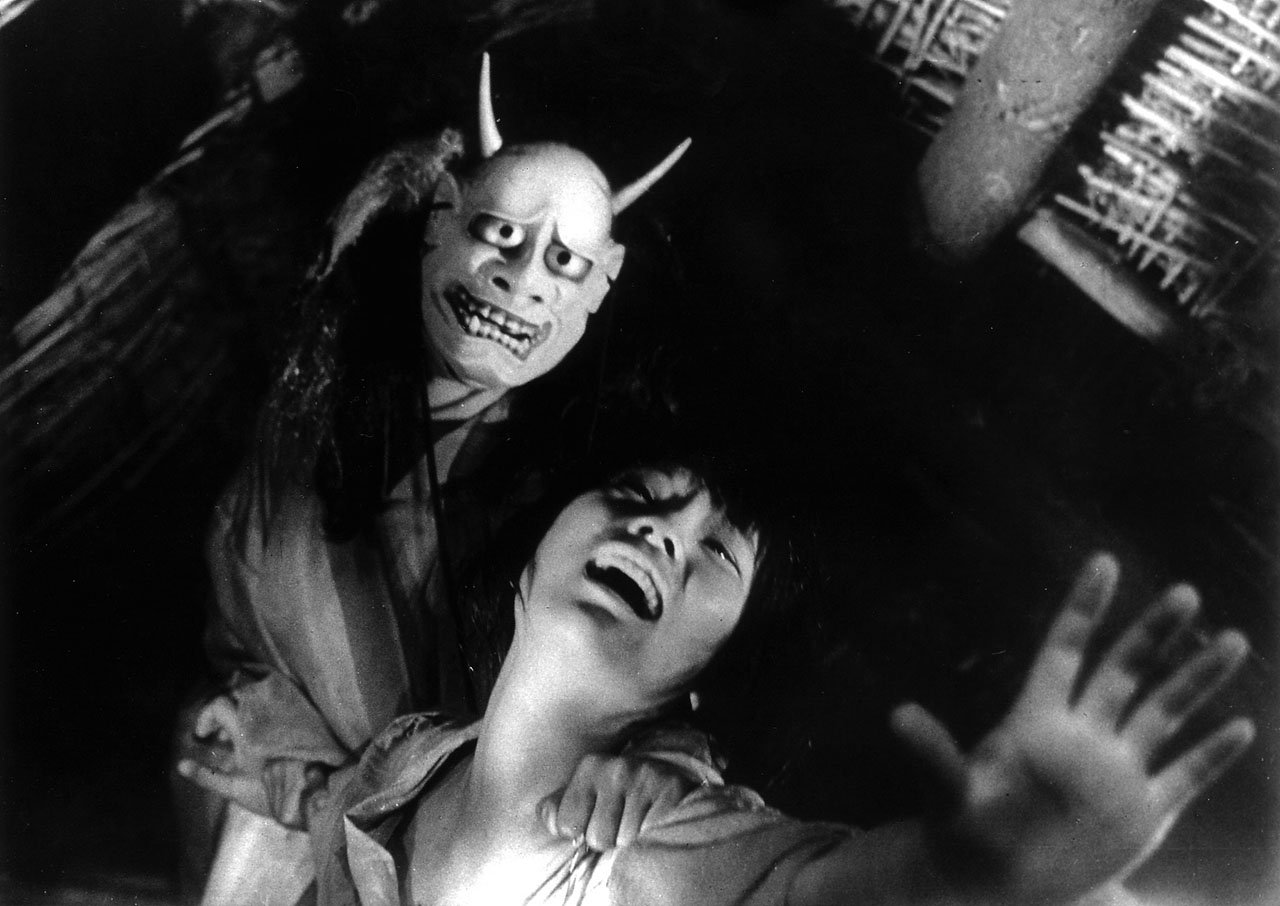
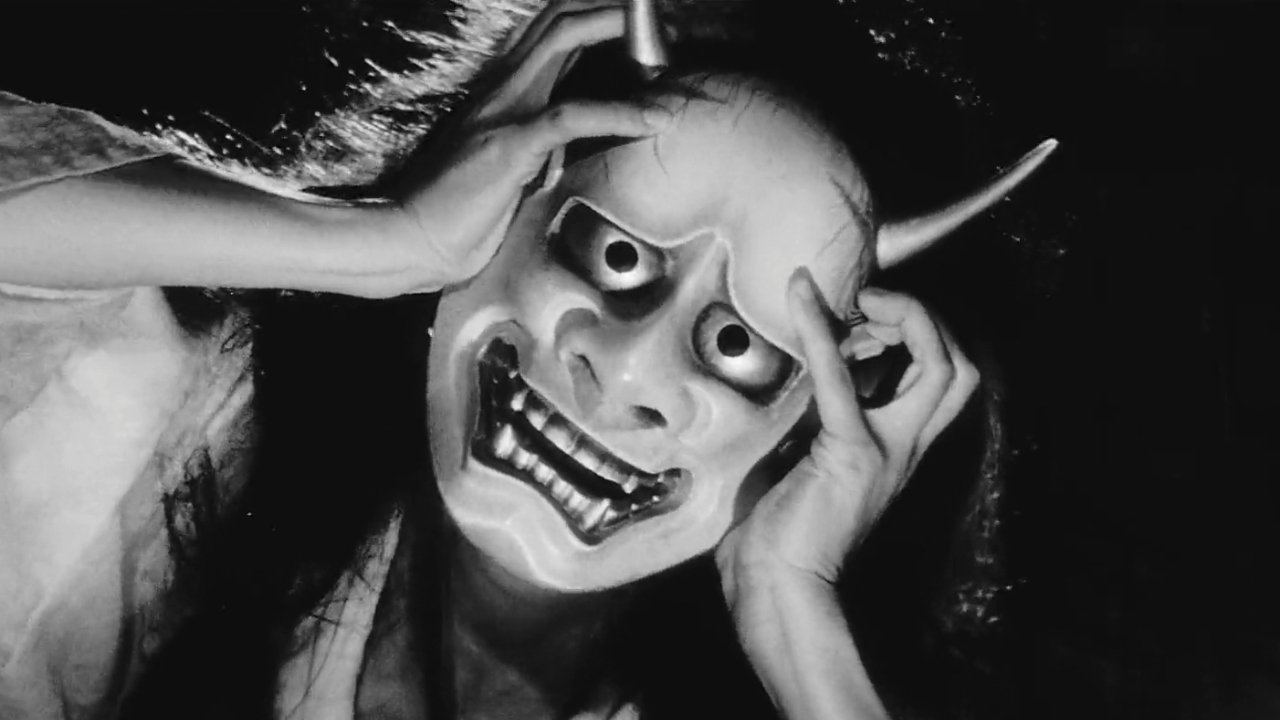
    If you’re interested in classic Japanese horror, Onibaba is a film you shouldn’t miss. Directed by Kaneto Shindō, the film is set during a civil war and follows two women who kill soldiers to steal their possessions. When they encounter a mysterious samurai wearing a demonic mask, their lives take a terrifying turn. Onibaba uses minimal special effects and relies on a creepy atmosphere to tell its story. It’s a prime example of how Japanese horror combines folklore and psychological tension.

    How Japanese Horror Films Differ from Western Horror
    How Japanese Horror Films Differ from Western Horror

    6. Noroi: The Curse (2005)

    Lastly, Noroi: The Curse offers a unique experience for horror fans. Presented as a found-footage documentary, this film follows a paranormal investigator who uncovers a series of strange events linked to an ancient curse. The film’s realism and unsettling atmosphere make it one of the most frightening found-footage films ever made. The tension builds throughout the movie, leading to a disturbing and unforgettable climax. Noroi is perfect for those who enjoy psychological horror with a documentary-style twist.

    Conclusion

    In conclusion, Japanese horror films offer a refreshing take on the horror genre. They focus more on atmosphere and psychological depth than traditional jump scares. From the supernatural terror of Ringu and Ju-On to the psychological thrill of Audition and Noroi, there’s a wide variety of films to explore. These must-watch titles are a great introduction to the genre, offering unique storytelling that will keep you on the edge of your seat. For beginners looking to dive into the world of Japanese horror, these films provide a terrifying yet captivating experience.

  • Unraveling the Psychological Horror in Japanese Films

    Unraveling the Psychological Horror in Japanese Films

    Japanese films are celebrated for their unique approach to psychological horror, offering a deeply unsettling experience that often lingers long after the credits roll. Unlike Western horror, which frequently relies on graphic violence and supernatural monsters, Japanese psychological horror delves into the human psyche, exploring fears, anxieties, and the unknown. This article unravels the intricacies of psychological horror in Japanese films, examining how they create terror through subtlety, cultural elements, and emotional depth.

    The Foundation of Psychological Horror

    Psychological horror in Japanese cinema focuses on the mind and its vulnerabilities rather than on overtly horrific imagery. Films often explore themes of isolation, mental anguish, and existential dread. This approach builds fear through suggestion and atmosphere, creating a lingering sense of unease. Unlike the shock tactics commonly used in Western horror, Japanese psychological horror relies on a more nuanced and introspective form of terror.

    Cultural and Supernatural Influences

    Japanese psychological horror frequently incorporates elements of cultural folklore and supernatural beliefs, adding layers of complexity to the narrative. The interplay between traditional beliefs and modern fears creates a unique blend of horror that is both culturally specific and universally unsettling. For instance, films like Ringu and Ju-on: The Grudge combine psychological terror with supernatural elements, reflecting deep-seated fears rooted in Japanese culture.

    The use of ghosts and curses in these films is not just for scares but also to explore psychological themes. The malevolent spirits often symbolize deeper emotional and psychological struggles, such as guilt, grief, and unresolved trauma. This fusion of cultural elements with psychological horror enhances the films’ emotional impact and resonance.

    Atmospheric Tension and Uncertainty

    Atmosphere plays a crucial role in Japanese psychological horror. Filmmakers use minimalistic settings, subdued lighting, and long, lingering shots to create a sense of dread. This emphasis on atmosphere allows for a slow build-up of tension, where the horror is felt more than it is seen. Films like Dark Water and Noroi use atmospheric techniques to craft a haunting environment that unsettles viewers without relying on explicit scares.

    The uncertainty and ambiguity in these films contribute to the psychological tension. By leaving certain elements unexplained or open to interpretation, Japanese horror films create a sense of lingering dread and unease. This approach engages the audience’s imagination, allowing them to fill in the gaps and heighten their own sense of fear.

    Exploration of Psychological Trauma

    Many Japanese psychological horror films delve into themes of mental illness and psychological trauma, presenting horror through the lens of personal and emotional struggles. Films like Audition and The Tale of the Princess Kaguya explore the darker aspects of human psychology, such as obsession, madness, and the effects of past trauma.

    These films often portray characters dealing with profound psychological issues, and the horror emerges from their internal conflicts and vulnerabilities. By focusing on the emotional and mental states of the characters, Japanese psychological horror creates a more intimate and disturbing form of terror that resonates on a deeper level.

    Characterization and Emotional Depth

    Japanese psychological horror films typically feature complex characters with rich emotional backgrounds. The depth of characterization allows viewers to connect with the characters on an emotional level, making their psychological torment more impactful. Films like The Ring and Kairo present characters who are grappling with personal fears and anxieties, which in turn magnify the horror elements.

    The emphasis on emotional depth and character development helps to build a stronger connection between the audience and the film. This connection makes the psychological horror more effective, as viewers become invested in the characters’ struggles and are more deeply affected by their experiences.

    The Use of Ambiguity and Non-Linear Narratives

    Ambiguity and non-linear storytelling are common in Japanese psychological horror, adding to the sense of unease and uncertainty. Films like Noroi and Kairo use fragmented narratives and found footage techniques to create a disorienting and unsettling experience. The lack of clear explanations and the shifting perspectives contribute to the psychological tension, leaving viewers with a sense of lingering dread.

    This approach to storytelling allows for a more immersive and unsettling experience, as the audience is left to piece together the narrative and interpret the horror on their own. The ambiguity and non-linear structure enhance the psychological impact, creating a more profound and lasting sense of fear.


    Conclusion

    Japanese psychological horror films offer a unique and deeply unsettling approach to the genre, focusing on the human psyche, cultural elements, and atmospheric tension. By exploring themes of mental anguish, trauma, and existential dread, these films create a form of terror that is both introspective and universally resonant. The use of subtlety, ambiguity, and emotional depth distinguishes Japanese psychological horror from its Western counterparts, offering a distinctive and powerful cinematic experience.

  • The Influence of Japanese Horror Films on Global Horror Cinema

    The Influence of Japanese Horror Films on Global Horror Cinema

    Japanese horror films have significantly impacted global horror cinema, introducing new styles, techniques, and themes that have reshaped the genre. Known for their psychological depth, atmospheric tension, and cultural specificity, Japanese horror movies have inspired filmmakers and influenced horror traditions worldwide. This article explores the various ways in which Japanese horror films have left their mark on global cinema, highlighting their contributions and the cross-cultural exchanges that have shaped contemporary horror.

    Innovative Storytelling Techniques

    Japanese horror films are renowned for their innovative storytelling methods, which often involve complex narratives, non-linear structures, and ambiguous endings. Films like Ringu and Ju-on: The Grudge introduced unique approaches to horror storytelling that have influenced global filmmakers. The use of supernatural elements tied to cultural folklore, combined with psychological depth and unsettling atmospheres, has encouraged international filmmakers to explore new narrative possibilities and incorporate similar techniques into their own work.

    The influence of these storytelling methods can be seen in numerous global horror films that embrace non-traditional structures and ambiguous conclusions. For example, movies like The Ring (American remake of Ringu) and The Grudge (American remake of Ju-on: The Grudge) demonstrate how Japanese horror’s narrative innovations have been adapted and integrated into Western horror cinema.

    The chilling aesthetics of Japanese horror have permanently reshaped global cinema’s approach to psychological fear. From Ringu to Ju-on, these films master atmospheric dread.

    This unique approach to horror has even influenced other entertainment mediums. For instance, an Australian gaming site recently analyzed how modern horror games incorporate J-horror’s signature tension.

    Understanding this cultural exchange is crucial, as explored in depth at MoosicLab, where the nuances of these cinematic influences are meticulously detailed.

    Cultural Exchange and Adaptations

    The success of Japanese horror films has led to numerous adaptations and remakes in Western cinema, demonstrating their widespread influence. The American versions of Ringu (The Ring) and Ju-on: The Grudge (The Grudge) were both commercial successes and helped introduce Japanese horror sensibilities to a broader audience. These adaptations often preserve the core elements of the original films while adding local nuances to appeal to Western viewers.

    This cultural exchange has not only brought Japanese horror to international audiences but also fostered a dialogue between different horror traditions. The incorporation of Japanese horror themes and techniques into Western films has led to a hybridization of styles, blending Eastern and Western approaches to create innovative and diverse horror experiences.

    Psychological and Atmospheric Horror

    Japanese horror films are known for their emphasis on psychological and atmospheric horror, rather than relying solely on gore and jump scares. This focus on creating a sense of dread through subtle and unsettling elements has influenced global horror cinema. Films like Audition and Dark Water use psychological tension and eerie atmospheres to build fear, shifting away from the more graphic and visceral approaches commonly seen in Western horror.

    The impact of this approach is evident in recent global horror films that prioritize psychological depth and atmosphere. Movies such as The Babadook and Hereditary incorporate similar elements of psychological horror, drawing inspiration from the Japanese tradition of creating unsettling and thought-provoking scares.

    Visual and Aesthetic Influence

    The visual style of Japanese horror films, characterized by its subtlety and suggestiveness, has influenced global horror aesthetics. The use of muted colors, minimalistic settings, and long, lingering shots contributes to a haunting atmosphere that has inspired filmmakers around the world. The emphasis on creating an eerie and unsettling environment, as seen in films like The Ring and Kairo, has impacted the visual approach of many international horror productions.

    This influence is evident in the way contemporary horror films use similar visual techniques to create suspense and unease. The adoption of atmospheric visuals and careful attention to detail in framing and lighting can be traced back to the stylistic choices made by Japanese horror filmmakers.

    Genre Expansion and Innovation

    Japanese horror films have expanded the boundaries of the genre by introducing new sub-genres and thematic explorations. Films such as Noroi and The Tale of the Princess Kaguya explore different aspects of horror, from found footage to psychological and supernatural themes. This genre innovation has inspired global filmmakers to experiment with new horror sub-genres and narrative forms, leading to a broader and more diverse range of horror films.

    The influence of Japanese horror on genre expansion is evident in the growing number of films that incorporate elements of psychological horror, supernatural themes, and cultural folklore. This diversity in horror storytelling reflects the impact of Japanese cinema on shaping the direction and evolution of the genre worldwide.

    Impact on Filmmaking Techniques

    Japanese horror films have also influenced global filmmaking techniques, particularly in the use of practical effects and innovative special effects. The emphasis on creating a sense of realism and immersion through practical effects, as seen in films like Ju-on and Ringu, has inspired filmmakers to focus on achieving a more authentic and believable horror experience.

    This influence is apparent in the way contemporary horror films utilize practical effects to create realistic and unsettling visuals. The emphasis on subtlety and realism in effects work reflects the legacy of Japanese horror filmmaking techniques and their impact on the global industry.

     Global Horror Cinema
    Global Horror Cinema

    Conclusion

    The influence of Japanese horror films on global horror cinema is profound and multifaceted. From innovative storytelling techniques and cultural adaptations to psychological and atmospheric horror, Japanese films have reshaped the genre and inspired filmmakers worldwide. The integration of Japanese horror elements into global cinema has led to a richer and more diverse horror landscape, demonstrating the enduring impact of Japanese cinema on the art of storytelling and the creation of fear.

  • A Beginner’s Guide to Japanese Horror Films

    A Beginner’s Guide to Japanese Horror Films

    Japanese horror films are known for their chilling atmosphere, slow-burn tension, and unique storytelling. For newcomers to this genre, these films can provide a refreshing and terrifying experience. Unlike Western horror, which often relies on jump scares, Japanese horror dives deeper into psychological fears and supernatural elements. If you are ready to explore this thrilling genre, here is a beginner’s guide with must-watch titles that will leave you thinking long after the credits roll.

    1. The Ring (Ringu) (1998)

    First on the list is Ringu, directed by Hideo Nakata. This film is a great starting point for anyone new to Japanese horror. The story follows a cursed videotape that kills viewers after seven days. The protagonist, a journalist, tries to unravel the mystery behind the tape before her time runs out. What makes Ringu stand out is its minimal use of special effects and reliance on psychological horror. Instead of relying on loud scares, it creates an eerie atmosphere that slowly builds tension. It’s no surprise that Ringu was later adapted into a successful Hollywood remake.

    2. Ju-On: The Grudge (2002)

    Next, Ju-On: The Grudge is another essential film for beginners. Directed by Takashi Shimizu, it tells the story of a cursed house where tragic deaths have occurred. Those who enter the house are doomed to suffer from the vengeful spirits within. What makes Ju-On unique is its non-linear storytelling, which keeps the audience on edge. The pale, long-haired ghost is an iconic image in Japanese horror, and this film uses it to great effect. Viewers will feel the lingering terror even after the movie ends.

    3. Audition (1999)

    Audition, directed by Takashi Miike, is a different kind of horror film. The story starts as a simple romantic drama but quickly takes a dark turn. A widower holds auditions for a new wife, but the woman he selects has a sinister secret. The tension builds slowly, making the film’s shocking moments even more terrifying. Audition is a great example of how Japanese horror plays with the audience’s expectations, using psychological horror to create an unforgettable experience.

    4. Dark Water (2002)

    For those who enjoy supernatural horror, Dark Water, directed by Hideo Nakata, is a must-watch. The film follows a mother and daughter who move into a run-down apartment with a leaky ceiling. Soon, strange events start occurring, and the mother uncovers a tragic mystery. The film’s atmosphere is haunting, and its focus on emotional depth makes the horror even more impactful. If you enjoy a slow-burn thriller that leaves you uneasy, Dark Water is an excellent choice.

    A Beginner’s Guide to Japanese Horror Films
    A Beginner’s Guide to Japanese Horror Films

    5. Onibaba (1964)

    If you’re interested in classic Japanese horror, Onibaba is a film you shouldn’t miss. Directed by Kaneto Shindō, the film is set during a civil war and follows two women who kill soldiers to steal their possessions. When they encounter a mysterious samurai wearing a demonic mask, their lives take a terrifying turn. Onibaba uses minimal special effects and relies on a creepy atmosphere to tell its story. It’s a prime example of how Japanese horror combines folklore and psychological tension.

    6. Noroi: The Curse (2005)

    Lastly, Noroi: The Curse offers a unique experience for horror fans. Presented as a found-footage documentary, this film follows a paranormal investigator who uncovers a series of strange events linked to an ancient curse. The film’s realism and unsettling atmosphere make it one of the most frightening found-footage films ever made. The tension builds throughout the movie, leading to a disturbing and unforgettable climax. Noroi is perfect for those who enjoy psychological horror with a documentary-style twist.

    Conclusion

    In conclusion, Japanese horror films offer a refreshing take on the horror genre. They focus more on atmosphere and psychological depth than traditional jump scares. From the supernatural terror of Ringu and Ju-On to the psychological thrill of Audition and Noroi, there’s a wide variety of films to explore. These must-watch titles are a great introduction to the genre, offering unique storytelling that will keep you on the edge of your seat. For beginners looking to dive into the world of Japanese horror, these films provide a terrifying yet captivating experience.

  • How Japanese Horror Films Differ from Western Horror

    How Japanese Horror Films Differ from Western Horror

    Japanese horror films have earned a distinct reputation in the genre for their unique approach to fear and storytelling. While Western horror films often focus on gore, jump scares, and monsters, Japanese horror tends to explore more psychological and supernatural elements. This article examines how Japanese horror films differ from their Western counterparts, highlighting key distinctions in themes, storytelling, and cultural influences.

    Cultural and Supernatural Elements

    Japanese horror films often draw from traditional folklore, mythology, and spiritual beliefs, creating a distinct atmosphere of dread rooted in cultural context. Stories frequently feature vengeful spirits, haunted locations, and supernatural phenomena tied to historical and cultural narratives. For example, films like Ringu and Ju-on: The Grudge are deeply embedded in Japanese ghost lore, reflecting fears and beliefs specific to Japanese culture.

    In contrast, Western horror films often focus on universally recognizable fears, such as serial killers, monsters, and apocalyptic scenarios. While they do incorporate supernatural elements, these are usually framed within a more familiar or Western-centric context, such as haunted houses or demonic possession.

    Psychological vs. Physical Horror

    Japanese horror tends to emphasize psychological terror and atmospheric dread rather than overt physical violence. Films like The Ring and Audition create a sense of unease through their slow-building tension, unsettling imagery, and exploration of psychological trauma. The horror often emerges from the unknown or the unexplainable, creating an atmosphere of lingering fear that sticks with viewers.

    Western horror films, on the other hand, often employ graphic violence and explicit scares to shock and horrify audiences. Movies such as Saw and The Texas Chainsaw Massacre use physical gore and jump scares to evoke immediate reactions. This approach creates a different type of fear, one that is more visceral and immediate.

    Narrative Structure and Storytelling

    Japanese horror films frequently use non-linear narratives and ambiguous endings to enhance their sense of mystery and dread. The storytelling often involves fragmented or shifting perspectives, leaving room for interpretation and uncertainty. Films like Noroi and Kairo use found footage and unconventional storytelling techniques to immerse viewers in a disorienting and haunting experience.

    Western horror films often follow more straightforward narrative structures with clear resolutions or conclusions. While some Western horror films do explore ambiguity and complex storytelling, many adhere to familiar tropes and patterns, providing audiences with a more predictable and conventional horror experience.

    Emotional and Psychological Themes

    Japanese horror films often delve into deep emotional and psychological themes, exploring human fears and anxieties in profound ways. Themes such as isolation, grief, and existential dread are common, and the horror often reflects deeper psychological issues. For instance, The Grudge deals with the cycle of vengeance and the emotional trauma of loss.

    Western horror films frequently focus on more immediate and external threats, such as monsters, killers, or supernatural forces. While they may touch on psychological themes, the emphasis is often on the physical confrontation with these threats rather than exploring the internal fears and anxieties of the characters.

    Visual and Atmospheric Techniques

    The visual style of Japanese horror films often emphasizes subtlety and suggestion, creating a haunting atmosphere through minimalistic and eerie visuals. The use of naturalistic settings, muted colors, and long, lingering shots contributes to the sense of dread. Films like Dark Water and The Ring use atmospheric techniques to build suspense and unease.

    Western horror films often use more overt visual techniques, such as dramatic lighting, fast-paced editing, and graphic effects, to create a sense of horror. The emphasis on spectacle and shock value is more pronounced, with a focus on creating visually striking and memorable scares.

    Characterization and Emotional Depth

    In Japanese horror, characters are often portrayed with greater emotional depth and complexity. The psychological and emotional states of characters are central to the narrative, and their personal traumas and fears drive the story. Films like Audition and The Tale of the Princess Kaguya explore characters’ inner struggles and vulnerabilities, adding layers of emotional resonance to the horror.

    Western horror films, while also featuring complex characters, often focus more on archetypes and dramatic tension. The emphasis is frequently on the external threats and the characters’ responses to them, rather than on exploring their inner emotional landscapes.

    How Japanese Horror Films Differ from Western Horror
    How Japanese Horror Films Differ from Western Horror

    Conclusion

    Japanese horror films offer a distinct approach to the genre, characterized by their focus on psychological terror, cultural elements, and atmospheric storytelling. While Western horror often relies on physical violence and shock tactics, Japanese horror delves into deeper emotional and supernatural themes, creating a unique and unsettling experience. By understanding these differences, audiences can appreciate the diverse ways in which horror can be explored and experienced across cultures.

  • The Most Terrifying Japanese Horror Films to Watch

    The Most Terrifying Japanese Horror Films to Watch

    Japanese horror films are renowned for their chilling atmosphere, unsettling narratives, and unique approach to the genre. Drawing on a rich tradition of supernatural folklore and psychological terror, these films have left an indelible mark on global horror cinema. This article highlights some of the most terrifying Japanese horror films that have captivated and terrified audiences, showcasing the diverse and innovative ways in which Japanese filmmakers explore fear.

    Ringu (1998)

    Ringu, directed by Hideo Nakata, is a seminal film in the Japanese horror genre and is widely credited with popularizing the J-horror movement. The film revolves around a cursed videotape that causes anyone who watches it to die seven days later. With its eerie atmosphere, haunting visuals, and chilling premise, Ringu has become a classic in horror cinema. Its influence extends beyond Japan, inspiring numerous remakes, including the American version, The Ring.

    Ju-on: The Grudge (2002)

    Ju-on: The Grudge, directed by Takashi Shimizu, is another cornerstone of Japanese horror. The film tells the story of a vengeful spirit that haunts a house, causing horrific events to unfold for anyone who enters. Its non-linear narrative and disturbing imagery create a relentless sense of dread. Ju-on has been praised for its effective use of supernatural elements and has also been adapted into an American franchise, known as The Grudge.

    The Ring Two (1999)

    The sequel to Ringu, The Ring Two, continues the terrifying story of the cursed videotape. Directed by Hideo Nakata, this film deepens the lore of the original while introducing new elements of horror. It explores the consequences of the curse and the desperate attempts to break it. Although not as groundbreaking as its predecessor, The Ring Two is still a compelling continuation of the eerie tale.

    Audition (1999)

    Directed by Takashi Miike, Audition is a disturbing psychological horror film that starts as a slow-burning drama before erupting into shocking violence. The film follows a widower who holds auditions to find a new wife, only to discover that one of the candidates harbors dark and twisted secrets. Audition is renowned for its unsettling atmosphere and the intense climax that has left audiences both horrified and mesmerized.

    Noroi (2005)

    Noroi, directed by Kōji Shiraishi, is a found footage horror film that delves into Japanese folklore and supernatural occurrences. The film presents itself as a documentary about a series of mysterious deaths and events connected to an ancient curse. Its use of found footage techniques and unsettling atmosphere creates a sense of realism that enhances the horror experience. Noroi has gained a cult following for its original approach and effective scares.

    Japanese Horror Films
    Japanese Horror Films

    Dark Water (2002)

    Dark Water, directed by Hideo Nakata, is a supernatural horror film that combines elements of psychological and ghostly terror. The story revolves around a mother and daughter who move into a dilapidated apartment building, only to be haunted by a vengeful spirit. The film is notable for its atmospheric tension, emotional depth, and disturbing imagery. It was adapted into an American film of the same name, further demonstrating its impact on the horror genre.

    The Grudge 2 (2006)

    Following the success of Ju-on: The Grudge, The Grudge 2, directed by Takashi Shimizu, continues the story of the malevolent spirit that haunts and destroys lives. The film expands on the mythology of the curse, introducing new characters and scenarios. While it may not have the same fresh impact as the original, The Grudge 2 offers more of the unsettling atmosphere and supernatural horror that fans of the genre have come to expect.

    Kairo (2001)

    Kairo (also known as Pulse), directed by Kiyoshi Kurosawa, is a haunting exploration of isolation and technology. The film tells the story of a mysterious online presence that leads to a series of strange and deadly occurrences. Its slow-burn approach and chilling depiction of a technologically driven apocalypse create a sense of pervasive dread. Kairo is acclaimed for its innovative use of horror themes and unsettling atmosphere.

    One Missed Call (2003)

    Directed by Takashi Miike, One Missed Call is a supernatural horror film that follows a series of murders linked to missed phone calls from the victims’ own future deaths. The film effectively combines elements of technological fear with traditional ghost stories. Its suspenseful plot and creepy imagery have made it a standout in Japanese horror cinema. Like other films in the genre, One Missed Call has been adapted into an American version, further extending its influence.

    Conclusion

    Japanese horror films offer a unique and unsettling approach to the genre, characterized by their chilling atmospheres, inventive storytelling, and deep connections to cultural fears and folklore. From the groundbreaking Ringu to the disturbing Audition and the atmospheric Dark Water, these films showcase the diverse and impactful ways in which Japanese filmmakers explore terror. For fans of horror, these films provide a fascinating and terrifying glimpse into the creative and unsettling world of Japanese cinema.

  • The Best Studio Ghibli Films to Watch Right Now

    The Best Studio Ghibli Films to Watch Right Now

    Studio Ghibli, renowned for its enchanting animation and captivating storytelling, has created some of the most beloved films in the animation genre. With a diverse range of themes and styles, Studio Ghibli’s films offer something for everyone. This article highlights some of the best Studio Ghibli films to watch right now, showcasing their unique charm and artistic brilliance.

    Spirited Away (2001)

    Spirited Away, directed by Hayao Miyazaki, is often hailed as the pinnacle of Studio Ghibli’s work. The film follows Chihiro, a young girl who becomes trapped in a mysterious, magical world after her parents are transformed into pigs. With its stunning animation, intricate world-building, and emotional depth, Spirited Away won the Academy Award for Best Animated Feature and remains a timeless classic.

    My Neighbor Totoro (1988)

    Directed by Hayao Miyazaki, My Neighbor Totoro is a heartwarming tale that captures the magic of childhood. The film follows two young sisters who move to the countryside and discover friendly forest spirits, including the lovable Totoro. The film’s gentle storytelling, charming characters, and beautiful depiction of rural life make it a favorite among both children and adults.

    Princess Mononoke (1997)

    Princess Mononoke, also directed by Hayao Miyazaki, is an epic fantasy that explores themes of environmentalism and the conflict between nature and industrialization. The story follows Ashitaka, a young warrior who becomes embroiled in a struggle between forest spirits and human settlers. The film’s rich animation, complex characters, and powerful message about nature make it a must-watch.

    Howl’s Moving Castle (2004)

    In Howl’s Moving Castle, Hayao Miyazaki presents a fantastical adventure featuring a young woman named Sophie who is cursed to live as an old woman. She finds refuge in a magical, moving castle owned by the enigmatic wizard Howl. The film’s imaginative world, compelling characters, and themes of transformation and conflict make it a captivating experience.

    Kiki’s Delivery Service (1989)

    Kiki’s Delivery Service, directed by Hayao Miyazaki, tells the story of a young witch named Kiki who starts a delivery service in a charming coastal town. The film’s uplifting narrative, charming setting, and themes of independence and self-discovery resonate with audiences of all ages. Kiki’s journey is both heartwarming and inspiring.

    The Tale of the Princess Kaguya (2013)

    Directed by Isao Takahata, The Tale of the Princess Kaguya is a visually stunning film that stands out for its unique animation style, which resembles traditional Japanese watercolor paintings. The film is based on a classic Japanese folktale and follows the life of a mysterious princess. Its beautiful art, poignant story, and cultural significance make it a must-see.

    Ponyo (2008)

    Ponyo, another film by Hayao Miyazaki, is a whimsical story about a fish-girl who transforms into a human and befriends a young boy named Sosuke. The film’s vibrant animation, charming characters, and themes of friendship and environmentalism make it an enchanting and joyful watch for all ages.

    The Wind Rises (2013)

    The Wind Rises, directed by Hayao Miyazaki, is a historical drama that tells the story of Jiro Horikoshi, the designer of Japan’s World War II fighter planes. The film explores themes of dreams, creativity, and the impact of war. Its detailed animation, emotional depth, and historical context offer a compelling and thought-provoking experience.

    Nausicaä of the Valley of the Wind (1984)

    Though released before the official founding of Studio Ghibli, Nausicaä of the Valley of the Wind is considered a foundational film for the studio. Directed by Hayao Miyazaki, the film follows Nausicaä, a young princess in a post-apocalyptic world who strives to restore harmony between humanity and nature. The film’s powerful environmental message and imaginative world-building are hallmarks of Miyazaki’s storytelling.

    The Best Studio Ghibli Films
    The Best Studio Ghibli Films

    Castle in the Sky (1986)

    Castle in the Sky, directed by Hayao Miyazaki, is an adventurous tale about a young girl with a mysterious crystal and a young boy who help her find a legendary floating island. The film’s thrilling adventure, imaginative settings, and themes of friendship and bravery make it an engaging and delightful watch.

    Conclusion

    Studio Ghibli’s films are celebrated for their creativity, emotional depth, and beautiful animation. From the whimsical charm of My Neighbor Totoro to the epic fantasy of Princess Mononoke, these films offer a range of experiences that captivate audiences of all ages. Whether you’re a longtime fan or new to Studio Ghibli’s work, these films are essential viewing and showcase the studio’s unparalleled storytelling and artistic excellence.