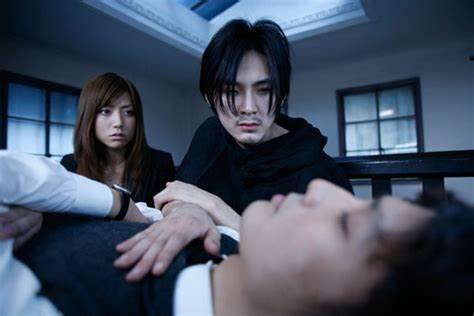
Category: Japanese Horror Movies

  • The Rise of Psychological Horror

    The Rise of Psychological Horror

    In recent years, psychological horror has taken center stage in modern Japanese cinema. This genre focuses more on the mind’s fears rather than just jump scares and gore. While traditional horror often deals with supernatural elements, psychological horror explores deeper, more complex human emotions. As a result, it leaves a lasting impact on viewers. In this article, we’ll explore the rise of psychological horror in modern Japanese cinema and its influence on the global horror scene.

    A Shift from Supernatural to Psychological

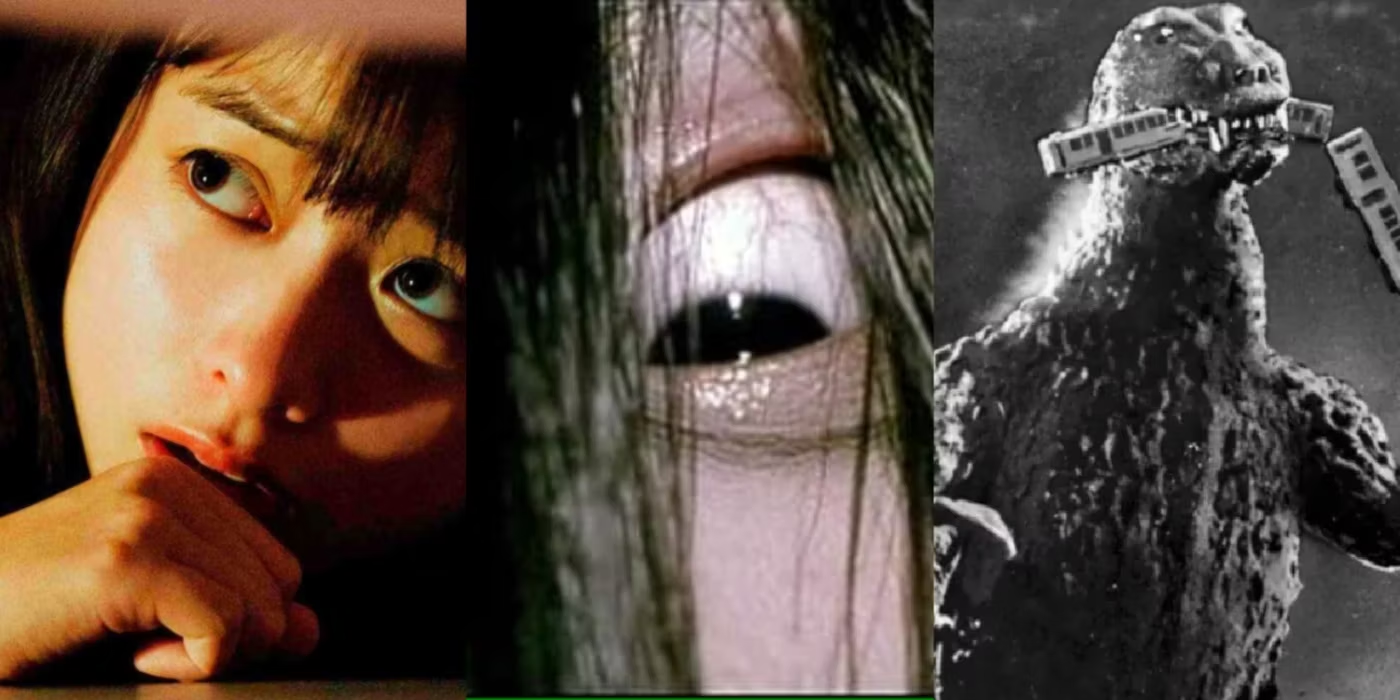
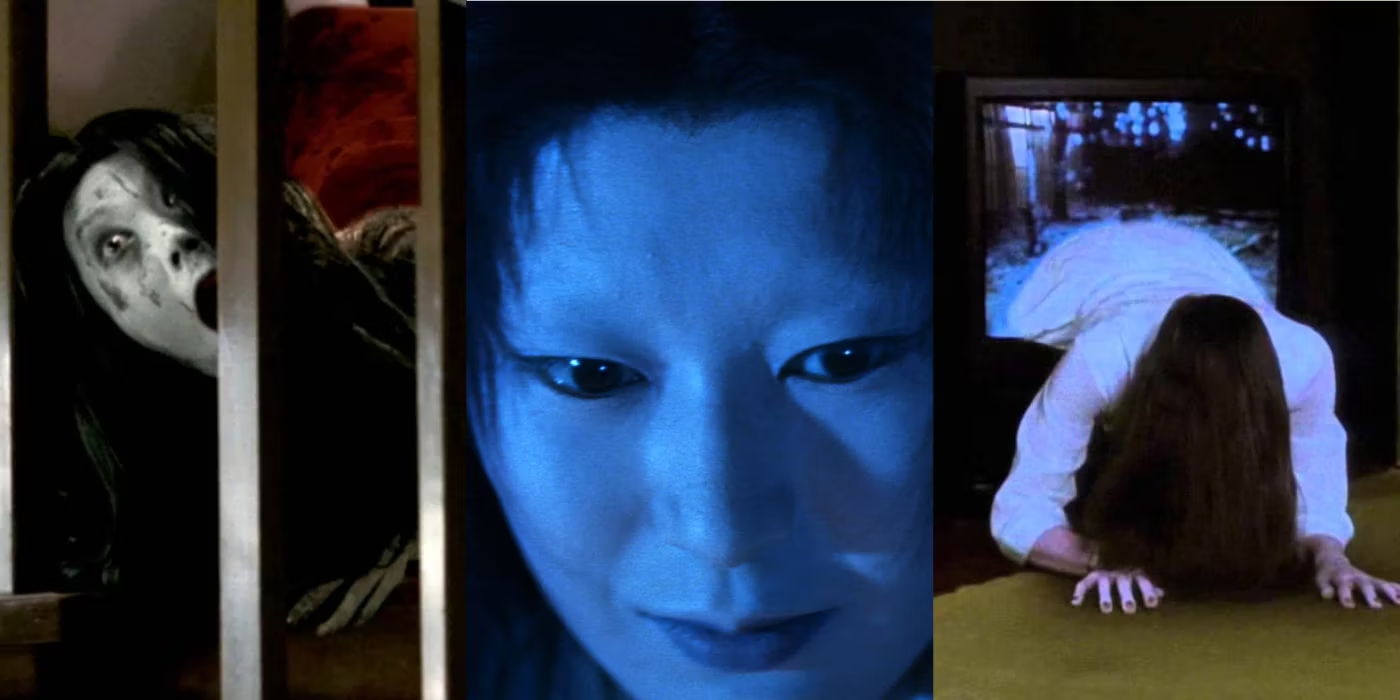
    Historically, Japanese horror films have focused on supernatural themes. Classic movies like Ringu and Ju-On terrified audiences with vengeful spirits and cursed objects. However, over time, there has been a noticeable shift toward psychological horror. Directors now focus more on mental and emotional struggles. Consequently, this shift has led to more films that explore fear, trauma, and paranoia.

    Takashi Miike’s Influence

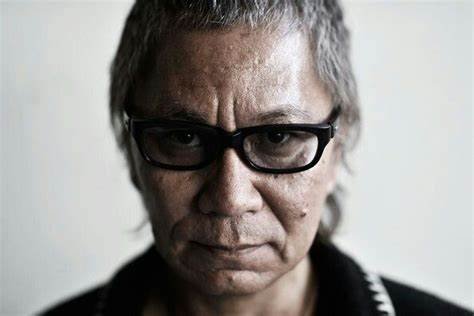
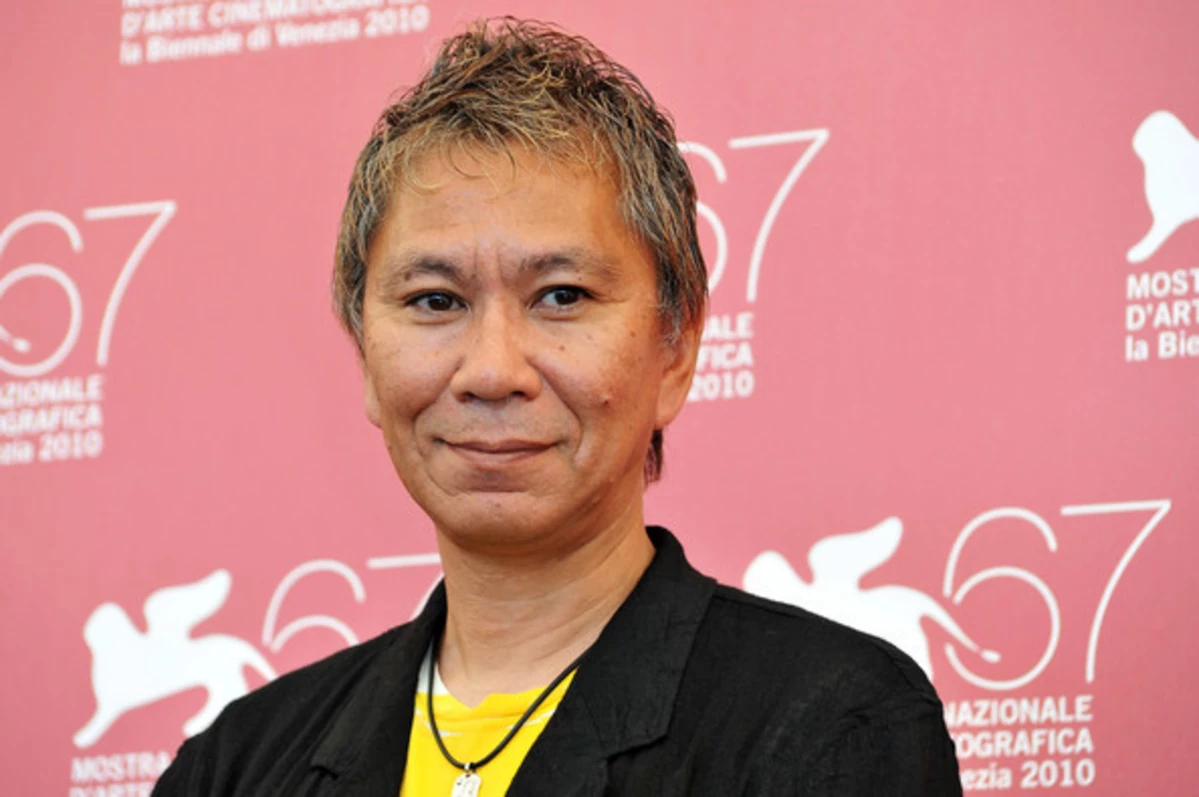
    Takashi Miike, one of Japan’s most well-known directors, has been a significant force behind the rise of psychological horror. His 1999 film Audition begins as a romantic drama but slowly transforms into a terrifying psychological nightmare. The film doesn’t rely on supernatural forces. Instead, it delves into the twisted psyche of its characters. Through the use of suspense and gradual tension, Miike’s work has influenced both Japanese and global horror filmmakers.

    Kiyoshi Kurosawa’s Exploration of Fear

    Another key figure in the genre’s evolution is Kiyoshi Kurosawa. Films like Cure and Pulse showcase his mastery of psychological horror. Rather than relying on shock, Kurosawa builds an atmosphere of dread and tension. In Cure, a detective investigates a series of mysterious murders where the killers have no memory of their crimes. This creates a feeling of helplessness and confusion, which resonates deeply with viewers. Furthermore, Pulse explores fear in the digital age, highlighting loneliness and isolation.

    Exploring Music Production and Online Entertainment

    MoosicLab.com offers a range of services and resources for music production, potentially including tutorials, software reviews, and community forums. While engaging with the world of music creation and audio engineering, you might also be interested in exploring other forms of online entertainment. For those seeking digital gaming experiences, you can find information about king johnnie online pokies. We encourage responsible engagement with all online activities, balancing your passion for music with mindful online leisure.

    Themes of Isolation and Mental Strain

    Many modern Japanese psychological horror films explore themes of isolation. With urbanization and technology growing rapidly, filmmakers tap into the feelings of disconnection many people experience. In Pulse, the internet becomes a haunting force, symbolizing how technology can isolate individuals. Similarly, films like Noroi and Reincarnation play with the idea that isolation breeds fear, pushing characters into madness.

    Innovating Audio Technology for a Better Listening Experience

    Moosiclab.com specializes in cutting-edge audio solutions that enhance sound quality and user enjoyment across devices. By combining technology and creativity, they deliver immersive experiences tailored to every listener. Exploring trusted platforms like casinocorner.ca can also provide exciting entertainment options to complement your digital lifestyle. Together, these resources bring innovation and fun to your everyday world.

    The Role of Sound and Atmosphere

    One of the defining features of psychological horror is its use of sound and atmosphere. Instead of relying on loud jump scares, modern Japanese horror creates a sense of unease through silence and subtle noises. This slow buildup of tension makes the eventual horror even more impactful. Directors like Kurosawa and Miike use sound design to tap into the viewer’s subconscious fears. As a result, the audience feels constantly on edge.

    Finding Rhythm in Digital Entertainment

    Moosiclab.com explores the world of music and sound, a realm of creativity and auditory pleasure. Just as music offers diverse genres, the online world presents a variety of entertainment options beyond audio. For those seeking a different kind of rhythm and excitement, exploring platforms offering crazy vegas online slots canada can be an engaging diversion. Always remember to enjoy digital entertainment responsibly and in harmony with your other pursuits.

    A Global Influence

    The rise of psychological horror in Japanese cinema has not gone unnoticed by Hollywood. Many Japanese psychological horror films have been remade in the West, though not always with the same impact. Films like The Ring and The Grudge are based on supernatural horror, but the psychological tension they create is just as important. Moreover, Western directors have borrowed techniques from Japanese filmmakers, incorporating elements of atmosphere and suspense into their own films.

    The Rise of Psychological Horror
    The Rise of Psychological Horror

    Psychological Horror’s Growing Appeal

    As audiences seek more meaningful and thought-provoking horror, the appeal of psychological horror continues to grow. In contrast to traditional horror, which often provides quick scares, psychological horror lingers in the mind. This genre encourages viewers to question their own fears and emotions, making the experience far more immersive. In Japan, filmmakers are continually pushing boundaries, creating stories that blur the line between reality and illusion.

    Exploring Creative Expression Through Digital Platforms

    At MoosicLab, creativity and innovation come together to inspire new forms of artistic expression. Similarly, Jokacasino Casino Room Login provides an engaging online environment where entertainment meets technology. Both platforms celebrate imagination, offering users spaces to explore, connect, and enjoy.

    Mastering the Dynamics of Music Production

    In music production, the key to a professional mix lies in understanding dynamic range, frequency balance, and the precise control of digital tools. Success comes from making informed, subtle adjustments based on technical knowledge, not guesswork. Just as you analyze sound waves, many people analyze game data for recreational activities like sports betting usa. Moosiclab provides the technical training needed to produce studio-quality tracks.

    Conclusion

    In conclusion, psychological horror has firmly established itself as a leading genre in modern Japanese cinema. By focusing on the mind’s deepest fears, Japanese filmmakers have redefined what it means to create horror. Directors like Takashi Miike and Kiyoshi Kurosawa have shown that true horror doesn’t always come from ghosts or monsters. Often, the most terrifying stories are those that force us to confront our own minds. As the genre continues to evolve, it will likely remain a major influence on horror films worldwide.
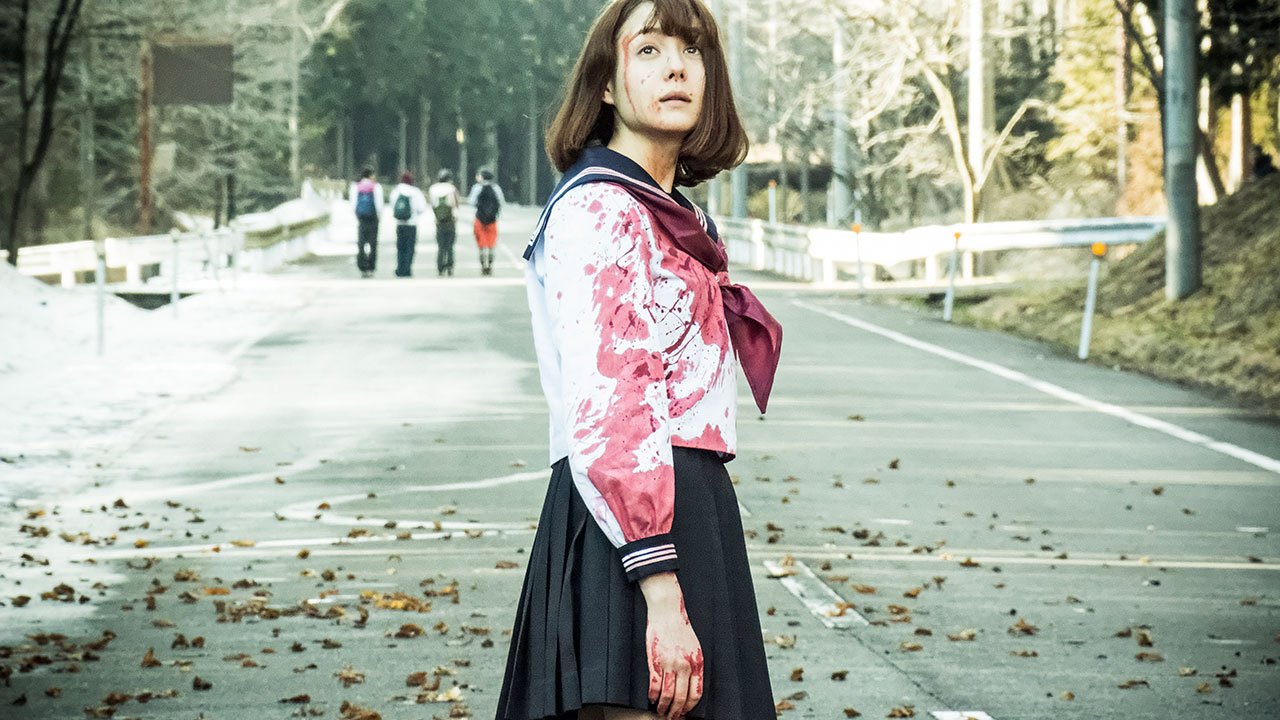
  • Must-See Japanese Horror Films

    Must-See Japanese Horror Films

    Japanese horror films have a unique way of blending traditional folklore with modern-day fears. These films not only terrify but also captivate audiences with their deep psychological themes and eerie atmospheres. If you’re a fan of horror, you must watch these Japanese films. They have influenced horror globally and remain unforgettable in their ability to haunt viewers.

    1. Ringu (1998)

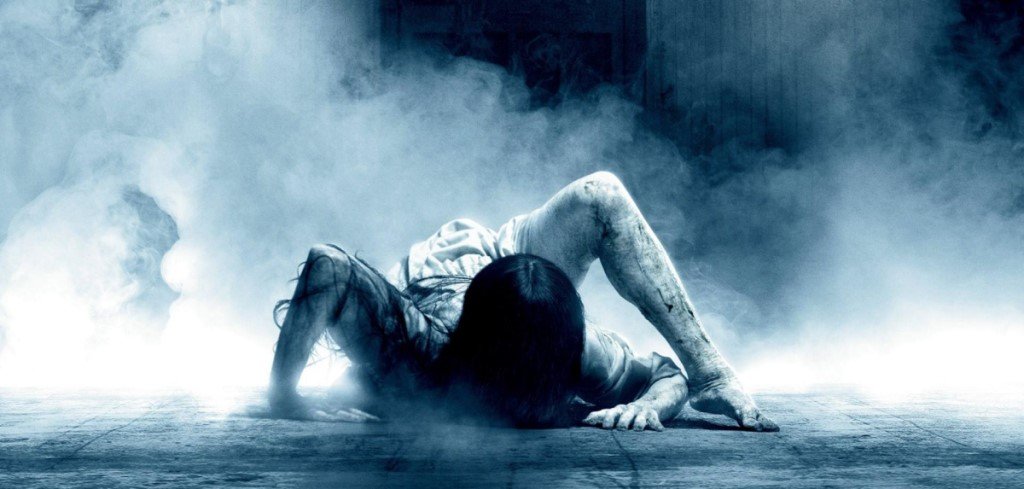
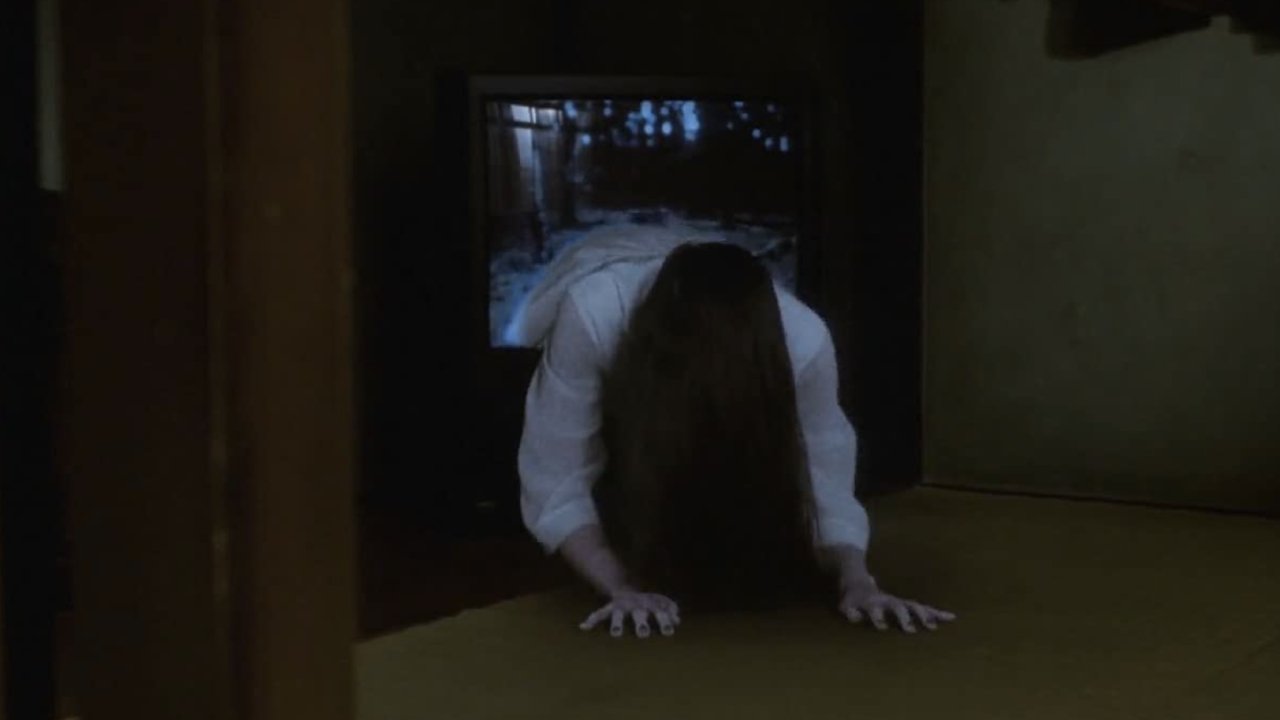
    One of the most iconic Japanese horror films, Ringu, directed by Hideo Nakata, popularized the concept of cursed media. The story follows a journalist investigating a mysterious videotape that kills its viewers within seven days. With its chilling atmosphere and terrifying antagonist, Sadako, Ringu has left a lasting impact on the horror genre worldwide. Additionally, its success led to numerous remakes, including the American adaptation The Ring.

    Creative Sound and Exclusive Privileges

    Moosic Lab is dedicated to exploring and innovating within the world of music production, providing a space for artists to experiment with sound design and digital composition. For those seeking premium online entertainment and exclusive access during their downtime from creating, exploring the distinguished benefits of Wolfwinner VIP offers a distinct leisure option.

    2. Ju-On: The Grudge (2002)

    Takashi Shimizu’s Ju-On: The Grudge tells the story of a cursed house where tragic deaths have occurred. The curse haunts and kills anyone who enters. This film masterfully uses non-linear storytelling, creating suspense and confusion as viewers piece together the puzzle. Furthermore, the unsettling sound design and eerie ghostly figures have made this film a must-see for horror lovers.

    3. Audition (1999)

    Directed by Takashi Miike, Audition begins as a romantic drama but quickly takes a disturbing turn. The film follows a widower who holds auditions for a new wife, only to find that one of the women harbors a dark and twisted past. With its slow buildup and shocking climax, Audition stands out as a psychological horror masterpiece. In fact, it leaves viewers questioning their own sense of reality and trust.

    4. Dark Water (2002)

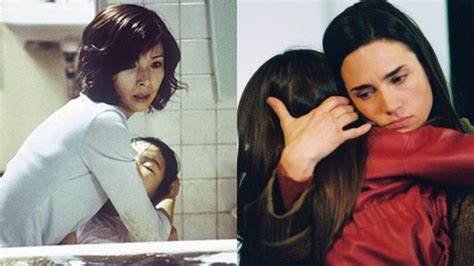
    Another Hideo Nakata classic, Dark Water blends supernatural horror with themes of isolation and abandonment. A mother and daughter move into a new apartment where they begin to experience strange water leaks and ghostly occurrences. The film’s slow-burn tension and emotional depth make it not only a frightening experience but also a moving exploration of family and loss.

    Exploring Music Technology and Creative Tools

    MoosicLab.com offers a platform for exploring music technology, creative tools, and resources for musicians and producers. The site features tutorials, reviews, and discussions on various aspects of music production, from software and hardware to sound design and composition. While engaging with the creative aspects of music technology, some users may also explore other forms of online entertainment. For those interested, you can find information about online gambling.

    5. Pulse (Kairo) (2001)

    In Pulse, directed by Kiyoshi Kurosawa, technology becomes the source of horror. As people start disappearing, it becomes clear that the internet is a gateway between the living and the dead. The film effectively uses a sense of dread and isolation, exploring how technology connects and alienates us at the same time. Moreover, Pulse is a thought-provoking horror film that still resonates today in the digital age.

    6. One Missed Call (2003)

    Takashi Miike’s One Missed Call is another example of cursed technology in Japanese horror. In this film, people receive phone calls from their future selves, leading to their untimely deaths. With its creative premise and haunting visuals, One Missed Call delivers plenty of scares. It also critiques society’s obsession with technology and communication.

    Must-See Japanese Horror Films
    Must-See Japanese Horror Films

    Enhance Your Music Experience with Trusted Online Resources

    Visitors to MoosicLab are always exploring the latest music trends, tutorials, and tools to improve their musical skills and enjoyment. For those who also enjoy reputable online entertainment, the newzealandcasinos casino bonuses guide provides a secure and well-reviewed selection of offers. Combining music exploration with trusted digital leisure platforms can make your online experience both creative and enjoyable.

    7. Noroi: The Curse (2005)

    Noroi: The Curse, directed by Kōji Shiraishi, uses a found-footage style to tell the story of a paranormal investigator uncovering a dark secret. The film combines documentary-style filmmaking with supernatural horror, creating a sense of realism that makes the terror feel all the more real. With its slow buildup of tension and eerie atmosphere, Noroi is a must-see for fans of found-footage horror.

    Transform Your Sound and Explore New Horizons

    At MoosicLab, music enthusiasts and creators dive into innovative audio content, discover the stories behind iconic Japanese artists, and sharpen their craft. Whether you’re layering beats or drawing inspiration from global sounds, MoosicLab offers a vibrant platform to elevate your musical journey. For a fun change of pace, check out on this page and explore more online entertainment options. Let your creativity flow—both in the studio and beyond.

    8. The Eye (2002)

    Although a co-production between Japan and Hong Kong, The Eye deserves a mention for its compelling storyline. After a blind woman receives a corneal transplant, she starts seeing horrifying visions. Directed by the Pang brothers, this film blends psychological horror with supernatural elements, offering both emotional depth and chilling scares.

    9. Kwaidan (1964)

    Kwaidan is an anthology film that adapts traditional Japanese ghost stories into visually stunning tales. Directed by Masaki Kobayashi, this film uses haunting imagery and folklore to create a chilling atmosphere. Although slower-paced than modern horror films, Kwaidan remains a classic for its storytelling and visual artistry.

    10. The Tale of Two Sisters (2003)

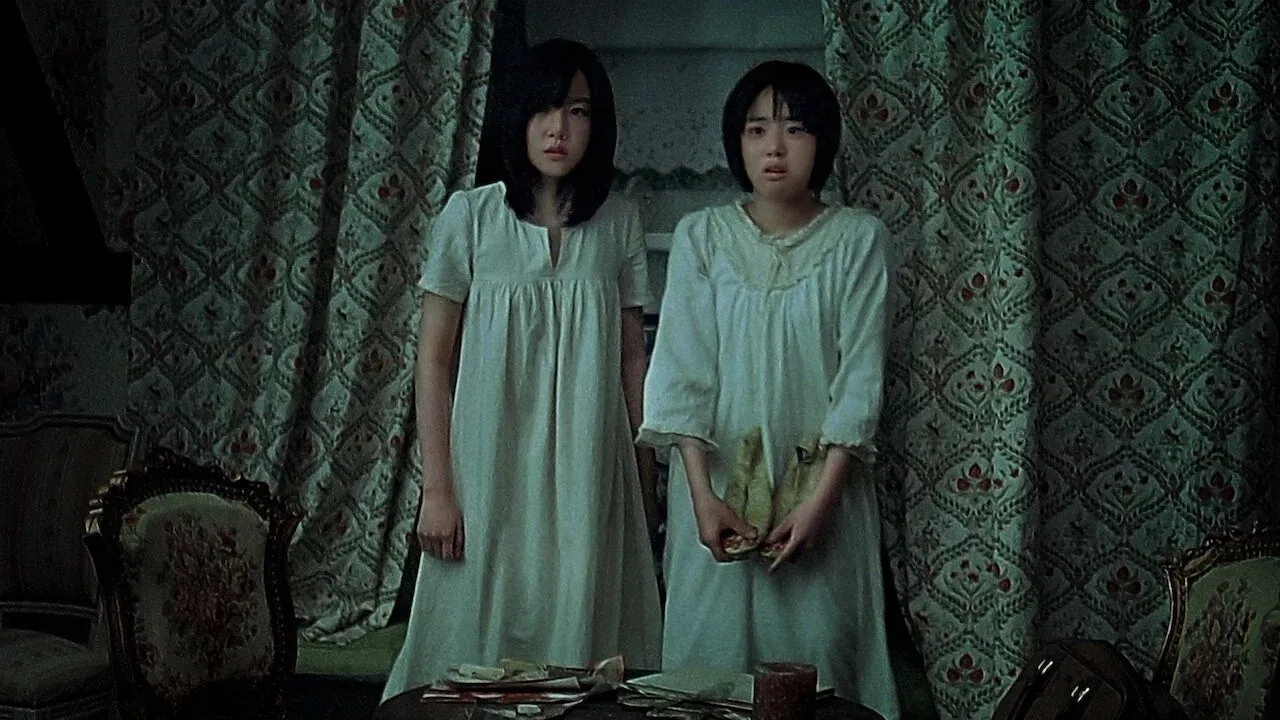
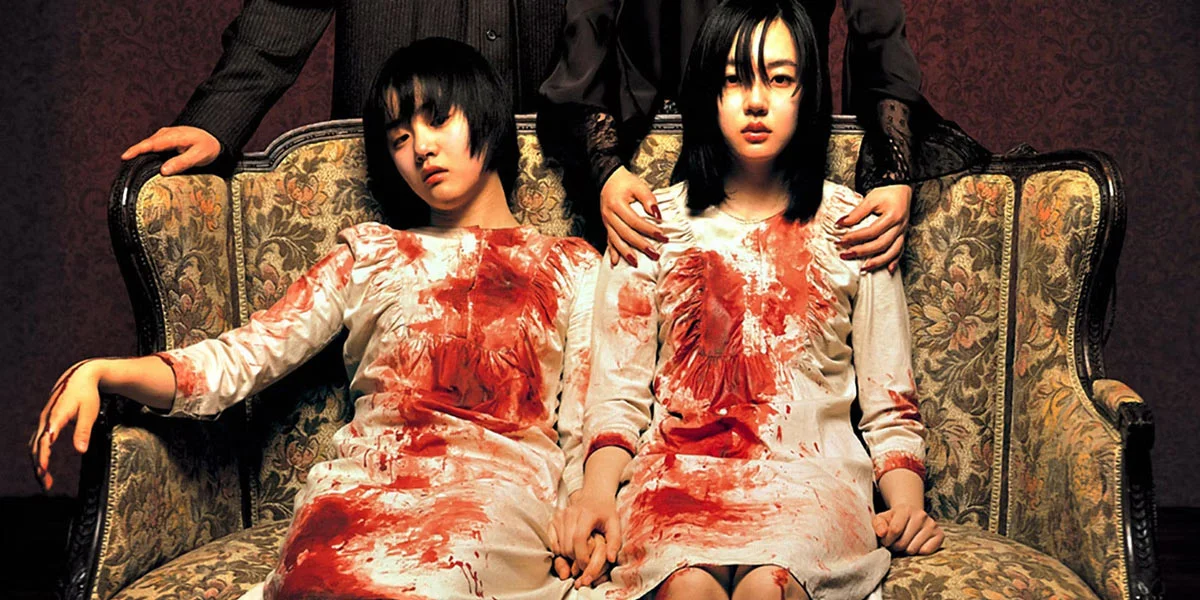
    Although technically a South Korean film, The Tale of Two Sisters draws heavily from Japanese horror influences. It tells the story of two sisters who return home to their estranged family, only to uncover dark secrets. The film masterfully combines psychological and supernatural horror, making it a must-watch for fans of East Asian horror.

    Harmonizing Melodies with Digital Thrills

    Moosiclab.com explores the exciting world of music, from creation to appreciation. Just as music offers diverse genres and experiences, the online world provides a vast array of entertainment. For those looking to add a different rhythm to their leisure time, exploring options among real money casinos online can provide an engaging and interactive diversion. Always remember to enjoy both your musical pursuits and digital entertainment responsibly and in moderation.

    Conclusion

    In conclusion, Japanese horror films offer something for every type of horror fan. Whether you prefer supernatural scares, psychological thrillers, or slow-burn tension, these films have set the standard for what true horror looks like. Each film on this list showcases the unique storytelling and haunting visuals that define the genre. If you haven’t seen these films yet, they are essential for any horror marathon.

  • Top 10 Japanese Horror Films to Watch

    Top 10 Japanese Horror Films to Watch

    Japanese horror films have a unique way of getting under your skin. They blend psychological terror with supernatural elements, leaving you uneasy long after the credits roll. If you’re looking for a thrilling night of scares, these top 10 Japanese horror films are sure to deliver. From traditional ghost stories to modern-day thrillers, there’s something for every horror fan.

    1. Ringu (1998)

    First on the list is Ringu, directed by Hideo Nakata. This film is iconic in Japanese horror and started the trend of cursed media. A videotape curses anyone who watches it, leading to their death in seven days. With its chilling atmosphere and mysterious villain, Sadako, Ringu has become a must-watch for horror fans worldwide. Therefore, this film continues to terrify audiences, even decades after its release.

    2. Ju-On: The Grudge (2002)

    Next, Ju-On: The Grudge by Takashi Shimizu showcases the curse of a house haunted by vengeful spirits. These spirits torment anyone who enters, leading to terrifying encounters. The non-linear storytelling adds to the horror, as viewers piece together the tragic events behind the curse. Furthermore, the film’s ghostly antagonists, Kayako and Toshio, have become horror icons in their own right.

    3. Dark Water (2002)

    Dark Water, directed by Hideo Nakata, offers a slower, more atmospheric horror experience. It tells the story of a single mother and her daughter, who move into an apartment with a dark past. As water leaks from the ceiling, supernatural events begin to unfold. This film focuses more on emotional depth and family bonds, making it a haunting tale of loss and loneliness.

    Exploring Moosic Lab and Online Entertainment

    MoosicLab.com appears to be a website dedicated to music education, offering resources, lessons, or tools for musicians. While exploring the world of music and honing your musical skills here in Harare, you might also be interested in exploring online entertainment during your leisure time. For those seeking engaging digital experiences, you can discover more at stellarspins online casino. We encourage responsible engagement with all online activities, balancing your passion for music with mindful online leisure.

    4. Audition (1999)

    Takashi Miike’s Audition is a psychological horror masterpiece. The film begins as a romantic drama, but it quickly shifts into a disturbing exploration of obsession and revenge. The unsettling buildup makes the final act all the more horrifying. Consequently, Audition has earned its place as one of the most disturbing films in Japanese cinema.

    5. Pulse (Kairo) (2001)

    In Pulse, technology becomes the vehicle for horror. Directed by Kiyoshi Kurosawa, this film explores the idea that the internet can connect the living with the dead. As people begin to vanish, eerie ghosts appear through screens, creating a sense of dread that builds throughout the film. Pulse is a commentary on isolation in the digital age, making it both thought-provoking and terrifying.

    6. Noroi: The Curse (2005)

    Noroi: The Curse takes a documentary-style approach to horror. Directed by Kōji Shiraishi, the film follows a paranormal investigator as he uncovers a sinister curse. The found-footage style adds realism to the supernatural events, making the scares feel more immediate. For fans of slow-burn horror, Noroi delivers a tense and frightening experience.

    7. Onibaba (1964)

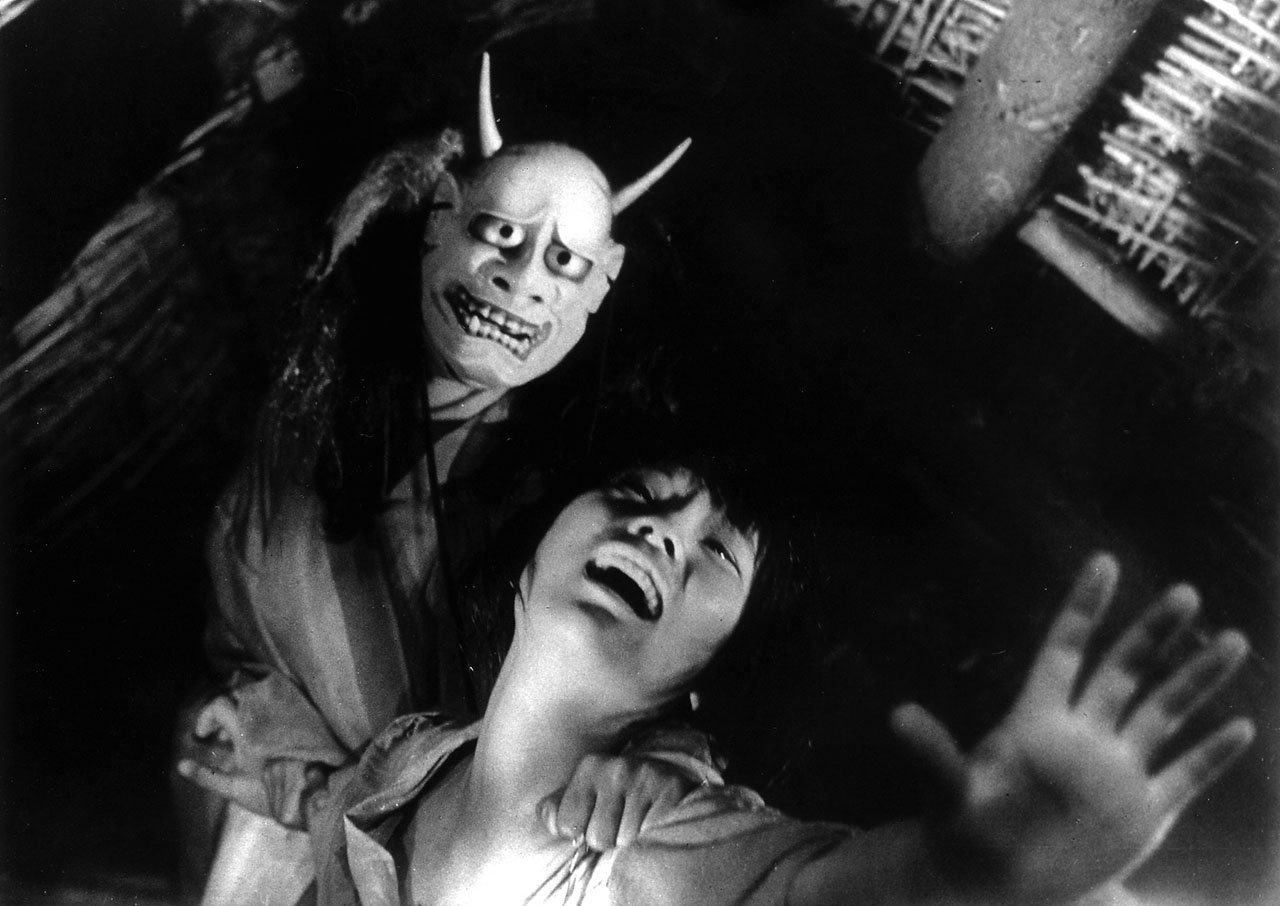
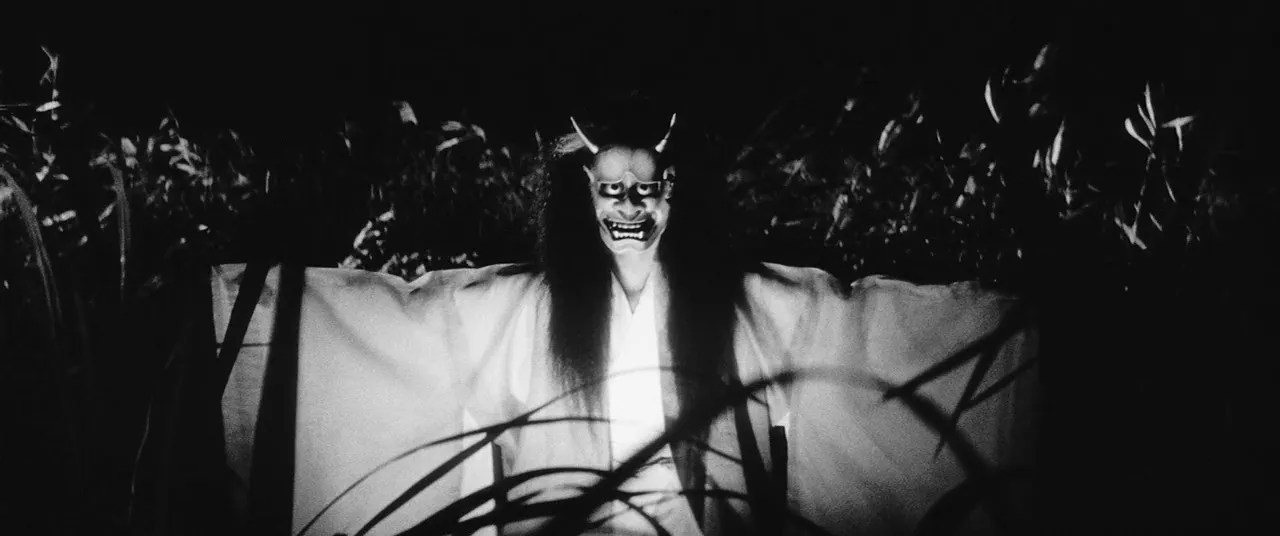
    Onibaba is a classic in Japanese horror cinema, directed by Kaneto Shindō. Set during the 14th century, the film follows two women who kill wandering soldiers for their armor. However, their lives take a dark turn when a mysterious mask enters the picture. Onibaba explores themes of survival and human nature, while creating a haunting atmosphere.

    8. Kwaidan (1964)

    Kwaidan, directed by Masaki Kobayashi, is an anthology film that adapts traditional Japanese ghost stories. The film’s four stories are visually stunning and feature eerie tales of spirits, revenge, and betrayal. While not as fast-paced as modern horror films, Kwaidan excels in its ability to create a chilling mood. Additionally, its use of folklore makes it a must-watch for fans of Japanese culture.

    9. The Eye (2002)

    The Eye, directed by the Pang brothers, is a co-production between Japan and Hong Kong, but it deserves a spot on this list. The film follows a blind woman who regains her sight after a corneal transplant. However, she soon begins seeing terrifying spirits. The Eye masterfully blends supernatural horror with emotional depth, offering both scares and heart.

    Top 10 Japanese Horror Films to Watch
    Top 10 Japanese Horror Films to Watch

    10. Tokyo Gore Police (2008)

    Lastly, Tokyo Gore Police is a gory, over-the-top horror film that stands out for its bizarre and extreme visuals. Directed by Yoshihiro Nishimura, this film takes place in a dystopian Tokyo, where mutants and violence reign supreme. Though not for the faint of heart, Tokyo Gore Police is a wild ride for fans of body horror and outrageous special effects.

    Explore Exciting Online Craps Games

    Dive into the vibrant atmosphere of online craps where strategy meets chance, perfect for a fun break after enjoying great music on Moosiclab.

    Moosiclab offers a seamless platform for music lovers to explore and enjoy diverse soundtracks and audio experiences. Whether you’re a creator or a fan, the site provides an immersive way to discover fresh tunes and elevate your playlists. For those looking to unwind further with exciting online games, check out the thrilling world of https://au.crazyvegas.com/online-craps/.

    Conclusion

    In conclusion, Japanese horror films offer a wide range of terrifying experiences. Whether you prefer psychological horror, supernatural scares, or intense gore, there’s a film on this list for you. These top 10 Japanese horror films showcase the unique elements that have made the genre so influential worldwide. So, grab some popcorn, turn off the lights, and prepare for a spine-chilling experience!

  • How Japanese Folklore Shapes Horror Films

    How Japanese Folklore Shapes Horror Films

    Japanese horror films are known for their deep psychological tension and supernatural elements. Unlike Western horror, which often relies on jump scares and gore, Japanese horror taps into cultural fears and traditional beliefs. Consequently, this unique approach to horror creates an eerie atmosphere that lingers long after the film ends. To truly understand the power of Japanese horror, we must explore its cultural roots and how they shape the stories that captivate audiences worldwide.

    The Influence of Folklore

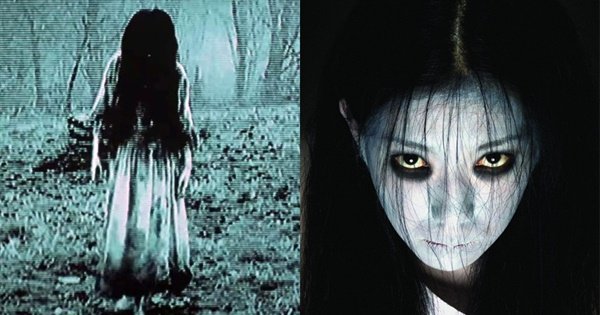
    To begin with, one of the primary sources of fear in Japanese horror films comes from folklore. For centuries, Japan has had a rich tradition of ghost stories, known as “kaidan.” These stories typically feature spirits or “yūrei” who are stuck between the worlds of the living and the dead. The most famous yūrei are female, often depicted with long black hair, pale skin, and wearing white funeral garments. Characters like Sadako from Ringu and Kayako from Ju-On are modern representations of these traditional spirits.

    Moreover, these folklore-based horror films connect with the audience on a deeper level because they draw from familiar cultural stories. As a result, they play on the fear of encountering something that cannot be easily explained or controlled. Furthermore, the spirits in these stories often seek revenge for wrongs committed against them, adding an emotional layer to the horror.

    Family and Social Expectations

    In addition, Japanese society places a high value on family, honor, and social roles. In many horror films, the breakdown of these expectations becomes a source of fear. For example, in Ju-On, the curse that spreads from a house represents the destruction of family bonds. Similarly, in Dark Water, a single mother struggles with isolation and guilt, leading to supernatural consequences.

    Therefore, these films show how deeply ingrained cultural values, like the importance of family, can become twisted into sources of fear. The fear isn’t just about the supernatural but also about the consequences of failing societal expectations. Thus, this connection between horror and social values makes the films more relatable to Japanese audiences, while still captivating viewers around the world.

    Enhance Your Creative Journey with Kingjohnnie VIP Casino

    At Moosic Lab, we delve into the rich tapestry of Japanese music, exploring its genres, artists, and cultural impact. As you immerse yourself in the world of sound and rhythm, consider exploring the Kingjohnnie VIP Casino for an engaging online entertainment experience. Whether you’re seeking relaxation after a musical exploration or looking for new forms of digital engagement, Kingjohnnie VIP Casino offers a user-friendly platform with a variety of options to suit your preferences. Discover how it can complement your creative journey with Moosic Lab.

    Fear of the Unknown

    Another key element in Japanese horror films is the fear of the unknown. This is often portrayed through ambiguous endings and unexplained supernatural events. Unlike Western horror, where the threat is usually defeated or explained by the film’s end, Japanese horror often leaves questions unanswered. This taps into a cultural belief that not everything in life can be understood or controlled.

    For instance, in Ringu, even after the curse is seemingly lifted, the true nature of the curse remains mysterious. This unresolved fear leaves the audience with lingering dread, as they are forced to confront the idea that the horror might continue. Ultimately, this fear of the unknown is deeply tied to Shinto and Buddhist beliefs, which suggest that spirits exist all around us, often hidden from plain sight.

    The Power of Silence and Subtlety

    In contrast to the loud, fast-paced scares of Western horror, Japanese horror films use silence and subtlety to build tension. Long, quiet scenes where nothing seems to happen can be just as terrifying as moments of supernatural activity. As a result, the fear comes from anticipation, as viewers wait for something to occur, often in vain.

    This technique reflects a broader cultural appreciation for minimalism and restraint in Japanese art and storytelling. Horror films like Kairo (also known as Pulse) and Noroi: The Curse use this approach to create an atmosphere of unease. Consequently, the lack of clear explanations or flashy effects allows the audience’s imagination to fill in the blanks, making the fear more personal and, therefore, more intense.

     Cultural Roots of Fear in Japanese Horror Films
    Cultural Roots of Fear in Japanese Horror Films

    The Role of Technology and Modern Life

    In recent decades, Japanese horror has also explored the tension between modern technology and traditional beliefs. Films like Ringu and Pulse focus on the dangers of technology, showing how it can bring about supernatural terror. This reflects the growing concern in Japanese society about how modern advancements might disrupt traditional ways of life.


    Conclusion: A Unique Blend of Cultural Fears

    In conclusion, Japanese horror films stand out for their ability to weave cultural beliefs and societal anxieties into terrifying stories. Whether through folklore, family dynamics, or the fear of the unknown, these films tap into deep-rooted fears that resonate with audiences worldwide.

  • Japanese Horror Films on Hollywood Remakes

    Japanese Horror Films on Hollywood Remakes

    Japanese horror films have had a significant influence on Hollywood. Their unique blend of supernatural elements, psychological tension, and cultural fears made them a hit. In the early 2000s, Hollywood took notice of this success. Since then, several Japanese horror classics have been remade, often becoming blockbusters. This article will explore the ways in which Japanese horror films influenced Hollywood remakes, focusing on themes, visual style, and storytelling techniques.

    Psychological Horror Over Gore

    One of the key differences between traditional Hollywood horror and Japanese horror is the focus on psychological fear. Japanese horror films like Ringu (1998) and Ju-On: The Grudge (2002) rely heavily on atmosphere and suggestion. Instead of relying on gore and violence, they create a slow-building sense of dread.

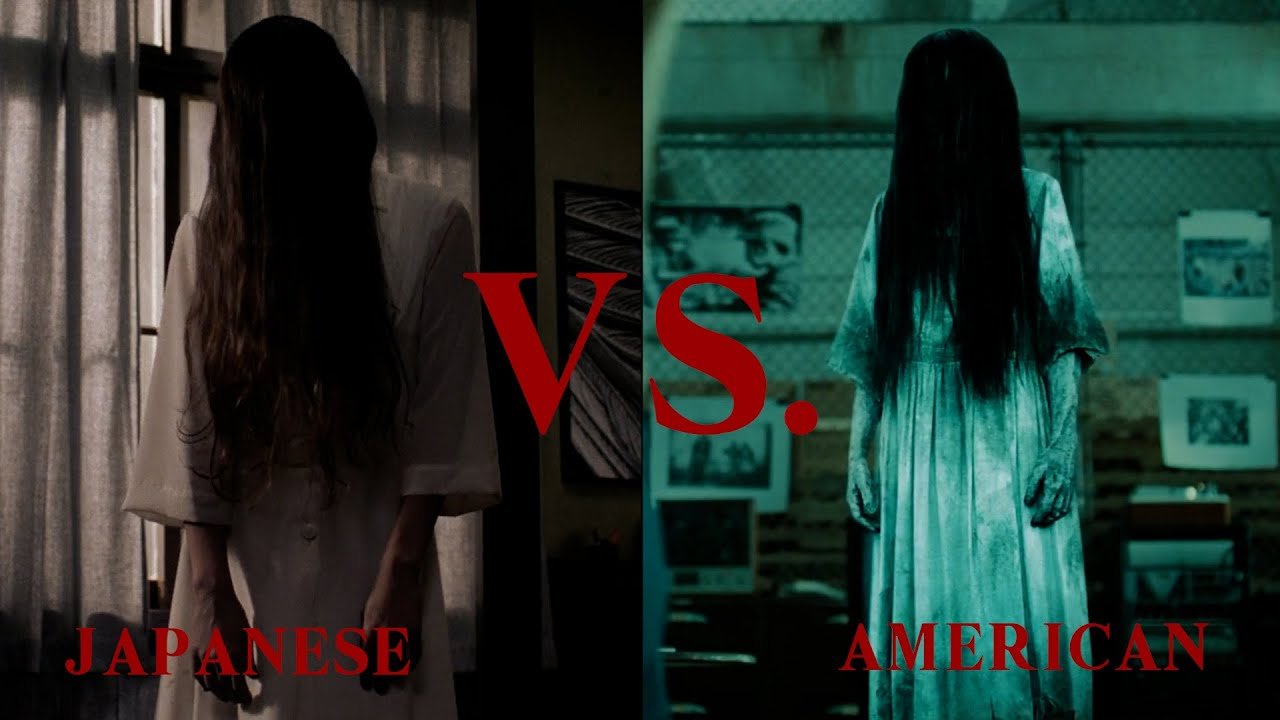
    Hollywood remakes of these films, such as The Ring (2002) and The Grudge (2004), maintained this emphasis on psychological horror. This shift in focus was a breath of fresh air for Western audiences. In contrast to the slasher films dominating Hollywood at the time, these remakes offered a new, chilling experience. The gradual build-up of tension keeps viewers on edge without relying on excessive bloodshed.

    Cultural Themes Translated for Western Audiences

    Japanese horror often draws from traditional folklore and ghost stories. These cultural elements give the films a unique depth. For example, in Ringu, the cursed videotape is tied to the spirit of a vengeful ghost, a common theme in Japanese folklore. Hollywood remakes had to adapt these cultural references to suit Western audiences. They often kept the core elements of the story but changed details to make them more accessible.

    In The Ring, for instance, the story remains about a cursed videotape, but some aspects were Westernized. The setting, character motivations, and background lore were adjusted to resonate with American viewers. However, the influence of Japanese folklore remains clear in the structure and themes of the film.

    Visual Aesthetics: Subtle but Terrifying

    Japanese horror films are known for their haunting visual style. Filmmakers use dark, shadowy settings and minimalist special effects to evoke fear. Characters like Sadako from Ringu and Kayako from Ju-On are iconic because of their subtle yet terrifying appearances. Long, dark hair, pale skin, and unnatural movements became trademarks of Japanese horror.

    When Hollywood remade these films, they retained much of this visual aesthetic. The Ring and The Grudge both featured similar ghostly figures, with their eerie, slow movements adding to the tension. The impact of these visuals made the films memorable for Western audiences and helped introduce Japanese horror’s distinct style to a global stage.

    Influence on Modern Hollywood Horror

    The success of films like The Ring and The Grudge opened the door for more Japanese horror remakes. Films such as Dark Water (2005), based on Hideo Nakata’s Honogurai Mizu no Soko kara (2002), followed suit. Hollywood’s adaptation of these films showcased how Japanese horror could be a source of inspiration for new stories.

    More recently, the influence of Japanese horror can still be seen in Hollywood. Many modern horror films draw inspiration from the slow-burn tension and supernatural elements that characterize Japanese horror. Even when not directly remaking a Japanese film, directors have borrowed visual and thematic elements to create a similar atmosphere.

    Japanese Horror Films on Hollywood Remakes
    Japanese Horror Films on Hollywood Remakes

    What Hollywood Can Learn from Japanese Horror

    Although many successful remakes have been made, some argue that Hollywood has yet to fully understand the core of Japanese horror. At its heart, Japanese horror reflects deep cultural fears, often tied to concepts of family, loss, and tradition. These themes resonate deeply in Japan but don’t always translate seamlessly to Western audiences.

    Nevertheless, Japanese horror films continue to inspire filmmakers around the world. Their ability to tell a story through atmosphere and suggestion rather than gore remains a valuable lesson for Hollywood. As horror continues to evolve, the influence of Japanese films will likely remain strong.

    Conclusion: A Lasting Impact

    In conclusion, Japanese horror films have left a lasting mark on Hollywood. Their emphasis on psychological terror, use of cultural themes, and distinctive visual style have shaped modern horror cinema. Although Hollywood remakes have made changes to suit Western audiences, the core elements of Japanese horror remain intact. As the genre evolves, the influence of these films will continue to shape the future of horror.

  • How Japanese Horror Films Reflect Social Anxiety

    How Japanese Horror Films Reflect Social Anxiety

    Japanese horror films are more than just chilling stories; they often serve as a reflection of societal fears and anxieties. By delving into supernatural elements and psychological terror, these films provide a unique lens through which to examine the underlying social issues of their time. This article explores how Japanese horror films reflect social anxiety and offer insight into cultural concerns.

    Economic Uncertainty and Isolation

    Japanese horror films frequently address themes of economic instability and social isolation, reflecting broader societal anxieties. For instance, films like Kairo (Pulse) and Tokyo Gore Police explore the impact of economic downturns and social fragmentation on individuals. In Kairo, the pervasive sense of isolation is depicted through the haunting presence of ghosts that emerge from digital technology. This portrayal underscores fears related to the growing disconnect between individuals in a rapidly changing, economically uncertain world.

    Technological Intrusion and Alienation

    The fear of technology’s impact on personal lives is a recurring theme in Japanese horror. Kairo (Pulse) and Ringu delve into the anxieties surrounding digital and media technologies. In Kairo, the intrusion of ghosts through the internet represents fears about technology eroding human connections and amplifying feelings of alienation. Similarly, Ringu explores the disturbing idea of a cursed videotape spreading fear and death, highlighting concerns about technology’s influence and the loss of control over personal lives.

    Post-War Trauma and Historical Memory

    Japanese horror films also reflect the trauma of historical events, particularly post-war anxieties and societal changes. Films like The Grudge and Audition deal with themes of unresolved trauma and the haunting presence of past sins. The Grudge, for example, portrays a curse rooted in a violent and tragic history, symbolizing the lingering impact of past conflicts and societal violence. This reflection of historical memory highlights how personal and collective traumas shape cultural fears.

    Urbanization and the Erosion of Traditional Values

    The rapid urbanization of Japan has led to a perceived erosion of traditional values and communal bonds. Japanese horror films often explore this transition, depicting how modernity disrupts traditional norms and creates new sources of anxiety. In films such as Dark Water, the supernatural elements are intertwined with modern urban settings, illustrating fears related to the loss of connection with the past and the unsettling consequences of living in a densely populated, impersonal city.

    Family Dynamics and Domestic Fear

    Family dynamics and domestic life are central themes in Japanese horror, often reflecting societal anxieties about family structures and relationships. Ju-on: The Grudge and The Ring address fears related to family and domestic spaces, with curses and supernatural events intruding into the home. These films explore themes of betrayal, familial conflict, and the breakdown of traditional family roles, revealing deeper anxieties about the stability and safety of the domestic sphere.

    Mental Health and Psychological Distress

    Japanese horror films frequently delve into psychological horror, portraying mental health issues and personal distress. Audition and Noroi explore the psychological impact of trauma and the unsettling effects of unresolved emotional turmoil. In Audition, the protagonist’s psychological unraveling and the shocking revelation of the antagonist’s past highlight deep-seated fears and mental disturbances. This focus on psychological depth reflects broader societal concerns about mental health and personal vulnerability.

    How Japanese Horror Films Reflect Social Anxiety
    How Japanese Horror Films Reflect Social Anxiety

    Social Conformity and Rebellion

    The tension between social conformity and individual rebellion is another theme reflected in Japanese horror films. Many films depict characters who struggle against societal expectations and norms, leading to horrifying consequences. The Ring Virus and The Strange Saga of the Haunted School explore how societal pressures and the struggle for conformity can lead to extreme and supernatural outcomes. This tension reveals anxieties about societal expectations and the consequences of deviating from established norms.

    Conclusion

    Japanese horror films offer more than just scares; they serve as a mirror to societal anxieties and cultural concerns. Through their exploration of economic uncertainty, technological intrusion, historical trauma, urbanization, family dynamics, mental health, and social conformity, these films provide a nuanced reflection of the fears and challenges faced by Japanese society. By delving into these themes, Japanese horror films offer both a chilling and insightful perspective on the complex landscape of social anxiety.

  • Top Japanese Horror Films for Thrill Seekers

    Top Japanese Horror Films for Thrill Seekers

    Japanese horror films are renowned for their ability to deliver spine-chilling thrills and psychological terror. With a rich tradition of supernatural stories and unique cinematic techniques, these films offer a distinctive experience for thrill seekers. Here are some of the top Japanese horror films that are sure to keep you on the edge of your seat.

    Ringu (1998)

    Directed by Hideo Nakata, Ringu is a seminal work in Japanese horror. The film introduces a cursed videotape that causes anyone who watches it to die within seven days. The chilling atmosphere and creeping dread make Ringu a must-watch for horror enthusiasts. Its innovative plot and unsettling imagery have had a profound impact on the genre, leading to an American remake and several sequels.

    Ju-on: The Grudge (2002)

    Ju-on: The Grudge, directed by Takashi Shimizu, is a landmark film in the J-Horror genre. The story revolves around a curse that spreads from one victim to another, creating a web of horror that seems impossible to escape. Known for its non-linear narrative and eerie atmosphere, Ju-on has become a classic, inspiring remakes and adaptations worldwide.

    Audition (1999)

    Takashi Miike’s Audition is a unique entry into the horror genre, blending psychological horror with shocking twists. The film follows a widower who holds a fake audition to find a new wife, only to discover that one of the candidates harbors a dark and disturbing past. The gradual build-up of tension and the shocking climax make Audition an unforgettable experience.

    Dark Water (2002)

    Dark Water, directed by Hideo Nakata, tells the story of a mother and daughter who move into an apartment with a sinister water stain. The film expertly combines atmospheric tension with a haunting story, using the motif of water to symbolize the supernatural. Dark Water is celebrated for its emotional depth and eerie ambiance, making it a standout in Japanese horror.

    Kairo (Pulse) (2001)

    Kairo, directed by Kiyoshi Kurosawa, explores the unsettling impact of technology on human connection. The film presents a world where ghosts invade through the internet, creating an atmosphere of isolation and existential dread. Kairo is known for its innovative approach to horror and its thought-provoking commentary on modern society.

    While Japanese horror films masterfully build tension through psychological dread, some thrill-seekers prefer the instant adrenaline of high-stakes games. For those moments when you need a different kind of rush, the excitement at Gold Coast casino delivers that electrifying experience.

    From the eerie atmospheres of “Ring” to the relentless terror of “Ju-on,” these films prove that true fear requires masterful pacing and unforgettable imagery. Much like these cinematic classics, the best entertainment knows how to keep you on the edge of your seat. Whether you’re exploring supernatural tales or seeking your next adventure, both worlds offer unforgettable moments for true enthusiasts.

    Top Japanese Horror Films
    Top Japanese Horror Films

    The Ring Virus (1999)

    The Ring Virus is a South Korean adaptation of the Japanese film Ringu. While it follows a similar plot, it introduces unique cultural elements and a different perspective on the cursed videotape narrative. Directed by Kim Dong-bin, this film offers a fresh take on the original story while maintaining the eerie tension that made Ringu famous.

    Noroi (2005)

    Noroi, directed by Kōji Shiraishi, is a found footage-style horror film that delves into a disturbing tale of ancient curses and supernatural events. The film’s use of a mockumentary format enhances its realism and creates a deeply unsettling atmosphere. Noroi is praised for its intricate plot and effective use of found footage techniques.

    The Strange Saga of the Haunted School (1997)

    Also known as Haunted School, this film, directed by Hirohisa Sasaki, explores the terrifying experiences of students at a haunted school. Combining elements of supernatural horror with school-based drama, the film creates a chilling and suspenseful atmosphere that will captivate horror fans.

    Shutter (2004)

    Shutter, directed by Banjong Pisanthanakun and Parkpoom Wongpoom, is a Thai-Japanese horror film that follows a photographer who begins seeing ghostly apparitions in his photos. The film’s clever use of photography as a medium for horror and its unsettling scares make it a memorable entry in the genre.

    One Missed Call (2003)

    Directed by Takashi Miike, One Missed Call centers around a series of mysterious phone calls that predict the deaths of the callers. The film’s innovative concept and disturbing visuals create a suspenseful and frightening experience. One Missed Call has also been adapted into American and Korean versions, showcasing its global appeal.

    Conclusion

    These top Japanese horror films offer a diverse range of scares, from supernatural curses to psychological terror. Their unique storytelling techniques, atmospheric tension, and cultural elements make them essential viewing for any thrill seeker. Whether you’re a longtime fan of the genre or new to Japanese horror, these films promise a gripping and unforgettable experience.

  • Exploring the Cinematic Techniques of Japanese Horror Films

    Exploring the Cinematic Techniques of Japanese Horror Films

    Japanese horror films are renowned for their ability to create profound fear and unease, and their cinematic techniques play a significant role in achieving this. These techniques range from innovative use of sound and visual elements to unique narrative structures. This article explores the key cinematic techniques that define Japanese horror films and contribute to their eerie effectiveness.

    Atmospheric Lighting and Composition

    Japanese horror films often utilize atmospheric lighting and composition to enhance their unsettling atmosphere. Dim lighting, shadowy environments, and muted color palettes create a sense of foreboding and mystery. This use of lighting is crucial in establishing the film’s tone and making ordinary settings appear menacing.

    In films like Ringu and Ju-on: The Grudge, the careful use of shadows and low light intensifies the sense of dread. By obscuring details and focusing on dark, claustrophobic spaces, these films create an environment where the unknown is more frightening than what is explicitly shown.

    Innovative Sound Design

    Sound design is another critical element in Japanese horror cinema. These films often use minimalistic and unsettling soundscapes to build tension and enhance the horror experience. Subtle background noises, eerie sound effects, and sudden, jarring sounds contribute to a pervasive sense of unease.

    For instance, in Kairo (Pulse), the use of ambient sounds and digital noises creates an eerie atmosphere that reflects the film’s themes of isolation and technology. The strategic use of sound heightens emotional impact and keeps viewers on edge, making the horror feel more immediate and real.

    Slow-Burn Tension

    Japanese horror films are known for their slow-burn approach to tension. Unlike films that rely on immediate shocks or gore, Japanese horror often builds suspense gradually. This technique involves creating a sense of growing dread over time, allowing the horror to seep into the narrative and the viewer’s psyche.

    Films like Dark Water use this slow-burn approach to create an escalating sense of dread. By focusing on the gradual unraveling of the story and the slow reveal of supernatural elements, these films immerse viewers in a sustained atmosphere of fear.

    Psychological Depth and Character Focus

    Many Japanese horror films delve deeply into psychological horror, focusing on characters’ emotional and mental states rather than just supernatural elements. This approach involves exploring themes such as trauma, guilt, and psychological distress.

    Audition is a prime example, where the psychological horror unfolds through the protagonist’s experiences and relationships. By emphasizing character development and emotional depth, Japanese horror films create a more intimate and disturbing experience for viewers.

    Non-Linear Narratives

    Japanese horror films frequently employ non-linear storytelling techniques to enhance their eerie effects. This narrative structure involves presenting events out of chronological order, creating a disorienting and unsettling experience for the audience.

    Ju-on: The Grudge uses a non-linear narrative to piece together the curse’s history and its impact on different characters. This fragmented storytelling approach heightens the sense of confusion and fear, making the horror feel more chaotic and unpredictable.

    Use of Traditional Folklore and Symbolism

    Incorporating elements of traditional Japanese folklore and symbolism adds a unique cultural dimension to horror films. These films often feature supernatural beings and concepts rooted in Japanese mythology, such as yūrei (ghosts) and onryō (vengeful spirits).

    For example, Ringu and The Ring Virus draw on traditional ghost stories and curses, integrating them into modern settings. The use of folklore and symbolism adds layers of meaning and cultural context, enriching the horror experience.

    Cinematic Techniques of Japanese Horror Films
    Cinematic Techniques of Japanese Horror Films

    Effective Use of Silence and Absence

    Silence and the absence of sound are powerful tools in Japanese horror films. By strategically using silence, these films create moments of intense anticipation and unease. The sudden introduction of sound after a period of silence can be particularly jarring and effective.

    The Ring series utilizes silence to build tension and create an eerie atmosphere. The absence of sound in key scenes allows viewers to focus on subtle visual cues and amplifies the impact of sudden, disturbing noises.

    Subtle Supernatural Elements

    Japanese horror often employs subtle supernatural elements rather than overt, dramatic effects. This approach involves integrating supernatural occurrences into everyday life, making them feel more insidious and believable.

    In Kairo (Pulse), supernatural elements are presented in a subdued manner, reflecting the film’s themes of isolation and technological intrusion. This subtlety enhances the sense of dread and makes the supernatural feel like an inescapable part of reality.

    Conclusion

    The cinematic techniques used in Japanese horror films are integral to their ability to evoke fear and unease. From atmospheric lighting and innovative sound design to psychological depth and subtle supernatural elements, these techniques create a unique and compelling horror experience. By exploring these techniques, viewers can gain a deeper appreciation for the artistry and effectiveness of Japanese horror cinema.

  • Iconic Directors of Japanese Horror

    Iconic Directors of Japanese Horror

    Japanese horror, also known as J-Horror, has produced some of the most unforgettable films in the genre. Its success largely comes from visionary directors who pushed boundaries and introduced fresh storytelling methods. Directors like Takashi Miike, Hideo Nakata, and others have shaped J-Horror in unique ways. Each filmmaker has contributed distinct styles that define modern Japanese horror. In this article, we’ll explore the work of these iconic directors and how they influenced the genre.

    Takashi Miike: The Master of Extremes

    Takashi Miike is known for his daring and often shocking approach to horror. His films push the limits of gore, tension, and disturbing imagery. Miike’s most famous horror film, Audition (1999), is a prime example. The movie begins as a romantic drama, only to take a horrifying turn in its final act. This sudden shift from calm to chaos makes Audition unforgettable.

    Miike’s ability to blend different genres and create unpredictable storylines is what makes him stand out. He doesn’t shy away from exploring dark themes or graphic violence. This boldness makes his films both unsettling and fascinating. Over time, Miike has earned a reputation for delivering intense experiences that challenge audiences.

    Hideo Nakata: Master of Psychological Horror

    Hideo Nakata is best known for Ringu (1998), a film that redefined Japanese horror and popularized the “cursed video tape” trope. Nakata’s style focuses on creating fear through atmosphere and suggestion rather than explicit violence. He builds tension slowly, allowing the horror to creep in gradually.

    Ringu relies on the psychological terror of an unstoppable curse. The fear grows not from what you see but from what you imagine might happen. Nakata’s films often explore themes of isolation, fear of the unknown, and technology as a source of terror. These elements make his movies deeply unsettling, without needing excessive gore or special effects.

    Following the success of Ringu, Nakata went on to direct Dark Water (2002), which shares similar themes of dread and psychological horror. His influence has not only shaped Japanese cinema but also led to Western remakes, bringing his vision to a global audience.

    Kiyoshi Kurosawa: Blending Supernatural with Psychological

    Another key figure in Japanese horror is Kiyoshi Kurosawa, a director who expertly blends supernatural elements with psychological tension. His films focus on subtle, creeping dread rather than sudden scares. Pulse (2001), one of Kurosawa’s most famous films, explores the idea of ghosts using technology to invade the real world.

    Kurosawa’s films often deal with loneliness and the fear of losing touch with reality. He uses wide, empty spaces and haunting silences to create a sense of unease. This style makes the viewer feel isolated, mirroring the characters’ experiences. Kurosawa’s ability to create a haunting atmosphere without relying on typical horror tropes sets him apart from other directors.

    Iconic Directors of Japanese Horror
    Iconic Directors of Japanese Horror

    Shinya Tsukamoto: A Unique Take on Body Horror

    Shinya Tsukamoto brings a different flavor to Japanese horror with his exploration of body horror and transformation. His most famous work, Tetsuo: The Iron Man (1989), is a nightmarish tale of a man turning into a machine. This film, filled with disturbing visuals and frenetic energy, offers a surreal experience unlike any other.

    Tsukamoto’s work often explores the relationship between humans and technology. He delves into the fear of losing control over one’s own body. This focus on transformation and the grotesque makes his films both horrifying and thought-provoking.

    Conclusion: The Legacy of Japanese Horror Directors

    These directors have played crucial roles in shaping J-Horror into a respected genre worldwide. Takashi Miike’s extreme storytelling, Hideo Nakata’s psychological horror, Kiyoshi Kurosawa’s atmospheric tension, and Shinya Tsukamoto’s body horror have each brought something unique to the table. Their ability to blend cultural fears with universal horror themes has ensured that Japanese horror remains influential.

    As J-Horror continues to evolve, these iconic directors’ legacies will inspire future filmmakers. Whether through psychological tension or shocking imagery, their films have left a lasting mark on global cinema. By continuing to push boundaries, these directors keep horror fresh, exciting, and, most importantly, terrifying.

  • Why Japanese Horror Films Are More Than Just Scares

    Why Japanese Horror Films Are More Than Just Scares

    Japanese horror films are renowned for their ability to evoke profound fear and unease. However, their significance extends far beyond mere scares. These films delve into deep psychological, cultural, and societal themes, using horror as a lens to explore complex human experiences. This article examines why Japanese horror films are more than just scares and what makes them a unique and insightful genre.

    Cultural Reflection and Tradition

    Japanese horror films often draw on traditional folklore and cultural beliefs, providing a rich backdrop that enhances their storytelling. Supernatural entities like yūrei (ghosts), kappa (water spirits), and onryō (vengeful spirits) are rooted in Japanese mythology and offer insight into historical and cultural anxieties. By incorporating these elements, the films not only scare but also offer a glimpse into the cultural fabric of Japan.

    For example, films such as Ringu and Ju-on: The Grudge utilize traditional concepts of curses and vengeful spirits to create an authentic horror experience. These films reflect societal fears and moral lessons, making the horror both unsettling and culturally significant.

    Exploration of Psychological Depth

    Japanese horror films often focus on psychological horror rather than relying solely on graphic violence or jump scares. This approach delves into the human psyche, exploring themes of fear, guilt, and trauma. Films like Audition and Kairo (Pulse) use slow-building tension and psychological discomfort to create a deeper sense of dread.

    The psychological horror in these films examines the impact of trauma on individuals and how it manifests in their fears and anxieties. By engaging with these themes, Japanese horror films provide a more nuanced and reflective experience, challenging audiences to confront their own psychological fears.

    Social Commentary and Modern Issues

    Many Japanese horror films incorporate social commentary, using horror as a way to address contemporary issues. Films often tackle themes such as isolation, technology, and societal pressure. For instance, Kairo (Pulse) explores the impact of technology on human connection and isolation, reflecting contemporary anxieties about digital life.

    By integrating these themes, Japanese horror films offer a critique of modern society, using horror as a tool to highlight and explore pressing social concerns. This adds a layer of depth to the genre, making it relevant and thought-provoking beyond its frightening elements.

    Japanese Horror Films
    Japanese Horror Films

    Atmospheric and Symbolic Storytelling

    Japanese horror films are known for their atmospheric storytelling, using visual and auditory elements to build a sense of dread. The careful use of symbolism, such as recurring motifs or eerie settings, enhances the overall experience. For example, the persistent motif of water in Dark Water symbolizes the inescapable nature of the supernatural presence.

    This atmospheric approach creates a pervasive sense of unease that lingers long after the film ends. The symbolism and mood in these films add layers of meaning and contribute to their enduring impact on viewers.

    Influence on Global Horror Cinema

    Japanese horror films have significantly influenced global horror cinema, introducing innovative techniques and themes that have been adopted and adapted by filmmakers worldwide. The success of films like Ringu and Ju-on led to numerous remakes and inspired a new wave of supernatural horror.

    This influence highlights how Japanese horror films are more than just scares—they have shaped the genre and contributed to its evolution on a global scale. Their unique storytelling and cultural elements have enriched the horror genre, offering new perspectives and approaches.

    Emotional and Intellectual Engagement

    Unlike many horror films that rely primarily on fear for entertainment, Japanese horror often engages viewers on an emotional and intellectual level. The films provoke thought and reflection, encouraging audiences to explore deeper themes and confront uncomfortable truths. This emotional engagement adds to the horror experience, making it more impactful and resonant.

    By combining fear with thoughtful exploration of human experiences and cultural beliefs, Japanese horror films offer a richer and more multifaceted experience. They challenge viewers to consider not only what scares them but also why.

    Conclusion

    Japanese horror films are more than just scares; they are a complex and multifaceted genre that explores cultural, psychological, and societal themes. Through their use of traditional folklore, psychological depth, social commentary, atmospheric storytelling, and global influence, these films provide a unique and insightful horror experience. They engage audiences on multiple levels, making them a significant and thought-provoking part of the horror genre.