Category: Japanese Horror Movies

  • How Japanese Anime Films Have Influenced Global Pop Culture

    How Japanese Anime Films Have Influenced Global Pop Culture

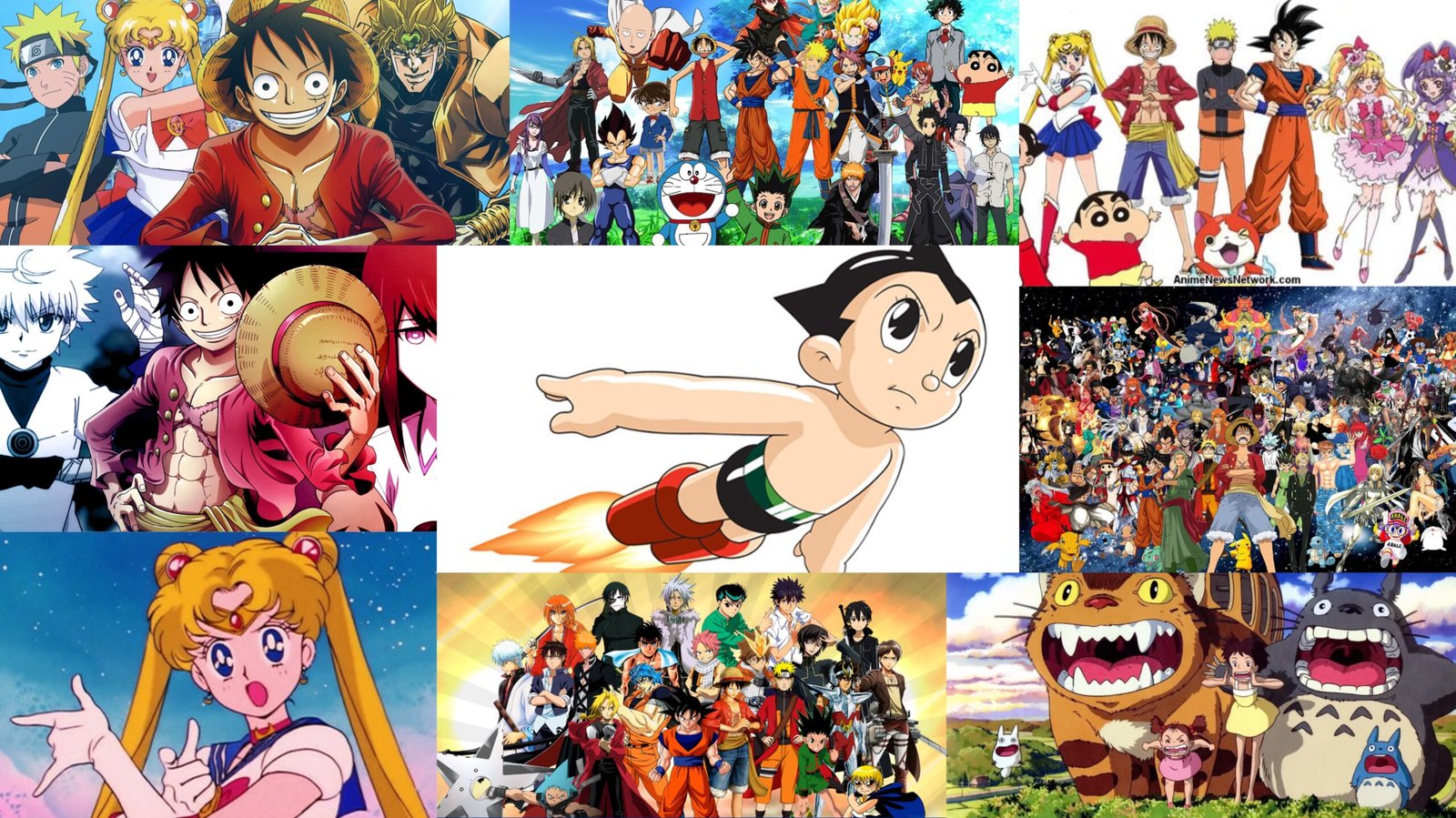
    Japanese anime films have made a significant impact on global pop culture, shaping trends and inspiring creativity across various media. From influencing fashion and music to altering perceptions of animation, anime’s reach extends far beyond its Japanese origins. This article explores how Japanese anime films have influenced global pop culture, highlighting key areas of impact.

    Fashion and Design

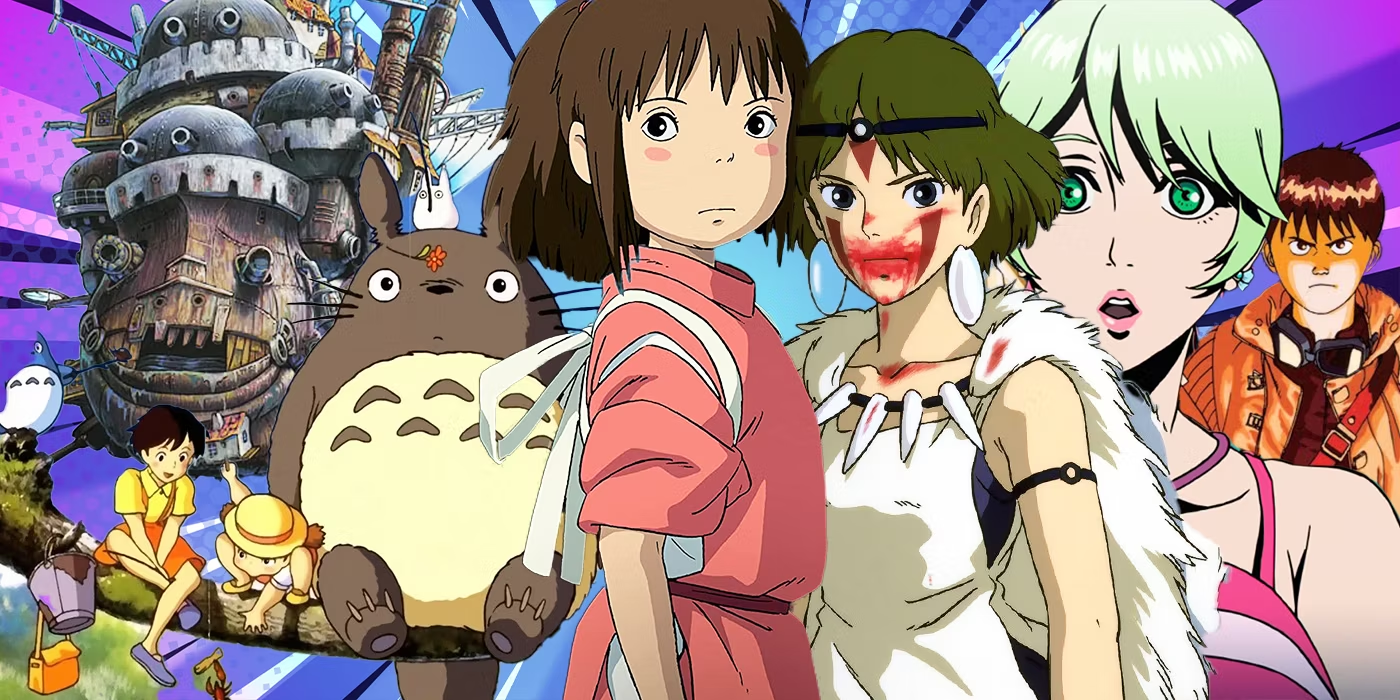
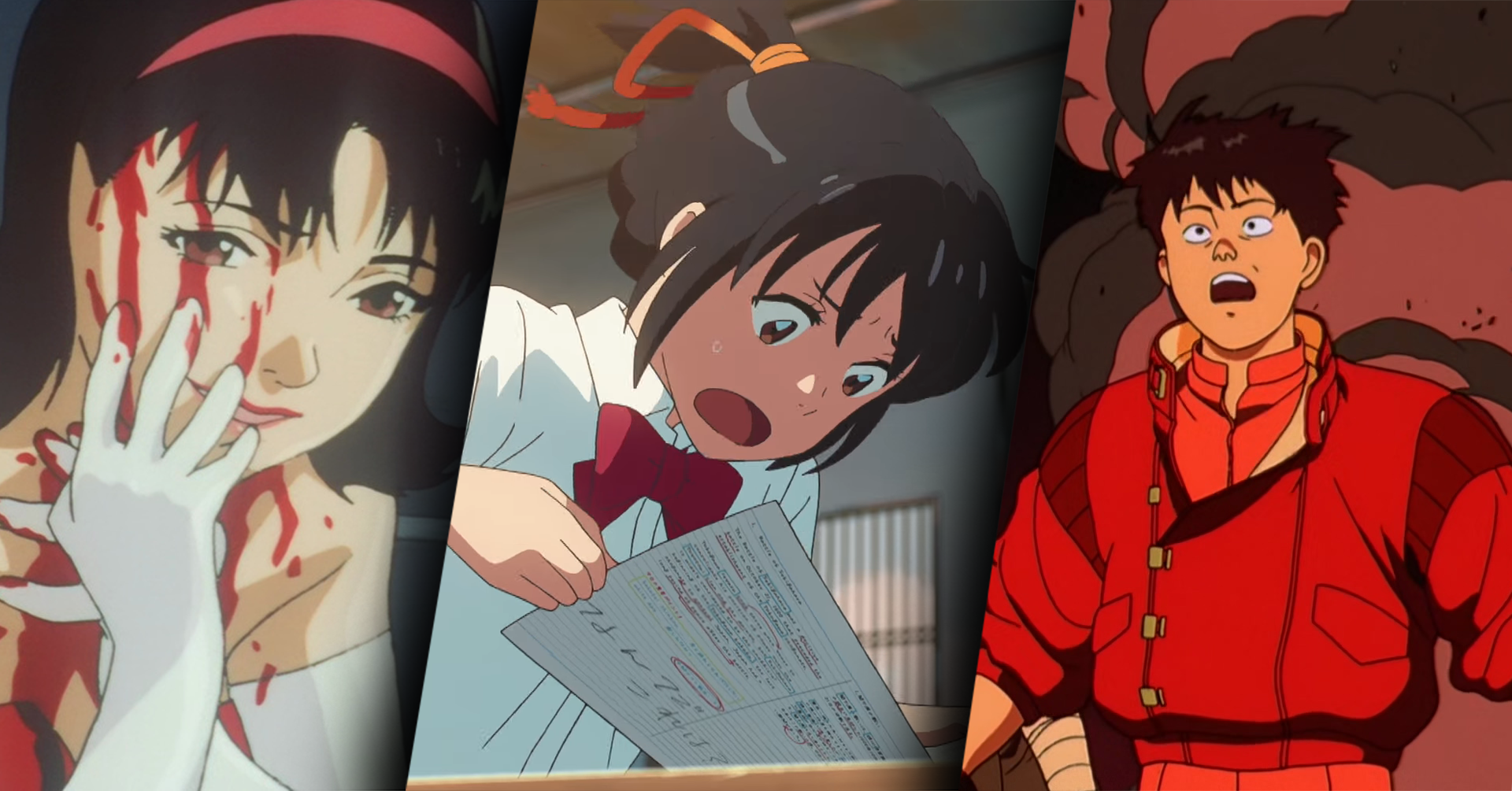
    Japanese anime films have left an indelible mark on global fashion and design. Iconic anime characters and their distinctive styles often become fashion statements, inspiring clothing lines, accessories, and even haute couture. For instance, the futuristic designs in Akira (1988) have influenced streetwear trends and urban fashion, with its cyberpunk aesthetic resonating in contemporary fashion collections.

    Additionally, Studio Ghibli’s films, such as My Neighbor Totoro (1988) and Spirited Away (2001), have inspired merchandise and apparel that reflect the enchanting and whimsical elements of their worlds. Totoro-themed clothing, plush toys, and home décor items are popular among fans, showcasing how anime aesthetics permeate everyday fashion.

    Music and Entertainment

    Anime films have also made their mark on global music and entertainment. Soundtracks from anime movies often gain popularity, contributing to the rise of J-pop and anime music outside Japan. For example, the music from Your Name (2016) by Makoto Shinkai, particularly the songs by the band RADWIMPS, became international hits, further connecting anime to global music trends.

    The influence of anime on music extends to artists who draw inspiration from anime aesthetics and themes. Musicians and bands incorporate anime-inspired visuals and concepts into their work, blending Japanese pop culture with global music scenes. This fusion of influences helps bridge cultural gaps and brings anime into mainstream entertainment.

    Film and Animation

    Japanese anime films have significantly influenced global film and animation industries. The innovative storytelling techniques and animation styles of films like Spirited Away (2001) and Akira (1988) have inspired filmmakers worldwide. The seamless integration of traditional animation with modern techniques has set new standards for visual storytelling, encouraging international filmmakers to explore similar approaches.

    Additionally, anime’s impact is evident in the rise of Western animated series that incorporate anime-inspired aesthetics and storytelling. Shows like Avatar: The Last Airbender and The Legend of Korra blend Western animation with anime influences, showcasing the genre’s effect on global animation trends.

    Fan Culture and Conventions

    The global fan culture surrounding Japanese anime films has grown exponentially, with conventions and fan events celebrating anime’s influence. Events like Anime Expo in the United States and Comic-Con International attract thousands of fans who engage in cosplay, screenings, and discussions centered around their favorite anime films.

    Fan culture also manifests through online communities and social media platforms where enthusiasts share fan art, reviews, and discussions about anime. This global network of fans contributes to the widespread appreciation and dissemination of anime, further embedding it into global pop culture.

    Video Games and Interactive Media

    Japanese anime films have had a notable impact on video games and interactive media. Many anime series are adapted into video games, allowing fans to immerse themselves in their favorite stories and worlds. Games based on popular anime films, such as Dragon Ball Z and Naruto, have achieved significant success and contribute to the franchise’s global reach.

    Furthermore, anime’s influence on game design is evident in the incorporation of anime-inspired art styles and storytelling techniques in various video games. This cross-pollination between anime and gaming enhances the interactive experience and attracts a diverse audience of gamers.
    Global Pop Culture
    Global Pop Culture

    Perception of Animation

    The success of Japanese anime films has altered global perceptions of animation as a medium for serious and sophisticated storytelling. Anime’s ability to tackle complex themes, such as identity, social issues, and personal growth, challenges the traditional view of animation as solely a children’s medium. This shift has opened doors for more diverse and mature animated content in global media.

    Conclusion

    Japanese anime films have profoundly influenced global pop culture, shaping fashion, music, film, and entertainment. Their impact extends to fan culture, video games, and the evolving perception of animation as a serious storytelling medium. As anime continues to captivate audiences worldwide, its influence on global pop culture will undoubtedly grow, fostering greater cross-cultural exchange and creative innovation.
  • Must-Watch Japanese Anime Films for Every Fan

    Must-Watch Japanese Anime Films for Every Fan

    Japanese anime films are renowned for their imaginative storytelling, stunning visuals, and emotional depth. Whether you’re a long-time fan or new to the genre, certain anime films stand out as essential viewing experiences. This article highlights must-watch Japanese anime films that offer a diverse range of styles and stories, each showcasing the best of what anime has to offer.

    Spirited Away (2001)

    Directed by Hayao Miyazaki and produced by Studio Ghibli, Spirited Away is a masterpiece of animation. The film follows Chihiro, a young girl who becomes trapped in a mysterious, magical world. With its captivating story, richly detailed animation, and themes of growth and identity, Spirited Away won the Academy Award for Best Animated Feature and remains a landmark in anime history.

    My Neighbor Totoro (1988)

    Another classic from Studio Ghibli, My Neighbor Totoro is a heartwarming tale about two sisters who move to the countryside and encounter magical creatures. Directed by Hayao Miyazaki, the film is celebrated for its charming animation, gentle storytelling, and portrayal of childhood wonder. It’s a perfect introduction to the world of anime for new fans.

    Akira (1988)

    Katsuhiro Otomo’s Akira is a groundbreaking film that has had a significant impact on both anime and global cinema. Set in a dystopian future, the film follows a group of friends who uncover government conspiracies and supernatural phenomena. With its revolutionary animation techniques and complex narrative, Akira is a must-watch for its influence on the genre.

    Your Name (2016)

    Directed by Makoto Shinkai, Your Name is a visually stunning film that tells the story of two teenagers who find themselves mysteriously connected through their dreams. The film explores themes of love, destiny, and the passage of time, and its beautiful animation and emotional depth have earned it widespread acclaim and commercial success.

    Princess Mononoke (1997)

    In Princess Mononoke, Hayao Miyazaki delivers an epic tale set in a world where nature and industrialization clash. The film follows Ashitaka, a young warrior who becomes embroiled in the conflict between humans and forest spirits. With its rich world-building and complex characters, Princess Mononoke is a powerful exploration of environmental and philosophical themes.

    Ghost in the Shell (1995)

    Mamoru Oshii’s Ghost in the Shell is a cyberpunk classic that delves into themes of identity and consciousness in a technologically advanced future. The film follows Major Motoko Kusanagi, a cyborg police officer, as she investigates a mysterious hacker. Ghost in the Shell is influential for its thought-provoking story and pioneering animation techniques.

    The Girl Who Leapt Through Time (2006)

    Directed by Mamoru Hosoda, The Girl Who Leapt Through Time is a heartwarming and imaginative film about a teenage girl who discovers she has the ability to travel through time. The film combines a coming-of-age story with science fiction elements, exploring the consequences of time travel on relationships and personal growth.

    Paprika (2006)

    Satoshi Kon’s Paprika is a visually inventive film that explores the boundaries between dreams and reality. The story follows a psychologist who uses a device to enter and explore her patients’ dreams. With its surreal imagery and complex narrative, Paprika is a compelling and influential work that has inspired many filmmakers.

    Howl’s Moving Castle (2004)

    Another gem from Studio Ghibli, Howl’s Moving Castle is a fantasy adventure directed by Hayao Miyazaki. The film follows Sophie, a young woman cursed to live in an elderly body, who finds refuge in a magical moving castle. With its enchanting story, imaginative world, and themes of love and self-acceptance, Howl’s Moving Castle is a must-see.

    A Silent Voice (2016)

    Directed by Naoko Yamada, A Silent Voice is a powerful and emotional film that addresses themes of bullying, redemption, and personal growth. The story centers on a young man seeking to make amends for his past actions toward a deaf classmate. The film’s sensitive handling of difficult topics and its beautiful animation make it a standout in contemporary anime.

    Must-Watch Japanese Anime Films
    Must-Watch Japanese Anime Films

    Conclusion

    These must-watch Japanese anime films each offer a unique and memorable experience, showcasing the diverse range of storytelling and artistic styles found in anime. From classic Studio Ghibli works to groundbreaking cyberpunk and emotionally resonant dramas, these films represent the best of Japanese animation and are essential viewing for any fan.

  • Top 10 Japanese Horror Films That Will Haunt You for Days

    Top 10 Japanese Horror Films That Will Haunt You for Days

    Japanese horror films are renowned for their ability to evoke fear and unsettle audiences with their unique approach to the genre. Combining supernatural elements with psychological depth, these films create an eerie and unforgettable experience. Here’s a list of the top 10 Japanese horror films that will haunt you for days, each offering its own brand of chilling terror.


    1. “Ringu” (1998)

    Synopsis:

    Directed by Hideo Nakata, “Ringu” tells the story of a cursed videotape that causes anyone who watches it to die within seven days. As journalist Reiko Asakawa investigates the mystery behind the tape, she uncovers a dark and chilling truth.

    Why It Haunts:

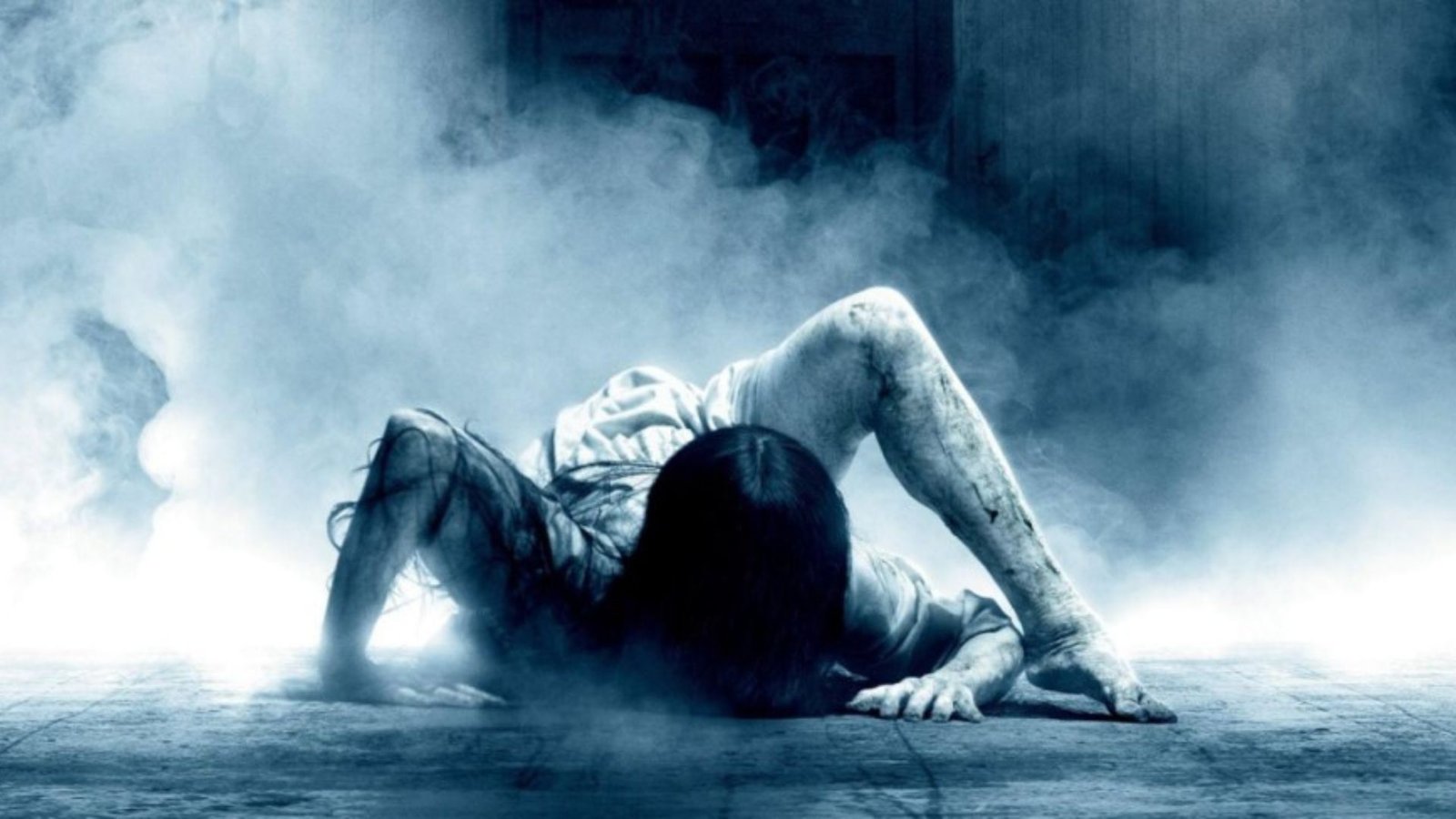
    The film’s unsettling atmosphere and haunting imagery, particularly the iconic ghostly figure of Sadako, create a lasting sense of dread. The concept of a curse transmitted through media feels disturbingly plausible, heightening the film’s impact.


    2. “Ju-on: The Grudge” (2002)

    Synopsis:

    Directed by Takashi Shimizu, “Ju-on: The Grudge” follows a series of interconnected stories revolving around a haunted house cursed by a vengeful spirit. The film’s nonlinear narrative and eerie supernatural occurrences build an oppressive atmosphere of terror.

    Why It Haunts:

    The film’s disturbing ghostly apparitions and the sense of inescapable dread contribute to a deeply unsettling experience. The curse’s ability to extend its reach beyond the haunted house heightens the sense of inevitability and fear.


    3. “The Ring” (2002)

    Top 10 Japanese Horror Films That Will Haunt You for Days
    Top 10 Japanese Horror Films That Will Haunt You for Days

    Synopsis:

    A remake of “Ringu”, “The Ring” (directed by Gore Verbinski) brings the terrifying story of the cursed videotape to a wider audience. The film maintains the chilling essence of the original while incorporating American sensibilities.

    Why It Haunts:

    The American adaptation successfully captures the eerie and disturbing elements of the original, including the iconic imagery of Sadako crawling out of the television. The pervasive sense of dread and the film’s chilling climax ensure it remains haunting.


    4. “Audition” (1999)

    Synopsis:

    Directed by Takashi Miike, “Audition” centers on a widower who holds a fake audition to find a new wife. However, he becomes entangled with a woman whose dark past leads to horrific consequences.

    Why It Haunts:

    The film’s disturbing shift from a seemingly romantic setup to intense psychological horror creates a profound impact. The slow build-up and shocking revelations culminate in a deeply unsettling experience.


    5. “Dark Water” (2002)

    Synopsis:

    Directed by Hideo Nakata, “Dark Water” follows a mother and daughter who move into an apartment with a mysterious and frightening past. As strange occurrences begin, they uncover a tragic and eerie story.

    Why It Haunts:

    The film’s haunting atmosphere, combined with the disturbing presence of the ghostly child and the pervasive theme of water as a symbol of emotional depth and tragedy, creates a deeply unsettling experience.


    6. “Noroi” (2005)

    Synopsis:

    Directed by Koji Shiraishi, “Noroi” is a found-footage horror film that follows a documentary filmmaker investigating a series of mysterious events connected to an ancient curse.

    Why It Haunts:

    The film’s found-footage format enhances its realism, making the supernatural elements feel more plausible and frightening. The slow build-up and increasingly disturbing discoveries create an atmosphere of intense dread.


    7. “The Eye” (2002)

    Synopsis:

    Directed by the Pang Brothers, “The Eye” tells the story of a blind woman who receives an eye transplant and begins to see terrifying visions of ghosts and spirits.

    Why It Haunts:

    The film effectively combines psychological horror with supernatural elements, exploring the fear of the unknown and the trauma associated with the eye transplant. The unsettling imagery and eerie atmosphere contribute to a lasting impact.


    8. “Kairo” (2001)

    Synopsis:

    Directed by Kiyoshi Kurosawa, “Kairo” (also known as “Pulse”) examines the phenomenon of ghosts invading the modern world through technology, leading to a sense of pervasive dread.

    Why It Haunts:

    The film’s exploration of technology as a conduit for supernatural forces creates a chilling reflection on modern life. The slow pacing and eerie atmosphere contribute to a sense of existential horror that lingers long after viewing.


    9. “Tale of Two Sisters” (2003)

    Synopsis:

    Directed by Kim Jee-woon, “Tale of Two Sisters” is a South Korean horror film that, while not Japanese, has been heavily influenced by Japanese horror aesthetics. It follows two sisters returning home from a mental institution and uncovering dark family secrets.

    Why It Haunts:

    The film’s intricate plot and atmospheric tension create a deeply unsettling experience. The blending of psychological horror with supernatural elements results in a film that is both emotionally and psychologically impactful.


    10. “House” (1977)

    Synopsis:

    Directed by Nobuhiko Obayashi, “House” (or “Hausu”) is a surreal and experimental horror film about a group of schoolgirls who visit a haunted house with bizarre and terrifying results.

    Why It Haunts:

    The film’s unique visual style, combining psychedelic imagery with traditional horror elements, creates a surreal and unsettling experience. The film’s creative approach to horror leaves a lasting impression through its imaginative and nightmarish sequences.


    Conclusion

    Japanese horror films have a distinctive ability to blend supernatural elements with psychological depth, creating experiences that are both eerie and thought-provoking. These top 10 films exemplify the genre’s capacity to haunt viewers long after the credits roll, leaving an indelible mark on those who dare to watch.

  • Exploring the Psychological Elements of Japanese Horror Films

    Exploring the Psychological Elements of Japanese Horror Films

    Japanese horror films are renowned for their unique approach to fear, often delving into the psychological rather than relying solely on supernatural elements. This psychological depth sets them apart from Western horror and creates a lasting impact on viewers. This article explores the psychological elements of Japanese horror films, examining how they evoke fear and anxiety through mental and emotional themes.


    1. The Concept of Psychological Horror

    a. Mind Over Matter

    Japanese horror frequently explores psychological horror, where the terror stems from the mind rather than physical threats. This form of horror delves into fear, anxiety, and disturbing psychological states, creating a more nuanced and unsettling experience. Films like “Ringu” (1998) and “The Ring” (2002) use psychological tension to build suspense and fear.

    b. The Unseen and the Unknown

    A key element in Japanese psychological horror is the use of the unseen and the unknown. By not fully revealing the source of terror, these films exploit the audience’s imagination and fears. “Ju-on: The Grudge” (2002) and “Noroi” (2005) create anxiety through ambiguous and often incomprehensible elements, playing on the viewer’s dread of what cannot be understood or seen.


    2. Themes of Isolation and Alienation

    Exploring the Psychological Elements of Japanese Horror Films
    Exploring the Psychological Elements of Japanese Horror Films

    a. Emotional Isolation

    Many Japanese horror films explore themes of emotional isolation and alienation. Characters often face their fears alone, heightening their psychological distress. “Pulse” (2001) portrays the loneliness and existential dread associated with modern technology, reflecting societal anxieties about isolation in the digital age.

    b. Social Alienation

    Social alienation is another recurring theme. Films like “Dark Water” (2002) address the alienation of individuals from their communities and the impact of unresolved trauma. This isolation contributes to the psychological horror by intensifying feelings of helplessness and fear.


    3. Trauma and Psychological Scarring

    a. Traumatic Experiences

    Japanese horror often incorporates trauma as a driving force behind the horror. Characters dealing with past trauma or unresolved psychological issues are central to many narratives. “Audition” (1999) explores themes of revenge and psychological manipulation rooted in past trauma, creating a disturbing and impactful experience.

    b. Psychological Scarring

    The concept of psychological scarring is also prevalent. Films like “The Eye” (2002) depict characters haunted by their past experiences and the psychological scars left behind, which manifest as supernatural horrors.


    4. Exploration of Mental Illness

    a. Mental Disturbance

    Japanese horror films frequently explore mental illness and disturbance, portraying characters whose psychological states contribute to the horror. “The Grudge” (2002) depicts characters suffering from mental and emotional turmoil, which amplifies the film’s sense of dread and fear.

    b. Unreliable Narrators

    The use of unreliable narrators is a common technique in Japanese horror. Films like “Infection” (2004) use unreliable perspectives to blur the lines between reality and delusion, creating a disorienting and unsettling viewing experience.


    5. Symbolism and Psychological Imagery

    a. Symbolic Imagery

    Japanese horror employs symbolic imagery to represent psychological states. For example, the use of mirrors and water in films like “Dark Water” (2002) serves as a metaphor for inner turmoil and emotional depths.

    b. Psychological Symbolism

    Psychological symbolism is often used to enhance the film’s impact. “The Ring” (1998) uses the video tape as a symbol of the characters’ psychological fears and their inescapable doom, blending supernatural and psychological horror.


    Conclusion

    Japanese horror films offer a unique exploration of psychological elements, delving into themes of fear, isolation, and mental disturbance. By focusing on the mind and emotional states rather than solely on supernatural threats, these films create a profound and unsettling experience. Understanding these psychological elements enhances the appreciation of Japanese horror and its impact on the genre.

  • Anime Films That Revolutionized Animation Techniques

    Anime Films That Revolutionized Animation Techniques

    Anime has always been at the forefront of innovation in animation, pushing the boundaries of visual storytelling and technique. From groundbreaking visual styles to novel animation methods, certain films have significantly impacted the industry. Here’s a look at some anime films that have revolutionized animation techniques.

    Anime Films That Revolutionized Animation Techniques

    Akira (1988)

    • Director: Katsuhiro Otomo
    • Studio: TMS Entertainment
    • Significance: Akira is renowned for its pioneering use of animation techniques, including detailed and fluid action sequences, extensive use of keyframe animation, and the integration of computer-generated imagery (CGI). Its animation quality set a new standard for detail and realism in anime.
    • Innovation: The film’s extensive use of keyframes allowed for smoother and more dynamic action scenes. The detailed backgrounds and futuristic design influenced countless other works in both anime and Western animation.

    Princess Mononoke (1997)

    • Director: Hayao Miyazaki
    • Studio: Studio Ghibli
    • Significance: This film introduced a new level of environmental and character design in anime. The use of hand-drawn animation combined with innovative techniques for depicting natural elements, such as flowing water and lush forests, created a more immersive and realistic world.
    • Innovation: The integration of traditional animation with CGI for environmental effects demonstrated a hybrid approach that enhanced visual storytelling without compromising the hand-drawn aesthetic.

    Spirited Away (2001)

    • Director: Hayao Miyazaki
    • Studio: Studio Ghibli
    • Significance: Spirited Away is celebrated for its richly detailed animation and imaginative world-building. The film pushed the boundaries of what was possible with traditional 2D animation, using detailed textures and dynamic character designs.
    • Innovation: The film’s use of complex camera movements and layered backgrounds created a three-dimensional feel, enhancing the depth and immersion of the animated world.

    Paprika (2006)

    • Director: Satoshi Kon
    • Studio: Madhouse
    • Significance: Paprika is known for its groundbreaking use of visual effects and dream-like sequences that blur the line between reality and imagination. The film’s fluid animation style and inventive transitions have been influential in both anime and live-action cinema.
    • Innovation: The film employed complex, surreal visual transitions and a dynamic use of color and motion to represent dreams, pushing the boundaries of traditional animation techniques.

    The Tale of the Princess Kaguya (2013)

    • Director: Isao Takahata
    • Studio: Studio Ghibli
    • Significance: This film is notable for its unique visual style, which resembles traditional Japanese watercolor painting. The use of sketchy, hand-drawn animation created a distinctive look that set it apart from other anime films.
    • Innovation: The film’s experimental approach to animation, including its use of brushstrokes and minimalist backgrounds, provided a new way to convey emotion and narrative through visual style.

    A Silent Voice (2016)

    • Director: Naoko Yamada
    • Studio: Kyoto Animation
    • Significance: A Silent Voice is recognized for its highly detailed and emotionally expressive animation. The film’s attention to character movement and subtle facial expressions brought a new level of depth to character animation.
    • Innovation: The film’s meticulous focus on character animation, including nuanced emotional expressions and realistic movements, set a new standard for portraying psychological and emotional depth.

    Your Name (2016)

    • Director: Makoto Shinkai
    • Studio: CoMix Wave Films
    • Significance: Your Name is acclaimed for its breathtakingly beautiful animation and meticulous attention to detail. The film’s use of lighting and color to enhance its narrative and emotional impact was revolutionary.
    • Innovation: The integration of photorealistic backgrounds with traditional animation techniques created a visually stunning contrast that highlighted the film’s themes and emotional moments.

    Mind Game (2004)

    • Director: Masaaki Yuasa
    • Studio: Studio 4°C
    • Significance: Known for its experimental animation style, Mind Game combines various techniques and visual styles to create a unique and dynamic viewing experience. The film’s fluid, almost chaotic animation reflects its surreal narrative.
    • Innovation: The film’s eclectic visual style, including rapid shifts in animation techniques and a mix of 2D and 3D elements, pushed the boundaries of traditional anime aesthetics.

    The Red Turtle (2016)

    • Directors: Michael Dudok de Wit
    • Studio: Studio Ghibli (co-production with Wild Bunch)
    • Significance: The Red Turtle stands out for its minimalist, almost silent storytelling and its use of hand-drawn animation to create a unique, timeless quality.
    • Innovation: The film’s use of sparse dialogue and a focus on visual storytelling, combined with its distinctive art style, demonstrated a new approach to narrative and animation in a global context.

    Josée, the Tiger and the Fish (2020)

    • Director: Kotaro Tamura
    • Studio: Bones
    • Significance: This film is noted for its realistic character animation and the use of detailed, expressive animation to portray the complexities of its characters and their emotions.
    • Innovation: The film’s sophisticated character animation and realistic portrayal of disabilities highlighted a new level of empathy and understanding in anime storytelling.

    Conclusion

    These anime films have made significant contributions to the field of animation, pushing the boundaries of technique and aesthetics. From pioneering visual styles to innovative animation methods, they have set new standards and inspired future creators in the industry.

  • Top 10 Japanese Horror Films That Will Keep You Awake

    Top 10 Japanese Horror Films That Will Keep You Awake

    Japanese horror films, or J-horror, are renowned for their ability to delve deep into the psychological and supernatural, creating an atmosphere of intense dread. With chilling plots, eerie visuals, and disturbing themes, these films have left an indelible mark on the horror genre globally. Here are 10 must-watch Japanese horror films that will haunt your dreams long after the credits roll.

    Top 10 Japanese Horror Films That Will Keep You Awake

    Ringu (1998)

    • Director: Hideo Nakata
    • Plot: A cursed videotape causes anyone who watches it to die within seven days unless they can solve the mystery behind it.
    • Why It’s Terrifying: The eerie image of the ghost Sadako crawling out of a TV is iconic. Ringu masterfully builds tension, using minimal jump scares and focusing on psychological horror.

    Ju-On: The Grudge (2002)

    • Director: Takashi Shimizu
    • Plot: A vengeful spirit curses anyone who enters a haunted house, spreading terror like a contagious disease.
    • Why It’s Terrifying: The non-linear storytelling adds layers of confusion and dread, making the audience feel the inevitability of death. Kayako and Toshio’s ghostly appearances are chilling.

    Dark Water (2002)

    • Director: Hideo Nakata
    • Plot: A mother and daughter move into a decrepit apartment building, where they are haunted by the presence of a ghostly child and strange water leaks.
    • Why It’s Terrifying: With its oppressive atmosphere and unsettling themes of abandonment and loss, Dark Water taps into primal fears of being helpless and alone.

    Audition (1999)

    • Director: Takashi Miike
    • Plot: A widower holds fake auditions for a wife, but the woman he selects turns out to have a dark and violent past.
    • Why It’s Terrifying: Audition starts as a slow-burn drama, only to spiral into shocking, visceral horror. The film’s gruesome final act will leave you squirming.

    Noroi: The Curse (2005)

    • Director: Kōji Shiraishi
    • Plot: A documentary filmmaker investigates a series of mysterious paranormal events, leading him to uncover an ancient curse.
    • Why It’s Terrifying: Presented as a found-footage documentary, Noroi gradually builds its terror, using realistic and unsettling visuals to create a creeping sense of dread.

    One Missed Call (2003)

    • Director: Takashi Miike
    • Plot: People receive voicemails from their future selves, predicting their deaths.
    • Why It’s Terrifying: The concept of technology becoming a harbinger of doom is disturbingly relevant. The chilling ring tone that signals death will haunt you long after the film ends.

    Pulse (2001)

    • Director: Kiyoshi Kurosawa
    • Plot: A group of friends discovers that ghosts are invading the real world through the internet.
    • Why It’s Terrifying: Pulse taps into fears of isolation and the loss of human connection, using technology as a gateway to a haunting, hopeless future.

    Cure (1997)

    • Director: Kiyoshi Kurosawa
    • Plot: A detective investigates a series of gruesome murders where the killers are normal people who have no memory of committing the crimes.
    • Why It’s Terrifying: Cure creates a deeply unsettling atmosphere, questioning the nature of evil and human consciousness. Its haunting ambiguity lingers long after it ends.

    Tag (2015)

    • Director: Sion Sono
    • Plot: A young woman finds herself trapped in a violent, surreal world where death strikes suddenly and without warning.
    • Why It’s Terrifying: The film’s bizarre, dream-like structure and shocking bursts of violence create a sense of disorientation and unease, keeping viewers constantly on edge.

    Battle Royale (2000)

    • Director: Kinji Fukasaku
    • Plot: A group of high school students is forced to fight to the death as part of a government-sanctioned survival game.
    • Why It’s Terrifying: Though more of a thriller, Battle Royale’s brutal concept and graphic violence are deeply disturbing, exploring the darker aspects of human nature.

    Conclusion

    Japanese horror films are known for their unique blend of psychological terror, supernatural elements, and deep cultural references, making them some of the most haunting films in the genre. Whether you prefer slow-burn dread or shocking, visceral horror, these 10 films will keep you awake at night and leave a lasting impact.

  • The Cultural Roots of Fear in Japanese Horror Films

    The Cultural Roots of Fear in Japanese Horror Films

    Japanese horror films are deeply intertwined with the country’s rich cultural history, drawing on folklore, religious beliefs, and societal norms to evoke fear. The themes, imagery, and narrative structures in these films are often informed by centuries-old traditions that still resonate with modern audiences. Understanding the cultural roots of Japanese horror reveals why these films have a unique ability to provoke deep, psychological fear.

    The Cultural Roots of Fear in Japanese Horror Films

    Influence of Folklore and Yokai

    Japanese folklore is filled with stories of supernatural beings, known as yokai, who possess the power to bring misfortune or death. These creatures range from mischievous spirits to terrifying demons, and they have been central to Japanese storytelling for centuries.

    Role in Horror Films:

    Movies like Kwaidan (1965) and Noroi: The Curse (2005) take inspiration from these traditional spirits, blending folklore with contemporary fear. By invoking familiar entities from the past, Japanese horror taps into the collective unconscious, making the fear deeply personal and culturally resonant.

    Buddhism and Shinto Beliefs

    Buddhism and Shintoism, Japan’s two dominant religions, both feature strong beliefs in the afterlife and the presence of spirits. The concept of restless souls, or yūrei, plays a central role in these traditions. According to Shinto beliefs, when someone dies with unresolved emotional turmoil—such as anger, jealousy, or sadness—their spirit may remain in the physical world as a vengeful ghost.

    Spirits and Vengeful Ghosts:

    This cultural belief in lingering spirits has a significant influence on Japanese horror. Films like Ringu (1998) and Ju-On: The Grudge (2002) revolve around vengeful spirits seeking retribution for the wrongs they experienced in life. The fear in these films often stems from the idea that the living are powerless against these spirits, reinforcing the cultural fear of the supernatural and the need for respect toward the deceased.

    Concept of Onryo (Vengeful Spirits)

    One of the most iconic figures in Japanese horror is the onryo, a vengeful spirit, usually a woman, who has died under tragic circumstances and returns to the living world to seek revenge.

    Cinematic Impact:

    The onryo’s image has become a symbol of terror in Japanese cinema, as seen in Ringu’s Sadako and Ju-On’s Kayako. This deep-rooted cultural fear of onryo is central to many J-horror films.

    Impermanence and Nature

    Another core concept in Japanese culture is the idea of impermanence, derived from Buddhist philosophy. This idea of impermanence, known as mujo, often appears in Japanese horror films, where the inevitability of death is a central theme.

    Nature’s Role in Horror:

    Japanese horror frequently features nature as a symbol of impermanence and change. Dark, rainy environments, abandoned villages, and dilapidated houses are common settings that reflect the transient nature of life. Films like Kairo (Pulse) (2001) use these elements to evoke a sense of inevitable dread, where the characters cannot escape the flow of time or the pull of death.

    Social Pressures and Repression

    Japanese society places a strong emphasis on conformity, politeness, and maintaining harmony, often leading individuals to suppress their emotions and desires. This cultural repression can manifest as psychological horror in films, where the characters’ inner turmoil or societal pressures give rise to supernatural terror.

    Suppression and Horror:

    In Audition (1999), the repressed trauma of the female protagonist explodes into horrific violence, reflecting how hidden emotions can surface in destructive ways. The pressure to conform and maintain a calm exterior is a frequent theme in J-horror, creating tension as characters struggle to manage their internal fears in a rigid societal framework.

    Fear of Technology and Modernization

    Japan’s rapid modernization and technological advancements have also become central themes in modern Japanese horror.

    Tech and Supernatural:

    Films like Ringu and Kairo explore how technology—specifically video tapes, televisions, and the internet—can become conduits for supernatural forces. This blend of the modern and the ancient taps into cultural fears about technology’s impact on the human experience, particularly its ability to dehumanize or detach people from their spiritual roots.

    Ambiguous Endings and Open Interpretation

    A hallmark of Japanese horror films is the ambiguous ending. Unlike many Western horror films, which often provide clear resolutions, Japanese horror frequently leaves questions unanswered, contributing to a lingering sense of unease.

    Conclusion

    The cultural roots of fear in Japanese horror films are deeply tied to the country’s religious beliefs, folklore, and societal pressures. By blending ancient traditions with modern anxieties, Japanese horror offers a unique perspective on fear that resonates on a psychological and emotional level. The reliance on atmosphere, ambiguity, and the supernatural, all rooted in Japan’s cultural history, makes these films both terrifying and thought-provoking.

  • How Japanese Horror Films Differ from Western Horror

    How Japanese Horror Films Differ from Western Horror

    Japanese horror films (J-horror) have earned a distinct place in the global cinematic landscape due to their unique storytelling, atmosphere, and psychological depth. While Western horror tends to focus on physical threats, jump scares, and gore, J-horror often relies on slow-building tension, psychological terror, and deep cultural themes. These differences make Japanese horror films stand out for their ability to evoke long-lasting fear.

    How Japanese Horror Films Differ from Western Horror

    Psychological vs. Physical Horror

    One of the most significant differences between Japanese and Western horror is the approach to fear. Western horror often focuses on physical danger, with threats that come from monsters, killers, or violent supernatural entities. Gore and action are often central to the plot, as seen in franchises like Halloween or Friday the 13th.

    J-Horror Approach:

    Japanese horror, on the other hand, tends to focus on psychological fear. Rather than external threats, the horror stems from internal struggles, trauma, or guilt. Films like Ringu (1998) and Ju-On: The Grudge (2002) build tension slowly, with the fear arising from what is unseen or unknown. The focus is on creating an eerie atmosphere that lingers, leaving audiences unsettled long after the movie ends.

    Supernatural Themes and Cultural Influence

    Both Japanese and Western horror often incorporate supernatural elements, but the nature of these elements is deeply influenced by cultural beliefs. In Western horror, supernatural entities like ghosts or demons are usually portrayed as malevolent forces that must be battled or exorcised.

    Emphasis on Atmosphere and Mood

    Western horror tends to rely on fast-paced action and high-intensity scares to shock the audience. The use of loud noises, quick cuts, and violent confrontations are common techniques to generate fear and excitement.

    J-Horror’s Atmospheric Tension:

    In contrast, Japanese horror emphasizes mood and atmosphere. The scares in J-horror films are often slow-burning, building dread gradually through silence, minimalistic soundtracks, and unsettling visuals. Films like Noroi: The Curse (2005) and Kairo (Pulse) (2001) use quiet, eerie settings to create a sense of foreboding, making the eventual reveal of the supernatural all the more terrifying.

    Ambiguity vs. Resolution

    Western horror films tend to provide clear resolutions by the end, where the evil force is either defeated or explained. Even in films that leave room for a sequel, there is usually a sense of closure. The characters confront the threat, and the audience is given answers.

    Japanese Ambiguity:

    Japanese horror often leaves more to the imagination. Many J-horror films end ambiguously, with unanswered questions and unresolved threats. This ambiguity enhances the psychological terror, as viewers are left to wonder about the true nature of the horror. In Ringu, even after the curse is discovered, the film ends with the knowledge that the threat continues. This lack of closure is a hallmark of J-horror, making the fear feel more existential and never-ending.

    Subtlety vs. Gore

    Western horror films frequently feature graphic violence and gore to shock the audience. The visual depiction of blood, guts, and bodily harm is often central to the horror experience, as seen in films like Saw or The Texas Chainsaw Massacre.

    J-Horror’s Subtle Approach:

    While Japanese horror films can be violent, they often prefer a subtler approach. The fear comes from what is implied rather than shown explicitly. Directors focus on building psychological tension rather than relying on shocking visuals. In Audition (1999), for example, the horror lies in the slow unraveling of the protagonist’s sanity rather than in explicit violence (though it does contain some graphic moments).

    Themes of Guilt, Trauma, and Retribution

    Western horror often centers around a clear villain or evil entity that the protagonists must overcome. The narrative is usually a straightforward battle between good and evil, with the heroes triumphing or falling to the antagonist’s violence.

    J-Horror’s Complex Themes:

    In Japanese horror, the characters’ personal guilt, trauma, or repressed emotions often play a central role in the horror. The supernatural forces are frequently metaphors for unresolved psychological issues. This exploration of deeper emotional and psychological issues adds complexity to J-horror that goes beyond surface-level scares.

    Conclusion

    The fundamental difference between Japanese and Western horror lies in their approach to fear. Western horror tends to focus on external threats, physical violence, and clear resolutions, while Japanese horror delves into psychological terror, cultural beliefs, and ambiguous endings. By focusing on atmosphere, subtlety, and emotional depth, Japanese horror films create a lasting sense of dread, making them a unique and influential force in the horror genre.

  • The Psychological Thriller: A Japanese Horror Film Specialty

    The Psychological Thriller: A Japanese Horror Film Specialty

    Japanese horror films are renowned for their unsettling psychological depth, making them stand out in the genre. Rather than relying on gore or jump scares, Japanese filmmakers masterfully build tension through atmosphere, intricate storytelling, and deep emotional exploration. These psychological thrillers often delve into the darker aspects of the human mind, fear, and societal pressures, making them an essential part of Japan’s cinematic identity.

    The Psychological Thriller: A Japanese Horror Film Specialty

    Atmospheric Tension Over Shock Value

    One of the defining features of Japanese psychological thrillers is the emphasis on atmosphere rather than on jump scares or overt violence. These films create a slow-burning sense of dread that intensifies as the story unfolds, leaving the audience feeling increasingly uneasy.

    Example:

    In Ringu (1998), the tension gradually escalates as the protagonist investigates the cursed videotape. Rather than relying on immediate shocks, the film uses silence, eerie visuals, and a growing sense of doom to build fear, culminating in the infamous scene where Sadako crawls out of the TV. This method of horror creates a lingering unease, which stays with viewers long after the movie ends.

    Exploring the Fragile Human Psyche

    Japanese psychological thrillers often focus on the mental state of the characters, exploring their vulnerabilities, fears, and emotional breakdowns. The horror comes not just from external threats but also from internal struggles, making these films deeply personal and unnerving.

    Example:

    In Audition (1999), directed by Takashi Miike, the story revolves around a lonely widower who becomes romantically involved with a seemingly innocent woman. As the film progresses, the psychological horror intensifies, revealing deep emotional scars and hidden darkness in the characters. The horror stems from their internal fears, creating a twisted narrative that challenges the audience’s perception of reality and sanity.

    The Role of Isolation and Loneliness

    Japanese psychological thrillers frequently explore themes of isolation and loneliness, reflecting the societal pressures and alienation that many people experience. This emotional isolation is often depicted as a driving force behind the characters’ descent into madness or terror.

    Example:

    Kairo (Pulse) (2001), directed by Kiyoshi Kurosawa, explores the idea of spiritual and social isolation in the digital age. The film’s characters experience increasing loneliness as they become disconnected from reality, with the supernatural elements serving as metaphors for their existential dread. The film’s portrayal of technology as a source of disconnection rather than connection adds an additional layer of psychological horror.

    Supernatural Elements as Psychological Metaphors

    Japanese psychological thrillers often use supernatural elements not just for scares but to represent deeper psychological or emotional conflicts. These elements act as metaphors for unresolved trauma, repressed emotions, or societal issues, giving the horror a deeper meaning.

    Example:

    In Ju-On: The Grudge (2002), the cursed house and the malevolent spirits within it symbolize unresolved anger and violence. The film’s ghosts represent the cycle of trauma and violence that continues to haunt those who encounter the house. The psychological horror lies in the characters’ helplessness to escape the curse, reflecting the way past traumas can continue to affect one’s present and future.

    Ambiguity and Open-Ended Narratives

    Japanese psychological thrillers often leave much to the audience’s imagination, refusing to provide clear answers or resolutions. This ambiguity heightens the psychological tension, as viewers are forced to question what is real and what is imagined, often leading to a more unsettling experience.

    Example:

    In Cure (1997), directed by Kiyoshi Kurosawa, a detective investigates a series of murders where the perpetrators have no recollection of their crimes. The film never fully explains the supernatural elements at play, leaving viewers to ponder the nature of the mind control and the motivations behind the killings. This open-ended narrative adds to the film’s psychological complexity, as the unresolved mystery lingers in the viewer’s mind.

    Social Commentary Through Psychological Horror

    Many Japanese psychological thrillers use horror as a lens to critique societal issues, such as conformity, alienation, and emotional repression. The characters’ psychological unraveling often reflects larger societal anxieties, making these films a commentary on Japan’s cultural landscape.

    Example:

    In Confessions (2010), a gripping psychological thriller directed by Tetsuya Nakashima, a teacher seeks revenge on the students responsible for her daughter’s death. The film explores themes of guilt, revenge, and the pressures of the Japanese education system. Its psychological intensity stems from the complex emotions driving the characters, reflecting societal issues such as youth violence and the dark side of academic competition.

    Conclusion

    Japanese psychological thrillers have carved a unique niche in the horror genre by focusing on atmosphere, complex characters, and emotional depth. These films explore the fragility of the human psyche, the effects of isolation, and the psychological scars left by trauma, creating a form of horror that is both unsettling and thought-provoking. By blending psychological tension with supernatural elements and social commentary, Japanese filmmakers have established a powerful and enduring legacy in the world of psychological thrillers.