Category: Japanese Music

  • Exploring the Global Influence of Japanese Music

    Exploring the Global Influence of Japanese Music

    Japanese music, with its rich history and diverse genres, has made a significant impact on the global music scene. From traditional sounds to contemporary hits, Japan’s musical contributions resonate worldwide, influencing various aspects of global music and culture. This article explores the ways in which Japanese music has shaped and enriched the international music landscape.

    Traditional Japanese Music’s Global Appeal

    The Allure of Gagaku and Noh

    Traditional Japanese music, such as Gagaku and Noh, has intrigued global audiences with its unique sounds and historical significance. Gagaku, the ancient court music of Japan, offers a meditative and ethereal quality that has been appreciated in international classical and world music circles. Its use of traditional instruments, like the sho (a mouth organ) and the hichiriki (a double-reed flute), creates a distinctive sound that has captivated listeners and performers outside Japan.

    Noh music, integral to Noh theater, also draws international interest. Its blend of chanting and instrumental music provides a glimpse into Japan’s cultural heritage, attracting scholars and enthusiasts who appreciate its subtle, yet profound, aesthetic.

    The Rise of J-Pop and Its International Impact

    J-Pop’s Global Popularity

    The rise of J-Pop (Japanese pop music) in the late 20th century marked a significant moment in Japan’s global musical influence. Artists like Kyōko Koizumi and Kyu Sakamoto introduced Japanese pop music to international audiences. Kyu Sakamoto’s Sukiyaki became a worldwide hit, demonstrating the potential for Japanese pop to cross cultural boundaries.

    In the 1990s and 2000s, artists such as Hikaru Utada and Namie Amuro further popularized J-Pop on the global stage. Their music, blending traditional Japanese sounds with contemporary styles, reached audiences beyond Japan, contributing to the genre’s international recognition.

    Anime Music’s Global Reach

    Anime music (anisong) has become a prominent part of global pop culture, with themes from Japanese anime series and films gaining widespread popularity. Composers like Yoko Kanno and Joe Hisaishi have created iconic soundtracks that resonate with fans around the world. Their music, often characterized by its emotional depth and diverse arrangements, has found a dedicated international audience.

    The Influence of Japanese Rock and Metal

    Japanese Rock Bands Making Waves

    Japanese rock and metal bands have also left their mark on the global music scene. Bands like X Japan and Dir En Grey have garnered international acclaim for their powerful performances and innovative sound. X Japan, known for their dramatic and theatrical style, has influenced many Western rock and metal musicians, while Dir En Grey’s genre-blending approach has earned them a significant global following.

    The Phenomenon of Babymetal

    Babymetal represents a unique fusion of J-Pop and heavy metal, combining catchy pop melodies with intense metal instrumentation. Their distinct sound and energetic performances have captured the attention of fans worldwide, showcasing Japan’s ability to innovate within and blend different musical genres. Babymetal’s international success highlights Japan’s growing influence in the global metal scene.

    Explore Unique Rewards in Online Gaming

    As MoosicLab continues to push boundaries in sound innovation and creative expression, it’s inspiring to see parallel innovations in other entertainment spaces. One standout example is the variety of promotions available to players in the online casino world. For those interested in exciting bonuses, the crazyevagas casino bonus offers a compelling experience packed with value and entertainment. Whether you’re composing tracks or exploring games, creativity knows no bounds.

    Electronic and Experimental Music Innovations

    Pushing Boundaries with Electronic Music

    Japanese electronic and experimental music artists have made significant contributions to the global music landscape. Ryuichi Sakamoto, known for his work in electronic and ambient music, has influenced international artists with his innovative use of technology and sound. His collaborations with global musicians and his role in shaping electronic music highlight Japan’s impact on this genre.

    The Global Reach of Cornelius

    Cornelius, a leading figure in Japanese electronic music, has gained international recognition for his eclectic and experimental approach. His work, characterized by intricate production and genre-blending, has resonated with global audiences and has contributed to Japan’s reputation as a hub for cutting-edge music.

    Global Influence of Japanese Music
    Global Influence of Japanese Music

    Cross-Cultural Collaborations and Global Influence

    Collaborations with International Artists

    Japanese musicians frequently collaborate with international artists, further expanding their global influence. These collaborations blend different musical styles and traditions, creating unique and innovative sounds. Such cross-cultural exchanges foster a dynamic musical environment and highlight Japan’s role in the global music industry.

    Japan’s Music Festivals and Global Impact

    Japan’s music festivals, such as Summer Sonic and Fuji Rock Festival, attract international artists and audiences. These events showcase a diverse range of music, from traditional Japanese performances to contemporary global acts. The presence of international artists and the participation of global audiences demonstrate Japan’s significant role in the global music scene.

    Conclusion

    Japanese music has had a profound and lasting impact on the global music landscape. From traditional sounds like Gagaku and Noh to modern genres such as J-Pop and electronic music, Japan’s musical contributions continue to influence and inspire. Through international collaborations and innovative genres, Japanese music enriches the global cultural fabric and highlights the country’s creative and artistic prowess.

  • The Evolution of Japanese Music: From Traditional to Modern

    The Evolution of Japanese Music: From Traditional to Modern

    Japanese music boasts a rich and diverse history, evolving from ancient traditions to contemporary genres. This journey through time showcases how Japanese music has transformed while maintaining its unique cultural essence. Here, we explore the evolution of Japanese music from its traditional roots to its modern-day forms.

    Traditional Japanese Music

    Ancient Roots and Early Influences

    Japanese music’s origins trace back to ancient times, influenced by various cultural exchanges with China and Korea. Early Japanese music included the use of traditional instruments such as the koto (a zither-like instrument), shamisen (a three-stringed instrument), and biwa (a lute). These instruments were integral to religious and court ceremonies, setting the foundation for Japanese musical traditions.

    Explore Innovative Audio Solutions at MoosicLab

    MoosicLab.com offers advanced audio tools and solutions for musicians, producers, and sound enthusiasts looking to enhance their projects. Their platform combines cutting-edge technology with user-friendly interfaces to deliver professional-quality results. For a mix of entertainment and relaxation alongside your audio explorations, visit the kingjohnnie Homepage to enjoy engaging online experiences. Experience creativity and fun in one seamless digital journey.

    Gagaku and Noh Music

    Gagaku, the classical court music of Japan, dates back over a millennium. This genre features a mix of instrumental and vocal performances, often accompanied by intricate dances. Gagaku has maintained its significance in ceremonial and religious contexts, preserving traditional Japanese musical aesthetics.

    Noh music, associated with Noh theater, is another cornerstone of traditional Japanese music. It combines singing, chanting, and instrumental music to accompany dramatic performances. Noh music emphasizes slow rhythms and subtle tones, reflecting the philosophical and spiritual themes of the plays.

    Medieval and Early Modern Periods

    Kabuki Music

    During the Edo period (1603-1868), Kabuki theater emerged as a popular entertainment form. Kabuki music incorporates lively and dramatic elements, enhancing the theatrical performances with dynamic rhythms and vocal styles. The music of Kabuki includes both traditional instruments and innovative compositions, contributing to its distinctive sound.

    Popular Music and Folk Traditions

    The early modern period saw the rise of popular and folk music genres. Enka, a genre that combines elements of traditional Japanese music with Western influences, became popular in the early 20th century. Enka music often features sentimental lyrics and melodramatic melodies, resonating with audiences through its emotional depth.

    Folk music, or min’yō, also gained prominence during this period. Min’yō encompasses regional styles and songs, reflecting the diverse cultural landscapes of Japan. This genre includes both upbeat and melancholic tunes, often performed at festivals and community events.

    Post-War Transformation

    J-Pop and Western Influences

    The post-war era marked a significant shift in Japanese music, with the rise of J-Pop (Japanese pop music). Influenced by Western rock and pop, J-Pop emerged as a vibrant and eclectic genre. Artists like Kyōko Koizumi and Kyu Sakamoto helped popularize J-Pop, blending traditional Japanese elements with contemporary sounds.

    The 1980s and 1990s saw the emergence of influential J-Pop artists such as Hikaru Utada and Namie Amuro, who introduced innovative styles and international appeal. Their music embraced various genres, from dance-pop to R&B, showcasing Japan’s adaptability to global trends.

    The Rise of Anime Music

    Anime music, or anisong, became a prominent genre in the late 20th century. Themes from anime series and films gained popularity, with artists like Yoko Kanno and Joe Hisaishi contributing memorable soundtracks. Anime music often blends orchestral arrangements with pop and rock influences, creating a unique and immersive auditory experience.

    The Evolution of Japanese Music
    The Evolution of Japanese Music

    Contemporary Trends and Innovations

    Modern Pop and Rock

    In recent years, Japanese music has continued to evolve with the emergence of modern pop and rock bands. Artists like Perfume and Arashi represent contemporary J-Pop, incorporating electronic and experimental elements into their music. Similarly, bands like ONE OK ROCK and Babymetal blend rock and metal with traditional Japanese influences, appealing to global audiences.

    Expanding Creative Possibilities

    At MoosicLab, experimentation and artistic exploration drive every project, inspiring creators to blend sound, visuals, and storytelling in bold new ways.
    As digital media continues to diversify, some audiences look for interactive elements that complement their creative journeys, including platforms that offer  more bets.
    Integrating such links within multimedia spaces can highlight how culture and digital engagement often intersect.
    This seamless mix reflects MoosicLab’s commitment to innovative experiences across all forms of expression.

    Electronic and Experimental Music

    The rise of electronic and experimental music in Japan reflects the country’s ongoing innovation in the music industry. Artists like Cornelius and Ryuichi Sakamoto have pushed the boundaries of sound, exploring new textures and technologies. Their work exemplifies Japan’s commitment to blending traditional elements with cutting-edge techniques.

    Globalization and Cross-Cultural Collaborations

    Globalization has further influenced Japanese music, leading to cross-cultural collaborations and international recognition. Japanese artists frequently collaborate with global musicians, expanding their reach and blending diverse musical traditions. This exchange fosters a dynamic and interconnected musical landscape, reflecting Japan’s role in the global music scene.

    Conclusion

    The evolution of Japanese music showcases a rich tapestry of cultural influences and artistic innovation. From traditional court and folk music to modern pop and experimental genres, Japanese music reflects the nation’s ability to honor its heritage while embracing contemporary trends. As Japan continues to push musical boundaries, its diverse and evolving soundscape remains a testament to its vibrant cultural history.

  • Traditional Japanese Music: Instruments and Sounds of History

    Traditional Japanese Music: Instruments and Sounds of History

    Traditional Japanese music is a rich tapestry of sounds and rhythms that reflect the country’s cultural heritage and history. This music, deeply intertwined with Japan’s historical and spiritual traditions, employs a variety of unique instruments that each contribute to its distinctive sound. Exploring these instruments offers insight into the historical and cultural significance of Japanese music.

    The Koto: A Symbol of Elegance

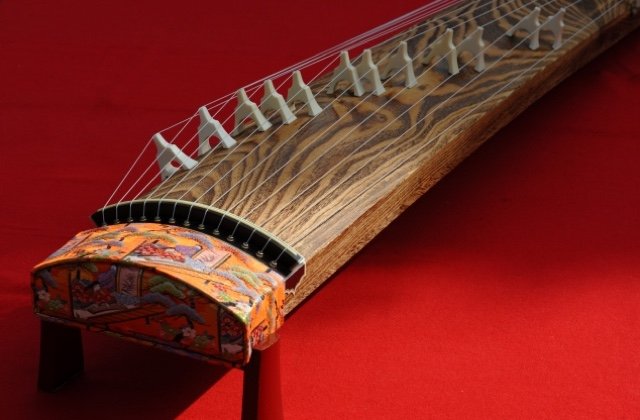
    The koto is one of Japan’s most iconic traditional instruments, recognized for its elegant, harp-like appearance. This stringed instrument has 13 strings stretched over a long, wooden body and is played by plucking the strings with picks attached to the fingers. The koto’s serene and melodic tones are central to many classical Japanese music performances and ceremonies. Historically, it was introduced from China and has evolved into a symbol of refined taste and sophistication in Japanese culture.

    The Shamisen: The Soul of Japanese Folklore

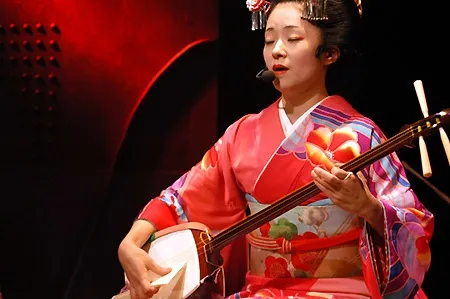
    The shamisen is a three-stringed instrument with a distinctive, percussive sound, often associated with Japanese folk music and theater. Its body is traditionally made from a wooden frame covered with skin, giving it a unique timbre. The shamisen is played with a large plectrum, and its music accompanies various traditional performances such as bunraku (puppet theater) and kabuki (classical drama). The instrument’s versatility allows it to convey a range of emotions, making it integral to Japan’s cultural and theatrical arts.

    The Biwa: The Echoes of Ancient Legends

    The biwa is a short-necked lute used in traditional Japanese storytelling and music. It has four strings and a pear-shaped body, producing a deep, resonant sound. The biwa is often associated with the biwa hōshi, itinerant blind performers who used it to narrate epic tales such as the Heike Monogatari (The Tale of the Heike). This instrument plays a crucial role in preserving Japan’s literary and musical heritage, connecting modern audiences with the country’s legendary past.

    The Shakuhachi: The Breath of Zen

    The shakuhachi is a bamboo flute known for its haunting, meditative sound. This instrument, traditionally used by Zen Buddhist monks, is characterized by its ability to produce a wide range of expressive tones through breath control. The shakuhachi’s music often evokes themes of nature and spirituality, aligning with Zen practices of mindfulness and contemplation. Its simplicity and depth make it a powerful tool for both musical and spiritual expression.

    The Taiko: Rhythms of Tradition

    Taiko drums are a staple of Japanese traditional music, known for their dynamic and powerful rhythms. These drums come in various sizes and shapes, ranging from the small shoko to the large odaiko. Taiko drumming is often featured in festivals and ceremonies, and its energetic performances are accompanied by choreographed movements. The taiko’s role in Japanese culture extends beyond music, serving as a means of community expression and celebration.

    The Hichiriki: The Sound of Imperial Court Music

    The hichiriki is a double-reed instrument used primarily in gagaku, the ancient court music of Japan. It has a distinctive, piercing sound and is essential in creating the complex textures of gagaku ensembles. The hichiriki’s role in Japanese court music underscores its historical significance in ceremonial and ritualistic contexts. Its unique timbre contributes to the ancient, otherworldly quality of gagaku, reflecting the grandeur and formality of imperial Japan.

    The Shō: The Harmonious Celestial Voice

    The shō is a mouth organ with a set of vertical bamboo pipes, each producing a single pitch. This instrument is crucial in gagaku, providing a rich, harmonic backdrop to the ensemble’s performance. The shō’s ethereal, harmonic sound is reminiscent of celestial music, adding a layer of complexity and depth to the traditional compositions. Its presence in Japanese music underscores the blend of spiritual and artistic elements inherent in gagaku.

    The Nohkan: The Voice of Noh Theater

    The nohkan is a transverse bamboo flute used in noh theater, a traditional Japanese performing art that combines drama, music, and dance. The instrument’s sound is integral to noh performances, providing a musical foundation that supports the actors’ performances. The nohkan’s ability to produce a range of subtle tones and its role in enhancing the dramatic atmosphere of noh theater highlight its importance in Japan’s cultural and artistic heritage.

    The Kokyū: The Bowed String Tradition

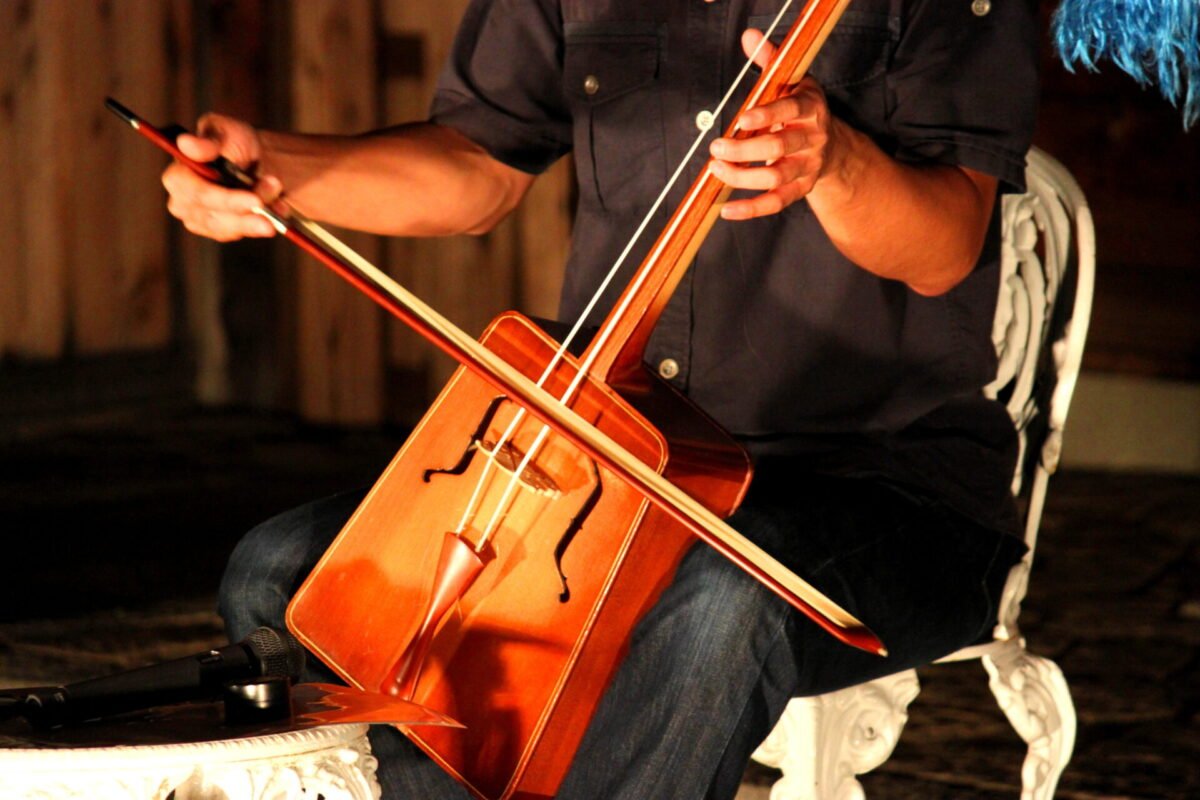
    The kokyū is a bowed string instrument similar to a violin, but with a distinctively Japanese design. It has a unique timbre and is used in both traditional and contemporary Japanese music. The kokyū’s role in Japanese music often involves accompanying vocal performances and storytelling. Its versatility and rich sound make it a valuable component of Japan’s musical traditions.

    Traditional Japanese Music
    Traditional Japanese Music

    Conclusion

    Traditional Japanese music is a reflection of the country’s rich cultural heritage, with each instrument contributing its unique sound to the tapestry of Japanese musical history. From the elegant koto to the rhythmic taiko drums, these instruments offer a window into Japan’s past and present, showcasing the depth and diversity of its musical traditions. Understanding these instruments not only enhances appreciation for Japanese music but also connects listeners with the historical and cultural narratives that have shaped this vibrant art form.